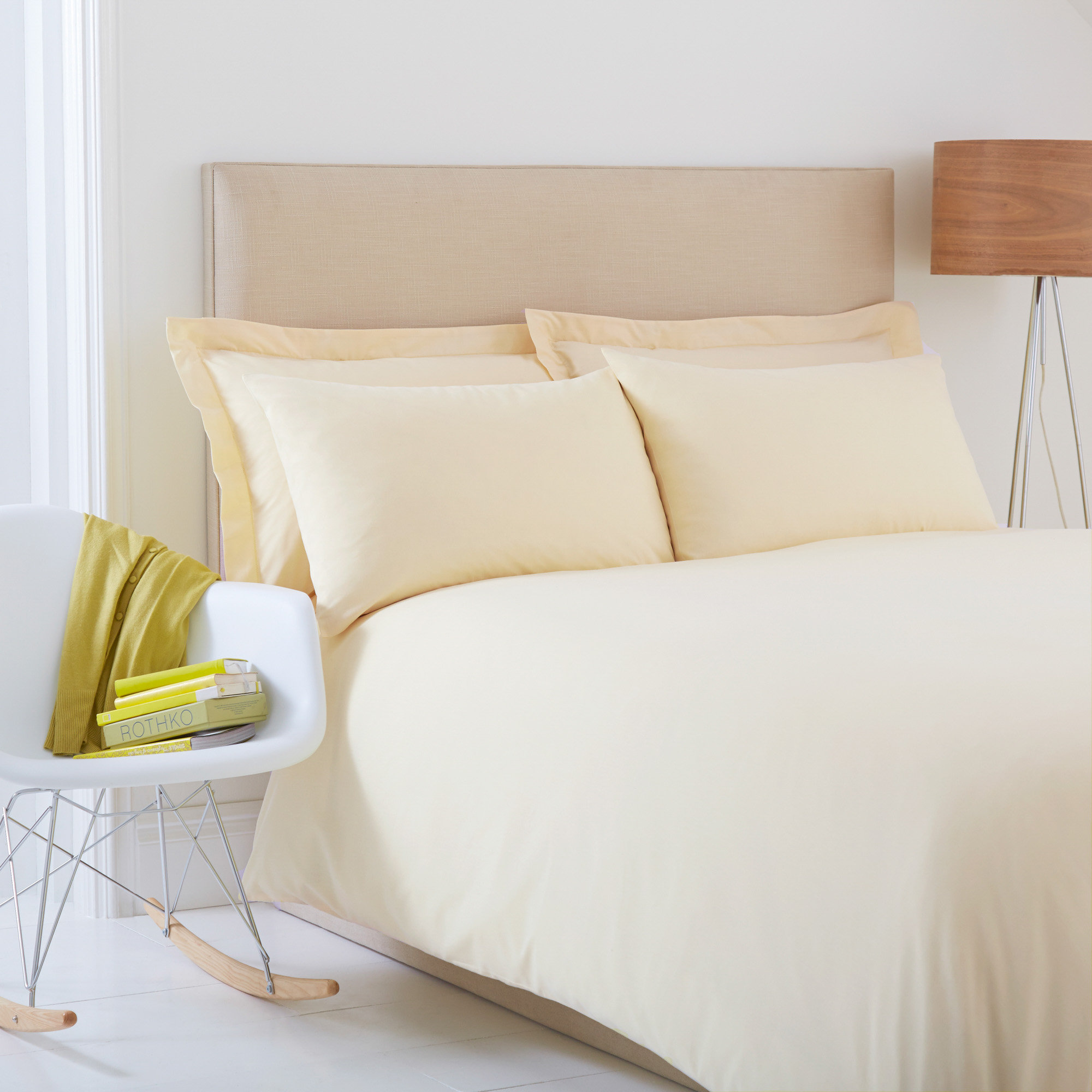
Guide to Charlotte Thomas Bespoke Luxury Bed Linen and Custom Textiles
Charlotte Thomas Bespoke is a premier British custom textile service specializing in made-to-order luxury bed linen, custom embroidery, and specialized soft furnishings for high-end residential properties, superyachts, and boutique hos...
Charlotte Thomas Bespoke is a premier British custom textile service specializing in made-to-order luxury bed linen, custom embroidery, and specialized soft furnishings for high-end residential properties, superyachts, and boutique hospitality projects. Crafted from premium long-staple Egyptian cotton and silk, each bespoke item is manufactured to exact dimensional, aesthetic, and finishing specifications.
Contents
Understanding Charlotte Thomas Bespoke Textiles
The market for luxury soft furnishings increasingly demands tailored solutions that extend beyond off-the-shelf standard sizing. Charlotte Thomas Bespoke addresses this demand by providing tailor-made bed linen, bespoke embroidery, and custom textile fabrication designed to fit non-standard mattress dimensions, unique architectural interior layouts, and specific corporate or personal branding guidelines.
High-end interiors frequently feature oversized mattresses—such as Emperor, Caesar, or custom-built architectural beds—as well as specialized marine berths found on luxury yachts. Standard retail linens often fail to provide the appropriate drop, fit, or aesthetic finish required for these installations. The Charlotte Thomas Bespoke service provides direct access to custom tailoring, allowing clients, interior designers, and procurement managers to specify fabric weight, weave, color trims, border styles, and monogramming.
Brand Heritage and Textile Standards
Rooted in traditional British textile heritage, Charlotte Thomas has built a reputation for combining classic craftsmanship with contemporary design flexibility. The bespoke division focuses on exacting textile standards, utilizing raw materials selected for durability, tactile softness, and visual brilliance.
In luxury textile manufacturing, the quality of the finished product depends heavily on the staple length of the cotton fibers. Charlotte Thomas Bespoke utilizes extra-long staple (ELS) Egyptian cotton fibers, which produce smoother, stronger yarns than standard short-staple alternatives. When woven into high-density percales or sateens, these yarns create bed linen that maintains structural integrity, sheen, and softness through repeated commercial or domestic laundering cycles.
Target Applications: Residential, Marine, and Hospitality
The requirements for custom textiles vary significantly depending on the application environment:
- Private Residential: Homeowners and interior designers require precise color matching, bespoke monograms, and custom sizing for oversized master suites and guest rooms.
- Superyacht and Aviation: Marine and aircraft mattresses rarely adhere to standard rectangular geometries. Bespoke linens must be tailored with rounded corners, tapered edges, or custom elastication to remain taut during motion.
- Boutique Hotels and Estate Management: Commercial luxury properties demand high-durability fabrics capable of withstanding industrial laundering processes while retaining a luxurious hand-feel. Bespoke piping and custom crest embroidery reinforce brand identity across guest accommodations.
Key Customization Options and Technical Specifications
Commissioning custom bed linens involves selecting appropriate material characteristics, physical dimensions, and decorative finishing techniques. Understanding these technical components ensures that the final product meets both visual expectations and operational requirements.
- FABRIC SELECTION & WEAVE
- Percale (Crisp, Matte) vs. Sateen (Lustrous, Soft)
- Long-Staple Egyptian Cotton (300TC to 1000TC)
- DIMENSIONAL SPECIFICATIONS
- Custom Length, Width, and Pocket Depth
- Unique Geometries (Yacht Berths, Curved Corners)
- DECORATIVE FINISHING
- Monogramming & Custom Crest Embroidery
- Oxford Borders, Hemstitching, and Contrast Piping
Fabric Selection and Thread Counts
Thread count (TC) represents the number of vertical (warp) and horizontal (weft) threads woven into one square inch of fabric. While consumer marketing often treats thread count as the sole indicator of quality, fiber quality and weave structure are equally critical performance factors.
- Percale Weave (300 TC to 500 TC): Percale features a classic one-over, one-under plain weave structure. It produces a crisp, matte-finish fabric that offers exceptional breathability and a cool feel to the touch. It is particularly well-suited for warm climates, summer use, or luxury hotels prioritizing traditional crispness.
- Sateen Weave (400 TC to 1000 TC): Sateen utilizes a three-over, one-under weave structure that exposes more yarn threads on the surface. This creates a silk-like luster, exceptionally soft hand-feel, and a heavier drape. High-thread-count sateen (such as 600TC or 1000TC long-staple Egyptian cotton) represents the pinnacle of formal residential luxury.
- Pure Silk and Linen Blends: For specialized aesthetic requirements, silk and pure linen options offer distinct temperature-regulating properties and textural finishes.
Custom Sizing and Mattress Configurations
Standard retail bedding caters to fixed dimensions such as Single, Double, King, and Super King. However, high-end residential and commercial projects frequently incorporate bespoke mattress configurations. Charlotte Thomas Bespoke accommodates custom measurements across all product categories, including flat sheets, fitted sheets, duvet covers, pillowcases, and mattress protectors.
When specifying fitted sheets, three key measurements must be provided: exact length, width, and mattress depth (including topper thickness). Standard fitted sheets typically feature pocket depths of 30 cm (approximately 12 inches), whereas modern luxury mattresses with pillow-top layers often require pocket depths ranging from 40 cm to 50 cm. Charlotte Thomas Bespoke tailored sheets ensure complete coverage without slipping or excessive tension on seam stress points.
Embroidery, Monograms, and Border Finishes
Decorative detailing transforms standard white or neutral bed linens into personalized design statements. Charlotte Thomas Bespoke offers several embellishment techniques:
- Custom Monogramming and Crests: Initial monograms, family crests, or corporate logos can be embroidered using high-sheen embroidery threads in custom pantone shades. Positioning options include pillowcase cuffs, duvet cover headers, and flat sheet turn-backs.
- Hemstitching (Jour Openwork): A classic decorative technique where threads are drawn from the fabric and bound into delicate openwork patterns. Available in single, double, or serpentine styles along borders.
- Contrast Piping and Cord Insets: Inserting contrasting fabric piping or satin cords along border edges adds structural definition and aligns bedding aesthetics with interior color palettes.
- Oxford Borders: Flanged fabric borders ranging from 5 cm to 10 cm in width added around pillowcases and duvet covers, delivering a tailored, substantial silhouette.
Step-by-Step Bespoke Ordering and Procurement Process
Ordering bespoke luxury textiles requires precise planning to ensure that sizing, design motifs, and material performance align with client requirements. The process follows a systematic workflow from initial consultation to final delivery.
Step 1: Design Brief and Dimension Collection
The procurement process begins with an explicit design brief. Clients or interior designers supply exact dimensions of the beds, including depth allowances for mattress pads and toppers. For marine or custom architectural installations, physical templates or digital CAD drawings may be submitted to ensure accurate edge curvature and notch placements.
Step 2: Fabric Selection and Swatch Approval
Physical fabric swatches are provided to assess color accuracy, weave density, and tactile response under specific interior lighting conditions. During this phase, clients confirm thread count preferences (e.g., crisp 400TC percale versus heavy 1000TC sateen) and fabric colorways.
Step 3: Embroidery Artwork Proofing
If monograms, crests, or contrast border stitching are specified, digital embroidery proofs are generated. These proofs confirm stitch density, scale, placement coordinates, and thread color alignment against standard Pantone or textile swatch reference numbers.
Step 4: Craftsmanship and Manufacturing
Upon design sign-off, raw fabrics are cut, tailored, and hand-finished by skilled artisans. Custom hems, piping, and embroidery are executed according to approved specifications. Stringent quality assurance checks verify dimensional accuracy, seam strength, and thread tension before packaging.
Step 5: Delivery and Initial Laundering
Bespoke textile orders are packaged to prevent creasing and contamination during transport. Upon receipt, bespoke cotton linens should undergo an initial cold wash without softeners to set the cotton fibers before routine hot laundering and ironing.
Technical Comparison: Bespoke vs. Standard Luxury Bedding
Evaluating bespoke soft furnishings against standard high-end retail bedding highlights practical considerations regarding fit, personalization, cost, and lead times.
| Feature / Metric | Charlotte Thomas Bespoke Bedding | Standard Off-the-Shelf Luxury Bedding |
|---|---|---|
| Dimensional Fit | 100% custom cut to exact mattress length, width, & depth | Fixed standard sizes (Single, King, Super King) |
| Fabric Availability | Selectable 300TC–1000TC long-staple Egyptian cotton, silk | Pre-selected fixed fabric options per collection |
| Embellishment Options | Custom monograms, crests, bespoke piping, hemstitching | Standard plain hems or pre-set brand trims |
| Yacht / Marine Suitability | High; custom shapes, rounded corners, & cutouts supported | Low; standard rectangular shapes require tucking |
| Production Lead Time | Typically 4 to 8 weeks depending on order scope | Available immediately for dispatch |
| Minimum Order Quantity | Flexible; tailored for single suites or full estates | Single unit retail availability |
| Primary Target Market | HNW Individuals, Interior Designers, Yachts, Luxury Hotels | General retail consumer market |
Care, Maintenance, and Fabric Longevity
To preserve the appearance, structural integrity, and hand-feel of bespoke Egyptian cotton and silk bedding, proper laundering protocols must be maintained. High-thread-count natural textiles require specific care routines compared to synthetic or low-density fabrics.
- LAUNDERING STAGE
- Machine Wash at 40°C (104°F) Gentle Cycle
- Use Mild Liquid Detergent (No Bleach/Optical Bright)
- DRYING STAGE
- Line Dry naturally preferred
- Low-Heat Tumble Dry to damp state only
- IRONING STAGE
- Steam Iron while fabric is slightly damp
- Iron embroidery on reverse side over soft towel
Wash Temperature and Detergent Selection
Natural cotton fibers swell when wet. Washing at 40°C (104°F) on a gentle cycle cleans fibers effectively without causing excessive thermal shrinkage. Use mild liquid detergents free from optical brighteners, chlorine bleach, and harsh chemical stain removers, as these agents weaken long-staple fibers and discolor bespoke embroidery threads over time.
Drying Procedures
Air drying naturally on a line is optimal for high-end cotton, minimizing thermal stress and mechanical abrasion. If using a tumble dryer, select a delicate, low-heat setting and remove the linens while still slightly damp to reduce deep creasing and prevent heat damage to fine seams and piping.
Ironing and Storage Guidelines
High-thread-count percales and sateens achieve their signature smooth finish through proper steam ironing. For best results:
- Iron linens while damp using a high-temperature steam setting.
- Iron embroidered monograms and crests face down on the reverse side over a soft towel; this prevents flattening the raised embroidery stitches.
- Store dry linens in a cool, dark, well-ventilated linen closet using breathable cotton storage bags. Avoid plastic storage containers, which can trap moisture and cause fabric yellowing.
Frequently Asked Questions
What distinguishes Charlotte Thomas Bespoke from standard retail collections?
Charlotte Thomas Bespoke provides full custom manufacturing, allowing clients to specify exact fabric thread counts, custom dimensions for oversized or non-standard mattresses, specialized embroidery, and bespoke border detailing that is unavailable in off-the-shelf retail lines.
What information is required to place a custom bedding order?
You must provide exact mattress dimensions (length, width, and depth/pocket height), preferred fabric type (e.g., percale or sateen), desired thread count, fabric color, and specific decorative requirements such as embroidery artwork files, thread colors, or piping details.
How long does a bespoke order take from design to delivery?
Production lead times vary based on design complexity, material availability, and embroidery requirements. Most bespoke orders are completed and dispatched within 4 to 8 weeks following artwork and swatch sign-off.
Can Charlotte Thomas Bespoke supply linens for yachts and private jets?
Yes, the bespoke service routinely creates linens tailored for marine and aviation applications. Linens can be cut to fit curved mattresses, V-berths, tapered profiles, and custom mattress depths common in yacht and aircraft interiors.
Are sample swatches available prior to finalizing an order?
Yes, fabric swatches and thread sample cards are typically supplied during the initial consultation stage to verify texture, weave, color accuracy, and embroidery appearance before manufacturing begins.
Practical Recommendations for Interior Designers and Buyers
When specifying Charlotte Thomas Bespoke linens for residential or commercial projects, follow these steps to ensure seamless execution:
- Measure Mattresses with Mattress Toppers Installed: Always measure total bed height including mattress pads, toppers, and protectors. Ordering fitted sheets based solely on the bare mattress measurement will result in an inadequate pocket depth and tight, ill-fitting corners.
- Order Extra Pillowcases and Fitted Sheets: Fitted sheets and pillowcases experience more direct wear and frequent laundering than duvet covers or decorative shams. Ordering a 2:1 ratio of fitted sheets to duvet covers extends the practical lifespan of the entire bespoke set.
- Approve Physical Samples Under Local Lighting: View fabric and embroidery swatches inside the intended bedroom or suite. Ambient and artificial lighting temperatures (e.g., 2700K warm LED vs. natural daylight) significantly alter how fabric lusters and thread colors appear in place.
Image Gallery