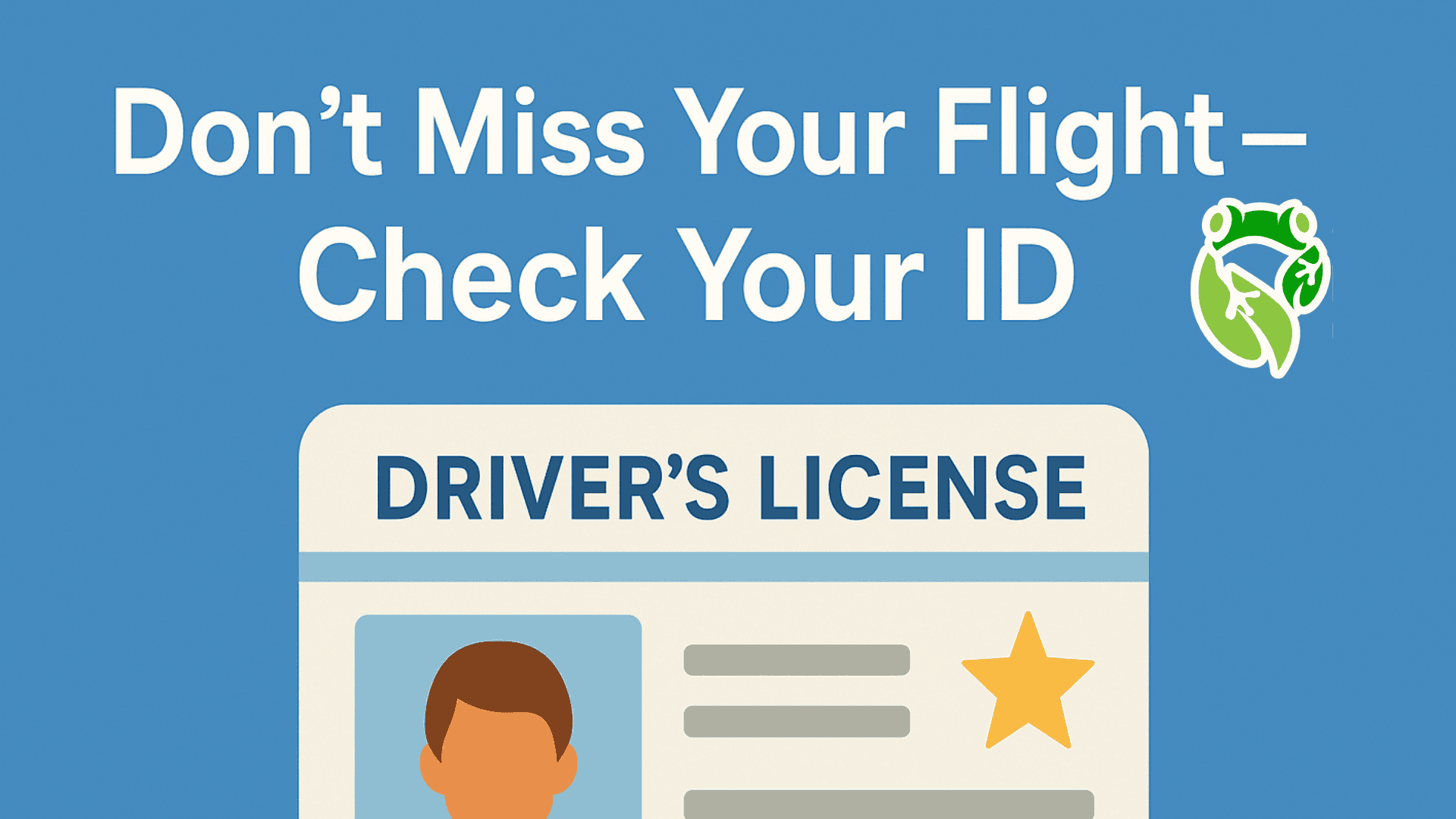
How to Get a REAL ID to Fly: Requirements, Documents, and Application Steps
To get a REAL ID to fly domestically, you must apply in person at your state motor vehicle department (DMV or equivalent agency). You must submit original or certified documents verifying your full legal name, date of birth, Social Sec...
To get a REAL ID to fly domestically, you must apply in person at your state motor vehicle department (DMV or equivalent agency). You must submit original or certified documents verifying your full legal name, date of birth, Social Security number, and state residency. Once processed, your new state-issued driver's license or ID card will feature a star marking its federal compliance.
Contents
Understanding REAL ID Requirements for Domestic Air Travel
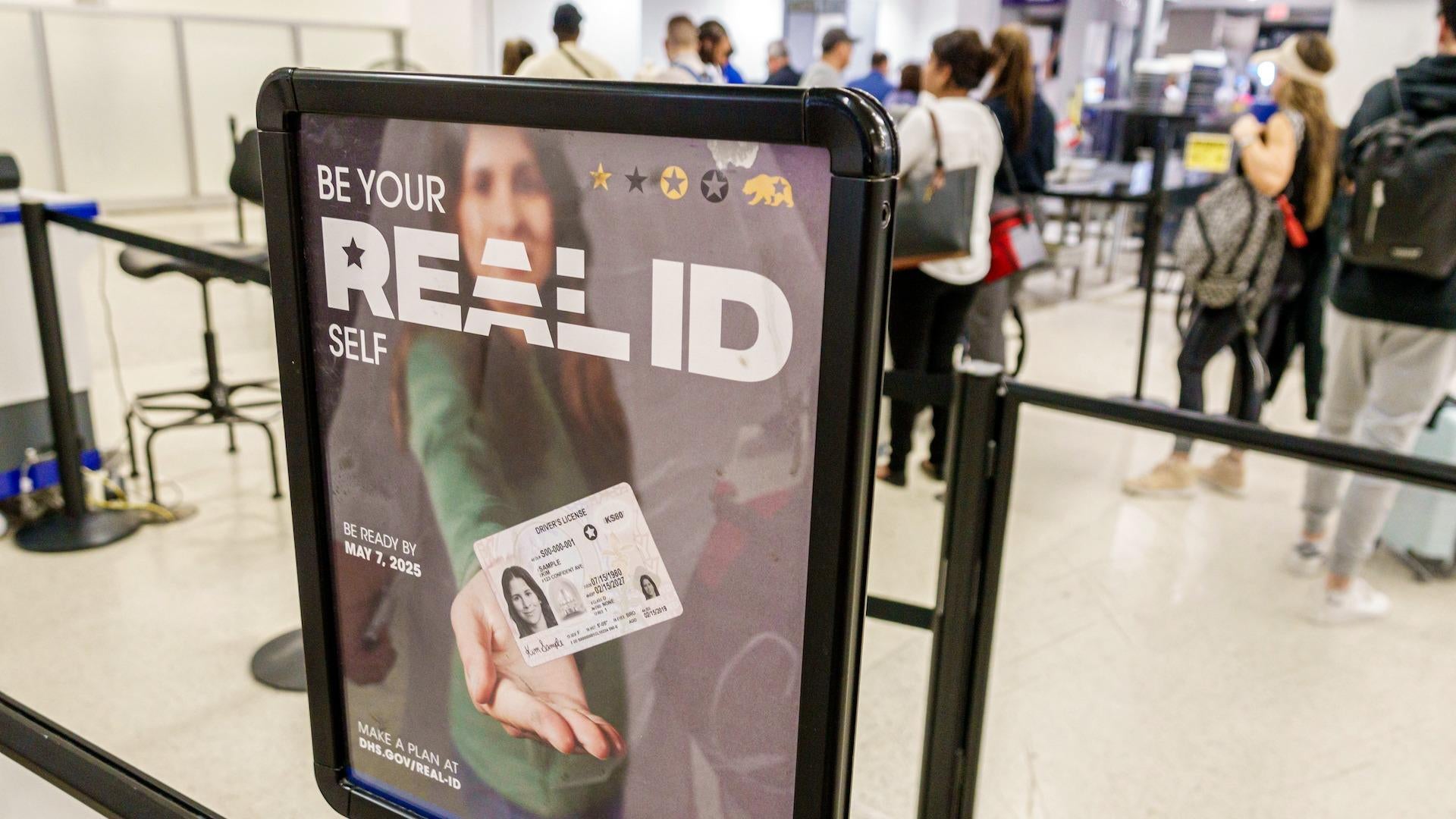
The REAL ID Act, passed by Congress in 2005 following recommendations from the 9/11 Commission, established standard security requirements for state-issued driver's licenses and identification cards. Under federal regulations enforced by the Transportation Security Administration (TSA), all individuals aged 18 and older must present a REAL ID-compliant license, standard passport, or another federally accepted identity document to clear airport security for domestic flights.
If you plan to travel by air within the United States, Puerto Rico, or U.S. territories, standard driver's licenses marked with text like "Not for Federal Identification" or "Federal Limits Apply" are no longer accepted at airport security checkpoints.
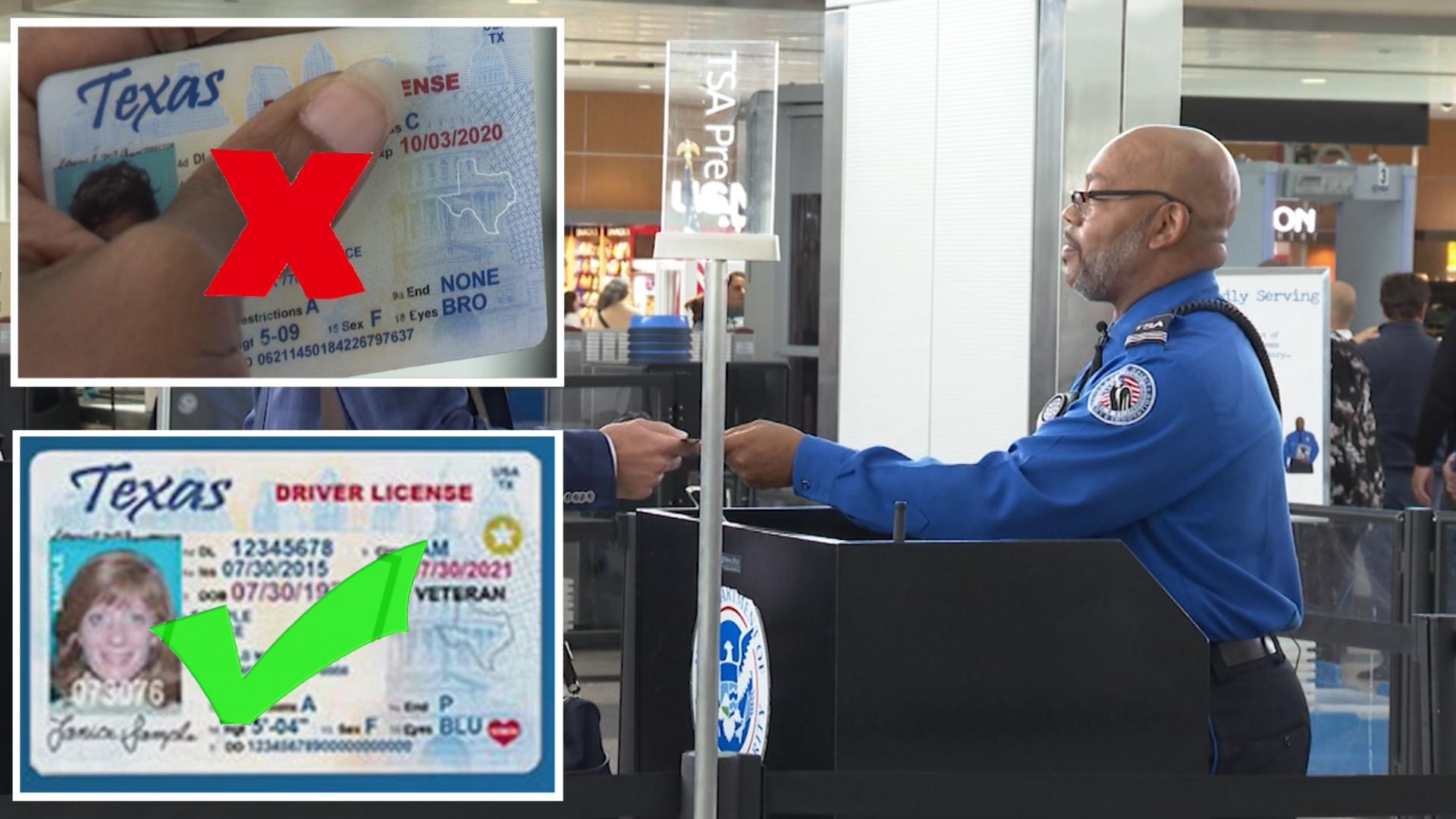
- Standard State License
- Lacks Star Icon
- TSA Domestic Flight Checkpoint (Denied Entry without Passport)
- REAL ID Compliant License
- Features Star Icon
- TSA Domestic Flight Checkpoint (Approved Entry)
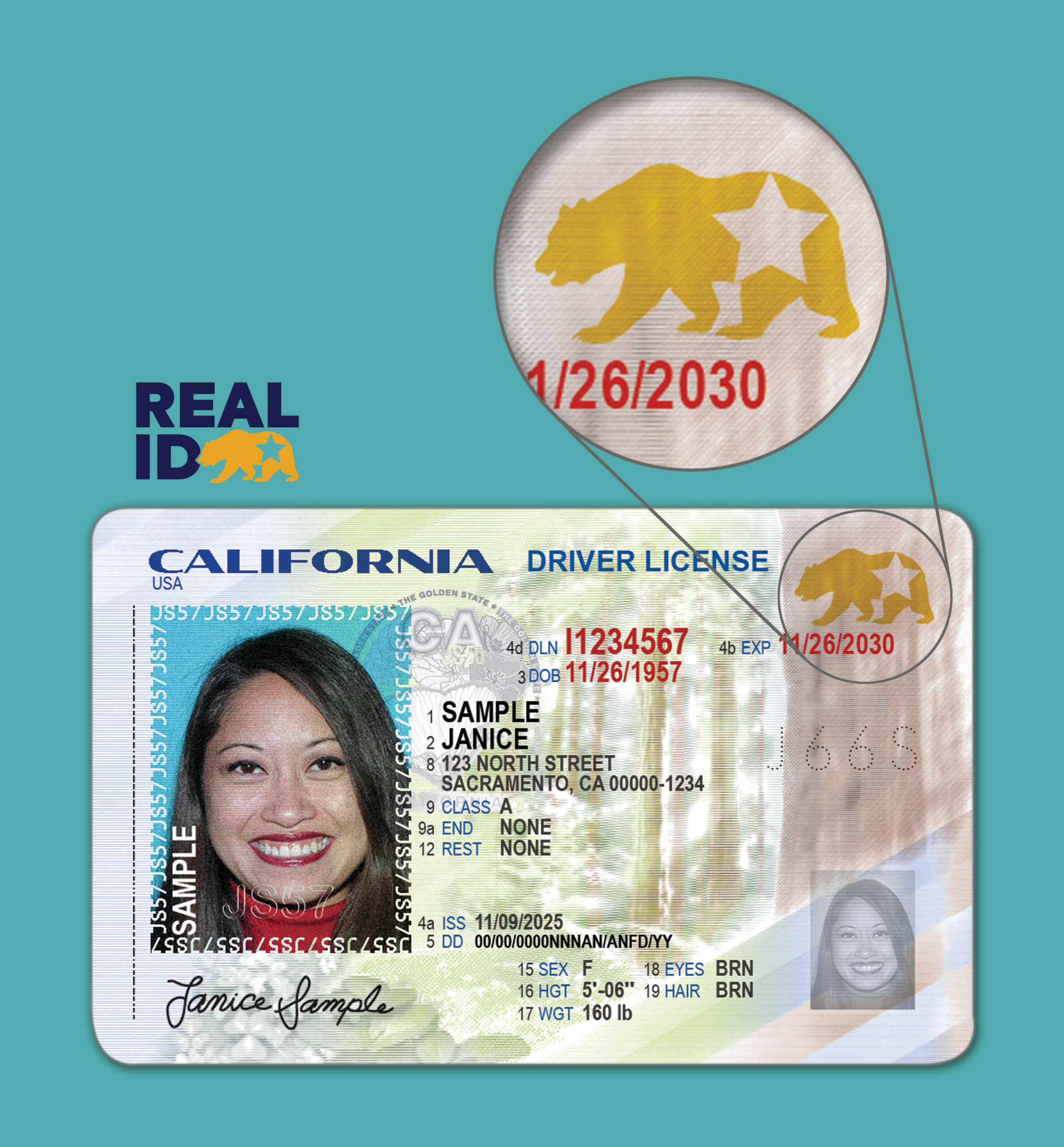
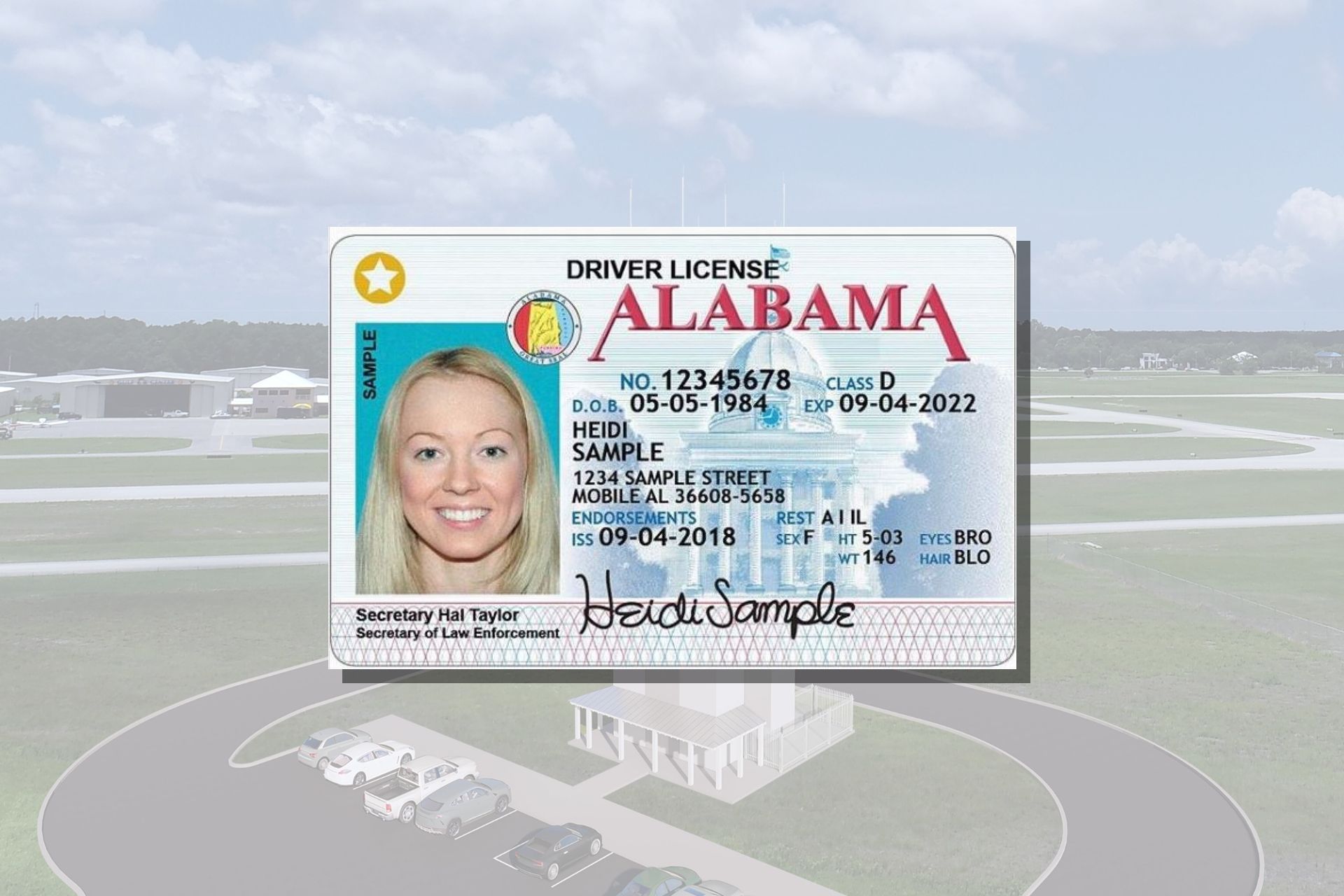
To determine whether your current license is REAL ID-compliant, examine the top right corner of the card:
- Compliant Cards: Feature a star symbol (a gold star, black star, or a star inside a state outline such as California's bear motif).
- Non-Compliant Cards: State "Not for Federal Identification" or "Limits Apply" across the top margin.
While REAL ID compliance is mandatory for domestic commercial flights and entering secure federal buildings or military bases, it is not required for:
- Driving legal vehicles.
- Voting or registering to vote.
- Applying for or receiving federal benefits (e.g., Social Security or Medicare).
- Entering public federal facilities that do not require identification (e.g., post offices).
- Accessing emergency health services.
Essential Documents Required for a REAL ID Application
When applying for a REAL ID, federal guidelines require state departments of motor vehicles to verify your identity through original or state-certified documents. Photocopies, notarized copies, scanned images, and digital documents presented on mobile devices are strictly rejected.
You must bring specific paperwork covering four distinct verification categories to your in-person DMV appointment:
Required Document Package:
- Proof of Identity & Lawful Presence (1 Document)
- Proof of Social Security Number (1 Document)
- Proof of State Residency (2 Documents)
- Legal Proof of Name Change (If applicable)
1. Proof of Identity, Date of Birth, and Lawful Status (1 Document)
You must provide one original document establishing your full legal name, date of birth, and U.S. citizenship or lawful legal presence. Accepted primary identity documents include:
- An unexpired U.S. Passport or U.S. Passport Card.
- An original or certified copy of a U.S. birth certificate issued by a vital statistics bureau (bearing an official raised seal or stamp).
- A Consular Report of Birth Abroad (Form FS-240, DS-1350, or FS-545).
- An unexpired Permanent Resident Card (Form I-551 / Green Card).
- An unexpired Foreign Passport with a valid U.S. visa and approved Form I-94 arrival/departure record.
- A Certificate of Naturalization (Form N-550 or N-570) or Certificate of Citizenship (Form N-560 or N-561).
2. Proof of Social Security Number (1 Document)
States must verify your full Social Security Number (SSN). Depending on state-specific motor vehicle regulations, you may need to present physical evidence displaying your full SSN, such as:
- An original Social Security Card (signed and undamaged).
- A W-2 Form showing your full name and full 9-digit SSN.
- A 1099 Tax Form displaying your full SSN.
- A pay stub or earnings statement displaying your full name and full SSN.
Note: Some state DMVs now perform electronic verification of your SSN directly with the Social Security Administration database during processing, reducing physical card requirements. However, bringing your original Social Security card prevents processing delays if electronic verification flags a discrepancy.
3. Proof of Physical State Residency (2 Documents)
You must prove that you reside in the state where you are applying by bringing two separate documents showing your full legal name and current physical residential address. P.O. Boxes are not accepted as proof of physical residence. Accepted residency documents include:
- Utility, cable, or internet service bills (dated within 30 to 90 days depending on state rules).
- Current residential lease agreements, mortgage statements, or property tax bills.
- Bank, credit union, or credit card statements (dated within recent months).
- W-2 forms, 1099 tax forms, or property tax assessments for the current tax year.
- Auto, home, or health insurance policies or policy declarations statements.
- Official mail from government agencies (e.g., voter registration card, jury summons, or state tax correspondence).
4. Proof of Name Change (If Applicable)
If the legal name printed on your identity document (such as your birth certificate) differs from the legal name you currently use, you must provide a complete paper trail linking your original name to your current legal name. Accepted legal name change documents include:
- A state-issued certified marriage license or marriage certificate.
- A certified divorce decree explicitly stating the restoration of a former legal name.
- A court-ordered name change decree signed by a judge.
- A certified adoption decree.
If your name has changed multiple times throughout your life (e.g., multiple marriages and divorces), you must present original or certified document chains linking every single name change from birth to your current legal name.
Step-by-Step Guide to Obtaining Your REAL ID
Upgrading from a standard state driver's license to a REAL ID requires pre-planning to ensure all paperwork meets state and federal criteria. Follow these sequential steps to complete your application.
- Step 1: Document Audit & Pre-Screen
- Step 2: Schedule DMV Appointment
- Step 3: In-Person Verification & Photo Capture
- Step 4: Temporary Paper Permit Issued
- Step 5: Physical REAL ID Card Mailed (2-4 Weeks)
Step 1: Pre-Screen Your State DMV Requirements
Visit the official state motor vehicle agency website for the state where you hold primary residence. Most state licensing portals—such as the California DMV REAL ID Portal or the New York DMV REAL ID Guidance—offer interactive document pre-verification checklists. These online wizards allow you to upload images of your identity, SSN, and residency documents before your appointment to verify whether they fulfill federal requirements.
Step 2: Gather and Inspect Physical Documents
Collect all required identity papers into a single physical folder. Inspect each document carefully for common rejection triggers:
- Ensure birth certificates are government-issued certified copies from the state or county office of vital statistics, not hospital-issued birth souvenir certificates.
- Confirm that utility bills and bank statements display your exact physical street address rather than a post office box.
- Verify that your name matches across identity, SSN, and residency documents. If a middle initial is used on one document and a full middle name on another, confirm whether your state requires an explicit name-alignment document or accepts standard initial variations.
Step 3: Schedule an In-Person DMV Appointment
Federal regulations mandate an in-person appearance for every initial REAL ID application to capture a high-resolution facial photo and physically verify original documents. Navigate to your state licensing agency's scheduling system to book a REAL ID appointment. While some state offices allow walk-ins, scheduling an appointment significantly reduces waiting times.
Step 4: Complete the In-Person Application and Payment
On the day of your appointment, present your physical document folder to the motor vehicle customer service representative. The representative will scan your documents into federal security databases, perform biometric facial photograph capture, administer a vision exam (if renewing or applying for a driver's license), and collect the mandatory licensing fees.
Step 5: Receive Your Temporary Document and Await Card Mail Delivery
Upon successful application, the licensing office will issue a temporary paper driver's license or identification card.
- Important Security Note: Temporary paper driver's licenses or temporary IDs are not recognized by TSA as valid travel documents. Your permanent REAL ID card will be manufactured at a secure printing facility and delivered via U.S. Mail, typically arriving within 10 to 30 business days. Schedule your application at least one to two months before planned domestic travel to account for processing and delivery delays.
Comparison: REAL ID vs. Standard License vs. U.S. Passport
Understanding the legal scopes, security capabilities, and functional limits of common identification options helps travelers determine which documents best suit their needs:
| Feature / Capability | Standard State License | REAL ID State License | U.S. Passport Card | U.S. Passport Book |
|---|---|---|---|---|
| TSA Domestic Flight Acceptance | No (Rejected at security) | Yes (Fully accepted) | Yes (Fully accepted) | Yes (Fully accepted) |
| International Air Travel | No | No | No | Yes (Required globally) |
| Land & Sea Border Crossings | No | No (Unless an EDL*) | Yes (Canada/Mexico/Caribbean) | Yes (All international ports) |
| Visual Compliant Identification Mark | "Not for Federal Identification" | Gold Star / Black Star Icon | Official Federal Document | Official Federal Document |
| Requires In-Person DMV Visit | Varies by state | Yes (Mandatory initial visit) | No (Mail renewal available) | No (Mail renewal available) |
| Primary Issuing Authority | State DMV / BMV | State DMV / BMV | U.S. Department of State | U.S. Department of State |
*Note: Enhanced Driver's Licenses (EDLs) issued by select border states offer both REAL ID compliance for air travel and land/sea border-crossing rights.
Enhanced Driver's Licenses (EDL) vs. REAL ID
Residents living in border states—specifically Michigan, Minnesota, New York, Vermont, and Washington—have access to an alternative credential called an Enhanced Driver's License (EDL).
An EDL is a specialized state-issued license that incorporates Radio Frequency Identification (RFID) technology and advanced security features.
| Standard REAL ID | Enhanced Driver's License (EDL) |
|---|---|
| • Valid for Domestic Air Travel | • Valid for Domestic Air Travel |
| • Marked with a Star Icon | • Marked with a Flag / "Enhanced" |
| • Invalid for International Land or Sea Border Crossings | • Valid for Land & Sea Border Crossings to Canada, Mexico, etc. |
Both REAL IDs and EDLs meet TSA security criteria for boarding domestic flights. However, if you regularly drive across Canadian or Mexican borders or travel by cruise ship without a passport book, an EDL fulfills both domestic air travel requirements and land/sea border requirements under the Western Hemisphere Travel Initiative (WHTI).
Accepted Alternative Identifications for Domestic Flying
If you do not hold a REAL ID-compliant state driver's license or identification card, TSA officers will accept several alternative forms of identification at airport security checkpoints.
According to official TSA Identification Guidelines, approved alternative identification documents for domestic air travel include:
- U.S. Passport or U.S. Passport Card: Fully valid regardless of your state license status.
- DHS Trusted Traveler Cards: Global Entry, NEXUS, SENTRI, or FAST cards issued by U.S. Customs and Border Protection.
- U.S. Department of Defense ID: Active duty military, reserve, military retiree, or dependent IDs.
- Permanent Resident Card: Form I-551 (Green Card).
- Foreign Government-Issued Passport: Valid unexpired passport from any recognized sovereign foreign state.
- Canadian Provincial Driver's License or Indian and Northern Affairs Canada Card.
- Transportation Worker Identification Credential (TWIC).
- Federally Recognized Tribal-Issued Photo ID.
If you present an unexpired U.S. Passport or Global Entry card at security, you do not need to show a REAL ID driver's license to board a domestic flight.
Common REAL ID Application Mistakes to Avoid
State DMVs routinely reject REAL ID applications due to minor document discrepancies. Avoid these frequent missteps to ensure a smooth application process:
- Bringing Laminated Certificates: Vital statistics agencies explicitly forbid laminating official birth or marriage certificates. Lamination obscures security watermarks, invalidating the document for federal verification.
- Uncertified Marriage Certificates: Providing a church-issued marriage certificate or an unrecorded marriage license application will lead to immediate rejection. You must present an official certified marriage certificate issued by the county clerk or state vital records office bearing a registration number and seal.
- Truncated or Mismatched Names: If your middle name appears in full on your birth certificate but only as an initial on your Social Security card, your state DMV may require a name correction through the Social Security Administration before issuing a REAL ID.
- Outdated Proof of Residency: Presenting utility bills or financial statements dated beyond your state's recency threshold (typically older than 60 to 90 days) will cause your application to be turned away.
- Relying on PO Box Addresses: Both proof-of-residency documents must show your physical residential street address. If your mail is delivered to a P.O. Box, you must bring documents that explicitly show both your physical residential address and mailing address.
Frequently Asked Questions (FAQs)
Do children under 18 need a REAL ID to fly domestically?
No. TSA does not require children under the age of 18 to present identification when traveling domestically within the United States alongside an adult companion who has acceptable identification. The adult companion must present a REAL ID or approved alternative.
Can I renew or apply for a REAL ID completely online?
An initial REAL ID application requires an in-person visit to your state licensing agency so staff can physically inspect original documentation and capture biometric photography. However, after completing your initial in-person REAL ID registration, subsequent renewals in many states can be completed online, provided your identity documents remain unchanged.
Can I fly internationally using a REAL ID?
No. A REAL ID state driver's license is only valid for domestic air travel within the U.S. and its territories. International travel by air to foreign destinations requires a valid U.S. Passport Book.
What should I do if my standard license doesn't expire for several years?
You do not have to wait for your current license to expire to get a REAL ID. You can visit your state DMV at any time to upgrade your standard driver's license to a REAL ID. The state will issue a replacement compliant card featuring the star icon, usually retaining your existing driver's license expiration schedule or extending it according to state renewal rules.
Is a U.S. Passport Card the same as a REAL ID?
While a U.S. Passport Card is compliant with REAL ID standards and accepted by TSA for domestic air travel, it is issued by the U.S. Department of State rather than your state's motor vehicle department. A Passport Card cannot be used as a state driver's license to operate a motor vehicle, but it serves as an effective travel alternative.
Recommended Next Steps
To prepare for domestic travel without experiencing security delays at the airport:
- Check your current card: Look for the gold or black star in the top corner of your driver's license.
- Audit your documents: If you do not have a star on your card or a valid U.S. Passport, locate your original birth certificate or passport, Social Security proof, and two current residency documents.
- Book your DMV appointment: Visit your state's official DMV website to schedule an appointment and upload pre-screen documents if supported.
- Allow adequate time: Secure your REAL ID well in advance of scheduled air travel to ensure your permanent physical card arrives in the mail prior to your departure date.
Image Gallery