Auto Insurance Collision Coverage Requirements: A Practical Checklist
Auto insurance collision coverage pays to repair or replace your vehicle if it is damaged in a collision with another car or object, such as a fence, tree, or building, regardless of who is at fault. While state laws typically only man...
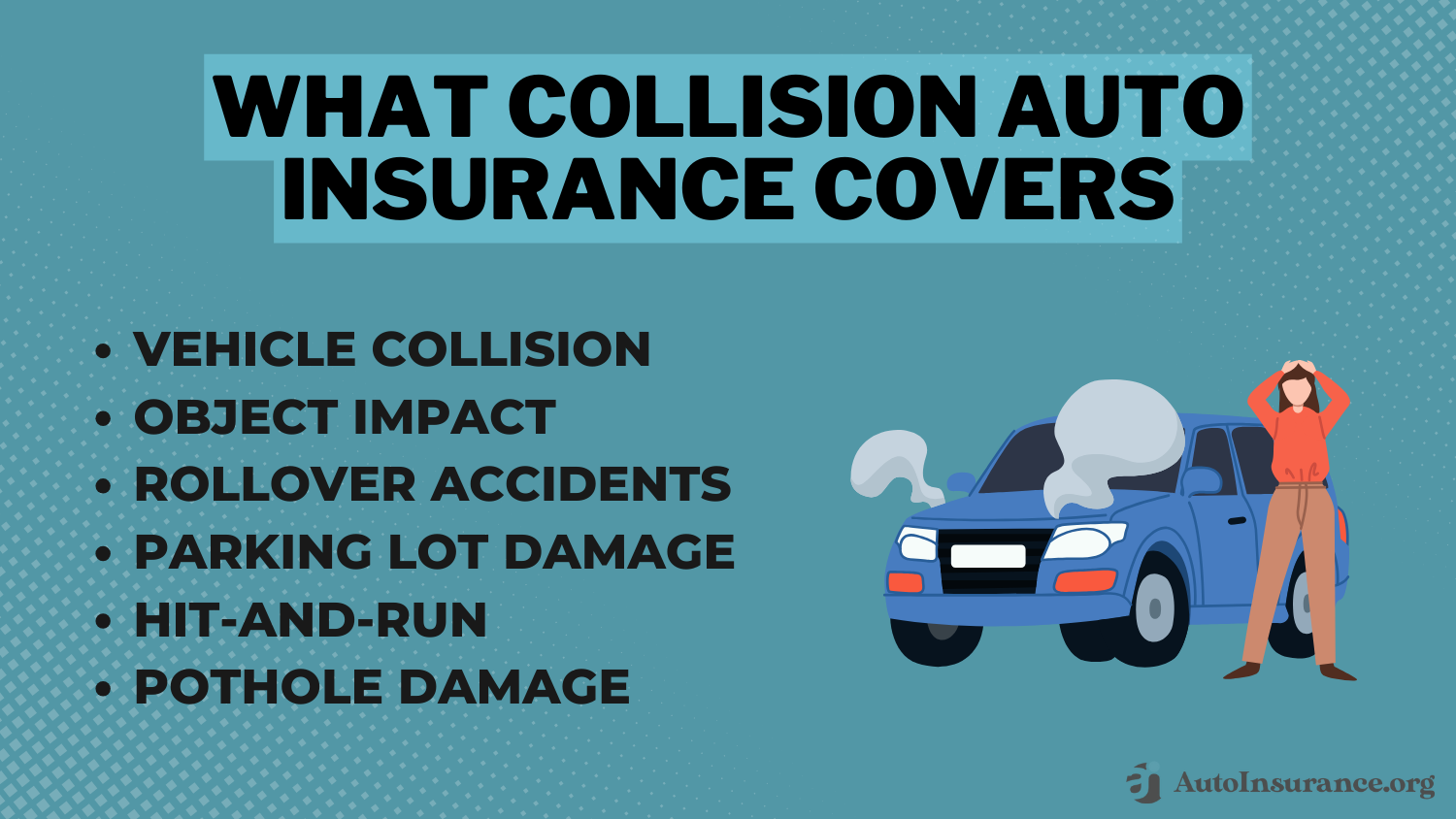
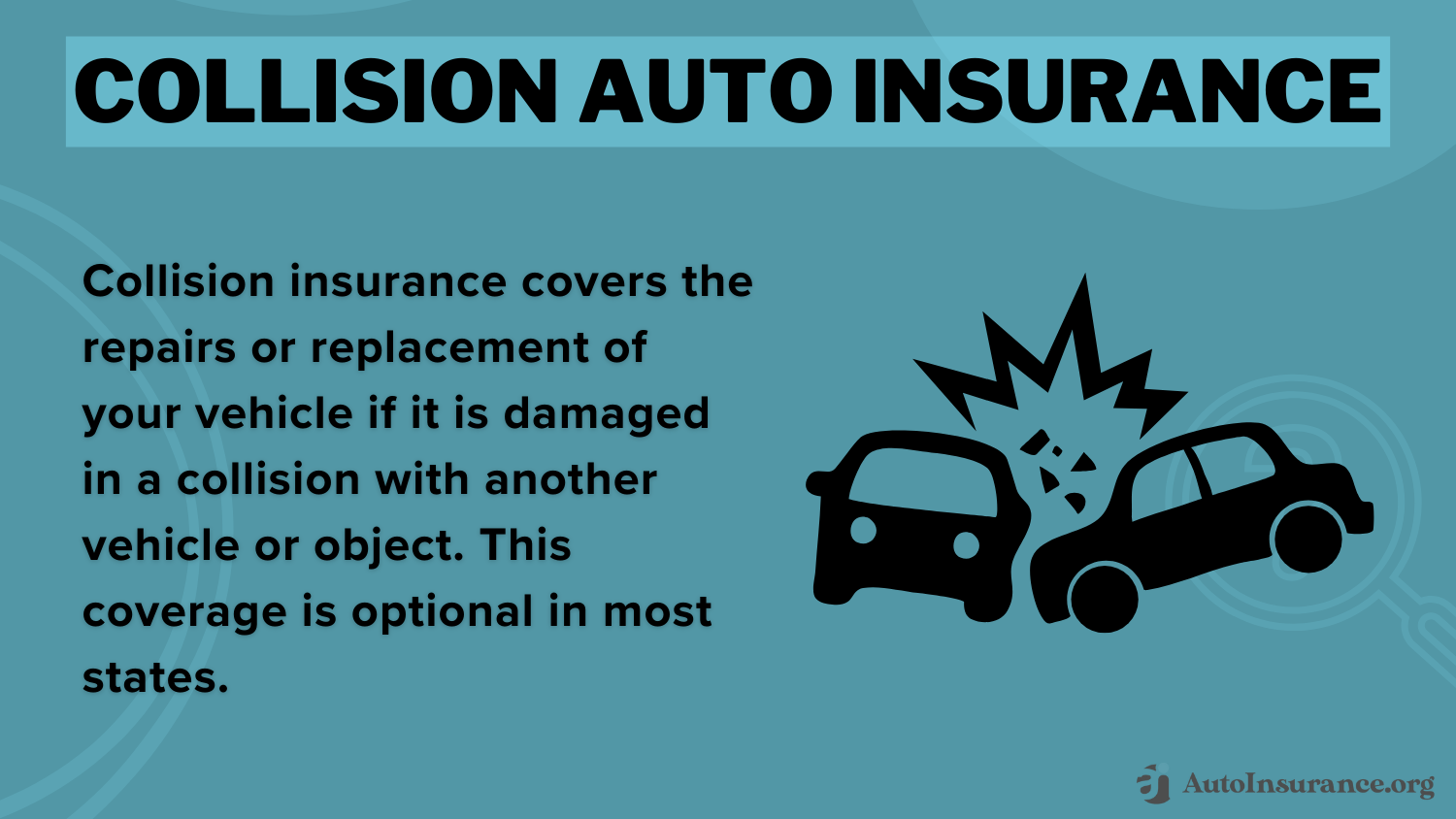
Auto insurance collision coverage pays to repair or replace your vehicle if it is damaged in a collision with another car or object, such as a fence, tree, or building, regardless of who is at fault. While state laws typically only mandate liability insurance, lenders and leasing companies almost universally require collision coverage until your vehicle is completely paid off, making a structured assessment of your policy terms essential for proper financial protection.
Contents
Navigating the complexities of auto insurance can feel overwhelming, particularly when trying to balance mandatory legal minimums with the financial security of comprehensive protection. Whether you are financing a brand-new vehicle, evaluating your current policy during an annual review, or trying to determine if you still need collision coverage on an older car, understanding the core requirements is vital. This practical checklist is designed to help vehicle owners systematically analyze, verify, and optimize their collision coverage requirements to avoid coverage gaps and unnecessary expenses.
Understanding the Fundamentals of Collision Coverage
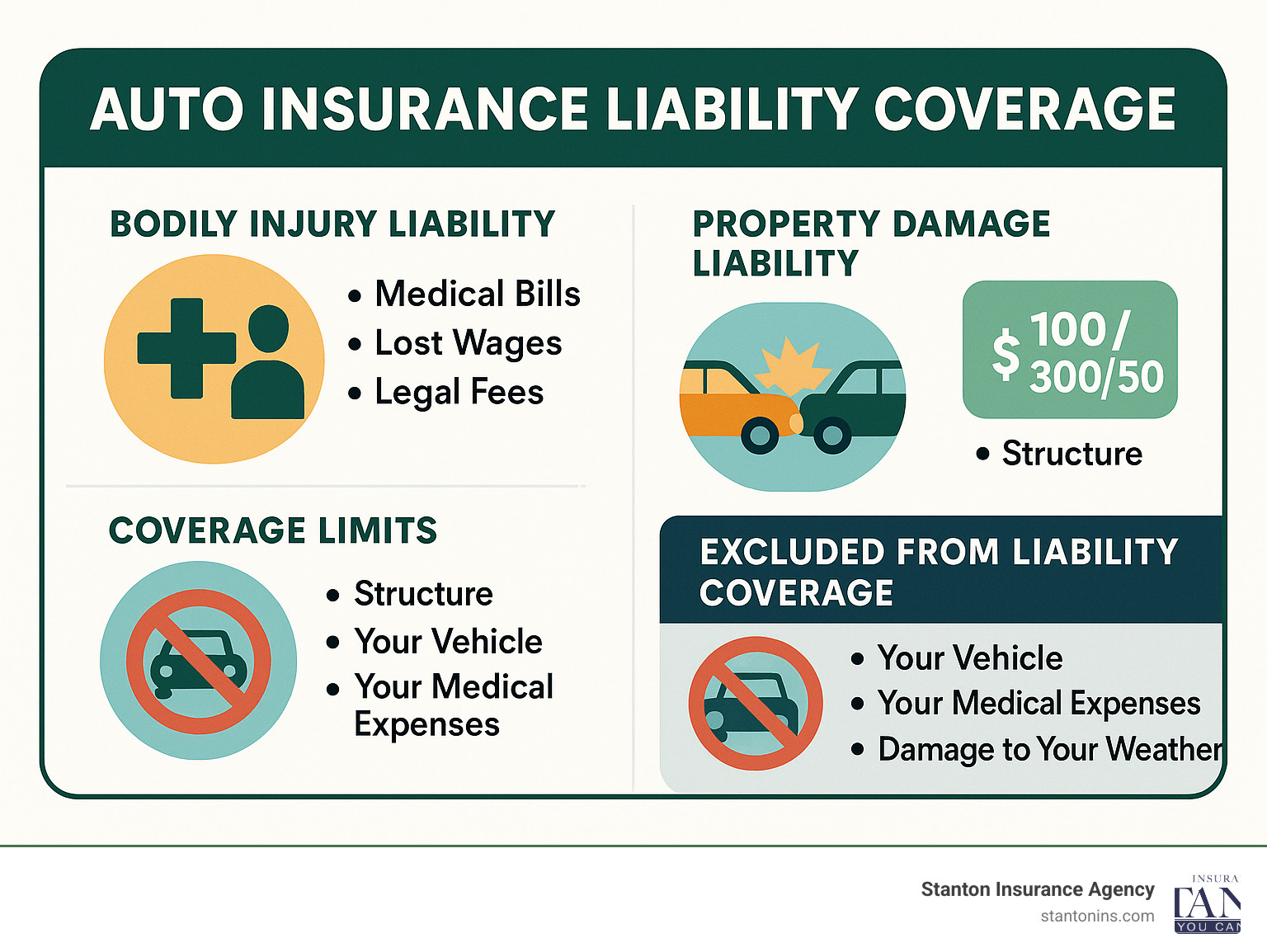
To evaluate your collision coverage requirements accurately, you must first understand what this specific policy component entails and how it differs from other types of auto insurance. Collision coverage is an optional add-on from a legal standpoint in most jurisdictions, meaning state governments do not force you to carry it to drive legally on public roads. However, it is fundamentally different from liability insurance, which covers damage and injuries you cause to other people and their property.
Collision coverage focuses exclusively on your own vehicle. If you slide on an icy patch and hit a guardrail, back into a concrete pillar in a parking garage, or get T-boned by another driver who runs a red light, collision coverage steps in to pay for your repairs. It operates independently of fault determinations. Even if you cause an accident, your collision coverage applies—minus your deductible. If another driver causes the accident, your insurer may pay for your repairs and then pursue the at-fault driver’s insurance company through a process called subrogation to recover costs and potentially refund your deductible.
Collision Versus Comprehensive Coverage
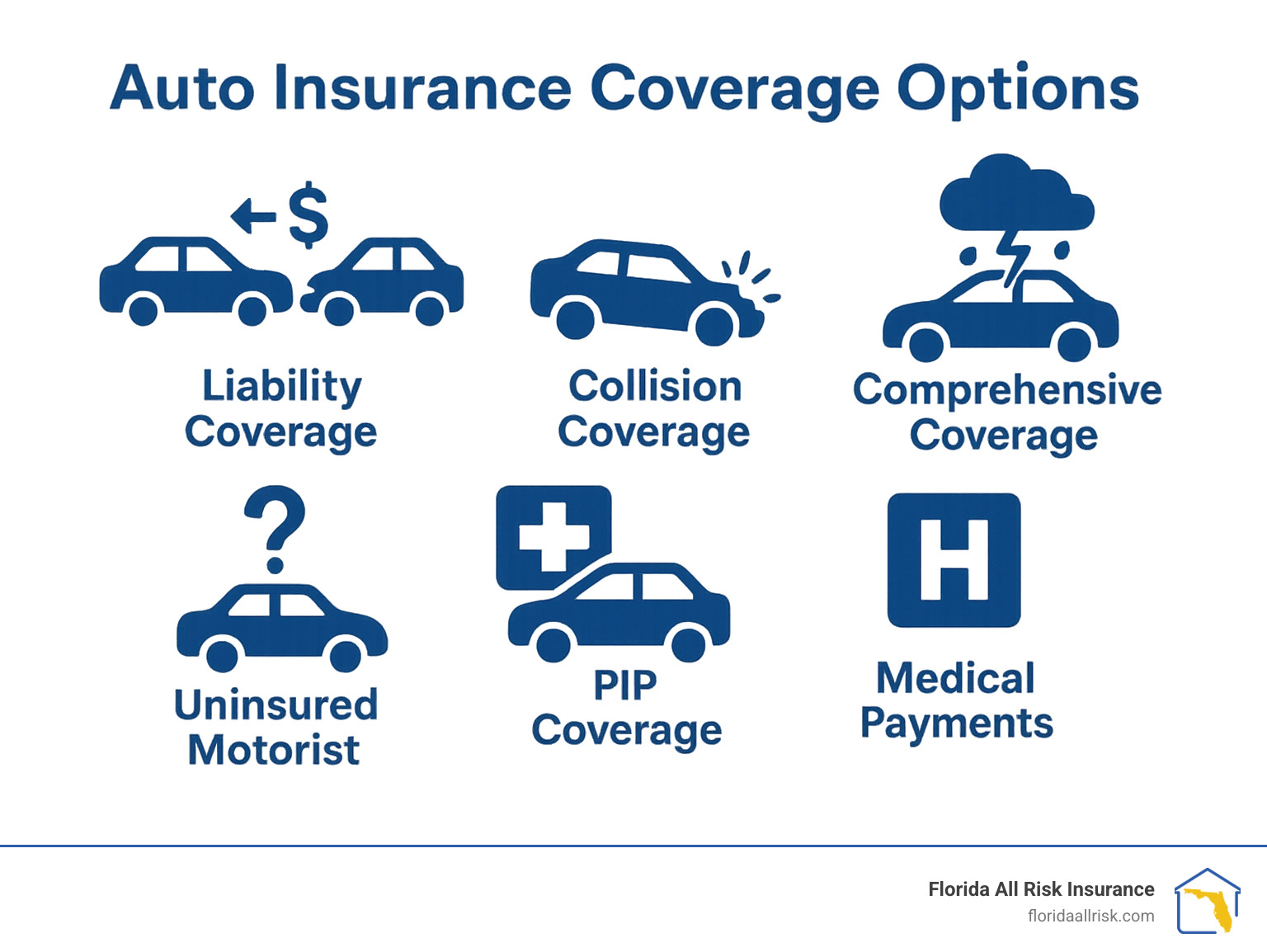
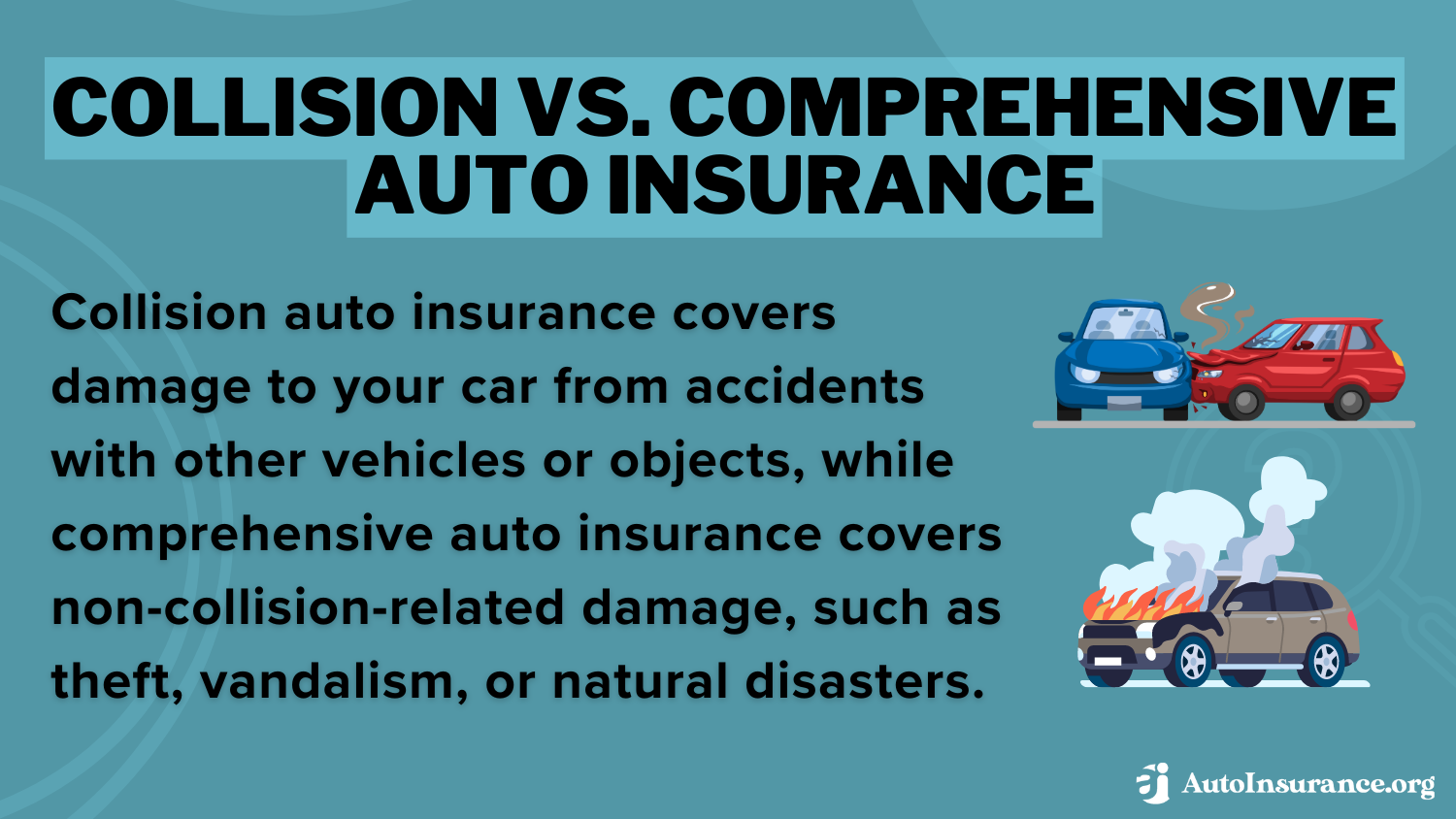
Drivers frequently confuse collision coverage with comprehensive coverage, yet they protect against distinct sets of risks. While collision handles impacts with vehicles and stationary objects, comprehensive coverage protects your car from non-collision events. These include theft, vandalism, fire, hitting an animal (such as a deer), windshield damage from flying gravel, and weather-related disasters like floods, hail, or falling tree branches. Lenders typically require both collision and comprehensive coverage bundled together as a condition of financing.
When Collision Coverage Is Legally or Contractually Required
Before deciding whether to drop or modify your collision coverage, you must determine whether external agreements obligate you to maintain it. While state departments of motor vehicles do not enforce collision requirements, private contracts carry strict enforcement mechanisms.
Financing and Leasing Mandates
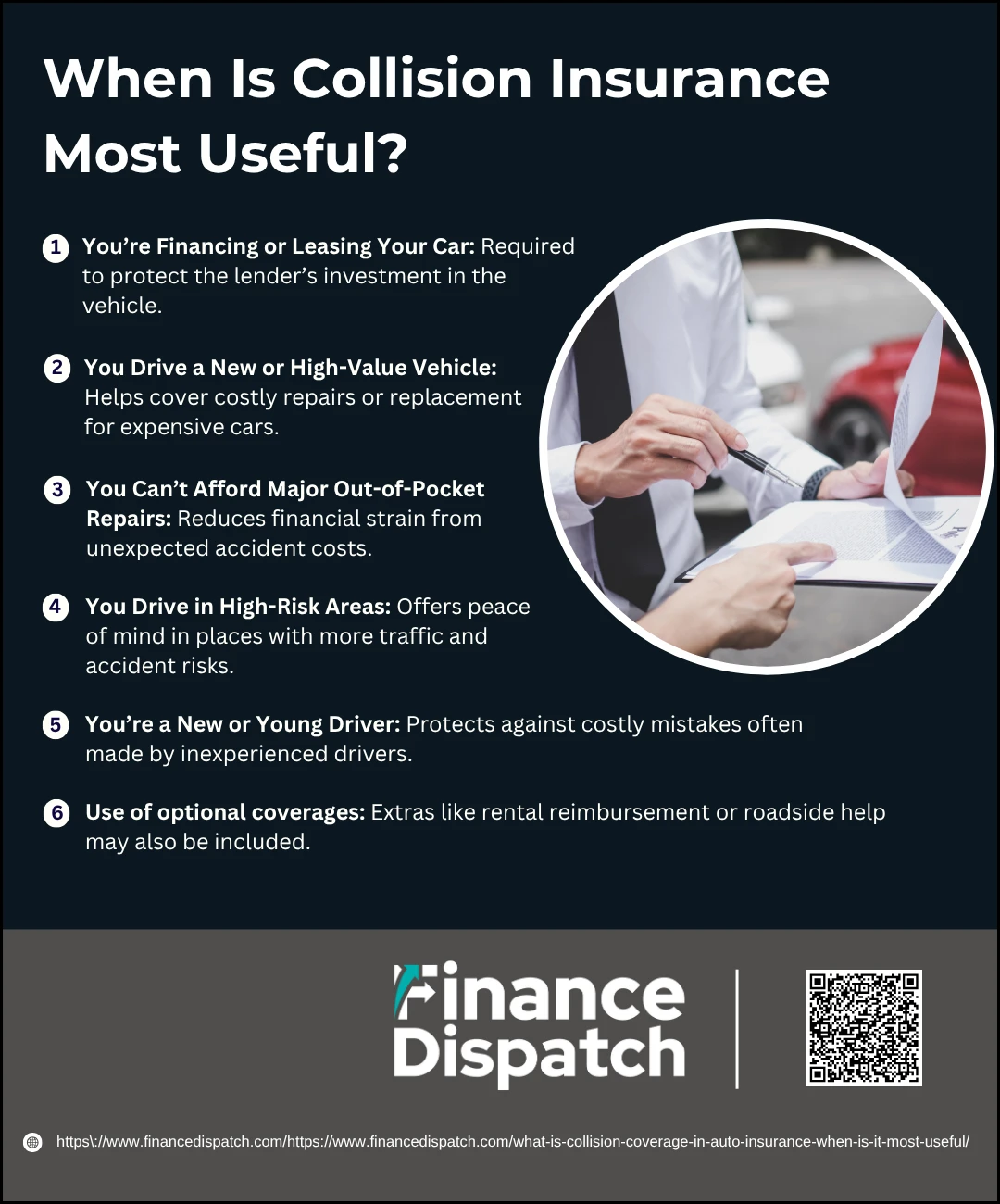
If you purchased your vehicle with an auto loan or lease agreement, your contract almost certainly mandates collision and comprehensive coverage. Financial institutions require this to protect their financial stake in the asset. If you total a financed car without collision coverage, you remain responsible for the remaining loan balance despite having a wrecked vehicle. Lenders protect against this risk by inserting clauses that permit them to purchase "force-placed" insurance—which is significantly more expensive and provides fewer benefits—if you fail to maintain your own policy.
State Minimums and Out-of-State Travel
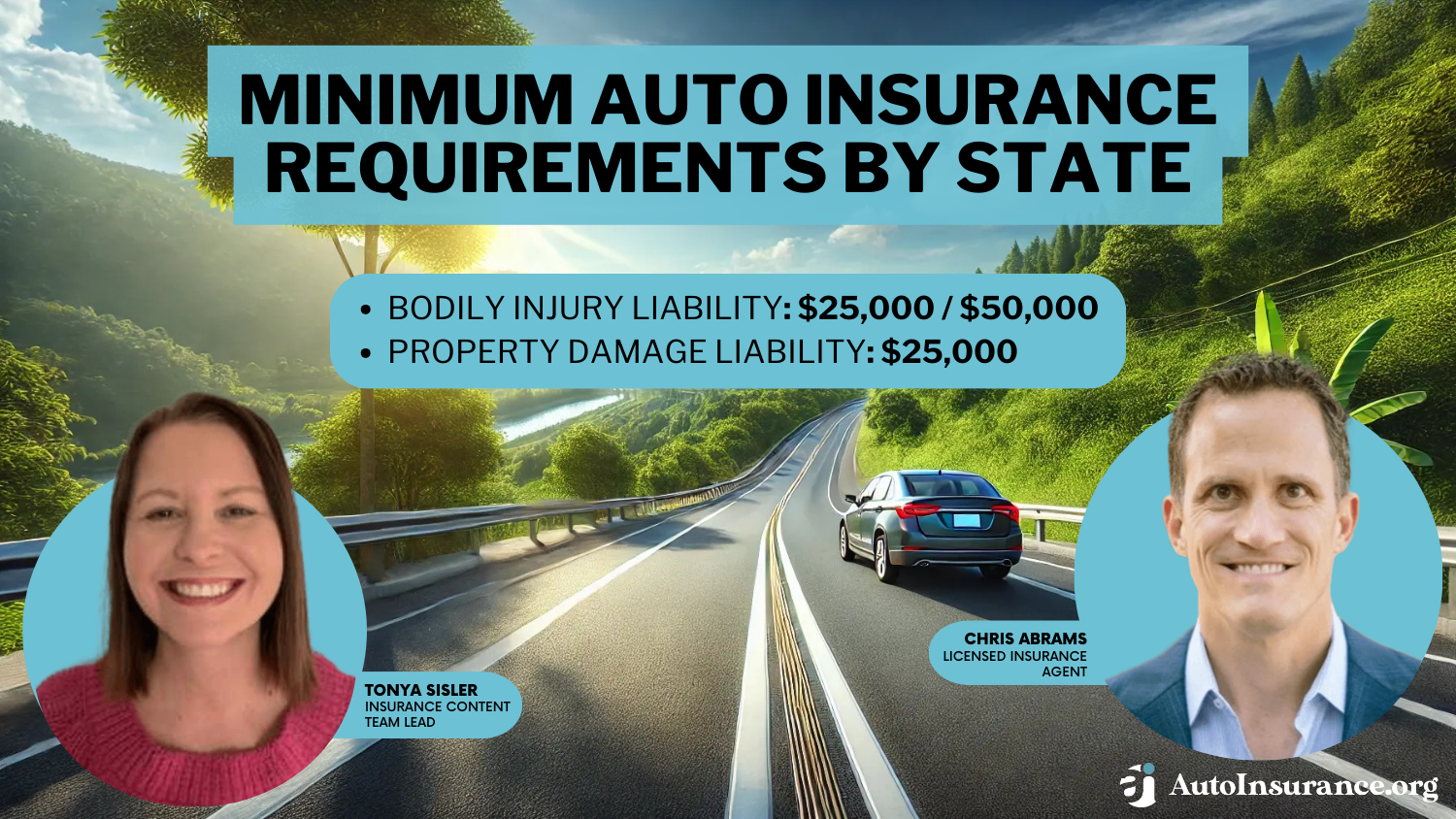
State insurance commissioners regulate liability minimums, but they do not dictate collision limits. Your state will specify the minimum bodily injury and property damage liability limits you must carry. If your car is fully paid off and you choose to forgo collision coverage, you are legally permitted to drive. However, remember that driving across state lines subjects you to your home state's insurance regulations regarding minimum limits, not the state you are visiting.
Practical Checklist for Evaluating Collision Coverage
Evaluating your auto insurance needs requires a methodical approach. Use the following structured checklist to review your current standing, financial exposure, and policy parameters.
| Checklist Step | Key Consideration | Action Item |
|---|---|---|
| 1. Ownership Status | Is the vehicle fully paid off, financed, or leased? | Review loan or lease documents to confirm if collision coverage is contractually mandatory. |
| 2. Vehicle Valuation | What is the current market value (Actual Cash Value) of your car? | Check valuation tools like Kelley Blue Book or Edmunds to determine your car's worth. |
| 3. Premium vs. Value Ratio | Do your annual collision premiums exceed 10% of the car's value? | Calculate your yearly cost and compare it against the maximum payout potential. |
| 4. Deductible Assessment | Can you comfortably pay your out-of-pocket deductible in an emergency? | Adjust your deductible (e.g., from $500 to $1,000) to balance premium costs with risk tolerance. |
| 5. Savings Buffer | Do you have liquid savings to replace the vehicle if it is totaled? | Evaluate your emergency fund before dropping coverage on an older vehicle. |
Step 1: Verify Ownership and Lienholder Requirements
Confirm the exact status of your vehicle title. If a bank, credit union, or captive finance company holds the lien, you must keep them listed as a loss payee on your insurance declarations page. Contact your lender directly if you are unsure whether your loan agreement specifies particular deductible maximums (many lenders require deductibles of $1,000 or less).
Step 2: Calculate Actual Cash Value (ACV)
Insurance companies do not pay what you paid for the car or what it would cost to buy a brand-new equivalent; they pay the Actual Cash Value at the time of the loss, factoring in depreciation, mileage, and condition. If your car has an ACV of $3,500, but your annual collision premium plus a $500 deductible totals $1,200, carrying that coverage provides diminishing financial returns.
Step 3: Assess Your Financial Risk Tolerance
Evaluate your personal cash flow and savings. If your car is worth $5,000 and you drop collision coverage to save on premiums, ask yourself how you would replace transportation if the vehicle were totaled tomorrow. If losing that vehicle would destabilize your employment or finances, maintaining collision coverage—even on an older car—acts as necessary risk management.
Strategic Adjustments: Deductibles and Limits
Managing the cost of collision coverage without sacrificing essential protection often comes down to adjusting your deductible—the amount you pay out of pocket before insurance kicks in.
Higher deductibles substantially lower your monthly or semi-annual insurance premiums. For example, increasing your deductible from $250 to $500, or from $500 to $1,000, can reduce your collision premium by 15% to 30%. However, you must ensure you have that cash readily available in a savings account. If a higher deductible would force you to put car repairs on a high-interest credit card, the short-term premium savings may backfire.
The "10% Rule" Guideline for Dropping Coverage
A standard industry guideline for older vehicles is the 10% rule. If the annual cost of comprehensive and collision coverage exceeds 10% of the vehicle's Actual Cash Value, dropping physical damage coverage may make financial sense. For instance, if your car is worth $3,000 and your collision coverage costs $400 annually, you are paying over 13% of the car's value every year just for the physical damage portion of your policy. Over a few years, you would pay more in premiums than the insurer would ever payout for a total loss.
Frequently Asked Questions
Does collision coverage pay for mechanical breakdowns?
No, collision coverage exclusively applies to external physical damage resulting from an impact with another vehicle or object. Mechanical failures, engine seizures, transmission breakdowns, and normal wear and tear are excluded from collision policies. You would need a mechanical breakdown insurance policy or an extended warranty to cover those occurrences.
Will my insurance rates go up if I file a collision claim?
Filing a collision claim can increase your insurance premiums, particularly if you are found at fault for the accident. Insurers evaluate your risk profile upon renewal. However, many carriers offer accident forgiveness programs for first-time offenders or drivers with clean historical records, which prevent rate spikes after a single incident.
What happens if the other driver is at fault and uninsured?
If an uninsured driver hits your car, your collision coverage can pay to repair your vehicle, subject to your deductible. Alternatively, many policies offer uninsured motorist property damage (UMPD) coverage, which may have a lower deductible or keep your rates from rising in states where it is specifically regulated. Review your policy declarations page to see how your state handles uninsured driver scenarios.
Can I add or drop collision coverage at any time during my policy term?
Yes, you can typically modify your coverage levels at any point during an active policy term by contacting your insurance agent or carrier. However, if your car is financed, you must provide proof of continuous coverage to your lender. Dropping coverage without notifying a lienholder violates your loan contract and prompts the lender to force-place insurance on your behalf.
How do I prove the value of my car if it is totaled?
If your car is totaled, the insurance adjuster calculates its ACV using localized market data, including recent sales of identical makes, models, years, and mileages in your zip code. If you believe their valuation is too low, you can gather independent evidence—such as local dealership listings for comparable vehicles or receipts for recent major aftermarket upgrades—to negotiate a higher payout.
Next Actions for Policyholders
Begin your review by pulling your current insurance declarations page and checking your vehicle title or loan status. Verify that your deductibles align with your current savings buffer, and run a quick market valuation check if you drive an older vehicle. If your premiums outpace your car's value and you have no active loan, contact your insurer to model updated rates without collision coverage. Maintaining an active, informed dialogue with your insurance provider ensures your coverage accurately reflects your current financial reality.
Image Gallery