What Makes Virginia Theological Seminary Unique? Key Features, History, and Programs
Virginia Theological Seminary (VTS)—formally known as the Protestant Episcopal Theological Seminary in Virginia—is unique as the largest accredited Episcopal seminary in the United States. Located in Alexandria, Virginia, VTS stands ou...
Virginia Theological Seminary (VTS)—formally known as the Protestant Episcopal Theological Seminary in Virginia—is unique as the largest accredited Episcopal seminary in the United States. Located in Alexandria, Virginia, VTS stands out for its groundbreaking historic reparations initiative, fully funded residential degree programs, expansive global Anglican Communion partnerships, and immediate proximity to Washington, D.C.
Contents
Founded in 1823, VTS has shaped Christian leaders, bishops, scholars, and parish clergy for more than two centuries. While many theological institutions face declining enrollments or downsizing, VTS maintains a robust residential community, an exceptional financial endowment, and an expansive curriculum spanning traditional parish ministry, public theology, and global mission.
1. Groundbreaking Institutional Reparations Program
One of the most distinctive features of Virginia Theological Seminary in modern higher education is its explicit, operational commitment to reparations. In 2019, the seminary's Board of Trustees voted to create a historic $1.7 million endowment fund dedicated to identifying and providing financial reparations to the descendants of enslaved and coerced Black laborers who worked on the campus during slavery and the Jim Crow era.
Unlike institutions that limited their response to historical reports or public apologies, VTS initiated direct financial disbursements to descendant families starting in 2021. The program operates with dedicated staff research, direct community engagement, and ongoing genealogical verification.
Key structural aspects of the VTS reparations model include:
- Direct Cash Disbursements: Providing recurring financial compensation directly to verified descendants of enslaved individuals who labored on campus grounds.
- Local Community Investment: Funding programs and initiatives that support Black-led community development, educational access, and historic preservation in the Northern Virginia area.
- Institutional Transparency: Maintaining an open archive of historical property records, payroll journals, and institutional ledgers from the 19th and early 20th centuries.
This proactive approach has made VTS a national benchmark for how religious and educational institutions address historical ties to slavery and racial injustice.
2. Unmatched Financial Resources and Student Support
The financial health of Virginia Theological Seminary allows it to offer tuition assistance and residential support that few theological schools in North America can replicate. Thanks to a substantial institutional endowment, VTS actively removes financial barriers for students discerning a call to ordained or lay ministry.
Full-Tuition Grants and Housing Assistance
For eligible full-time residential students enrolled in the Master of Divinity (M.Div.) program, VTS provides financial aid packages that cover 100% of tuition costs. In addition to full tuition coverage, residential students frequently receive housing subsidies, health insurance support, and campus dining allowances.
Eliminating Educational Debt for Ministry
A major crisis in modern church leadership is theological student debt, which often prevents graduates from accepting calls to small rural parishes, chaplaincies, or non-profit ministries. By prioritizing institutional aid, VTS ensures that graduates enter full-time ministry without the burden of severe educational debt.
3. The Historic Alexandria Campus and Washington, D.C. Proximity
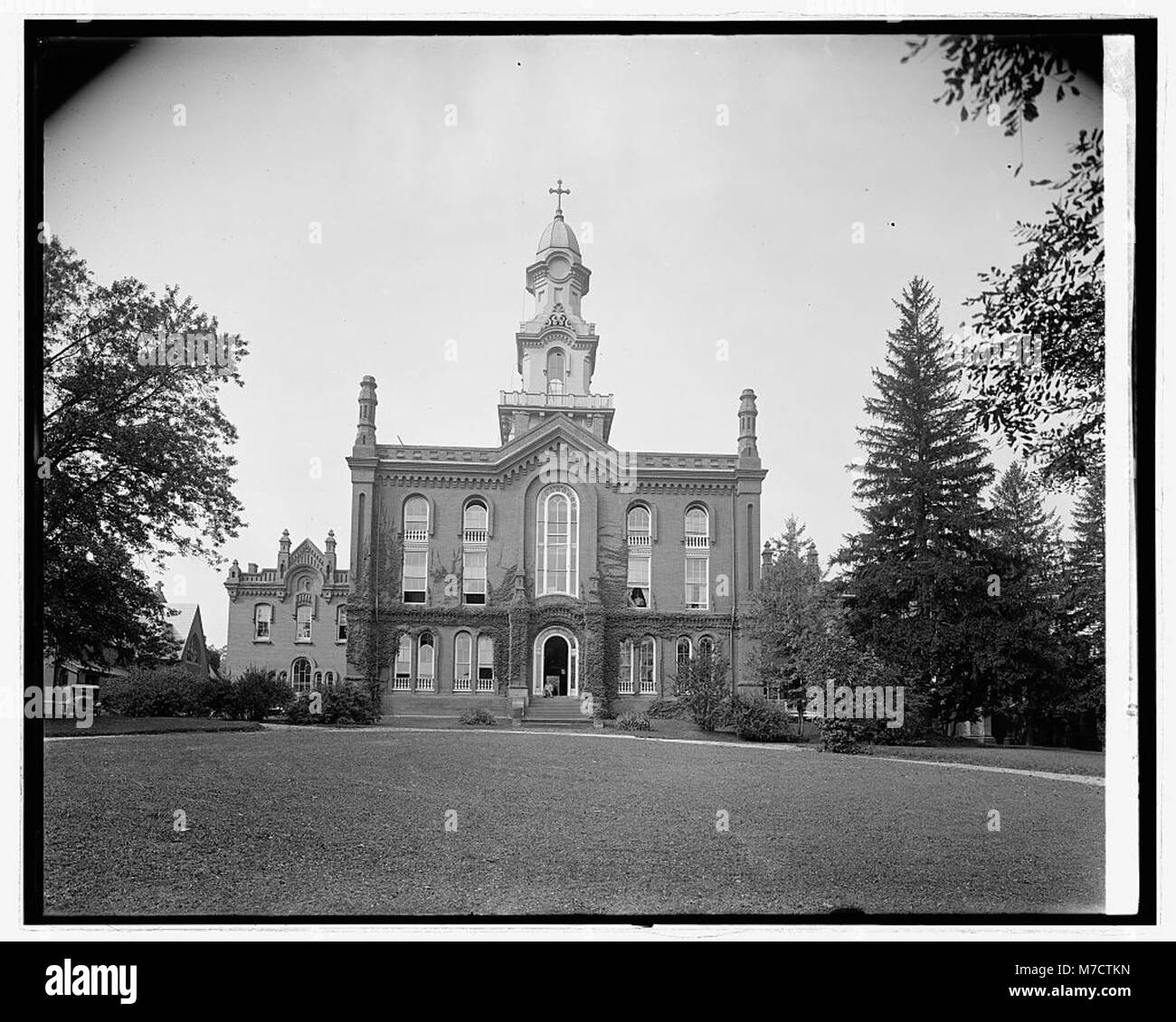
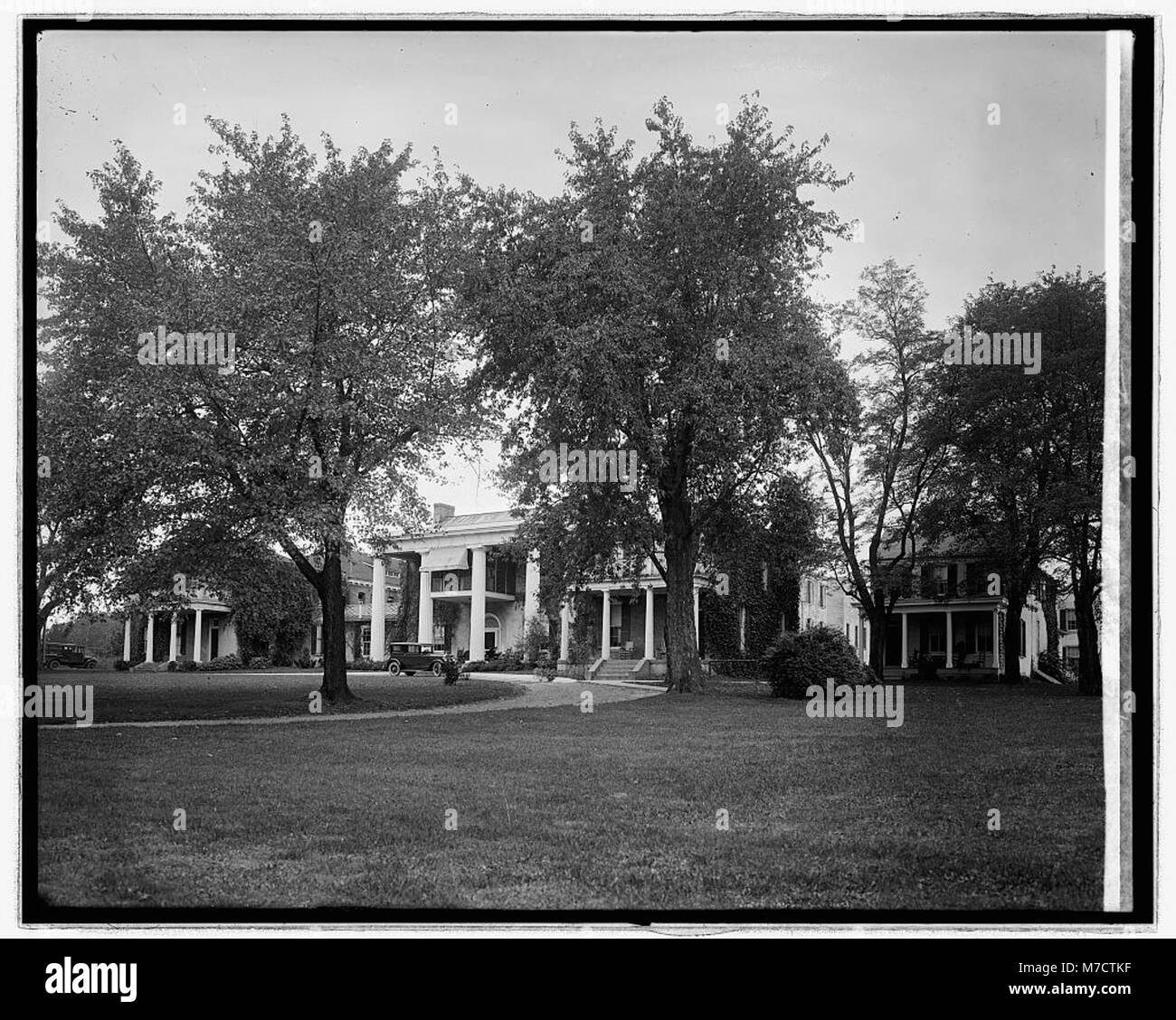
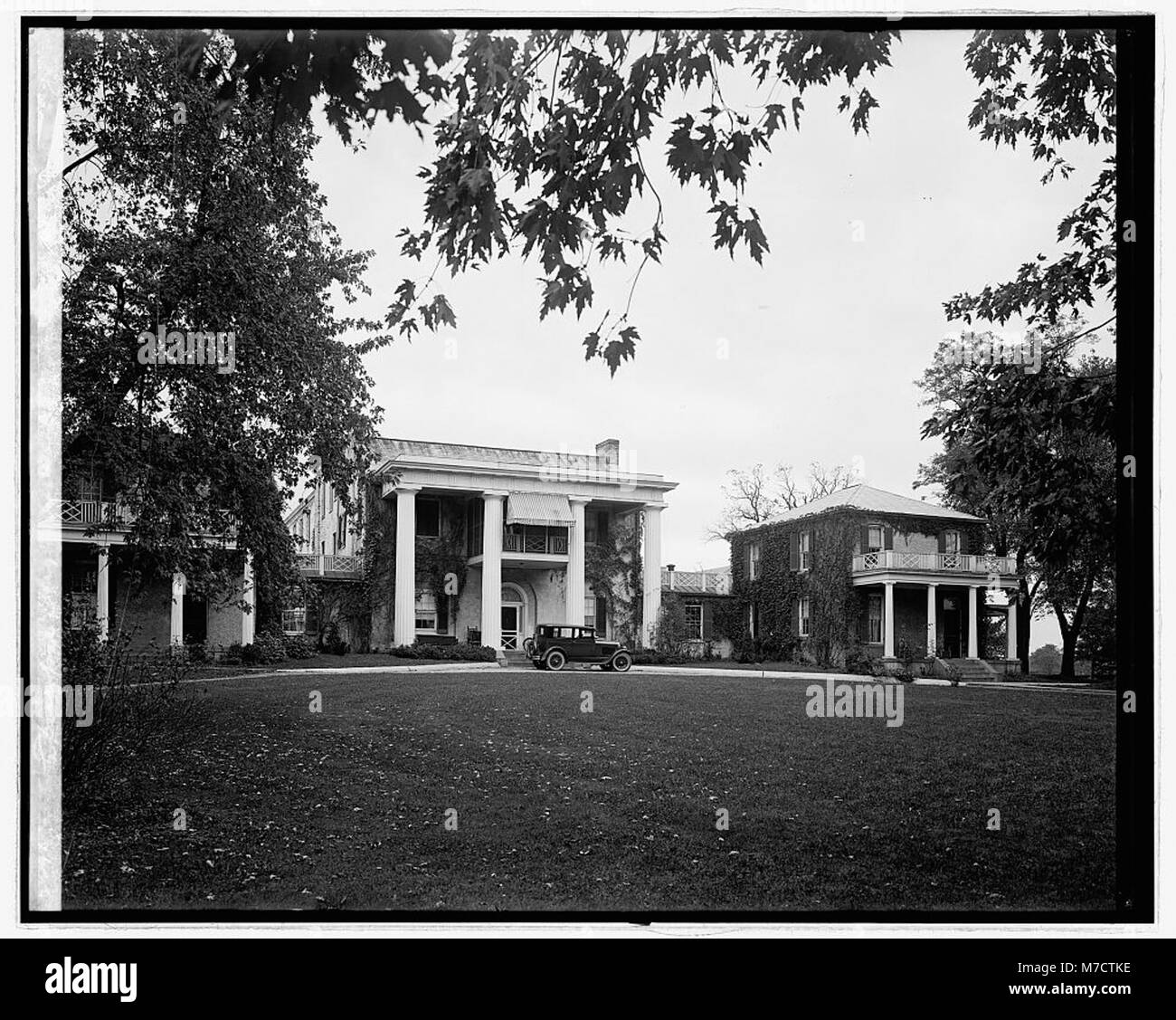
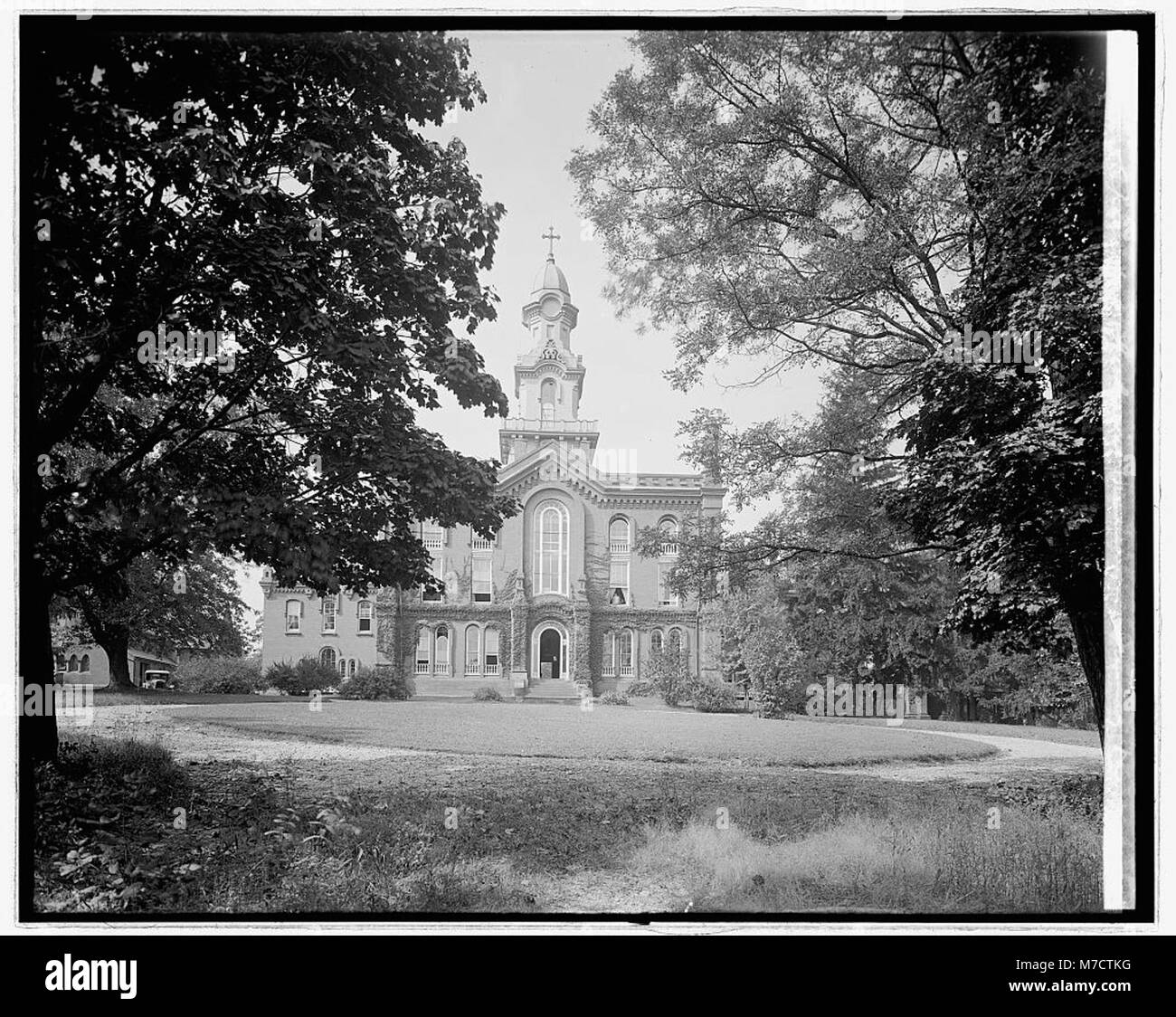
Situated on an 80-acre campus atop Seminary Hill in Alexandria, Virginia, VTS offers an ideal balance of retreat-like residential life and immediate access to the political and diplomatic center of the United States.
- Alexandria Campus: Seminary Hill
- Quiet Academic Retreat
- Daily Chapel & Worship
- Residential Housing
- Historic Archives
- Public Ministry Access
- U.S. Capitol & Policy Centers
- Military Chaplaincies
- Non-Profit Headquarters
- Quiet Academic Retreat
Access to Public Theology and Advocacy
Located just miles from Washington, D.C., VTS students engage in field education across a diverse array of settings. Students can participate in public advocacy on Capitol Hill, serve in urban parish ministries, intern with international relief agencies, or work alongside military and hospital chaplains.
Immanuel Chapel
Following a devastating fire in 2010 that destroyed the historic 1881 1839-built campus chapel, VTS commissioned renowned architect Robert A.M. Stern to design the new Immanuel Chapel, dedicated in 2015. The chapel serves as a focal point for daily common prayer, musical performance, and liturgical innovation, reflecting both historical Anglican architectural traditions and contemporary liturgical design.
4. Academic Programs and Accreditation
Virginia Theological Seminary is accredited by the Commission on Accrediting of the Association of Theological Schools (ATS) and offers several graduate-level degree programs designed for diverse vocational paths.
Master of Divinity (M.Div.)
The M.Div. remains the flagship three-year residential program designed primarily for individuals seeking holy orders in The Episcopal Church or allied Anglican and ecumenical traditions. The curriculum integrates traditional biblical languages (Hebrew and Greek), church history, systematic theology, ethics, homiletics, and practical field education.
Master of Arts (M.A.)
The M.A. degree offers specialized academic concentrations for lay leaders, educators, and scholars. Concentrations include:
- Religion and Culture: Focusing on ethics, public theology, and interfaith engagement.
- Christian Formation: Preparing educators, youth ministers, and administrative leaders for parish and diocesan roles.
- Biblical or Theological Studies: Designed for students preparing for doctoral research or teaching careers.
Doctor of Ministry (D.Min.)
VTS offers advanced professional doctoral programs tailored for mid-career clergy and ministry executives. D.Min. tracks focus on areas such as Educational Leadership, Christian Spirituality, Ministry in Educational Leadership, and Preaching.
Certificate in Anglican Studies
Designed for students who hold an M.Div. from a non-Episcopal seminary, this one-year diploma provides the specialized training in Anglican church history, liturgy, canon law, and theology required for ordination in The Episcopal Church.
5. Global Anglican Reach and Lifelong Learning
While rooted in Virginia, VTS maintains an international perspective through its dedicated centers and global network.
- VTS Institutional Ecosystem
- Center for Anglican Communion Studies
- International Scholars
- Cross-Cultural Travel
- Lifelong Learning
- Christian Formation
- Digital Resources
- Lay Leadership Certs
- Deep Episcopal Historical Archives
- 19th Century Records
- Rare Manuscripts
- Center for Anglican Communion Studies
Center for Anglican Communion Studies (CACS)
The Center for Anglican Communion Studies fosters international dialogue, hosting visiting scholars, bishops, and theologians from across the global Anglican Communion. CACS arranges cross-cultural student immersions in Africa, Asia, Latin America, and Europe, equipping leaders to navigate global Christian diversity.
Lifelong Learning & Resource Centers
VTS hosts one of the largest lifelong learning centers in theological education. Through digital resource hubs, workshops, and certificate programs, the seminary serves thousands of parish leaders, Sunday school teachers, and youth ministers across North America who are not enrolled in formal degree programs.
Institutional Comparison: VTS vs. Peer Seminaries
To understand what makes VTS distinct, it is helpful to compare it with other leading Episcopal and mainline Protestant theological institutions across key operational and academic metrics:
| Institution | Primary Location | Primary Affiliation | Financial Model / Tuition Aid | Notable Specialty |
|---|---|---|---|---|
| Virginia Theological Seminary (VTS) | Alexandria, VA | The Episcopal Church | Full residential tuition aid packages for qualified M.Div. candidates | Historic Reparations Fund, Global Anglican Center, D.C. proximity |
| School of Theology (University of the South) | Sewanee, TN | The Episcopal Church | Generous institutional aid and university-integrated housing | Rural and small-church ministry, environmental theology |
| Bexley Seabury Seminary | Chicago, IL | The Episcopal Church | Hybrid / low-residency tuition model | Low-residency education, community organizing, lay leadership |
| Duke Divinity School | Durham, NC | United Methodist Church (Ecumenical) | Competitive merit and need-based scholarships | University research environment, Wesleyan studies, public theology |
| Yale Divinity School | New Haven, CT | Ecumenical (Episcopal Divinity School at Yale) | Need-based financial aid covering full tuition for eligible students | Ivy League research facilities, Anglican studies track via EDS |
Practical Discernment and Application Steps for Prospective Students
For individuals considering theological study at Virginia Theological Seminary, the admissions process requires both academic preparation and ecclesiastical discernment.
Step 1: Ecclesiastical Discernment
Applicants seeking ordained ministry in The Episcopal Church should begin by contacting their local parish rector and diocesan Commission on Ministry. VTS requires applicants to be in an official discernment process (such as Nominee or Postulant status) with their bishop, though lay students applying for M.A. programs bypass diocesan sponsorship.
Step 2: Academic Prerequisites
Applicants must hold a bachelor's degree from an accredited college or university. Admissions committees evaluate:
- Academic Transcripts: Demonstrating solid undergraduate preparation in the humanities, social sciences, or biblical studies.
- Personal Essay: Outlining personal faith journey, vocational goals, and reasons for pursuing study at VTS.
- Letters of Recommendation: Including academic, professional, and pastoral references.
- Background Check: Required for all residential applicants as part of safe church policies.
Step 3: Campus Visit and Financial Aid Coordination
Prospective students should attend an open house or schedule an individual campus visit in Alexandria. During the visit, applicants meet with admissions officers to review financial aid eligibility, housing arrangements, and field education options. Detailed admissions criteria and deadlines are available directly through the official Virginia Theological Seminary Portal.
Frequently Asked Questions
Is Virginia Theological Seminary open only to Episcopal students?
While VTS is an official seminary of The Episcopal Church, it welcomes ecumenical students from across Protestant, Anglican, and orthodox traditions. Non-Episcopal students often enroll in Master of Arts, Doctor of Ministry, or specialized certificate programs.
Where is Virginia Theological Seminary located?
VTS is located at 3737 Seminary Road in Alexandria, Virginia, approximately six miles south of downtown Washington, D.C., and minutes from Ronald Reagan Washington National Airport (DCA).
How does VTS fund its tuition-free M.Div. packages?
VTS relies on a healthy financial endowment built over two centuries, alongside donations from alumni, parishes, and charitable foundations. This financial stewardship allows the seminary to allocate significant resources toward student financial aid and campus housing.
What is the difference between VTS and Episcopal Divinity School?
Virginia Theological Seminary is an independent, accredited residential seminary in Alexandria, Virginia. Episcopal Divinity School (EDS) was historically located in Cambridge, Massachusetts, later affiliated with Union Theological Seminary in New York, and now operates in collaboration with Yale Divinity School in New Haven, Connecticut.
Does VTS offer online or low-residency degrees?
VTS primarily emphasizes a residential community experience for its M.Div. and M.A. degrees to foster liturgical and communal spiritual formation. However, certain Doctor of Ministry tracks, lifelong learning certificates, and continuing education courses use hybrid and low-residency learning formats.
Next Steps for Applicants and Researchers
If you are exploring theological education or researching seminary programs:
- Review Diocesan Guidelines: If discerning ordination, consult your diocese to verify seminary requirements and sponsorship timelines.
- Schedule a Campus Visit: Contact the VTS Admissions Office to attend an upcoming prospective student visitor day or virtual information session.
- Audit Lifelong Learning Classes: Explore non-degree workshops and open resources offered by the VTS Center for Lifelong Learning to experience the seminary's instruction quality firsthand.
Image Gallery