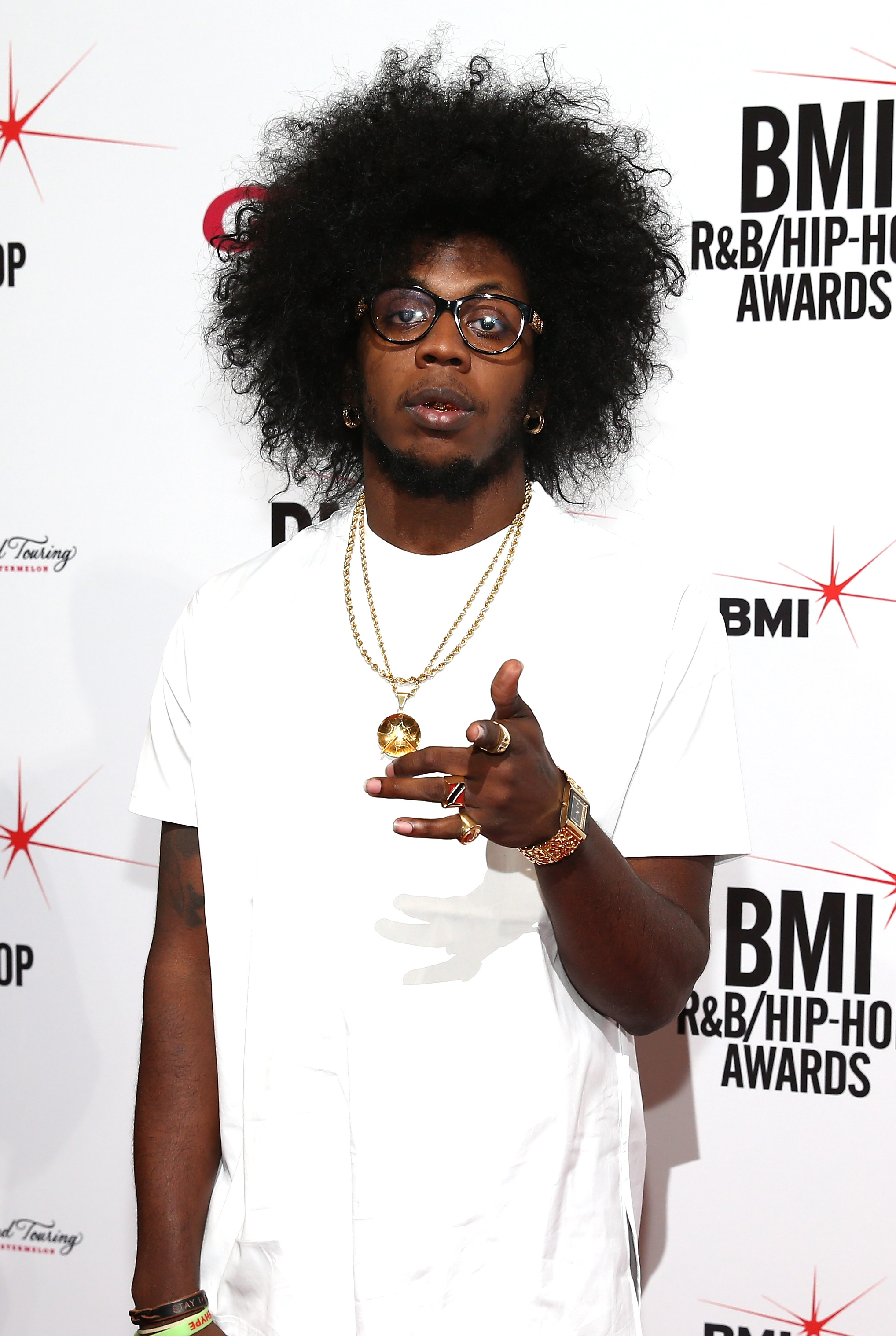
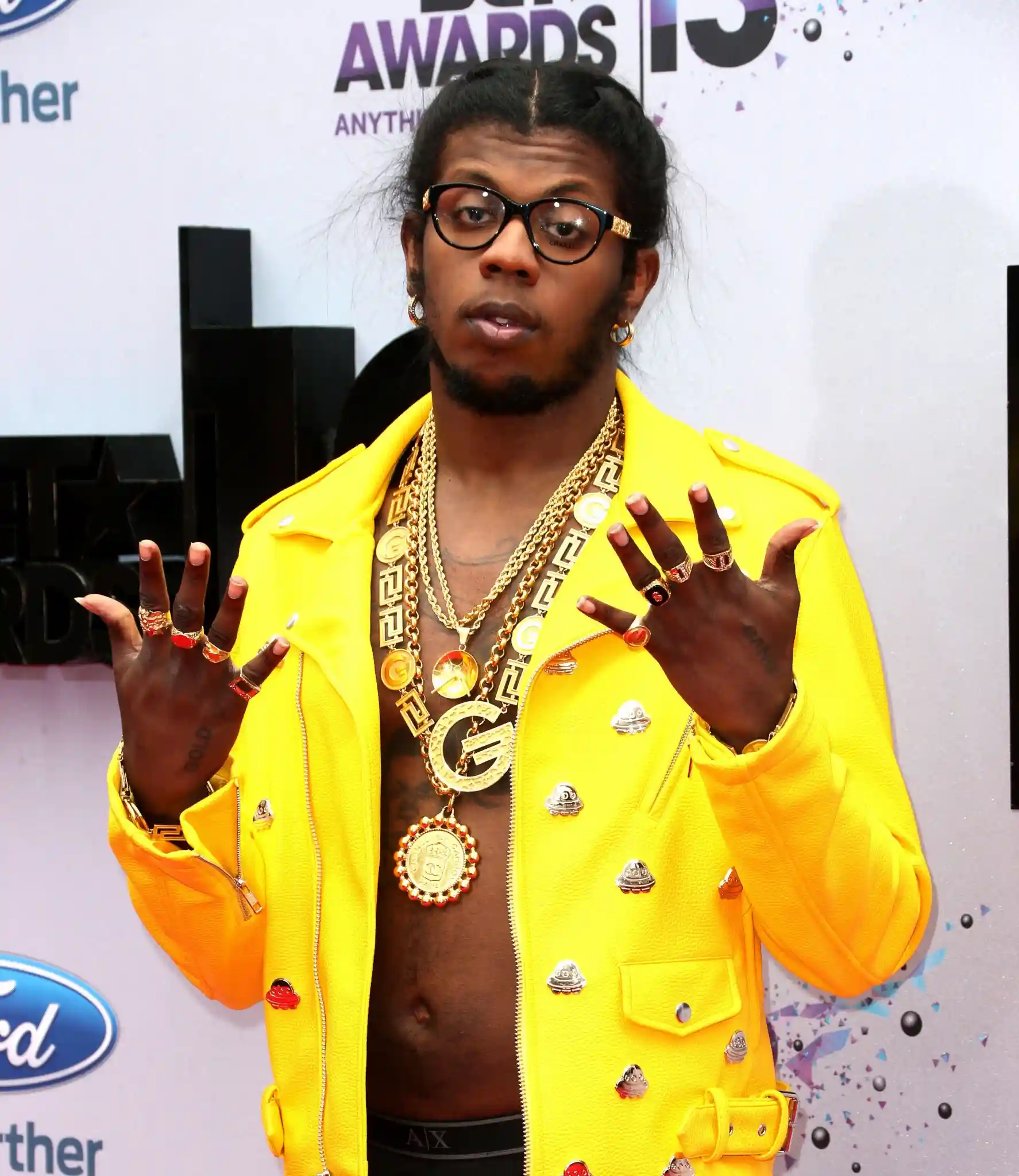
Trinidad James Net Worth in Context: Record Deals, Royalties, and Revenue Streams
Trinidad James has an estimated net worth of approximately $2 million to $4 million. Evaluating his financial trajectory requires looking beyond initial headline-grabbing record contracts. His financial story illustrates how viral rap...
Trinidad James has an estimated net worth of approximately $2 million to $4 million. Evaluating his financial trajectory requires looking beyond initial headline-grabbing record contracts. His financial story illustrates how viral rap success, major label deal structures, publishing catalog royalties—most notably from Mark Ronson and Bruno Mars' hit "Uptown Funk"—and multi-platform media ventures combine to create long-term wealth in modern hip-hop.
Contents
Understanding the $2 Million Def Jam Contract
When Trinidad James (born Nicholas Williams) broke into the mainstream in late 2012 with his viral hit "All Gold Everything," major record labels rushed to sign the Atlanta-based artist. Within months of the song's independent release, he secured a high-profile record deal with Def Jam Recordings, widely reported to be worth $2 million.
To understand Trinidad James' net worth in context, one must understand how major label contracts operate. A multi-million-dollar deal is rarely a lump-sum payout deposited directly into an artist's personal bank account.
Gross Label Advance ($2M Reported)
- Taxes & Executive Deductions (30%–40%)
- Legal & Managerial Commissions (15%–20%)
- Unrecouped Video & Studio Budgets
- Net Artist Cash Distribution
Advances Are Recouped Loans: A record label advance functions as an interest-free loan paid against the artist's future earnings. The label retains 100% of revenue from master recordings until the entire advance, along with video production costs, tour support, and marketing expenses, is fully recouped.
Deductions and Operational Costs: From the nominal $2 million figure, substantial portions were allocated to recording budgets, executive talent acquisition, video production, legal fees, and management commissions.
Tax Liabilities: Artist advances are treated as taxable income upon receipt, significantly reducing the net liquid capital available for personal investment.
When Def Jam dropped Trinidad James in August 2014 before he released a debut studio album, many industry observers assumed his financial momentum had halted. However, the structure of modern music monetization allowed him to turn an abrupt label departure into a sustainable independent business model.
The "Uptown Funk" Publishing Windfall
The most significant financial turning point in Trinidad James' career came not from an album sale, but from a songwriting credit resulting from an interpolation.
In 2014, Mark Ronson released the massive global hit "Uptown Funk" featuring Bruno Mars. The song prominently featured the cadence and iconic catchphrase "Don't believe me, just watch," directly derived from Trinidad James' "All Gold Everything."
- "All Gold Everything" (2012)
- Catchphrase: "Don't believe me, just watch"
- Interpolated into "Uptown Funk" (2014)
- Co-Writing Credit & Publishing Stake Granted
- Long-Term Global Performing Rights Royalties (BMI/ASCAP)
- Co-Writing Credit & Publishing Stake Granted
- Interpolated into "Uptown Funk" (2014)
- Catchphrase: "Don't believe me, just watch"
Rather than resulting in copyright litigation, the interpolation was formally credited. Trinidad James and his producer, Devon Gallaspy, were granted official songwriting credits on "Uptown Funk."
The Value of Music Publishing vs. Master Recordings
Music monetization is divided into two primary rights:
- Master Rights: Ownership of the actual audio recording, typically held or controlled by the record label during a major deal.
- Publishing Rights: Ownership of the underlying composition (lyrics, melody, and structure), which protects the songwriters and composers.
Because "Uptown Funk" became one of the best-selling digital singles of all time—achieving Diamond certification from the RIAA, billions of streams, and extensive commercial sync licensing—the publishing royalties generated for its songwriters were substantial. Industry analysts estimate that a tiny percentage stake in a global multi-platinum hit can generate tens of thousands of dollars annually in passive income through performance rights organizations (such as BMI and ASCAP), radio airplay, streaming platforms, and television syncs.
For Trinidad James, this publishing stake provided steady, long-term cash flow independent of traditional touring or label advances.
Diversified Business Ventures and Media Income
Following his major label transition, Trinidad James diversified his income across several cultural and media platforms. Rather than relying solely on music streaming metrics, he capitalized on his personal brand within the footwear and fashion subcultures.
- Trinidad James Portfolio
- Music & Publishing
- Independent Streaming Releases
- Performance Rights ("Uptown Funk")
- Feature Verses & Sync Licensing
- Media & Broadcasting
- Host on Complex's "Full Size Run"
- Television & Guest Appearances
- Apparel & Brand Partnerships
- Footwear Collaborations (e.g., Saucony)
- Goldgang Merchandise & Fashion Initiatives
- Music & Publishing
1. Media Hosting and Digital Content
Trinidad James translated his reputation as a prominent sneaker collector into a career as a digital media personality. Most notably, he co-hosted Complex Networks' flagship sneaker talk show, Full Size Run. Media hosting roles provide stable salary compensation, sponsorship revenue, and corporate backing, contrasting with the income volatility of independent music touring.
2. Sneaker Collaborations and Apparel
Capitalizing on his influence in streetwear fashion, James transitioned from consumer to corporate partner. He secured official footwear design collaborations, including limited-edition sneaker releases with established brands like Saucony. These partnerships offer direct licensing fees, royalty percentages per unit sold, and elevated equity status within sneaker culture.
3. Independent Releases and Feature Credits
Operating as an independent artist allows Trinidad James to retain a much higher percentage of streaming revenue compared to a standard major label agreement. Independent distribution platforms pay artists between 70% and 100% of master royalties, allowing even modest streaming numbers to generate viable profit margins without the requirement to clear massive label debt.
Trinidad James Financial Overview
To put his earning potential and financial sustainability into perspective, the following matrix breaks down his key revenue channels, industry deal structures, and operational mechanics.
| Income Stream | Revenue Structure | Recouped Status / Risk Level | Long-Term Wealth Impact |
|---|---|---|---|
| Def Jam Advance (2012) | Lump-sum recoupable advance ($2M reported) | Subject to label recoupment and production expenses | High short-term capital, low retained net profit |
| "Uptown Funk" Publishing | Songwriting interpolation credit (ASCAP/BMI) | Fully unencumbered passive royalty income | High permanent asset yield; ongoing global distribution |
| Independent Music (Post-2014) | Direct digital distribution (80%+ revenue share) | Low overhead; immediate payout profitability | Moderate steady cash flow; full master ownership |
| Media & Hosting (Full Size Run) | Contracted salary, host fees, platform sponsorships | Corporate guaranteed pay | Stable recurring income independent of music charts |
| Brand & Footwear Deals | Design licensing fees, royalty per unit sold | Low risk; corporate-funded production | High brand equity; direct payout from retail sales |
Calculating Net Worth in the Music Industry
Estimating an artist's net worth requires contextualizing public financial statements against industry norms. Search engines often output simplified single figures, but an accurate financial assessment accounts for several dynamic variables:
Gross Revenue vs. Net Worth
A musician generating $1 million in gross performance fees or advances does not retain $1 million. Standard professional music deductions include:
- Personal & Business Taxes: 30%–40% based on state and federal tax brackets.
- Talent Managers: 15%–20% of gross earnings.
- Booking Agents: 10% on live performance contracts.
- Entertainment Attorneys: 5% of overall deal values or hourly billable rates.
- Tour Overhead: Travel, security, backing band, production, and lodging.
After accounting for professional fees, an artist typically retains between 25% and 40% of their gross top-line earnings.
Liquidity vs. Valuation
Celebrity net worth estimates often mix liquid assets (cash in bank accounts, money market funds) with illiquid valuations (the estimated present value of a music publishing catalog or real estate holdings). Trinidad James' net worth reflects a combination of liquid savings from media contracts and ongoing publishing valuations derived from his songwriting assets.
Disclaimer: Financial estimates presented in this article are derived from public disclosures, music industry reporting, standard corporate deal templates, and publishing rights analyses. They do not constitute formal financial advice or accounting audits.
Frequently Asked Questions
What is Trinidad James' estimated net worth in 2026?
Trinidad James' net worth is estimated between $2 million and $4 million. This valuation is grounded in his ongoing music publishing royalties, independent recording master revenue, digital media hosting contracts, and brand partnerships within the fashion and footwear spaces.
How much did Trinidad James make from Def Jam?
While Trinidad James signed a contract reported to be worth $2 million in late 2012, he did not receive $2 million in direct liquid cash. Record advances are recoupable loans designated for studio fees, video production, legal expenses, and marketing. His actual take-home pay was a fraction of the headline figure after expenses, taxes, and team commissions.
Does Trinidad James earn royalties from "Uptown Funk"?
Yes. Trinidad James and producer Devon Gallaspy received co-writing credits on Mark Ronson and Bruno Mars' 2014 hit "Uptown Funk" due to the song's interpolation of the line "Don't believe me, just watch" from "All Gold Everything." This publishing credit provides him with passive performance royalties from global radio airplay, streaming, and commercial syncs.
Why was Trinidad James dropped from Def Jam?
Def Jam dropped Trinidad James in August 2014 following creative differences, single performance metrics that failed to match the viral success of "All Gold Everything," and corporate restructuring within the label. He was released from his contract before issuing a full-length studio album under the label.
How does Trinidad James make money outside of music?
Trinidad James has built a multi-channel business model outside of record sales. He earns income as a digital host (notably on Complex's Full Size Run), designs limited-edition sneakers in partnership with brands like Saucony, sells apparel through his Goldgang brand, and accepts paid acting and television guest spots.
Strategic Financial Takeaway for Modern Artists
Trinidad James' financial trajectory offers a practical case study for modern creatives navigating the entertainment economy. Relying solely on record label advances leaves artists vulnerable to contract cancellation and debt recoupment.
Long-term financial independence in the music industry depends on three primary pillars:
- Publishing Protection: Securing and retaining songwriting credits ensures passive, long-term royalty revenue even when active touring or major label backing stops.
- Diversification Beyond Audio: Translating cultural credibility into digital media hosting, product design, and brand sponsorships creates stable revenue lines that buffer against shifting streaming algorithms.
- Master Ownership: Transitioning to independent distribution models allows artists to collect up to 100% of their master revenue, making modest streaming volumes economically sustainable.
By establishing publishing equity and leveraging his personal brand across secondary industries, Trinidad James built a durable financial base that survived a premature major label drop and continues to yield returns.
Image Gallery