How to Find Accountants in Detroit: A Complete Step-by-Step Guide
To find qualified accountants in Detroit, start by determining whether your needs require a Certified Public Accountant (CPA), an Enrolled Agent (EA), or a bookkeeper. Search the Michigan Association of CPAs (MICPA) directory, verify s...
To find qualified accountants in Detroit, start by determining whether your needs require a Certified Public Accountant (CPA), an Enrolled Agent (EA), or a bookkeeper. Search the Michigan Association of CPAs (MICPA) directory, verify state licenses through the Michigan Department of Licensing and Regulatory Affairs (LARA) MiPLUS portal, and select a professional familiar with City of Detroit municipal tax codes.
Contents
Step 1: Define Your Financial and Tax Needs in Detroit
Before initiating a search for an accountant in Metro Detroit, you must clearly define the scope of services your business or household requires. Accounting services range from routine ledger maintenance to high-level corporate tax planning and forensic audits. Hiring the wrong type of professional often leads to inflated costs or inadequate financial oversight.
- Determine Your Primary Need
- Individual / Tax Compliance
- City of Detroit Income Tax
- Federal/State Returns
- Estate & Wealth Planning
- Small Business / Corporate
- Payroll, Bookkeeping
- Sales & Use Tax (RAMP)
- Financial Audits / CFO
- Individual / Tax Compliance
Personal Tax Preparation vs. Business Accounting
If you are an individual taxpayer seeking help with annual tax returns, your main priority is finding a professional capable of minimizing tax liability and ensuring compliance with federal, state, and local tax authorities. Individuals with straightforward W-2 income may only need a credentialed tax preparer or Enrolled Agent. However, if you own rental real estate in Wayne County, hold complex investment portfolios, or face multi-state tax obligations, working with a CPA specializing in individual wealth management is advisable.
For business entities—ranging from downtown Detroit tech startups to auto industry suppliers in Warren or Dearborn—accounting requirements extend far beyond annual tax preparation. Businesses require ongoing financial bookkeeping, inventory accounting, cash flow management, payroll processing, and financial reporting (such as balance sheets and profit and loss statements).
Specialized Local Needs: City of Detroit Income Tax and Local Regulations
Detroit presents a distinct regulatory environment compared to surrounding suburbs in Southeast Michigan. The City of Detroit imposes its own municipal income tax under the City Income Tax Act (Act 284 of 1964).
- City Resident Rates: Detroit residents pay a municipal income tax rate of 2.4%.
- Non-Resident Rates: Individuals who live outside Detroit but earn income or work within city limits are subject to a 1.2% tax rate.
- Corporate Rates: Corporations operating within Detroit city limits are subject to a 2.0% city corporate income tax.
The administration of Detroit's income tax is managed in partnership with the Michigan Department of Treasury. Failing to properly withhold or remit municipal income taxes can trigger significant state penalties and interest. Consequently, selecting an accountant who understands Detroit's municipal tax filings, allocation formulas for non-resident remote workers, and local property tax assessments (such as Neighborhood Enterprise Zone tax credits) is critical for local business owners and residents.
Step 2: Understand Accounting Credentials and Specializations
Not all tax and financial professionals hold the same credentials or legal authority. Understanding these designations ensures you hire a professional with the proper qualifications for your specific situation.
| Credential | Licensing Body | Practice Scope |
|---|---|---|
| CPA | State Board (LARA) | Audits, Representation, Tax |
| Enrolled Agent | Federal (IRS) | Unlimited Tax Representation |
| Bookkeeper | None (Certifying) | Data Entry, Reconciliation |
| Fractional CFO | Industry Varies | Strategic Planning, Scaling |
Certified Public Accountants (CPAs)
A Certified Public Accountant is licensed at the state level. In Michigan, CPAs are regulated by the Michigan Board of Accountancy within the Department of Licensing and Regulatory Affairs (LARA). To earn the CPA designation in Michigan, candidates must complete 150 semester hours of higher education, pass the Uniform CPA Examination, and accumulate at least one year of qualifying professional work experience under a licensed CPA.
CPAs possess unlimited representation rights before the Internal Revenue Service (IRS) and state tax agencies. They are the only financial professionals legally authorized to perform audited financial statements, which are often required by banks, institutional investors, and government contracting agencies in Michigan.
Enrolled Agents (EAs)
Enrolled Agents are tax practitioners authorized directly by the federal government through the IRS under Department Treasury Circular 230. To earn this designation, EAs must pass a comprehensive three-part Special Enrollment Examination covering individual and business tax returns, or possess extensive former IRS employment experience.
Unlike CPAs, who handle broader financial management and auditing, EAs specialize strictly in taxation. They have unlimited rights to represent taxpayers before all administrative levels of the IRS for audits, collections, and appeals. If your primary need is tax resolution, tax preparation, or negotiating with the IRS or Michigan Department of Treasury, an EA provides high-level expertise, often at a lower hourly rate than a senior CPA partner.
Bookkeepers vs. Fractional CFOs
- Bookkeepers: Bookkeepers manage day-to-day transactional accounting, such as recording invoices, reconciling bank statements, and processing payroll. While essential for maintaining clean financial records, bookkeepers generally do not provide tax strategy or formal legal representation unless they possess additional tax credentials.
- Fractional CFOs: A Fractional Chief Financial Officer (CFO) provides high-level strategic advisory services, financial forecasting, capital raising support, and merger/acquisition planning for growing companies that do not need a full-time executive. Many fractional CFOs in Detroit are licensed CPAs with background experience in corporate finance or Big Four accounting firms.
Step 3: Where to Search for Qualified Detroit Accountants
Finding a reputable accounting professional requires searching verified channels rather than relying solely on general internet searches.
- Primary Accountant Search Channels
- Official Directories: MICPA, IRS EA Directory, Michigan LARA
- Local Business Networks: Detroit Regional Chamber, TechTown Detroit
- Specialty Referral Networks: National Association of Black Accountants
Official Directories and Licensing Boards
- Michigan Association of CPAs (MICPA): The MICPA Find a CPA Tool allows users to search for active CPA firms across Michigan by geographic region, practice area, and industry specialization (such as automotive supplier accounting, non-profit tax, or real estate).
- IRS Directory of Federal Tax Return Preparers: The IRS maintains a searchable directory of credentialed tax preparers. Users can filter by zip code within the Detroit metropolitan area (e.g., 48201, 48226, 48202) to verify active EAs and CPAs.
- Michigan LARA MiPLUS System: The state's licensing portal allows you to search for individual accountants and firm licenses to verify their standing directly with the state board.
Local Business Networks and Economic Hubs
Networking within Detroit's regional business ecosystem can yield reliable peer recommendations:
- Detroit Regional Chamber: The Chamber directory lists vetted financial services firms operating throughout Wayne, Oakland, and Macomb counties.
- TechTown Detroit & New Enterprise Forum: Early-stage startups and tech companies can leverage local incubator networks to find accounting professionals accustomed to R&D tax credits, venture capital structures, and SaaS revenue recognition.
- National Association of Black Accountants (NABA) – Detroit Chapter: NABA’s local chapter connects businesses and individuals with experienced accounting practitioners across the Greater Detroit region.
Step 4: How to Verify Credentials and Check Compliance in Michigan
Before signing an engagement letter, you must independently verify the credential status and disciplinary history of any accountant or accounting firm.
- Access Michigan LARA MiPLUS Portal - Check License Status (Active)
- Search CPAverify.org - Check National Multi-State Record
- Search IRS EA Look-Up - Verify Circular 230 Active Standing
- Review AICPA Peer Review Summary - Confirm Firm Quality Control
Verifying License Status via Michigan LARA
All active CPAs and CPA firms in Michigan must maintain a license issued by the Michigan Department of Licensing and Regulatory Affairs.
- Visit the LARA MiPLUS License Search Portal.
- Select Accountancy as the profession type.
- Search by the practitioner's full legal name or the accounting firm's registered name.
- Verify that the license status displays as Active and check for any history of administrative disciplinary actions or license suspensions.
Additionally, you can cross-reference CPAs using CPAverify.org, a national database populated directly by official state boards of accountancy.
Checking Disciplinary Records and Peer Reviews
CPA firms that perform audits, reviews, or attestations are subject to mandatory Peer Review programs administered by the American Institute of CPAs (AICPA) and the MICPA. In a peer review, an independent accounting firm evaluates the firm's quality control system. You should request a copy of the firm’s most recent Peer Review Acceptance Letter and report; a rating of "Pass" indicates full compliance with professional standards.
For Enrolled Agents, verify their standing by consulting the IRS Office of Enrollment or requesting their active EA card number, which can be checked against federal Circular 230 disciplinary listings published by the IRS.
Step 5: Understand Accounting Fees and Pricing Structures in Metro Detroit
Accounting fees vary based on the complexity of your financial situation, the practitioner's credentials, and firm size. Below is an overview of standard pricing structures in the Detroit area.
Common Fee Models
- Hourly Billing: Traditional CPA firms typically bill by the hour. Rates in Metro Detroit range based on practitioner seniority and firm size:
- Staff Accountant / Bookkeeper: $75 – $150 per hour
- Senior Accountant / Manager: $150 – $300 per hour
- CPA Partner / Tax Director: $300 – $600+ per hour
- Fixed/Flat Fees: Many firms offer fixed pricing for standard deliverables, such as preparing annual tax returns or monthly financial statements. Flat fees provide predictable costs for predictable work.
- Monthly Retainers: Common for small-to-medium businesses, a monthly retainer covers recurring services such as bookkeeping, payroll reconciliation, quarterly tax estimates, and continuous CFO advisory.
Estimated Costs for Common Accounting Tasks in Detroit
| Service Category | Typical Scope | Estimated Cost Range (Metro Detroit) |
|---|---|---|
| Individual Tax Return (Simple) | Form 1040, Michigan Return, City of Detroit Tax Return | $250 – $600 |
| Individual Tax Return (Complex) | Form 1040, Schedule C (Self-Employed), Schedule E (Real Estate), Multi-State | $600 – $2,000+ |
| Business Tax Return | Form 1120-S (S-Corp), Form 1065 (Partnership), City Corporate Tax | $1,200 – $4,500+ |
| Monthly Business Bookkeeping | Bank Reconciliation, P&L, Ledger Updates (up to 100 transactions/mo) | $350 – $1,200 / month |
| Fractional CFO Advisory | Strategic Forecasting, Budgeting, Board Reporting | $2,500 – $7,500 / month |
| Financial Audit / Attestation | Full Independent Financial Audit for Mid-Sized Business | $10,000 – $35,000+ |
Summary Comparison: Accounting Professional Credentials in Michigan
To help determine which professional matches your operational budget and legal requirements, compare key credentials using the breakdown below.
| Credential / Role | Governing Body / License | Primary Focus Area | Representation Authority | Best Suited For |
|---|---|---|---|---|
| Certified Public Accountant (CPA) | Michigan Board of Accountancy (LARA) | Financial Auditing, Complex Taxes, Corporate Strategy | Unlimited (IRS, State, Local) | Mid-to-Large Businesses, High-Net-Worth Individuals, Audited Entities |
| Enrolled Agent (EA) | Internal Revenue Service (Federal) | Tax Preparation, Tax Planning, IRS Resolution | Unlimited (IRS, State Tax Agencies) | Tax-focused Needs, IRS Audit Defense, Small Business Tax Compliance |
| Bookkeeper | None (Optional: AIPB / QuickBooks Certified) | Transactional Data Entry, Accounts Payable/Receivable | None | Daily Operational Recordkeeping, Bank Reconciliation |
| Fractional CFO | Varies (Often CPA or MBA) | Strategic Financial Planning, Capital Allocation | Depends on Individual Licensing | Rapidly Scaling Companies, M&A Preparation, Debt Restructuring |
Step 6: Interviewing and Selecting the Right Accountant
Once you have identified prospective accountants in Detroit, schedule an initial consultation to vet their expertise and business fit.
- Vetting & Interview Checklist
- Confirm license status on LARA / IRS portal
- Review experience with City of Detroit Income Tax filings
- Ask about communication protocols (Portal vs. Email)
- Verify industry specialization (Auto, Tech, Real Estate, Non-profit)
- Request sample Engagement Letter and fee schedule
Essential Questions to Ask During Your Consultation
- "What experience do you have with City of Detroit municipal tax filings?"Why it matters: Municipal tax compliance in Detroit involves specific rules regarding non-resident income allocation and corporate tax schedules. Missteps can lead to unexpected tax liabilities.
- "Are you licensed in Michigan, and can you provide your license number?"Why it matters: This allows you to verify their credentials directly through LARA or the IRS.
- "What industries do you primarily serve?"Why it matters: An accountant experienced in retail accounting may struggle with auto manufacturing supply chain inventory rules or real estate depreciation schedules.
- "How do you handle client communications and data security?"Why it matters: Ensure the firm uses encrypted client portals to exchange sensitive documents like Social Security numbers and bank statements, rather than unencrypted email.
- "Will you prepare my return personally, or will staff members handle it?"Why it matters: Larger firms often assign work to junior staff. Make sure you know who will handle your account and who reviews final filings.
Key Red Flags to Avoid
- Promising Guaranteed Refunds: Tax preparers who promise a specific refund amount before reviewing your documents violate professional ethical standards.
- Refusal to Sign Returns: In accordance with federal law, paid tax preparers must sign the return and include their Preparer Tax Identification Number (PTIN). Avoid anyone who asks you to file as "Self-Prepared."
- Percentage-Based Fees: The AICPA Code of Professional Conduct prohibits CPAs from charging fees based on a percentage of your tax refund for original tax returns.
- Lack of Data Security: Avoid practitioners who request unencrypted personal financial records via standard text message or public email servers.
Frequently Asked Questions About Finding Accountants in Detroit
What is the average hourly rate for a CPA in Detroit?
In the Metro Detroit area, CPA hourly rates generally range from $150 to $350 per hour for staff accountants and senior associates, while experienced CPA partners and tax directors at established firms charge between $350 and $600+ per hour. Rates vary based on firm size, specialized industry knowledge, and geographic location within the metro region.
Do I need a Detroit-based accountant if I live in the suburbs but work in Detroit?
It is highly recommended. If you live in suburbs like Royal Oak, Troy, or Dearborn but earn income within Detroit city limits, you are subject to the City of Detroit non-resident income tax (1.2%). An accountant familiar with Detroit tax laws will correctly allocate your work-from-home days versus in-office days to ensure you do not overpay municipal taxes.
How do I check if a CPA firm in Michigan has valid licensure?
You can verify an accounting firm or individual CPA license through the Michigan Department of Licensing and Regulatory Affairs (LARA) using their online MiPLUS portal. Enter the individual's legal name or the firm's business name under the Accountancy license category to confirm active status and review any past regulatory disciplinary actions.
What is the primary difference between a CPA and an Enrolled Agent?
A CPA is licensed by the state (Michigan LARA) and offers a broad scope of services including financial auditing, management accounting, and tax strategy. An Enrolled Agent is licensed federally by the IRS and focuses specifically on tax preparation, tax planning, and representing taxpayers before the IRS during audits and collection actions.
When are City of Detroit individual income tax returns due?
City of Detroit individual income tax returns generally align with federal and Michigan state tax deadlines, falling on April 15th of each year (or the next business day if April 15th falls on a weekend or legal holiday). If an extension is required, taxpayers must submit a specific city extension form alongside state and federal extensions.
Actionable Next Steps
To select the right accountant in Detroit, proceed with the following action plan:
- Gather Documents: Assemble your prior two years of tax returns, current year balance sheets, and a summary of your financial goals.
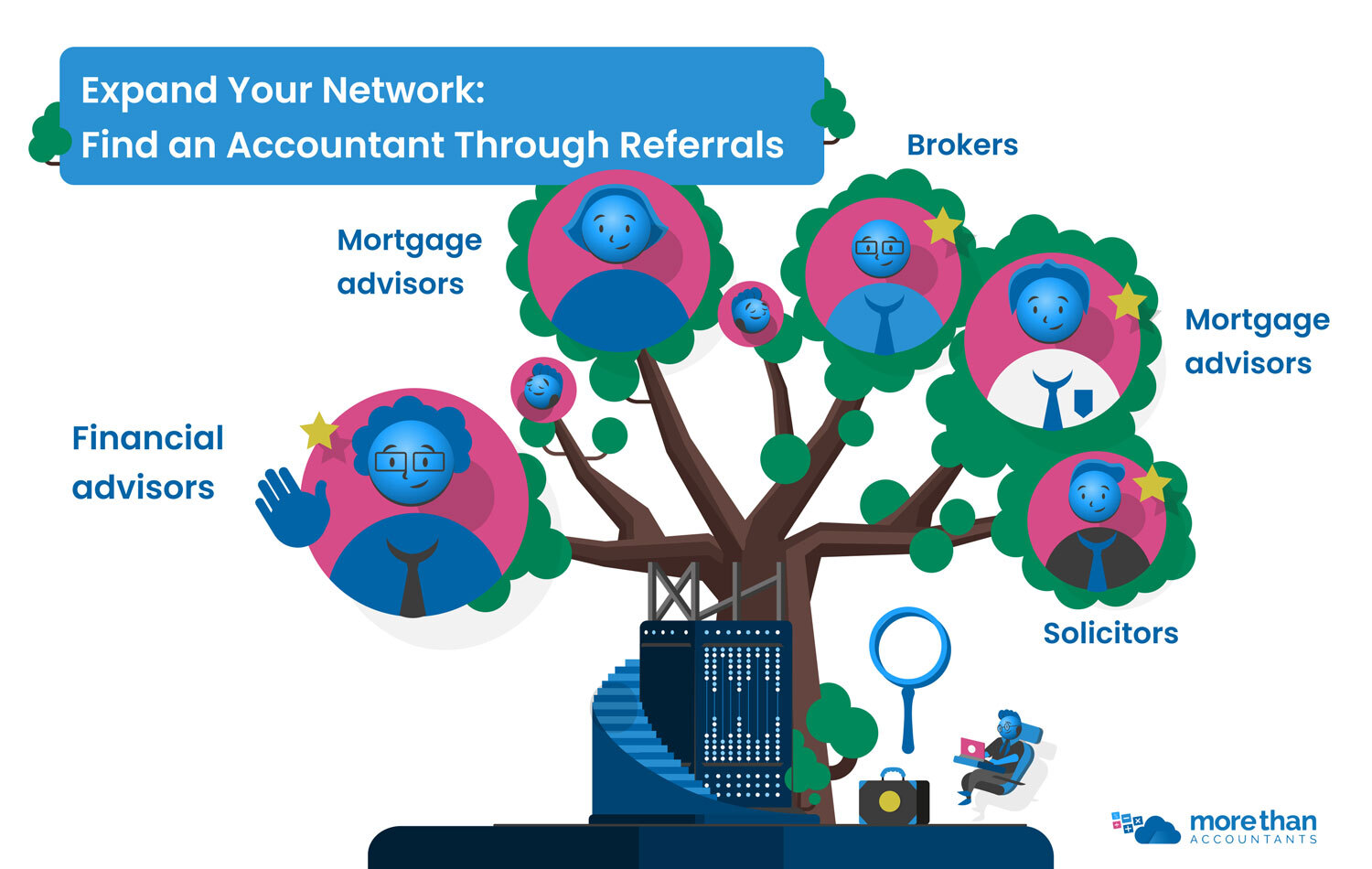
- Compile a Candidate List: Select 3-4 local accounting firms using the MICPA directory, IRS portal, or trusted business referrals.
- Verify Credentials: Run candidates through the Michigan LARA MiPLUS database to confirm active licensing and clean compliance histories.
- Conduct Consultations: Schedule initial consultations using the interview questions outlined above, focusing on Detroit municipal tax expertise and industry experience.
- Review Engagement Letters: Carefully read engagement letters to confirm fee structures, deliverables, timeline expectations, and data security protocols before signing.
Image Gallery