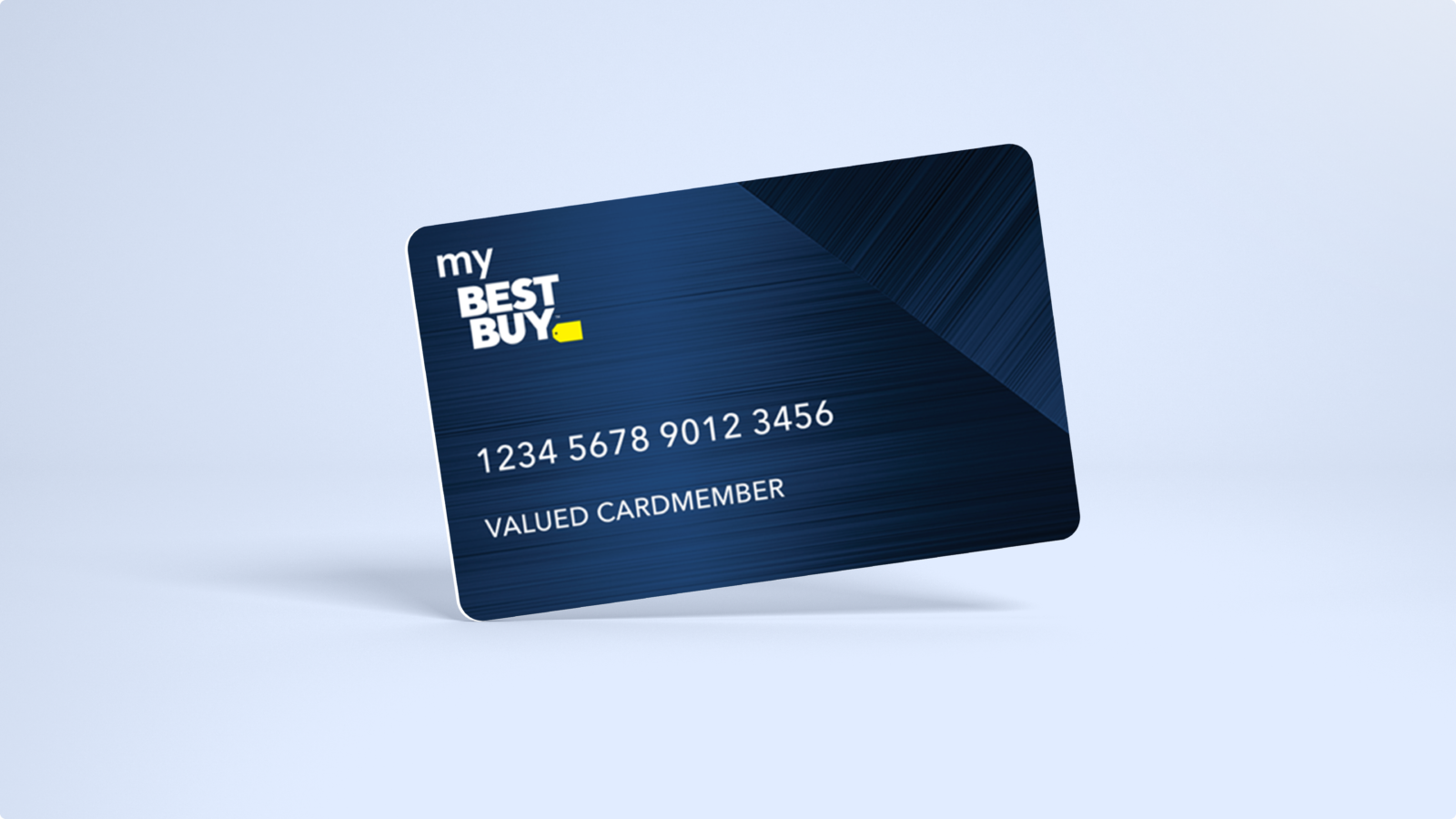
Why the Best Buy Card Isn't Worth Prequalifying For Most Shoppers
Prequalifying for the Best Buy credit card offers a false sense of security while locking shoppers into restrictive store reward systems or high-risk deferred-interest financing. Because pre-approval still requires a hard credit pull u...
Prequalifying for the Best Buy credit card offers a false sense of security while locking shoppers into restrictive store reward systems or high-risk deferred-interest financing. Because pre-approval still requires a hard credit pull upon final application, does not guarantee approval for the flexible Visa tier, and exposes cardholders to retroactive interest penalties exceeding 30% APR, most consumers are far better served by general-purpose credit cards offering true 0% intro APR rates or flexible cash back.
Contents
Disclaimer: This article is for informational and educational purposes only and does not constitute formal financial, legal, or credit advice. Credit card terms, interest rates, and reward programs are subject to change by the issuing bank (Citibank, N.A.).
Understanding Best Buy's Credit Card Prequalification Process
For consumers contemplating a major tech purchase—such as a home theater system, a gaming laptop, or high-end kitchen appliances—Best Buy’s prequalification tool often appears to be a low-risk option. The retailer advertises a soft credit check that lets shoppers check their eligibility without impacting their credit scores. However, understanding what prequalification actually does—and does not—do reveals why the process is less beneficial than it initially seems.
When you initiate a prequalification request online, the card issuer, Citibank, N.A., performs a soft inquiry on your credit report. This soft pull evaluates basic credit criteria to estimate whether you meet the baseline standards for approval. While this soft check will not affect your credit score, it is merely an initial screening tool, not a formal commitment to lend.
- PREQUALIFICATION (Soft Pull): No Credit Score Impact
- FINAL APPLICATION (Hard Pull): 5 to 10 Point Credit Score Drop
Once you accept the prequalified offer and proceed to the formal application stage, Citi immediately executes a hard credit inquiry. This hard pull will temporarily reduce your credit score by several points. Furthermore, prequalification does not guarantee that you will be approved for the product you actually want.
The Two-Tiered Card Trap: Store Card vs. Visa
Best Buy offers two distinct credit card products managed by Citi:
- The My Best Buy Credit Card: A "closed-loop" store card that can only be used for purchases made directly at Best Buy stores or on BestBuy.com.
- The My Best Buy Visa Card: An "open-loop" credit card that can be used anywhere Visa is accepted, earning rewards on everyday categories like grocery and gas purchases in addition to Best Buy purchases.
When you prequalify, you generally apply for the Best Buy card program as a whole. Citibank reserves the sole right to determine which version of the card you receive based on your full credit profile during the hard-pull application phase.
Many shoppers prequalify with the intention of acquiring the more versatile Visa card, only to find themselves approved solely for the restricted store card. Because you cannot specify which card tier you want during the application, you risk taking a hard credit inquiry for a card with severely limited utility.
The Core Financial Risks of the Best Buy Credit Card
While the convenience of earning points on immediate electronics purchases is tempting, the financial mechanics of the Best Buy credit card structure present several hazards for the average consumer.
1. The Deferred Interest Trap vs. True 0% Intro APR
The single largest pitfall of the Best Buy card is its reliance on deferred interest for its promotional financing offers. Many consumers confuse deferred interest with standard 0% introductory APR offers provided by mainstream credit cards, but the underlying legal mechanics are drastically different.
With a standard 0% Intro APR credit card, if you have an unpaid balance when the promotional period ends, you are charged interest only on the remaining balance from that date forward.
Under a deferred interest agreement, interest accrues continuously from the original purchase date at the regular, high variable APR. If you fail to pay off the balance in full by the exact last day of the promotional period—or if you miss a single payment—the entire accumulated interest from day one is retroactively added to your balance.
| Feature | Best Buy Card (Deferred Interest) | Standard 0% Intro APR Card |
|---|---|---|
| Interest Accrual | Accrues behind the scenes from Day 1 | Does not accrue during promo period |
| Penalty for Remaining Balance | Retroactive interest charged on full original purchase | Interest charged ONLY on remaining balance |
| Typical APR Rate | Variable APR frequently exceeding 30% | Standard variable APR applies after promo |
| Reward Flexibility | Certificates tied to Best Buy stores | Cash back, statement credits, or travel points |
| Usage Scope | Restricted (Store) or General (Visa) | Universal acceptance (Visa/Mastercard) |
For example, if you purchase $2,000 worth of electronics on a 12-month deferred interest promotion at a 31.49% variable APR, and you leave a remaining balance of just $50 at month 12, Citibank will retroactively charge you interest on the full $2,000 for the entire 12-month period. This can instantly add hundreds of dollars in unexpected debt to your account. The Consumer Financial Protection Bureau (CFPB) has repeatedly warned consumers about the financial risks associated with deferred interest financing models.
2. High Variable Interest Rates
Retail co-branded cards carry some of the highest interest rates in the credit industry. The Best Buy card frequently carries variable APRs well over 30%, which is significantly higher than the national average for standard cash-back credit cards. If you carry a balance outside of a promotional financing period, interest charges can rapidly outweigh the value of any store rewards earned on the purchase.
3. The Rewards vs. Financing Forced Choice
When making a qualifying purchase at Best Buy, cardholders are forced to choose between two mutually exclusive options:
- Standard Rewards: Earning 5% back in My Best Buy rewards points (or 6% for select paid membership tiers).
- Promotional Financing: Opting for deferred interest financing over a period ranging from 6 to 24 months.
You cannot combine both benefits. If you need time to pay off a major purchase, you yield the right to earn rewards points. Conversely, if you choose the 5% back, you must pay off the statement in full by the end of the billing cycle to avoid the card's exorbitant interest rates.
4. Restricted Store Reward Certificates
For shoppers who opt for the 5% back in rewards, the payout is not real cash. Rewards are issued as My Best Buy Reward Certificates. These store certificates carry several notable drawbacks:
- Short Expiration Windows: Reward certificates frequently expire within 60 to 90 days of issuance, forcing consumers to make unnecessary purchases just to use their rewards before they forfeit them.
- Non-Refundable Value: If you return an item purchased using a reward certificate, the certificate value may not always be fully restored to your account depending on store policy conditions.
- Restricted Redemptions: Certificates cannot be used to purchase gift cards, prepaid cards, or specific service plans, reducing their practical utility compared to standard cash back or statement credits.
Credit Score Impact and Opportunity Costs
Prequalifying for and subsequently opening a Best Buy credit card incurs hidden credit costs that extend beyond interest rates and annual fees.
Credit Utilization Spikes
Retail credit cards often launch with lower credit limits than traditional major bank cards, particularly for applicants with average credit scores. If you receive an initial credit limit of $1,500 and immediately use it to purchase a $1,200 television, your credit utilization ratio on that specific card jumps to 80%.
High credit utilization is a primary factor in scoring algorithms like FICO and VantageScore. Holding a high utilization ratio—even during a promotional financing period—can lower your credit score significantly until the balance is paid off.
$1,200 TV Purchase / $1,500 Credit Limit = 80% Utilization (High Risk to Credit Score)
The Opportunity Cost of Hard Inquiries
Major card issuers enforce strict application rules regarding recent account openings. For example, Chase maintains an informal "5/24 Rule," which automatically declines applicants who have opened five or more personal credit cards across any bank within the past 24 months.
Using one of your credit application slots on a single-store retail card consumes valuable credit history space. That hard inquiry and new account could otherwise be allocated toward a versatile premium credit card offering:
- Substantial cash sign-up bonuses (e.g., $200 back after spending $500).
- True 0% Intro APR periods spanning 15 to 21 months.
- Built-in purchase protection and extended warranty benefits.
Superior Alternatives for Financing Electronics
Rather than relying on Best Buy's restrictive store card and risky deferred interest structure, smart consumers utilize alternative financing and reward strategies.
- Major Electronics Purchase (e.g., $1,500 Tech Budget)
- General 0% Intro APR Credit Cards (True 0% APR, No Deferred Interest)
- Flat-Rate Cash Back Cards (Flexible cash back + purchase protection)
1. General 0% Intro APR Credit Cards
Many top-tier card issuers offer cards with long introductory 0% APR periods on purchases, typically ranging from 12 to 21 months.
- No Deferred Interest Risk: If you have a small balance remaining when the intro period ends, interest is charged only on that remaining balance, not on the original purchase amount.
- Everywhere Acceptance: These cards can be used at any retailer, allowing you to shop around for the best price on electronics rather than being locked into Best Buy.
2. Flat-Rate Cash Back Credit Cards
If you do not require long-term financing and plan to pay off the purchase immediately, standard cash-back cards outperform the My Best Buy card in overall value:
- Flexible Cash Back: Cards offering 2% cash back on all purchases (such as the Citi Double Cash® Card or Wells Fargo Active Cash® Card) deposit earnings directly into your bank account as real money that never expires.
- Welcome Bonuses: Mainstream cash-back cards often feature sign-up bonuses (e.g., earn $200 after spending $500 in the first three months), which effectively yields a 20% to 40% return on an electronics purchase—far exceeding Best Buy's 5% store certificate reward.
3. Credit Cards with Extended Warranty and Purchase Protection
When buying expensive computers, televisions, or mobile devices, credit card protection policies can save consumers hundreds of dollars in repair or replacement costs.
Many general-purpose rewards cards automatically offer:
- Extended Warranty Coverage: Adding up to an additional year of warranty protection on top of the manufacturer’s original warranty.
- Purchase Protection: Covering new items against accidental damage or theft for 90 to 120 days from the purchase date.
The My Best Buy card lacks these robust built-in purchase protections, often leaving cardholders dependent on purchasing costly extended service plans (like Best Buy Protection or Totaltech memberships) out of pocket.
When Does Prequalifying for the Best Buy Card Make Sense?
While the Best Buy credit card is not ideal for the vast majority of consumers, there are limited scenarios where prequalifying and applying may be reasonable:
- High-Volume Best Buy Loyalty Customers: If you purchase thousands of dollars in tech products from Best Buy annually, belong to their paid membership tiers, and always pay your statement balance in full every month, earning 5% to 6% back in store reward certificates may generate ongoing value.
- Planned Single-Store Spending with Strict Budgeting: If you require short-term financing for a necessary household appliance, cannot qualify for a top-tier general 0% APR credit card, and have a guaranteed repayment plan to pay off the balance months before the deferred interest deadline, the card can serve as a targeted financing tool.
Even in these specific cases, extreme caution is required to track promotional expiration dates and avoid retroactive interest fees.
Frequently Asked Questions
Does prequalifying for the Best Buy credit card hurt your credit score?
No. The initial prequalification step uses a soft credit pull, which does not affect your credit score. However, if you prequalify and choose to complete the full application, Citibank will perform a hard credit pull, which will temporarily lower your score by a few points.
What is the difference between deferred interest and a 0% intro APR?
With deferred interest (used by the Best Buy card), interest accrues behind the scenes from day one; if the balance is not paid in full by the end of the promo period, you are retroactively charged all accrued interest. With a true 0% intro APR card, no interest accrues during the promotional window, and any remaining balance after the offer ends is only charged interest from that point forward.
Can you get cash back with the My Best Buy reward certificates?
No. My Best Buy rewards are issued as promotional certificate codes that can only be redeemed for eligible purchases at Best Buy stores or online. They cannot be converted to physical cash, statement credits, or bank deposits, and they usually carry expiration dates.
Which credit score do you need to prequalify for the Best Buy credit card?
While Citibank does not publicly publish strict credit score cutoffs, prequalification for the store-only version typically requires fair-to-good credit (generally a FICO score of 640 or higher). Approval for the Visa version usually requires good-to-excellent credit (FICO score of 700+).
What happens if you miss a payment during a Best Buy promotional financing period?
If you make a late payment or fail to pay the required minimum monthly amount, you may void the promotional financing agreement. This can trigger the immediate application of retroactive interest at the regular variable APR (often exceeding 30%) back to the original purchase date.
Practical Action Plan for Tech Shoppers
If you are planning a major tech purchase, follow this step-by-step strategy to maximize rewards while protecting your credit score:
- Compare Prices Across Retailers: Before applying for store-specific financing, ensure Best Buy offers the best overall price including competitor price matches.
- Check Eligibility for General 0% APR Cards: Look for mainstream bank cards offering 15 to 21 months of 0% Intro APR with no deferred interest clauses.
- Evaluate Sign-up Bonuses: If paying off the item immediately, select a card with a high cash sign-up bonus to maximize your total return on the purchase.
- Use Cards with Built-in Protections: Pay with a credit card that includes complimentary extended warranty and purchase protection to avoid paying extra for store-sponsored protection plans.
- Set Up Automated Payments: If you use any promotional financing offer, set your monthly payments above the minimum required amount to guarantee the balance reaches $0 well before the promotional term ends.
Image Gallery