Exploring Andrew Pyper’s Oracle: A Guide to the Supernatural Thriller Series
Oracle is a gripping supernatural thriller series written by award-winning Canadian author Andrew Pyper. Originally released as an Audible Original, the story follows Nate Russo, an FBI consultant with the psychic ability to "see" the...
Oracle is a gripping supernatural thriller series written by award-winning Canadian author Andrew Pyper. Originally released as an Audible Original, the story follows Nate Russo, an FBI consultant with the psychic ability to "see" the final moments of kidnap victims. The series blends police procedural elements with visceral, high-stakes horror.
Contents
The landscape of modern thrillers changed significantly when Andrew Pyper, often dubbed the "master of the literary supernatural," pivoted toward audio-first storytelling. By 2026, the Oracle series has established itself as a cornerstone of the psychological horror genre, demonstrating how narrative tension can be heightened through immersive soundscapes and specific character-driven "gifts" that feel more like curses. For readers and listeners looking to understand the depth of Nate Russo’s world, this guide explores the mechanics of the story, the evolution of its protagonist, and the creative force behind its conception.
The Genesis of Oracle and the Audio-First Shift
In the early 2020s, the publishing industry saw a surge in audio-exclusive content. Andrew Pyper, already a celebrated novelist with titles like The Demonologist and The Residence, recognized that the intimacy of a narrator’s voice could amplify the dread inherent in his writing. Oracle was born from this realization, designed specifically for the ear before it ever touched the page.
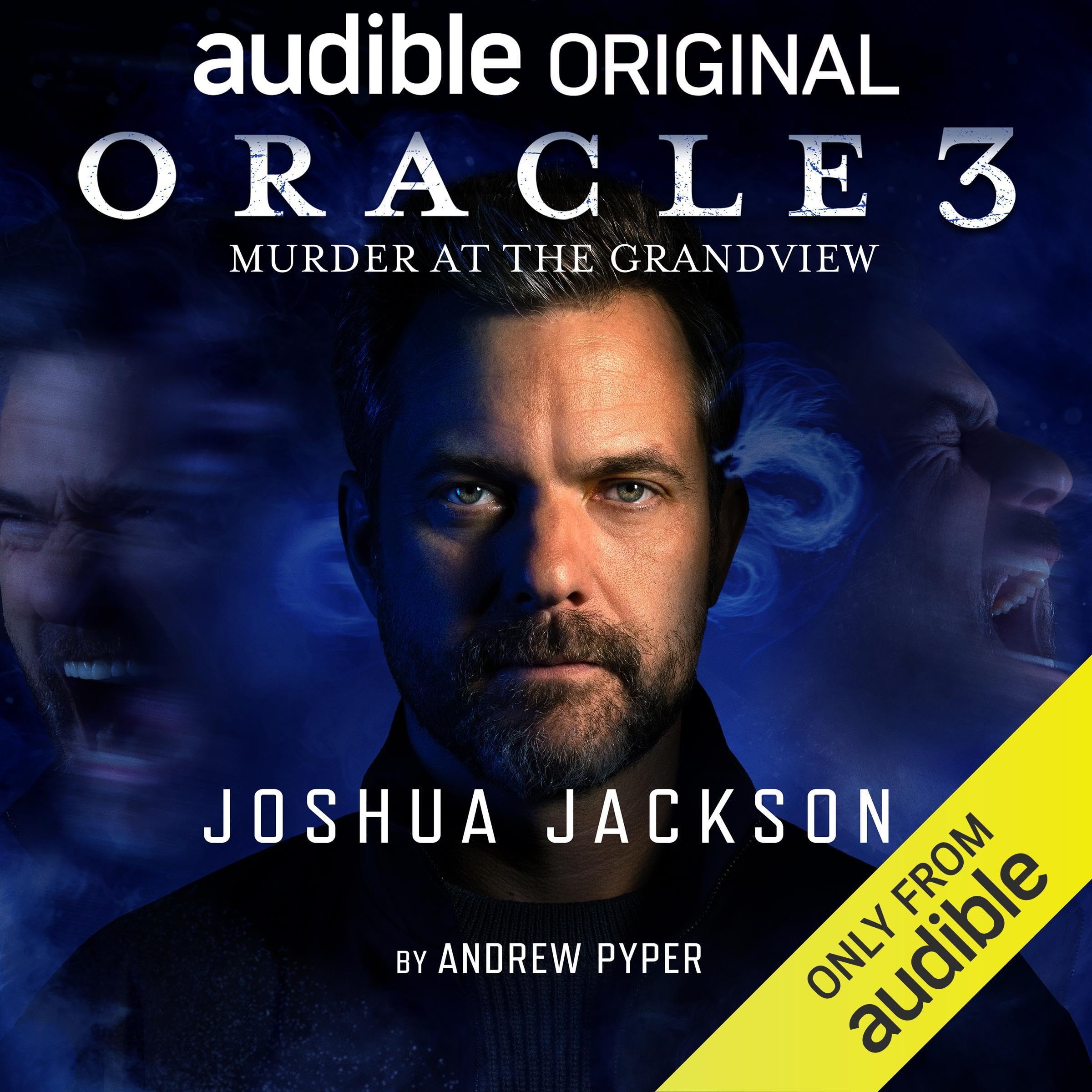
The series debuted with Joshua Jackson (Fringe, Dawson's Creek) providing the voice for Nate Russo. Jackson’s performance brought a weary, grounded humanity to a character who spends his life surrounded by the echoes of trauma. This choice was deliberate; Pyper’s work often focuses on the "ordinary man in extraordinary terror," and the audio medium allowed for a direct connection between Russo’s internal monologue and the listener's imagination.
By 2026, the success of Oracle has paved the way for many other "audio-first" supernatural procedurals, but Pyper’s work remains the gold standard due to its refusal to rely solely on jump scares. Instead, it builds a philosophy around the "residue" of evil—the idea that horrific acts leave a permanent mark on the physical world that only a few unfortunate individuals can perceive.
Character Analysis: Nate Russo’s Burden
At the heart of Oracle is Nate Russo, an FBI consultant who operates on the fringes of the Bureau. Russo is not a traditional hero; he is a man hollowed out by his own abilities. Understanding Nate Russo requires looking at the specific rules of his supernatural "sight."
The Mechanics of the "Touch"
Russo possesses a form of psychometry. When he touches an object belonging to a victim or stands in the location where a crime occurred, he is pulled into a "vision" that is sensory and overwhelming. He doesn't just see what happened; he feels the terror and physical pain of the victim.
- Physical Toll: Every vision leaves Russo physically depleted, often resulting in migraines, tremors, and long-term psychological scarring.
- The Emotional Weight: Because he experiences the victim's perspective, he carries a form of vicarious trauma that makes it difficult for him to maintain "normal" human relationships.
- The Oracle Paradox: While his gift helps solve cases that are otherwise cold, it also makes him a target for the very darkness he tries to stop.
Supporting Cast and Dynamics
The series balances Russo’s isolation with a cast of characters who either ground him or challenge his sanity. His handlers at the FBI view him with a mixture of skepticism and desperation, creating a tension that mirrors the public’s real-world fascination with—and fear of—the unexplained.
Narrative Arc: Oracle and Oracle 2: The Dreamland Murders
The series is currently divided into two major installments, each dealing with a distinct facet of Russo’s abilities and the escalating nature of the threats he faces.
Oracle (Part 1)
The first installment introduces us to Russo as he is called to investigate a series of disappearances connected to a mysterious figure known as "The Bone Man." This antagonist is more than a serial killer; he represents a primordial type of evil that Russo’s gift is ill-equipped to handle. The story travels from the clinical halls of the FBI to the decaying, atmospheric landscapes of the American Midwest, establishing Pyper’s signature "haunted geography."
Oracle 2: The Dreamland Murders
In the sequel, the stakes transition from individual victims to a systemic haunting. Russo is drawn to a small town with a dark history—a place where the boundaries between dreams and reality have thinned. The Dreamland Murders explores the concept of collective memory and how a town's buried secrets can manifest as a literal, murderous force. It expands the lore of Russo’s powers, suggesting that he is not the only one who can interact with the "other side," though others may use that access for far more nefarious purposes.
Key Themes in Pyper’s Supernatural Universe
Andrew Pyper’s writing is rarely just about the monster under the bed. In Oracle, several sophisticated themes recur, providing the "literary" weight for which he is known.
- The Persistence of Memory: Pyper posits that nothing is ever truly forgotten. Objects and places act as recording devices for human emotion, particularly pain.
- The Cost of Empathy: Through Nate Russo, the series asks what happens to a person who literally feels the pain of others. It is a meditation on the burden of the empath in a violent world.
- The "Gothic" Modernity: Pyper excels at taking Gothic tropes—haunted houses, ancient curses, ghosts—and placing them within modern frameworks like the FBI, forensic science, and contemporary technology.
- Nature vs. Nurture of Evil: The series frequently explores whether the antagonists are born "broken" or if the darkness of the world eventually finds a vessel in the vulnerable.
Comparison of Oracle Installments
| Feature | Oracle (Book 1) | Oracle 2: The Dreamland Murders |
|---|---|---|
| Primary Antagonist | The Bone Man | The Dreamland Entity / Town Secrets |
| Central Setting | Various / FBI Psych Labs | A specialized small-town "Dreamland" |
| Narrator | Joshua Jackson | Joshua Jackson |
| Core Mystery | A string of impossible abductions | Historical murders resurfacing in dreams |
| Tone | Claustrophobic, investigative | Surreal, psychological, expansive |
| Russo’s Status | Reluctant consultant | Veteran hunter facing burnout |
Why Andrew Pyper Matters to the Genre
By 2026, Andrew Pyper has solidified his position as one of the most consistent voices in horror. His ability to write "elevated" horror allows his work to appeal to fans of Thomas Harris (The Silence of the Lambs) as much as fans of Stephen King.
The Oracle series is particularly notable for its pacing. Unlike many thrillers that rush toward a conclusion, Pyper allows the atmosphere to "bleed" into the narrative. He uses Russo’s psychic breaks as opportunities for poetic, terrifying descriptions that elevate the work above standard genre fare. His prose—even when delivered via audio—is meticulous, favoring the unsettling over the obvious.
Accessing and Experiencing the Series
For those looking to dive into the Oracle universe in 2026, there are specific ways to consume the content to get the full intended effect.
- Audio Experience: It is highly recommended to listen to the Audible Original versions first. The sound design—including ambient noise and the specific modulation of Joshua Jackson’s voice during the "vision" sequences—is integral to the storytelling.
- Reading Order: Start with Oracle before moving to The Dreamland Murders. While the mysteries are somewhat self-contained, the degradation of Nate Russo’s mental health is a continuous arc that provides much of the series' emotional impact.
- Supplementary Reading: For those who enjoy the themes of Oracle, Pyper’s novel The Demonologist serves as an excellent companion piece, exploring similar ideas of a man forced to confront the supernatural through a specialized lens (in that case, Miltonic scholarship).
Frequently Asked Questions
Is "Oracle" based on a true story?
No, Oracle is a work of fiction. However, Andrew Pyper often incorporates elements of real-world folklore and psychological theories regarding trauma and memory into his narratives to give them a sense of grounded realism.
Is there a film or TV adaptation of "Oracle"?
As of 2026, various production companies have expressed interest in adapting Nate Russo’s story for the screen, given its procedural nature and strong protagonist. However, the definitive version remains the audio series, which Pyper has stated was designed to utilize the "theater of the mind."
Do I need to be a fan of horror to enjoy the series?
While the series contains horrific elements, it is primarily a supernatural thriller and mystery. If you enjoy "dark procedurals" like Mindhunter or The X-Files, the Oracle series will likely appeal to you, even if you aren't a dedicated horror reader.
How many "Oracle" books are there?
Currently, the main narrative consists of the two primary audio-first installments (Oracle and Oracle 2). There have been discussions regarding short stories and further sequels, but the core experience is centered on these two major arcs.
Who is the narrator for the series?
The series is famously narrated by actor Joshua Jackson. His performance is widely cited by critics as a major factor in the series' success, as he captures the specific "noir" weariness of Nate Russo perfectly.
Final Recommendation
For enthusiasts of psychological depth and supernatural tension, Oracle by Andrew Pyper is a mandatory experience. To get the most out of it, set aside dedicated time to listen to the audio production with high-quality headphones. The immersion provided by the sound design and Pyper’s evocative writing creates a uniquely haunting atmosphere that lingers long after the final chapter ends. Start with the first volume to witness the origin of Nate Russo’s "curse" and follow the trail of the Bone Man into the heart of the darkness.
Image Gallery