Strategic Anniversary Campaigns: A Comprehensive Guide to Leveraging Business Milestones
Anniversary campaigns are comprehensive marketing initiatives designed to celebrate a brand’s longevity, honoring its history while strategically positioning it for future growth. By blending nostalgia with forward-looking innovation,...
Anniversary campaigns are comprehensive marketing initiatives designed to celebrate a brand’s longevity, honoring its history while strategically positioning it for future growth. By blending nostalgia with forward-looking innovation, these campaigns build emotional resonance with customers, strengthen employee morale, and drive measurable business outcomes such as increased loyalty and market share.
Contents
Business anniversaries are more than just a date on a calendar; they are powerful marketing assets. In 2026, as the digital landscape becomes increasingly saturated with short-lived trends, a brand’s "staying power" serves as a critical indicator of trust and reliability. An effective anniversary campaign allows a company to pause its standard promotional cycle to tell a deeper story—one of resilience, evolution, and commitment to its community.
The primary objective of an anniversary campaign is often multifaceted. While some organizations focus on historical prestige, others use the milestone to pivot their brand identity or launch a new era of products. Regardless of the specific goal, these campaigns succeed when they move beyond self-congratulation and focus on the value the brand has provided to its stakeholders over time.
The Strategic Importance of Anniversary Campaigns in 2026
In the current market environment, consumers are increasingly drawn to brands that demonstrate stability and clear values. An anniversary campaign acts as a "trust signal." When a company celebrates 10, 25, or 50 years, it implicitly communicates that its business model is robust and its products have stood the test of time.
Enhancing Brand Equity and Trust
Trust is a volatile currency in the mid-2020s. By highlighting decades of service, companies can differentiate themselves from "flash-in-the-pan" competitors. This historical context provides a foundation for brand equity that cannot be easily replicated by newer entrants. It allows the brand to own its narrative, showcasing its role in the lives of its customers across different generations.
Driving Customer Loyalty and Retention
Anniversary campaigns offer a unique opportunity to reward long-term customers. Instead of focusing solely on new acquisition, these initiatives can highlight the "shared journey" between the brand and its users. Tactics such as "legacy discounts" or exclusive access for long-term members foster a sense of belonging and appreciation, which significantly reduces churn.
Boosting Internal Morale and Recruitment
Internally, milestones are vital for culture building. Employees want to feel they are part of a winning, stable organization. Celebrating a major anniversary validates their hard work and provides a moment of collective pride. This is especially relevant in 2026, where talent retention is a top priority for enterprise leadership.
Phase 1: Planning and Objective Setting
A successful anniversary campaign requires a lead time of six to eighteen months, depending on the scale of the milestone. Planning should begin by defining what "success" looks like. Without clear KPIs (Key Performance Indicators), an anniversary celebration risks becoming an expensive vanity project.
Defining Your Core Narrative
Every campaign needs a "Hero Narrative." Are you the "Pioneer" that changed the industry? The "Reliable Partner" that has been there through every crisis? Or the "Innovator" that is just getting started?
- The Heritage Focus: Best for legacy brands (50+ years) looking to reinforce authority.
- The Future-Forward Focus: Best for brands celebrating 5-10 years who want to show they are scaling and disrupting.
- The Community Focus: Best for brands with a highly engaged, cult-like following.
Setting Measurable Goals
To ensure the campaign delivers ROI, align it with specific business objectives:
- Revenue Growth: Tracking sales of anniversary-edition products or services.
- Brand Awareness: Measuring earned media value and social mentions.
- Customer Insights: Using the anniversary as a "hook" to collect user-generated content (UGC) or testimonials.
- Database Growth: Utilizing anniversary giveaways to capture new lead data.
Phase 2: Creative Execution and Visual Identity
An anniversary campaign should feel distinct from your everyday marketing. It requires a temporary "visual layer" that signals the special nature of the occasion without diluting the core brand.
The Anniversary Logo and Style Guide
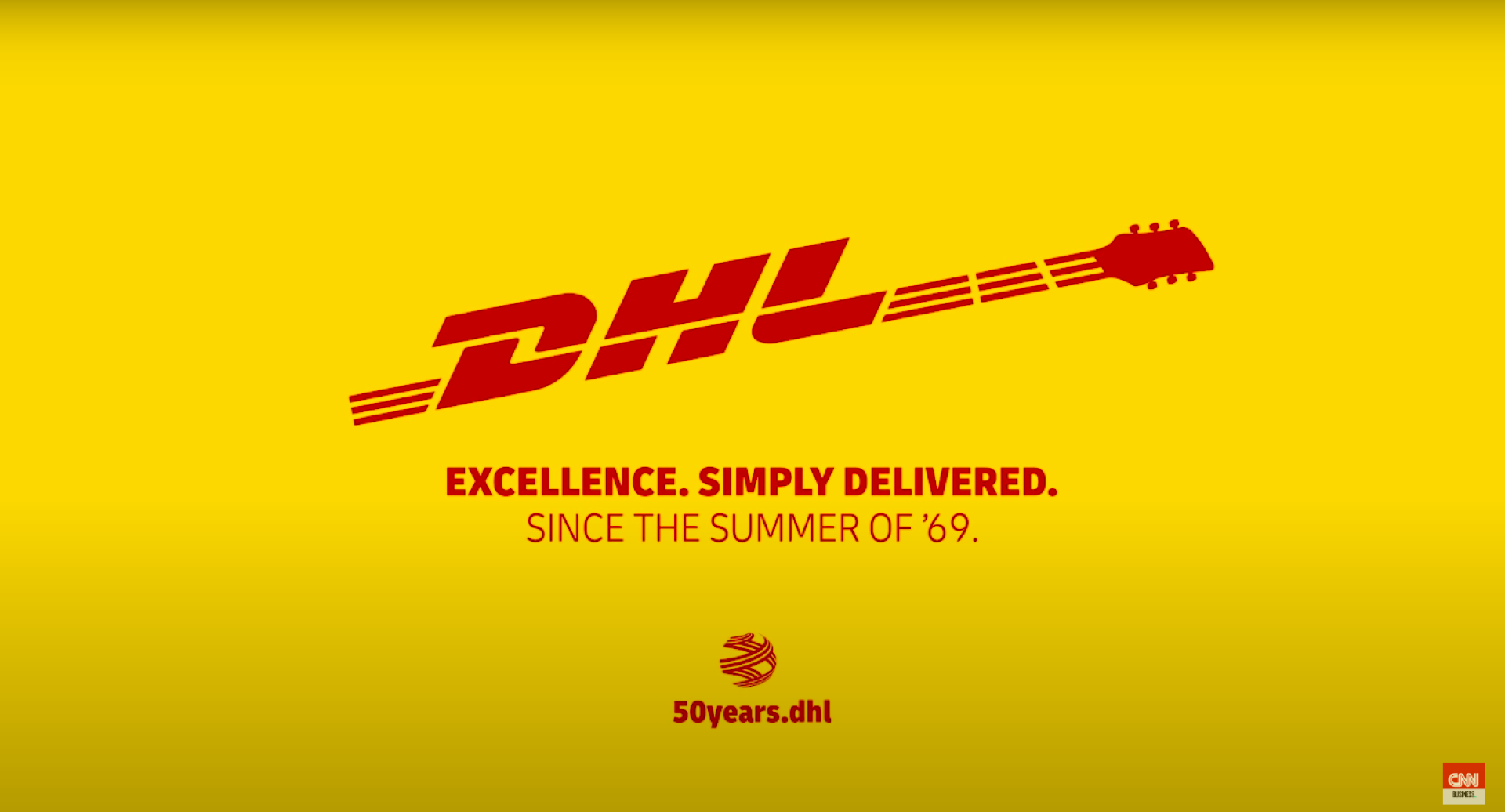
Most brands develop a specialized version of their logo for the anniversary year. This often involves incorporating the milestone number (e.g., "75 Years") into the primary mark. The 2026 design trend favors "Modern Heritage"—using clean, minimalist lines to reinterpret classic elements from the company’s founding era.
Content Pillars for Longevity
Your content strategy should be divided into three chronological pillars:
- The Past (The Foundation): Archival photos, "then vs. now" comparisons, and founder stories. This builds authenticity.
- The Present (The Impact): Customer spotlights, employee features, and current community impact reports. This builds relatability.
- The Future (The Vision): Product roadmaps, sustainability commitments, and "the next 50 years" manifestos. This builds excitement.
| Milestone Year | Campaign Persona | Primary Tactic | Strategic Goal |
|---|---|---|---|
| 5-10 Years | The Rising Star | User-generated content contests | Community building & Proof of concept |
| 25 Years | The Established Leader | Limited edition product re-releases | Brand prestige & Market share |
| 50 Years | The Cultural Icon | Documentary-style storytelling | Heritage reinforcement & Trust |
| 100+ Years | The Legacy Guardian | Philanthropic foundations/Endowments | Institutional authority & Legacy |
Phase 3: Multichannel Distribution Strategies
In 2026, a fragmented media landscape means your anniversary message must be adapted for various platforms while maintaining a cohesive "red thread."
Digital and Social Media Integration
Social media is the primary engine for engagement. Utilize "Year in Review" styles—similar to Spotify Wrapped—to show individual customers their history with your brand. AI-driven personalization allows companies to send custom "Thank You" videos to thousands of customers simultaneously, mentioning the exact year they joined the brand’s ecosystem.
Experiential and Physical Activations
For B2B companies, this might mean a high-end gala or a series of roadshows. For B2C, pop-up museums or "heritage stores" that showcase product evolution can create highly shareable, immersive moments. Even in a digital-first world, physical touchpoints provide the sensory experience that cements brand loyalty.
Public Relations and Earned Media
An anniversary is a "newsworthy" event. Pitching stories to industry publications about how the company has survived economic shifts or led technological revolutions can garner significant earned media. According to the Public Relations Society of America (PRSA), milestone storytelling is one of the most effective ways to secure top-tier business coverage.
Leveraging Technology in 2026 Anniversary Campaigns
As we navigate 2026, several technological advancements have changed how anniversaries are celebrated. Brands are no longer limited to static PDF history books or simple commemorative plaques.
Augmented Reality (AR) Archives
Brands are now using AR to bring their history to life. By scanning a product package, customers can see a digital overlay of how that product looked in 1980 or 1950. This "digital time travel" creates high engagement rates and appeals to younger demographics who value interactive experiences.
Generative AI for Personalized Storytelling
Generative AI allows brands to process vast archives of historical data to create new content. For example, a company can use AI to recreate the voice of a founder (with ethical permissions) to narrate a modern brand manifesto, bridging the gap between the past and the future.
Blockchain-Verified Collectibles
The use of NFTs or digital collectibles has evolved from speculation to utility. Brands celebrating milestones often issue "Digital Keys" or "Founder's Tokens" on the blockchain that grant holders lifetime discounts or early access to new releases, turning a one-time celebration into a long-term loyalty tool.
Common Pitfalls to Avoid
Despite their potential, many anniversary campaigns fail to resonate because they fall into common traps.
- Being Overly Self-Centric: If the campaign only says "Look how great we are for surviving 20 years," the customer will stop listening. The message should always be: "Look what we’ve achieved together."
- Lack of Momentum: A common mistake is launching with a massive event on Day 1 and having no follow-up for the rest of the year. A campaign should have "peaks" of activity throughout the entire anniversary year.
- Inconsistent Branding: If the anniversary logo and messaging look completely disconnected from the current brand, it creates confusion. The anniversary should feel like a "special edition" of the brand, not a different company entirely.
- Ignoring the Employees: If a company spends millions on external advertising but doesn't recognize the staff that made the milestone possible, it can lead to internal resentment and a PR backlash.
Measuring the Success of Your Campaign
Post-campaign analysis is critical. Use a mix of quantitative and qualitative data to evaluate the impact.
- Sentiment Analysis: Use social listening tools to see if the "vibe" around the brand shifted toward "trustworthy" and "reliable."
- Sales Attribution: Track how many sales were directly influenced by anniversary-themed promotions or products.
- Employee Retention Metrics: Observe if turnover rates decreased or internal engagement scores increased during and after the anniversary year.
- Earned Media Value (EMV): Calculate the monetary value of the press coverage and organic social sharing generated by the campaign.
According to research from the Harvard Business Review, brands that successfully leverage their history through "Heritage Branding" can command higher price premiums because the history acts as a proxy for quality and insurance against failure.
Frequently Asked Questions
When should I start planning for a major business anniversary?
For significant milestones like a 25th or 50th anniversary, planning should ideally begin 12 to 18 months in advance. This allows for thorough archival research, budget allocation, and the development of limited-edition products or large-scale events that require long lead times.
How much should we budget for an anniversary campaign?
Budgets vary wildly, but a general rule of thumb is to allocate an additional 10% to 20% on top of your annual marketing budget. This ensures the anniversary doesn't cannibalize your standard lead-generation activities but has enough "firepower" to make a distinctive impact.
Can a young company (5 years) run a successful anniversary campaign?
Absolutely. For younger companies, a 5-year anniversary is a "Validation Milestone." The campaign should focus on rapid growth, the size of the community built in a short time, and the "disruptor" status of the brand. It’s less about heritage and more about proof of concept and future potential.
What is the most effective way to involve customers in the celebration?
User-generated content (UGC) is the most effective involvement tool. Ask customers to share their "first memory" of your brand or photos of your oldest products they still own. This creates a sense of co-ownership of the brand’s history and provides you with authentic marketing material.
How do we handle an anniversary if the company has a "checkered" history?
Transparency is key. If a brand has faced past controversies, an anniversary is a time to acknowledge the evolution. Focusing on "Lessons Learned" and how the brand has changed for the better can actually increase trust, showing that the company is capable of growth and accountability.
Practical Next Action
To begin your anniversary campaign, perform a "Brand Audit" of your historical assets. Locate your founding documents, first product designs, and key milestones in a centralized digital archive. This repository will serve as the "creative well" from which all your storytelling will be drawn. Once your assets are organized, choose one primary goal—such as "Increasing Brand Trust"—and build your narrative around how your history supports that specific objective.
Image Gallery