Laramie Serrano Net Worth Explained: Understanding Public Figures and Wealth Transparency
The estimated net worth of Laramie Serrano is not a matter of public record or verified financial disclosure. As Serrano is a private individual and not a high-profile public figure, executive, or celebrity subject to mandatory regulat...
The estimated net worth of Laramie Serrano is not a matter of public record or verified financial disclosure. As Serrano is a private individual and not a high-profile public figure, executive, or celebrity subject to mandatory regulatory financial reporting, there is no credible, audited, or institutional data to support an accurate valuation of their assets, liabilities, or total net worth.
Contents
The Nature of Financial Privacy for Non-Public Figures
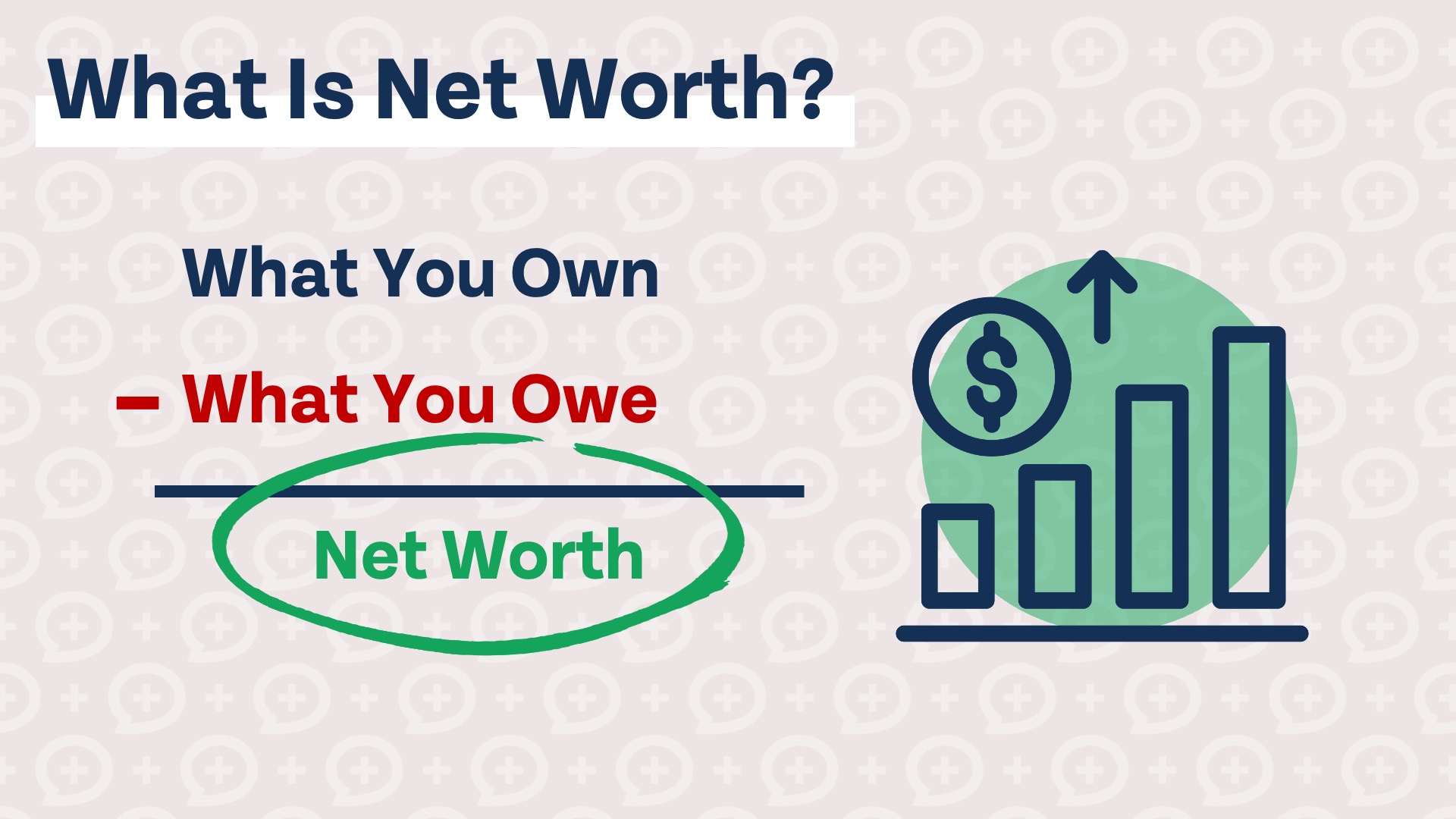
In the context of personal finance and public record, the term "net worth" refers to the total value of an individual’s assets—including real estate, cash, investments, and personal property—minus their total liabilities, such as mortgages, loans, and credit card debt. For public companies or high-ranking government officials, this information is often accessible through SEC filings (such as Form 4 for insiders), annual reports, or required financial disclosures.
However, for individuals like Laramie Serrano, who do not operate in a professional capacity that requires public disclosure of personal wealth, no such documentation exists. Digital platforms that publish "net worth" figures for private citizens often rely on algorithmic estimates, social media presence, or unsubstantiated speculation rather than factual financial documentation. Readers should approach these figures with significant skepticism, as they frequently conflate social media engagement or professional titles with actual liquidity and net worth.
Why Online Net Worth Estimates Are Often Inaccurate
The proliferation of "net worth" websites has created a common misconception regarding how wealth is verified. These platforms typically use automated scraping tools to synthesize public data points, such as career duration, industry averages, and estimated industry salaries, to arrive at a theoretical number.
The primary reasons these estimates remain fundamentally flawed include:
- Lack of Liability Data: While an automated tool might guess a person's income, it has no way to account for debt, tax obligations, business expenses, or living costs, which are essential to calculating a true net worth.
- Assumption of Liquidity: These platforms often overestimate the value of assets. For example, owning a business does not translate directly to cash; the valuation of a private enterprise is highly complex and depends on market conditions, debt loads, and equity distribution that is not public.
- Algorithmic Error: Many sites use simple multipliers based on the industry an individual works in, ignoring the vast disparities in compensation and personal financial management between individuals in the same sector.
Distinguishing Between Public and Private Entities
When researching individuals, it is critical to differentiate between those whose financial standing is a matter of public interest and those whose finances remain private.
| Category | Disclosure Requirement | Source of Information |
|---|---|---|
| Publicly Traded Executives | Mandatory (SEC) | Proxy statements, 10-K filings |
| Government Officials | Mandatory (Statutory) | OGE Form 278e, Ethics Disclosures |
| Private Citizens | None | Private records (Tax returns, bank statements) |
| Public Figures/Influencers | Voluntary/Speculative | Media reports, "Net Worth" websites |
In the case of Laramie Serrano, the lack of public filings confirms that any financial figure presented online is anecdotal at best. Relying on such data for investment, partnership, or legal research is not recommended, as these sources do not perform professional audits or account for the complexities of private wealth management.
The Risks of Relying on Unverified Wealth Data
There are significant risks in treating speculative net worth figures as factual information. Beyond the obvious inaccuracies, relying on these numbers can lead to poor decision-making in professional contexts. For instance, assuming an individual has a certain level of capital based on a website’s estimate might lead to an overestimation of their ability to fund projects, settle liabilities, or contribute to joint ventures.
Furthermore, these websites often exist solely to generate traffic through search engine optimization (SEO) techniques, leveraging the curiosity of readers about various names. They typically do not perform original reporting, interview the subjects, or verify their data with financial institutions. Consequently, the information provided is essentially a "best guess" that holds no legal or practical utility.
Understanding Financial Transparency and Verification
True verification of net worth requires access to primary documents. For professionals, this often includes:
- Audited Financial Statements: Documents prepared by Certified Public Accountants (CPAs) that provide a high degree of confidence in the accuracy of assets and liabilities.
- Tax Returns: Filed with the relevant tax authority, these provide a snapshot of annual income, though they do not always reflect total net worth.
- Bank and Brokerage Statements: Official records showing liquid assets and investment holdings at a specific point in time.
Because these documents are confidential, any individual claiming to provide an accurate net worth for a private citizen is either guessing or engaging in unethical disclosure. If you are conducting due diligence on a person for business purposes, it is standard practice to request documentation directly from the party involved through a non-disclosure agreement (NDA) or to hire a professional investigative firm to perform legitimate background and financial checks.
Frequently Asked Questions (FAQ)
1. Is the net worth of Laramie Serrano publicly available? No. There are no public records, government filings, or verified financial disclosures that provide an accurate or official net worth for Laramie Serrano.
2. Why do some websites list a net worth for private individuals? Many websites use automated algorithms to generate content for search engine traffic. These platforms often use estimates based on sector averages, which are typically inaccurate and lack verified data regarding an individual's actual financial standing.
3. How can I accurately find someone's net worth? Unless an individual is an executive of a public company or a government official with mandatory reporting requirements, their net worth is a private matter. There is no legitimate, public, and accurate source for this information for the average citizen.
4. Should I trust "net worth" calculators found on the internet? No. These calculators should be viewed as entertainment rather than financial fact. They lack access to private banking, tax, and liability records, and they do not reflect the complex variables required to calculate an individual's actual wealth.
5. What is the best way to verify someone's financial credibility? If you are evaluating an individual for business purposes, the most reliable approach is to request verified financial disclosures, tax documents, or credit references directly. Engaging a professional, licensed due diligence firm is the only way to conduct a formal financial background check.
Next Steps for Financial Research
If your interest in the financial standing of an individual is driven by a professional need—such as a potential business partnership, contract negotiation, or investment opportunity—stop relying on online search results. These search results are optimized for volume rather than accuracy. Instead, focus on gathering primary information directly from the individual or their authorized representatives. Request verifiable evidence such as certified financial statements or bank references, and ensure that all sensitive information is protected under a legally binding non-disclosure agreement. Professional verification is the only path to obtaining data that is both accurate and useful for decision-making.
Image Gallery