The Actor Behind Buster Bluth in Arrested Development
The actor who played the iconic character Buster Bluth in the critically acclaimed television series Arrested Development is Tony Hale. Throughout the show’s original run on Fox and its subsequent revival on Netflix, Hale provided the...
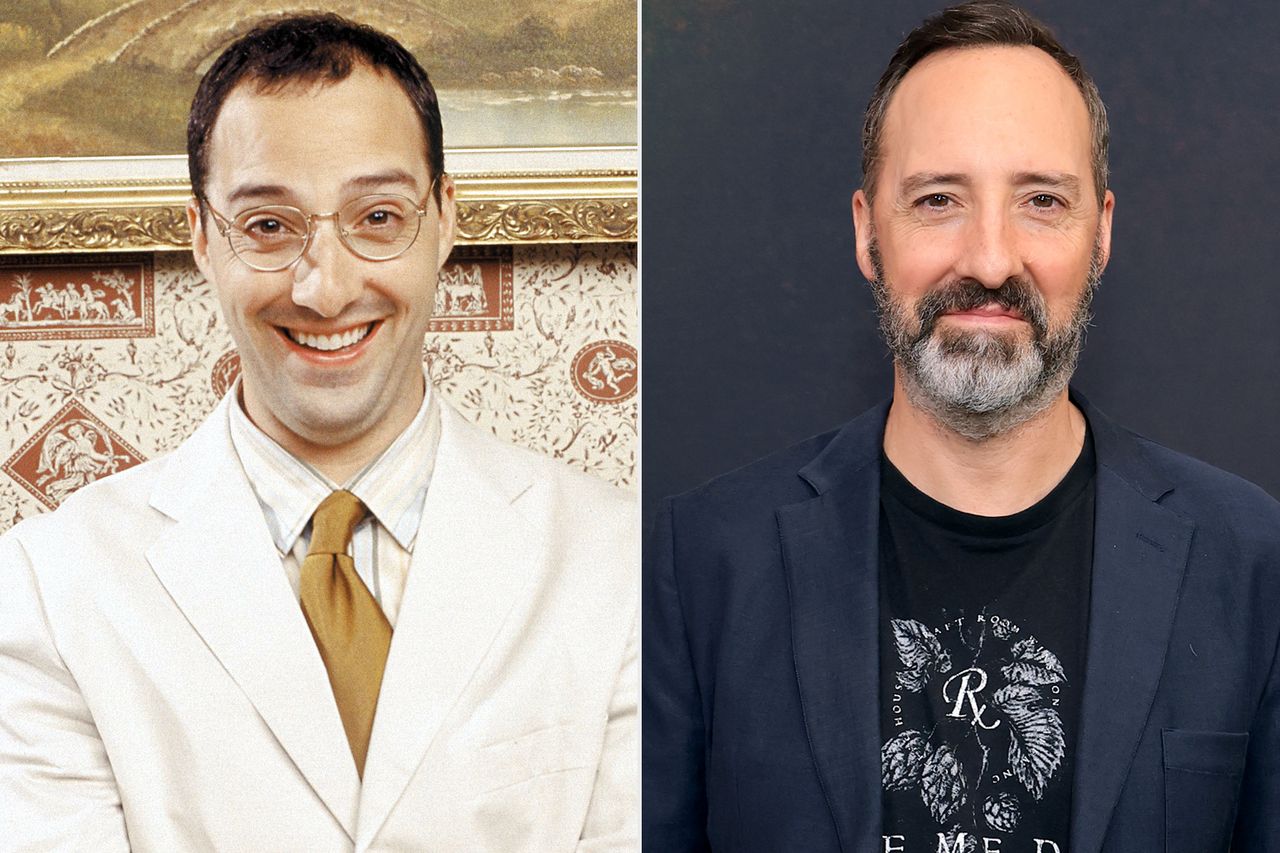
The actor who played the iconic character Buster Bluth in the critically acclaimed television series Arrested Development is Tony Hale. Throughout the show’s original run on Fox and its subsequent revival on Netflix, Hale provided the physical comedy and nuanced performance that defined the sheltered, eccentric, and perpetually anxious younger brother of the Bluth family.
Contents
Who is Tony Hale?
Tony Hale is an American actor and comedian best known for his portrayal of Maurice "Buster" Bluth. Born in 1970 in West Point, New York, Hale began his career in theater and commercial acting before landing the role that would define his early television career. His background in improvisational comedy and his ability to convey extreme vulnerability through body language made him the ideal candidate for the role of the youngest Bluth sibling.
Before joining the cast of Arrested Development in 2003, Hale appeared in various guest spots on television shows, but it was his ability to navigate the complex, dry humor of the Bluth family dynamic that earned him critical acclaim. Following his time on the show, he continued to find significant success, most notably in the role of Gary Walsh on the HBO series Veep, for which he won two Primetime Emmy Awards for Outstanding Supporting Actor in a Comedy Series.
The Character: Buster Bluth
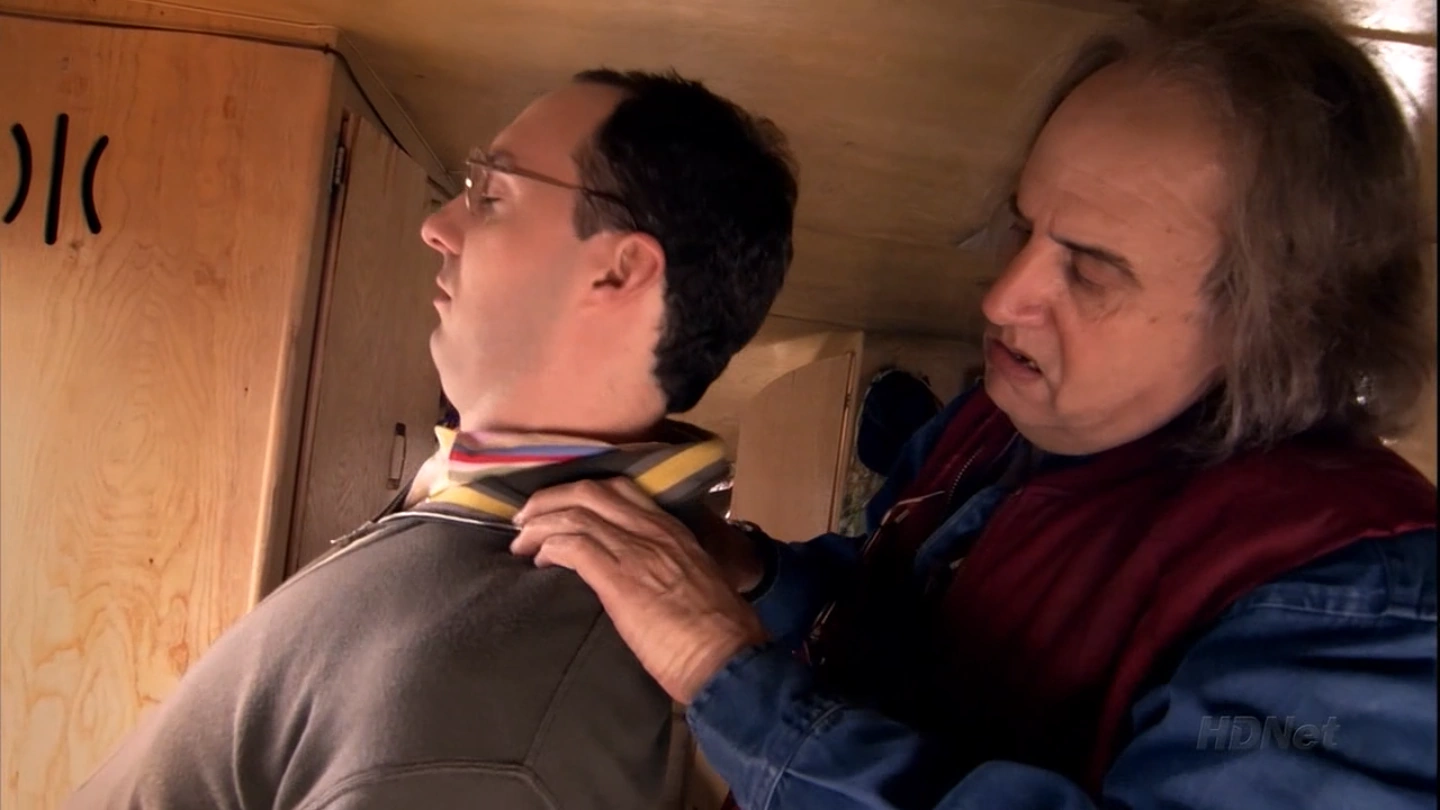
Buster Bluth serves as one of the central figures of the Arrested Development ensemble. Throughout the series, Buster is depicted as an overly sheltered individual, living under the intense, often stifling influence of his mother, Lucille Bluth. His character arc is defined by his delayed maturation, a series of bizarre vocational interests—ranging from cartography to marine biology—and his unfortunate history of physical accidents, most notably the loss of his left hand.
Key Aspects of the Character
- Dependency: His psychological attachment to his mother remains a running gag and a plot catalyst for most of the show's narrative.
- The "Hook": In the show's second season, the character loses his hand to a seal, which serves as a dark comedy plot point, leading to the use of a prosthetic hook for the remainder of the series.
- Vocational Fumbling: Buster frequently attempts to reinvent himself, yet these attempts almost always collapse due to his inability to handle real-world pressure or his mother’s direct interference.
Behind the Scenes: Casting and Character Development
The casting of Tony Hale was instrumental in the show's success. The creators of Arrested Development, specifically Mitchell Hurwitz, sought an actor who could embody "arrested development" in a literal sense. Hale’s performance is often praised by critics for its "physical sensitivity." He played Buster not merely as a joke, but as a person whose lack of autonomy was a tragic byproduct of his environment.
Hale’s process involved focusing on the character's insecurity. He famously noted in interviews that he leaned into the "frightened child" archetype to ensure that Buster remained sympathetic despite his increasingly erratic behavior. The interplay between Hale and Jessica Walter, who played Lucille Bluth, is widely cited by television historians as one of the strongest comedic partnerships of the 2000s.
The Evolution of the Show's Distribution
Arrested Development experienced a unique production history that spanned two decades. Understanding the timeline is essential for viewers looking to track the actor's work across different platforms.
| Production Phase | Network/Platform | Release Years | Note |
|---|---|---|---|
| Original Run | Fox | 2003–2006 | Established the cult following. |
| Revival Era 1 | Netflix | 2013 | Season 4 introduced a new structure. |
| Revival Era 2 | Netflix | 2018–2019 | Completion of the Bluth family arc. |
Why Buster Bluth Remains a Cult Icon
The endurance of the character Buster Bluth in modern pop culture is largely due to the show’s transition from network television to streaming. When the show reached a wider audience via digital platforms in the early 2010s, new viewers discovered the nuance in Hale’s performance. Memes, GIFs, and recurring quotes featuring Buster—such as his "I'm a monster!" outburst—continue to circulate on social media, keeping the character relevant years after the final season aired.
Impact on Comedy Performance
Hale’s portrayal shifted the way comedic actors approach "man-child" roles. Rather than playing the archetype for purely boisterous effect, Hale introduced a level of anxiety and genuine psychological damage that made Buster feel like a real, albeit deeply troubled, human being. This approach influenced a wave of subsequent comedic performances where characters were granted more emotional depth despite their absurd circumstances.
Frequently Asked Questions
Did Tony Hale return for all seasons of Arrested Development? Yes, Tony Hale appeared in all five seasons of the show. While the structure of the fourth season utilized a fragmented timeline that occasionally limited the number of scenes characters shared, Hale was present throughout the entire run.
How did Tony Hale prepare for the role of Buster? Hale has stated in various interviews that he drew upon his own experiences of anxiety. By tapping into the feeling of being "stuck" or overwhelmed by societal expectations, he was able to humanize Buster's extreme reactions to his mother and his environment.
What is the significance of the "hook" in the show? The hook was a narrative device that signaled a shift in the show’s tone. It pushed Buster from a passive, homebound character into a slightly more active—albeit still deeply flawed—participant in the family’s chaotic schemes. It also provided a vehicle for slapstick comedy that relied on the physical limitations of the prosthetic.
Has Tony Hale worked with the Arrested Development cast since the show ended? Hale maintains strong professional and personal relationships with his former castmates. He has appeared in several projects alongside actors like Will Arnett and Jason Bateman in various capacities, reflecting the tight-knit nature of the show’s original ensemble.
Is Buster Bluth considered the show's primary antagonist? No, Buster is generally considered a victim of his family's circumstances rather than an antagonist. While his actions occasionally cause conflict, the show’s primary antagonists are typically his mother, Lucille, or his brother, Gob, due to their more calculated and malicious decision-making.
Recommendation for Further Viewing
If you enjoyed Tony Hale's work as Buster Bluth and wish to see the evolution of his acting style, consider exploring his tenure on Veep. While the character of Gary Walsh is professionally subservient—similar to Buster’s dynamic with his mother—it allows Hale to display a different type of neuroticism that is both hilarious and deeply poignant. For those interested in the craft of acting, comparing these two roles provides an excellent case study in how a performer can inhabit similar character traits while creating entirely distinct personalities.
Image Gallery