The Life and Public Aftermath of Jeffrey Dahmer’s Parents
The parents of Jeffrey Dahmer, Lionel and Joyce Dahmer, occupied a singular position in American history as the figures closest to one of the most notorious serial killers of the 20th century. Following the revelation of their son’s cr...
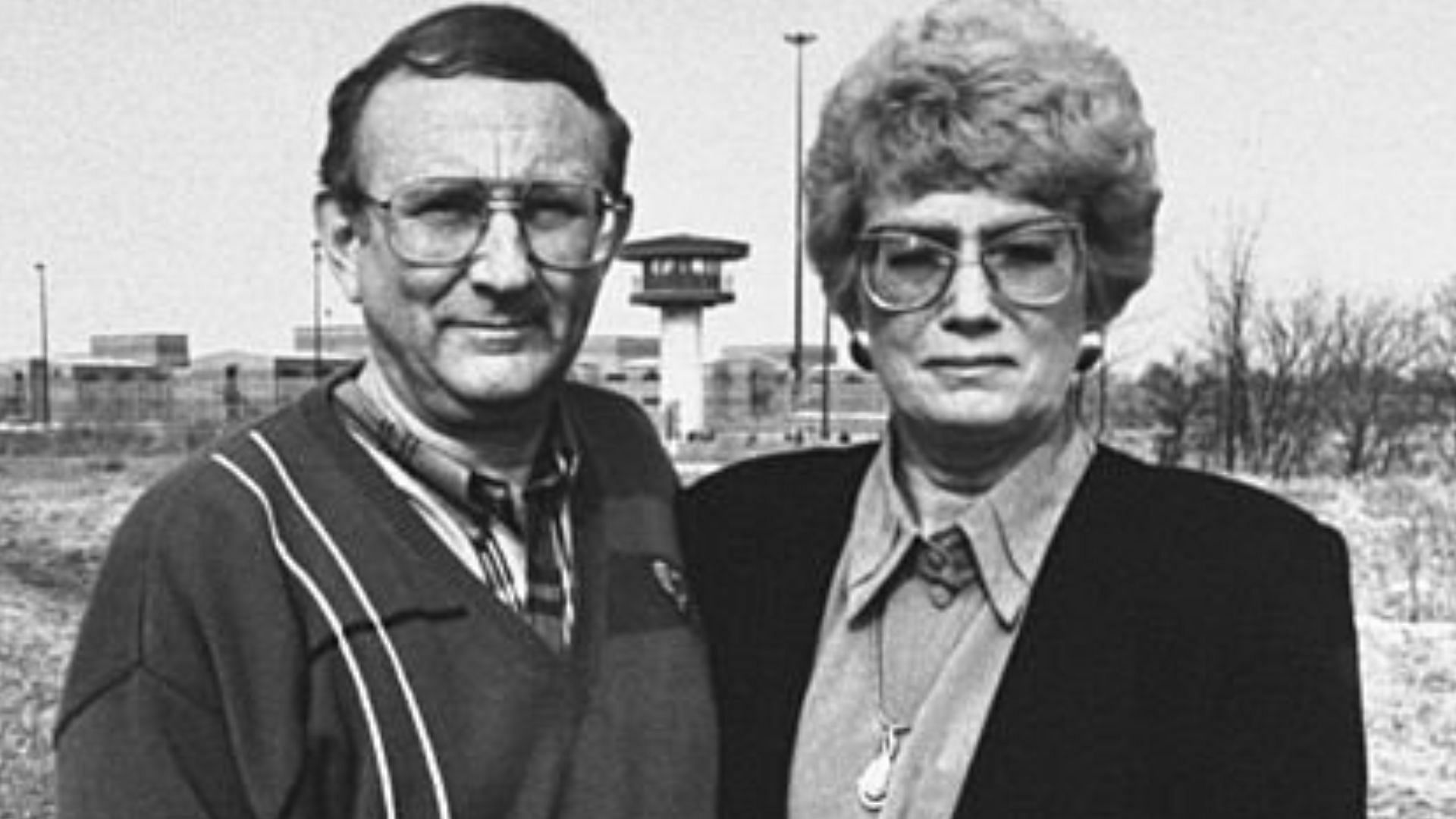
The parents of Jeffrey Dahmer, Lionel and Joyce Dahmer, occupied a singular position in American history as the figures closest to one of the most notorious serial killers of the 20th century. Following the revelation of their son’s crimes in 1991, both individuals were thrust into an unwanted public spotlight, forced to navigate the complex psychological and legal aftermath of his atrocities while managing their own personal histories and eventual reconciliation with the reality of their son's life.
Contents
Understanding the Background of Lionel and Joyce Dahmer
Lionel Dahmer, a research chemist, and Joyce Dahmer, a teletype operator, married in 1959. Their life in the Midwest appeared conventional to outside observers, but they lived through a tumultuous period that included a strained marriage, health issues, and the subtle, often overlooked behavioral shifts of their son, Jeffrey. They divorced in 1978, the same year Jeffrey graduated from high school and began his descent into criminality.
The couple’s dynamic was scrutinized extensively by psychologists, true-crime investigators, and the media during the trial proceedings in Milwaukee. The focus was largely placed on whether environmental factors in the household—such as marital discord, prescription drug use, and a perceived lack of emotional intimacy—contributed to the development of Jeffrey’s psychological pathology. Lionel and Joyce often found themselves defending their roles as parents while simultaneously struggling to comprehend the monstrous reality of their son’s actions.
Lionel Dahmer: Scientific Inquiry and Parental Grief
Lionel Dahmer remained a public figure long after the trials concluded. Driven by a need to understand the underlying causes of his son’s behavior, he authored the 1994 memoir A Father’s Story. In this document, he explored his own potential culpability, the genetic predispositions he feared might have played a role, and the overwhelming confusion of a parent attempting to bridge the gap between the child he raised and the man who committed horrific acts.
Throughout his later years, Lionel consistently expressed empathy for the victims' families, emphasizing that he lived with a permanent sense of guilt. Unlike some family members of infamous criminals, Lionel did not attempt to shift blame entirely. He utilized his scientific background to dissect the "nature versus nurture" argument, ultimately leaving the public with a detailed, albeit tragic, account of a father’s failed attempt to identify early warning signs. Lionel passed away in December 2023, leaving behind his later wife, Shari Dahmer, who had supported him through the decades of public scrutiny.
Joyce Dahmer: Struggle and Advocacy
Joyce Dahmer’s experience following the 1991 arrests was characterized by severe mental health challenges and a profound attempt at isolation. She struggled to reconcile her memories of Jeffrey as a child with the accounts provided by prosecutors and the media. During the years following the trial, she moved to Fresno, California, where she dedicated significant portions of her life to social work, specifically assisting those living with HIV/AIDS.
Her work in the public health sector was often viewed by observers as a form of atonement. By helping a community that had been disproportionately affected by the societal neglect surrounding the AIDS epidemic, some commentators suggested that Joyce was attempting to balance a personal moral debt. She maintained a lower public profile than Lionel, rarely granting interviews in her later years. She passed away in 2000, having spent the final decade of her life navigating the heavy weight of her son’s legacy.
Comparison of Parental Responses
The following table outlines the key differences in how Lionel and Joyce Dahmer approached the aftermath of their son's crimes and their public interactions.
| Feature | Lionel Dahmer | Joyce Dahmer |
|---|---|---|
| Public Presence | Author of A Father's Story | Mostly reclusive |
| Primary Focus | Analyzing behavioral causes | Private advocacy and atonement |
| Key Occupation | Research Chemist | Social Worker (HIV/AIDS outreach) |
| Perspective | Scientific/Analytical approach | Emotional/Psychological struggle |
| Later Years | Provided periodic interviews | Lived in relative isolation |
The Impact of Public Scrutiny
The parents of Jeffrey Dahmer were early subjects of the modern true-crime obsession. For decades, they were subjected to intense media pressure, public judgment, and the frequent intrusion of journalists seeking a "reason" for the crimes. This constant attention often obscured the human reality of their situation: two individuals who were also victims of the trauma caused by their son’s actions.
The scrutiny they faced raised important questions about the responsibilities of the families of offenders. Is a parent truly the keeper of their adult child’s morality? In the case of the Dahmers, the public often demanded a definitive answer, expecting that if a parent could not explain the origin of such evil, they must be hiding a failure. This societal burden created an environment where the parents were forced to continuously justify their existence, even as they grappled with their own internal despair.
Psychological Implications and Modern Perspectives
Contemporary psychology suggests that the development of a serial offender is rarely the result of a single parental action or domestic environment. Modern forensic psychology places greater weight on complex interactions between biological predispositions, developmental environments, and idiosyncratic life events.
While the "refrigerator mother" or "cold father" theories were popularized in the late 20th century to explain serial violence, they have largely been abandoned in favor of more nuanced behavioral profiles. For the Dahmers, this shift in scientific understanding came too late to provide them with much comfort. The public trial of their parenting skills occurred during a time when society was eager for simple, blame-based narratives rather than complex psychological realities.
Frequently Asked Questions
Did Lionel and Joyce Dahmer stay in contact after the divorce? Following their 1978 divorce, their contact became increasingly sporadic. The discovery of Jeffrey’s crimes initially brought them back into a shared public sphere, but they largely navigated the ordeal through separate legal and personal avenues.
What did Lionel Dahmer conclude was the cause of Jeffrey’s crimes? In his memoir, Lionel theorized that a combination of environmental factors, social isolation, and potential latent genetic issues contributed to Jeffrey's development, though he admitted that a definitive "cause" remained elusive even after extensive reflection.
How did the media affect the lives of the Dahmers? The media coverage was relentless. Both parents were often door-stepped by reporters and subjected to public ire, which forced them into defensive postures and contributed to the social isolation they both experienced later in life.
Are there any surviving family members? Jeffrey Dahmer’s younger brother, David Dahmer, chose to change his name and step entirely out of the public eye. He has remained completely private, avoiding all association with the crimes of his brother.
Did Joyce Dahmer ever speak publicly about her son’s victims? Joyce generally avoided the spotlight, but through her social work in the HIV/AIDS community, she indirectly addressed themes of care and support, which many saw as her personal response to the devastation her son caused to the LGBTQ+ community.
Next Steps for Further Research
For those looking to gain a deeper understanding of this history beyond the sensationalized versions often found in entertainment media, it is advisable to consult the primary transcripts from the 1991 Milwaukee trial, which are maintained in public archives. These records provide a neutral, factual basis for understanding the timeline of the crimes and the testimonies provided by both parents under oath. Additionally, reading Lionel Dahmer’s memoir offers the most direct insight into the paternal experience, provided the reader approaches it as a subjective account rather than an objective psychological study.
Image Gallery