What Questions Are Asked in Life Insurance Underwriting
Life insurance underwriting involves a comprehensive assessment of your mortality risk through a series of questions covering your health history, lifestyle habits, occupation, and financial standing. Insurers use these inquiries to de...
Life insurance underwriting involves a comprehensive assessment of your mortality risk through a series of questions covering your health history, lifestyle habits, occupation, and financial standing. Insurers use these inquiries to determine your eligibility for coverage and to calculate the appropriate premium rates based on the statistical likelihood of a claim during the policy term.
Contents
The Purpose of Underwriting
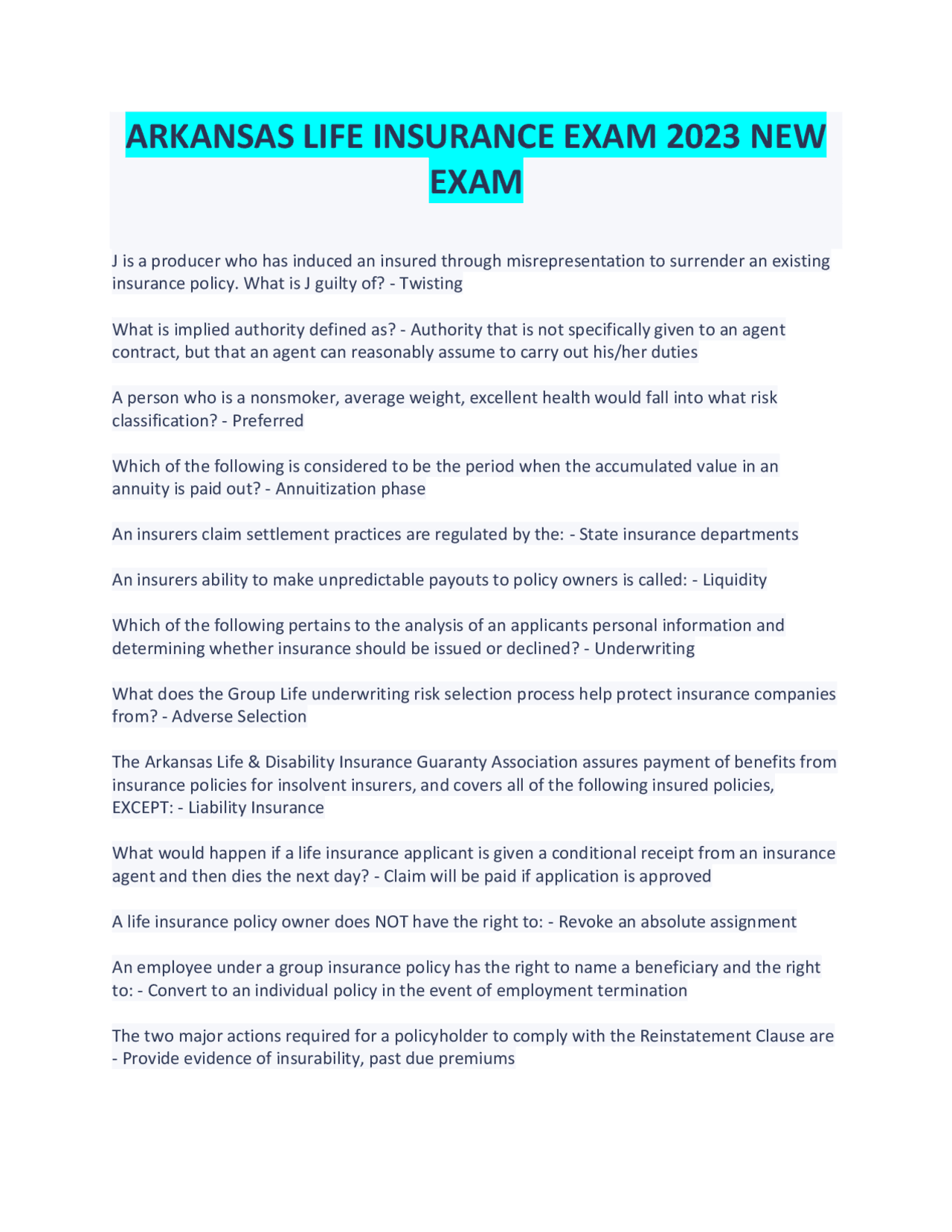
Underwriting is the mechanism by which an insurance company evaluates the risk an applicant poses to the insurer’s pool of funds. When you apply for a policy, the company is effectively taking a bet on your longevity. To minimize the chances of an unexpected payout, they must differentiate between "standard" risks and those with underlying health issues or hazardous habits.
By asking specific, targeted questions, underwriters build a profile that encompasses your medical background and day-to-day choices. This process ensures that premiums remain sustainable for all policyholders while allowing the insurer to offer coverage tailored to specific risk levels. If you withhold information or provide inaccurate answers, it can result in a denial of coverage or, in the event of a future claim, the potential invalidation of the death benefit.
Personal and Demographic Information
The initial phase of underwriting focuses on basic identification and demographic data. While these questions seem administrative, they provide the foundation for your risk profile.
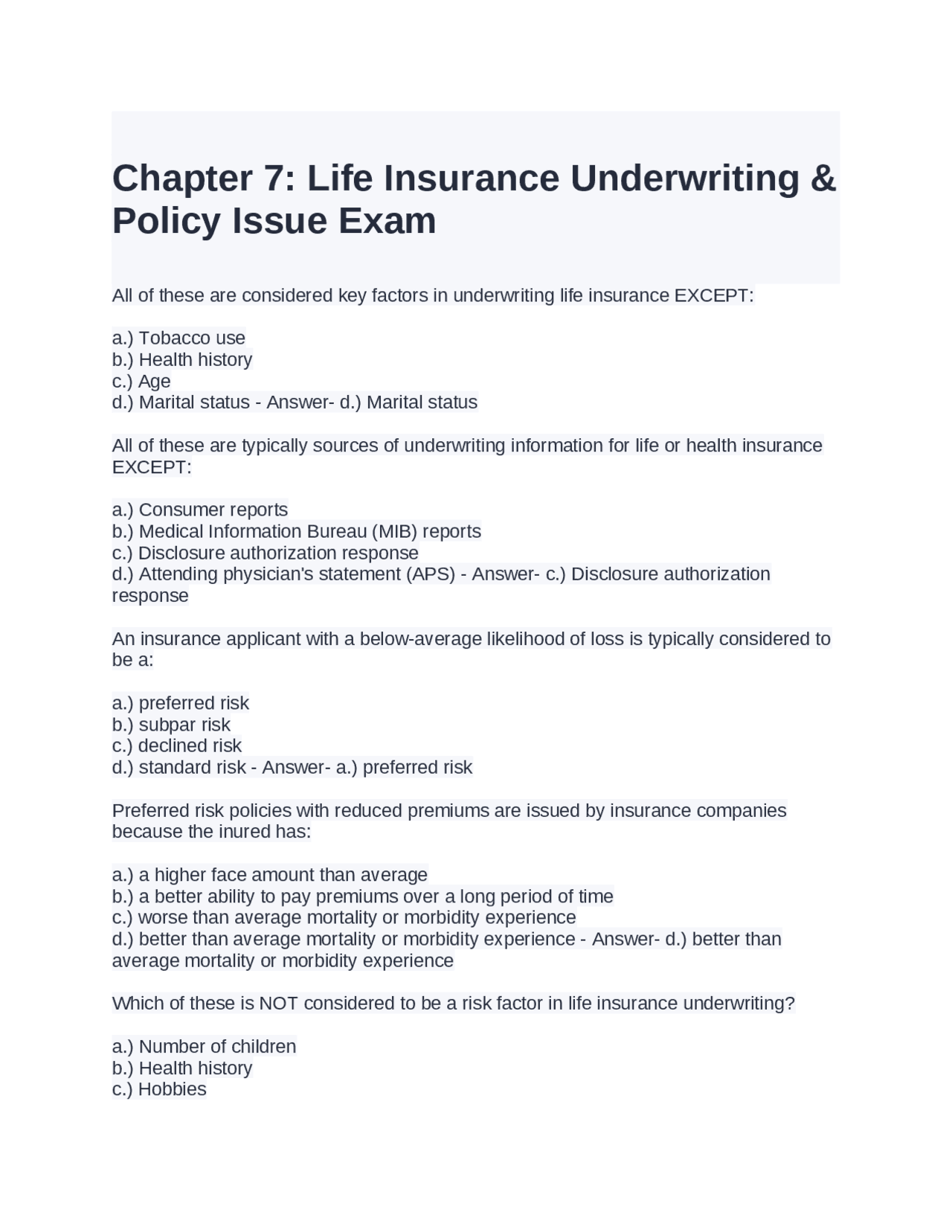
- Age: This is the primary driver of life expectancy calculations. As you age, the statistical probability of mortality increases, which correlates directly with higher premiums.
- Gender: Actuarial tables historically indicate different life expectancies for men and women, which influences pricing.
- Tobacco Use: This is one of the most critical factors. Smokers or users of nicotine-delivery products are classified into separate risk brackets because of the statistically significant link between tobacco consumption and chronic diseases like cancer and heart disease.
Medical History and Family Background
Insurers look beyond your current state of health to understand your long-term wellness trajectory. You will be expected to disclose significant information regarding your clinical past and biological risks.
- Current Health Status: You must provide details regarding any chronic conditions such as diabetes, hypertension, high cholesterol, or asthma.
- Prescription Medications: A list of all current medications is required. Underwriters look for the drug, the dosage, and the frequency of use to gauge how well a condition is managed.
- Past Procedures and Hospitalizations: You will be asked about any surgeries, hospital stays, or major diagnostic tests conducted within the last 5 to 10 years.
- Family Medical History: Insurers frequently ask about the health history of immediate family members (parents and siblings), specifically regarding premature deaths due to heart disease, stroke, or hereditary cancers. This helps estimate your genetic predisposition to certain conditions.
Lifestyle, Hobbies, and Occupation
Not all risks are medical. Your daily routine and the activities you choose to participate in provide underwriters with insight into potential hazards.
- Hazardous Hobbies: If you participate in activities such as scuba diving, skydiving, rock climbing, or private aviation, you must disclose these. These activities are viewed as "avocations" that carry a higher risk of accidental death.
- Occupation: Certain professions involving high-risk environments—such as working at extreme heights, handling explosives, or offshore deep-sea diving—can impact your premium or result in an exclusion rider.
- Travel Plans: If you frequently travel to areas categorized by government agencies as high-risk or politically unstable, the insurer may inquire about the duration and nature of these trips.
Financial Underwriting
Financial underwriting ensures that the amount of insurance requested is proportionate to your financial need. This prevents individuals from obtaining coverage that exceeds their actual economic value or the financial impact that their death would have on dependents.
- Income and Net Worth: You must often provide proof of income (such as tax returns or pay stubs). This allows the insurer to verify that you have a "financial insurable interest." For instance, someone with an annual income of $50,000 is unlikely to be approved for a $20 million policy, as this could be viewed as a moral hazard.
- Existing Coverage: You will be asked to disclose all active life insurance policies. This prevents "over-insurance," where the total death benefit across all policies creates a financial incentive that outweighs the economic reality of the loss.
Typical Underwriting Factors Comparison
The following table summarizes the common categories and how they generally influence the underwriting decision process.
| Factor | Primary Data Point | Potential Impact on Premium |
|---|---|---|
| Tobacco Use | Current/Past usage status | Significant increase |
| Blood Pressure | Current readings (systolic/diastolic) | Moderate to high impact |
| BMI | Height/Weight ratio | Varies; can be high if outside range |
| Family History | Mortality of parents/siblings | Moderate impact |
| High-Risk Hobby | Frequency/Skill level | Policy exclusion or surcharge |
| Financial Need | Income vs. Requested Benefit | Denial if inconsistent |
The Verification Process
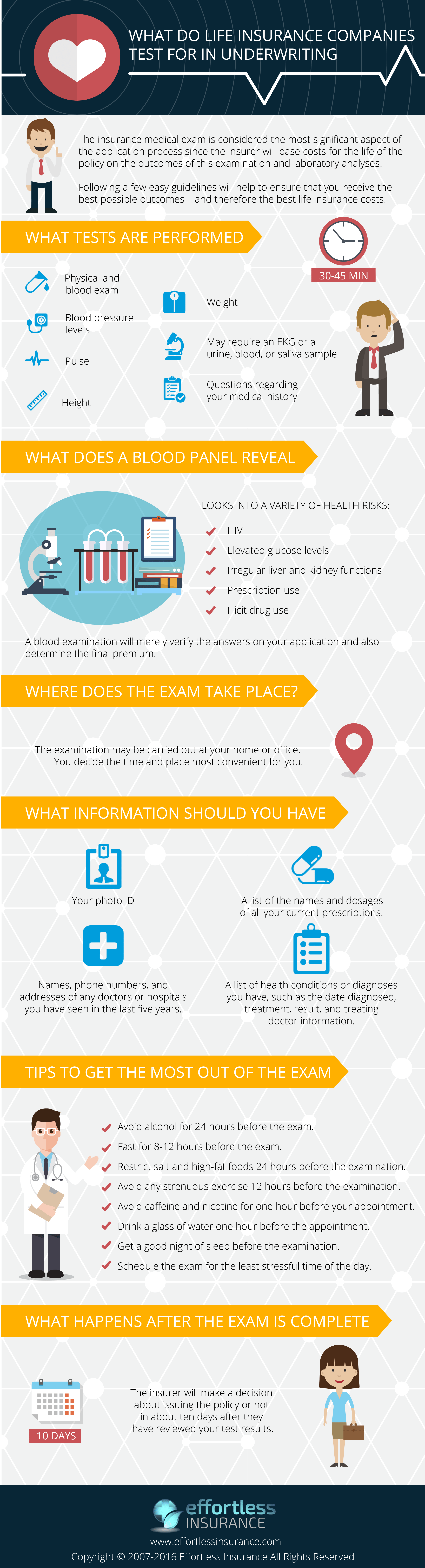
Your answers are not taken at face value. Underwriters verify the information provided through several external sources:
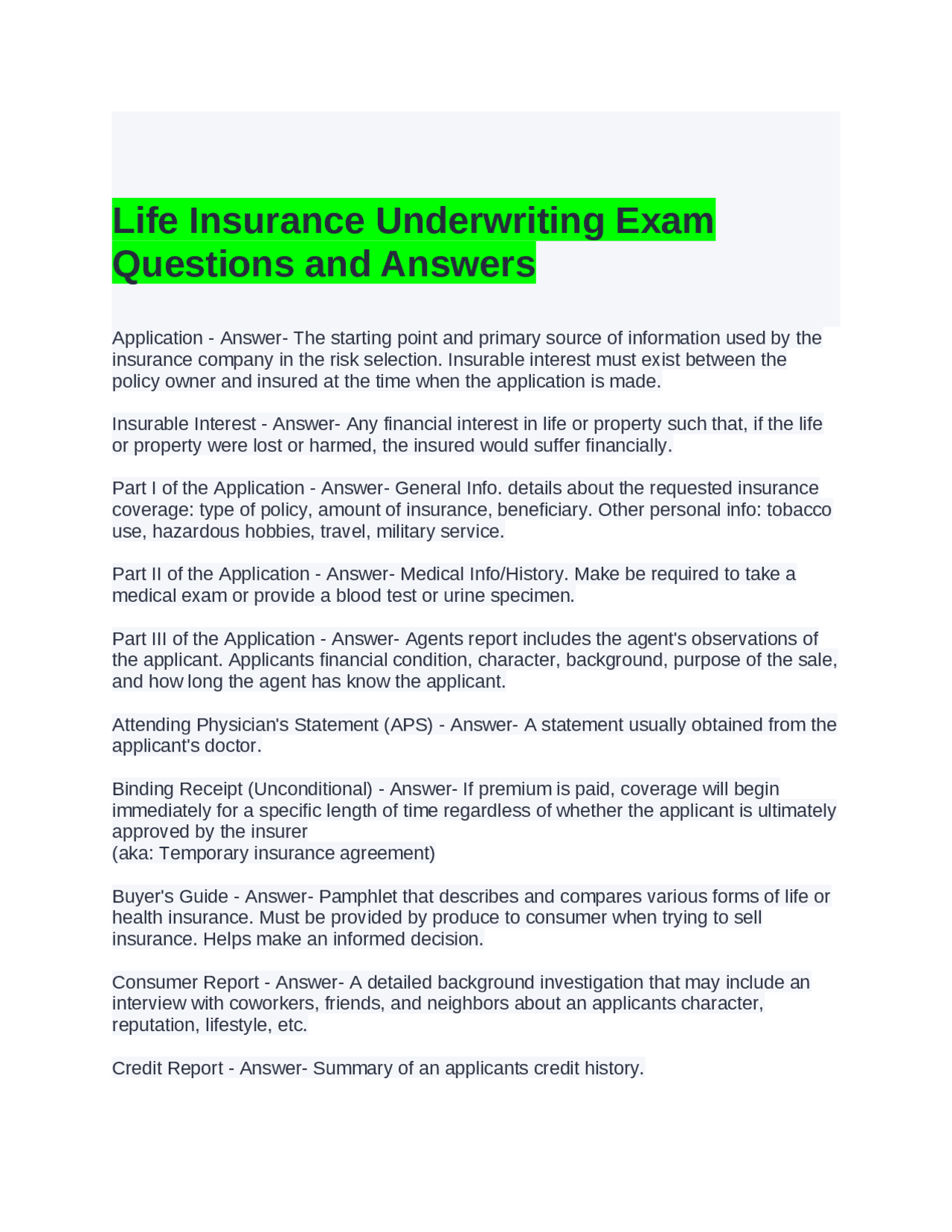
- Medical Information Bureau (MIB): A database where member insurance companies share information about an applicant’s health history to prevent fraud.
- Motor Vehicle Reports (MVR): A history of reckless driving, multiple accidents, or DUI convictions can lead to higher premiums or a denial, as these behaviors suggest a higher risk of accidental death.
- Prescription Database Reports: Insurers can access pharmacy records to see what medications you have filled, which serves as a cross-reference for the medical conditions you disclosed.
- Paramedical Exam: For many policies, you will be required to undergo a physical exam where a nurse measures your height, weight, blood pressure, and takes blood and urine samples to test for nicotine, alcohol, and health markers like glucose and liver enzymes.
Professional Advice Limitation
This article is for informational purposes only and does not constitute financial, legal, or medical advice. Underwriting guidelines are proprietary to each insurance company and can change based on internal risk modeling. You should consult with a licensed insurance agent or a financial planner to discuss your specific situation, as individual medical conditions or financial circumstances require professional interpretation.
Frequently Asked Questions
1. Does every life insurance application require a medical exam? No. In 2026, many "accelerated underwriting" programs use data analytics to approve policies without physical exams. However, this is usually reserved for younger applicants or those seeking lower coverage amounts.
2. Can I be denied for having a family history of heart disease? Generally, you are not denied solely based on family history. However, if your medical record combined with a family history suggests a high risk, the insurer may charge a higher "rating" or premium for the policy.
3. What happens if I forget to disclose a medication on the application? Inadvertent omissions can cause delays or adjustments to your offer. If you knowingly omit information, the insurer may contest a claim within the "contestability period" (typically the first two years of the policy), which could result in a denial of the death benefit.
4. How does my driving record affect my life insurance rates? Driving records provide a proxy for your general attitude toward safety. Multiple violations suggest you are a higher risk, which underwriters account for in the premium calculation.
5. Is the underwriting process different for term vs. permanent insurance? The core questioning is largely similar, as the medical risk remains the same. However, permanent insurance often involves more rigorous financial underwriting due to the higher premiums and cash-value components of the policy.
Next Steps
If you are preparing to apply for a life insurance policy, start by gathering your financial records, a list of all prescription medications, and details regarding any medical treatment received in the last decade. Being transparent and prepared will streamline the process and help ensure your application moves through the underwriting pipeline as quickly as possible. Reach out to a certified financial planner to ensure the amount of coverage you are requesting aligns with your long-term financial goals and risk management strategy.
Image Gallery