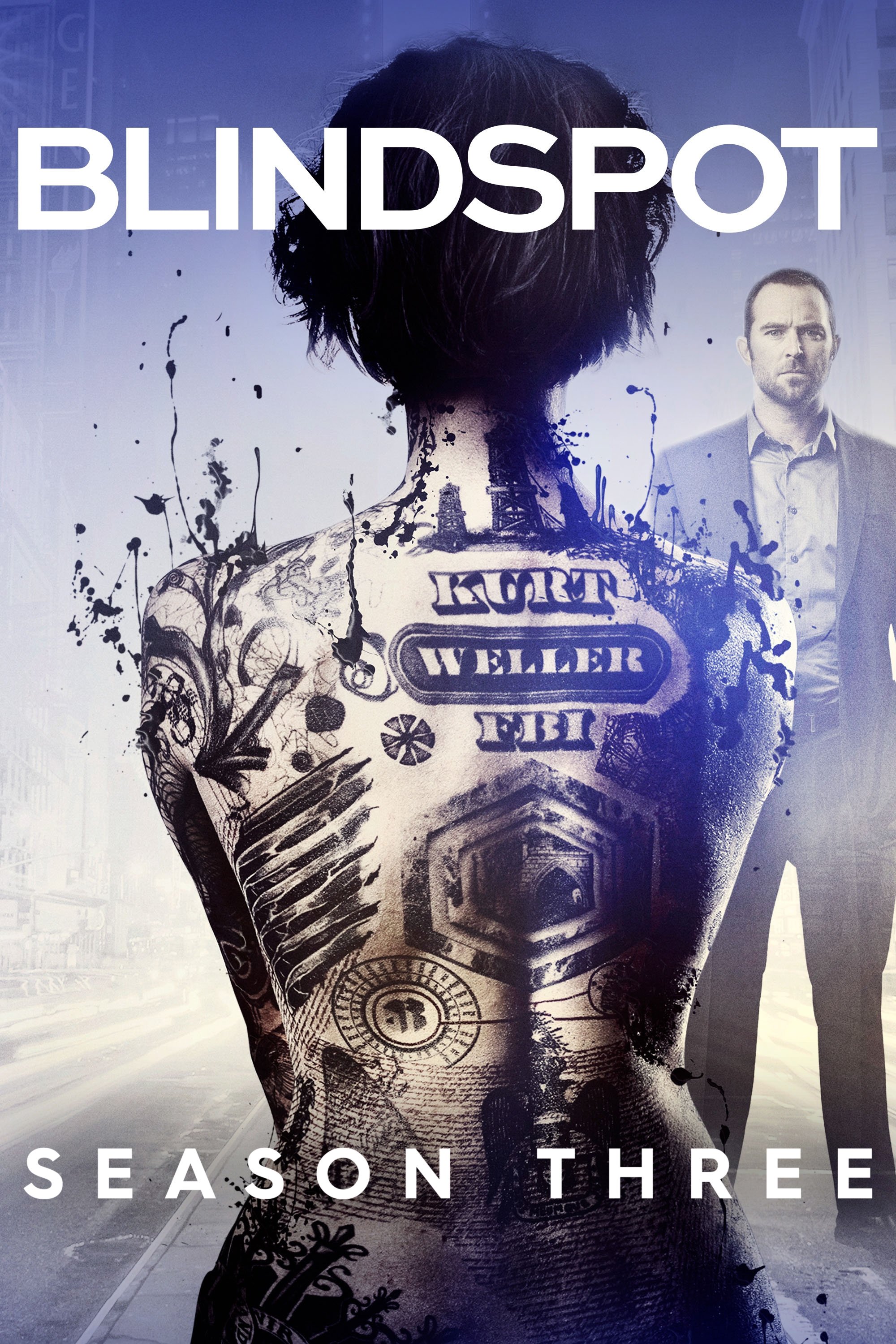
The Mystery Deciphered: Blindspot Tattoos Explained Throughout the Series
In the NBC series Blindspot, the tattoos covering Jane Doe’s body serve as a complex, living database of unsolved crimes and government conspiracies. These markings were meticulously designed by the organization Sandstorm to guide FBI...
In the NBC series Blindspot, the tattoos covering Jane Doe’s body serve as a complex, living database of unsolved crimes and government conspiracies. These markings were meticulously designed by the organization Sandstorm to guide FBI Agent Kurt Weller and his team through a labyrinth of corruption, with each tattoo acting as a puzzle piece that reveals a specific threat or historical secret.
Contents
When the series premiered, the sight of a woman climbing out of a duffel bag in the middle of Times Square, her entire body inked with intricate designs, captivated audiences. As we look back from the perspective of 2026, Blindspot remains a landmark in procedural storytelling due to its unique "case-of-the-week" format driven entirely by body art. To understand the tattoos is to understand the soul of the series: a struggle between predestination, identity, and the heavy cost of systemic justice.
The Architecture of Jane Doe’s Body Art
The tattoos on Jane Doe (later identified as Remi Briggs and Alice Kruger) were not applied randomly. They are a multi-layered architectural feat of intelligence and psychological warfare. Created by Shepherd (the leader of Sandstorm) and Remi herself before her memory was wiped with the drug ZIP, the tattoos were intended to be a "treasure map" for the FBI.
The Primary Layer: The Sandstorm Blueprint
The first and most prominent layer of tattoos consists of traditional black ink designs. These were designed to expose "Daylight," a highly classified and illegal government program that used stolen data to prevent crimes before they happened—often at the cost of civil liberties.
These tattoos were categorized by their function:
- GPS Coordinates: Leading the team to physical locations of impending attacks or hidden evidence.
- Ciphers and Anagrams: Requiring linguistic and mathematical decoding to reveal names or dates.
- Historical References: Using mythology or historical events to mirror contemporary political scandals.
The Second Layer: The Bioluminescent Additions
In the show’s third season, a new layer of complexity was introduced. These tattoos were invisible to the naked eye, appearing only under specific ultraviolet (UV) light frequencies. Added by Jane’s brother, Roman, these markings were designed to continue the mission after the original Sandstorm plan was dismantled. This layer focused more on international corporate corruption and the personal history of the characters, forcing the team to confront their own secrets.
Key Tattoos and Their Narrative Significance
While there are over 200 individual tattoos on Jane’s body, several specific markings define the trajectory of the series. These tattoos provide the clearest explanation of how the "game" was played between the protagonists and the shadowy forces they pursued.
The Kurt Weller Nameplate
The most significant tattoo is the one that started it all: "KURT WELLER" tattooed in bold letters across Jane’s back. This was the "anchor" tattoo. Its primary purpose was to ensure that Jane Doe was delivered specifically to Agent Weller’s team at the FBI’s New York Field Office. By linking Jane directly to a respected federal agent, Sandstorm guaranteed that the FBI would dedicate its full resources to solving the puzzles, effectively turning the bureau into an unwitting tool for Sandstorm's agenda.
The Bird of Orion
The "Orion" tattoo—a stylized bird—represented one of the show's most enduring mysteries. For much of the first season, Orion was thought to be a person or a place. It was eventually revealed to be a secret site where illegal government activities were being conducted. The tattoo served as a warning and a trailhead, leading Jane and Weller to the realization that the people they worked for were just as compromised as the criminals they hunted.
The "Daylight" Square
A small, seemingly innocuous square tattoo was the key to unlocking the "Daylight" conspiracy. This tattoo contained a hidden code that, when mapped against a specific grid, revealed the names of the four individuals responsible for the illegal program: Saul Guerrero, Mayfair (the FBI Assistant Director), Tom Carter, and Sofia Varma. This specific tattoo explained the series' early focus on internal FBI corruption and the moral ambiguity of the protagonists' superiors.
| Tattoo Category | Primary Function | Key Example |
|---|---|---|
| Direct Address | Identifies specific individuals | Kurt Weller’s name on Jane’s back. |
| Geographic | Pinpoints locations of interest | The GPS coordinates for the Brooklyn safehouse. |
| Operational | Exposes secret government projects | The Orion Bird and the Daylight Square. |
| Personal | Relates to Jane/Remi’s past | The "M" on her neck (referencing her brother Roman). |
| Future-Facing | Bioluminescent clues for Season 3+ | The puzzle leading to Crawford’s international web. |
The Role of Patterson in the Decoding Process
The tattoos would be meaningless without the intellectual prowess of William Patterson, the head of the FBI Forensic Science Unit. Her character serves as the "explainer" for the audience, translating abstract art into actionable intelligence.
Patterson utilized a specialized software program she developed to map Jane’s body in a 3D space. This allowed the team to see how tattoos on different parts of the body might interact when Jane moved or stood in specific positions. For instance, some puzzles could only be solved when Jane crossed her arms or stood in a specific way, aligning disparate ink marks to form a new image or code. This "kinetic" element of the tattoos added a layer of physical mystery that separated Blindspot from other procedural dramas.
The Roman Variable: Changing the Rules
Midway through the series, the nature of the tattoos shifted from a pre-planned roadmap to a dynamic weapon. After Jane’s brother, Roman, was cast out of the FBI’s inner circle, he used his knowledge of the original designs to manipulate the team.
Roman’s additions were not just about solving crimes; they were about punishment. He used the bioluminescent tattoos to lead the team to "crimes" that were actually moral traps, forcing Weller, Zapata, and Reade to face the darker aspects of their own careers. This era of the series explains the shift from political thriller to a more character-driven psychological drama, where the tattoos became a mirror for the protagonists' souls.
Technical Execution of the Tattoos
Behind the scenes, the "explanation" for the tattoos is a triumph of prosthetic makeup and production design. For the actress Jaimie Alexander, the process was grueling, often taking seven to eight hours to apply the full-body ink.
- Design Phase: The show’s creator, Martin Gero, worked with a specialized designer to ensure every tattoo was a solvable puzzle. They drew inspiration from real-world ciphers, historical symbols, and even modern technology like QR codes.
- Application: The tattoos were applied using medical-grade adhesive "transfers." Unlike temporary tattoos found in stores, these were designed to withstand heavy action sequences and sweat without smearing or lifting.
- Continuity: Because the tattoos were the show's primary plot device, continuity was paramount. Every mark had to be in the exact same spot every day of filming, a feat managed by a dedicated team of makeup artists using body maps.
The Final Reveal: The Purpose of the "Game"
By the time the series concluded, the ultimate explanation for the tattoos was revealed to be a cycle of trauma and redemption. The tattoos were never just about the crimes; they were about Remi Briggs’ attempt to erase the person she was (a soldier for a terrorist group) and become the person she wanted to be (a hero).
The tattoos served as a bridge between two identities. They allowed Jane to use her "bad" past to do "good" in the present. Even as the ZIP drug threatened to destroy her mind, the tattoos remained as a permanent record of the truth. In the series finale, the resolution of the final tattoo wasn't a crime solved, but a choice made by Jane about who she truly was, independent of the ink on her skin.
Frequently Asked Questions
How many tattoos does Jane Doe have?
Jane Doe has approximately 200 individual tattoos. While some are large pieces, many are small, intricate ciphers or symbols that are only visible during close-up shots. Not every tattoo was "solved" during the show's run; some were left as background texture to maintain the mystery of her vast history.
Are the tattoos on Blindspot real?
No, the tattoos are not real. They were applied to actress Jaimie Alexander using a complex transfer process. On days when Jane was shown in short sleeves or specific clothing, only the visible tattoos were applied. Full-body application was reserved for scenes involving the laboratory or specific plot points requiring her to be shirtless.
Why did Shepherd tattoo Jane instead of just telling her the plan?
The tattoos served two purposes: they were a backup in case Jane was captured, and they were a psychological tool. By forcing the FBI to "solve" the crimes, Sandstorm ensured the bureau would have to admit the corruption publicly. If Sandstorm had simply released the information, it could have been dismissed as terrorist propaganda. The tattoos forced the government to prove its own guilt.
Did any of the tattoos lead to "good" people?
Most tattoos led to the exposure of criminals or corrupt officials, but some were designed to protect innocent people caught in the crossfire of the Daylight program. The tattoos were essentially a "scorched earth" policy; they didn't care about the collateral damage to the FBI team’s personal lives, as long as the systemic corruption was rooted out.
Practical Recommendation for Viewers
If you are revisiting the series or watching for the first time in 2026, pay close attention to the background details in Patterson’s lab. Many of the "solved" tattoos remain on the digital maps, and seeing how they connect across multiple seasons provides a much deeper understanding of the show’s intricate plotting. The tattoos are best viewed as a single, massive narrative tapestry rather than isolated incidents.
Image Gallery