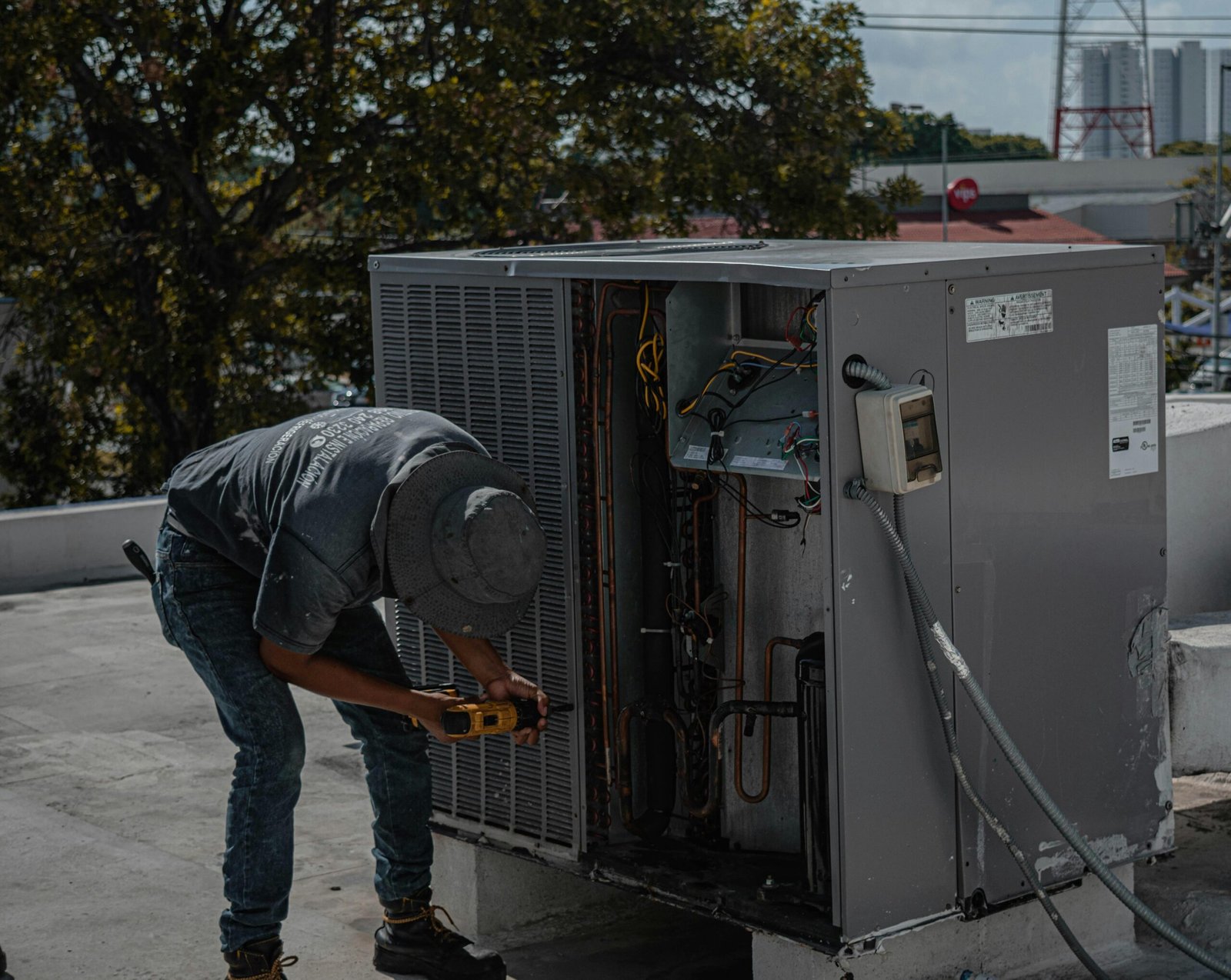
Navigating HVAC Workers Compensation Insurance in New Hampshire
Navigating HVAC workers compensation insurance in New Hampshire requires understanding state mandates, classification codes, and risk management strategies tailored to heating, ventilation, and air conditioning contractors. New Hampshi...
Navigating HVAC workers compensation insurance in New Hampshire requires understanding state mandates, classification codes, and risk management strategies tailored to heating, ventilation, and air conditioning contractors. New Hampshire law generally mandates workers compensation coverage for employers with even one employee, with specific rules governing corporate officers and sole proprietors. Contractors must navigate specialized classification codes—such as Code 5183 for plumbing and heating work—and explore strategies like experience modification factors, payroll audits, and safety programs to manage premium costs effectively.
Contents
Understanding New Hampshire Workers Compensation Mandates
Operating an HVAC contracting business in the Granite State involves strict adherence to state labor and insurance regulations. The New Hampshire Department of Labor oversees compliance, ensuring that workers who sustain job-related injuries or illnesses receive appropriate medical care and wage replacement benefits. For HVAC business owners, compliance is not merely an administrative checkbox; it is a foundational legal requirement that protects both the workforce and the enterprise from severe financial liabilities.
Unlike some jurisdictions that exempt small businesses with fewer than three or five workers, New Hampshire enforces a strict standard. Generally, any employer with one or more employees—whether full-time, part-time, seasonal, or temporary—must secure a workers compensation insurance policy. Failing to carry mandatory coverage can lead to substantial stop-work orders, steep financial penalties imposed by the state, and personal liability for civil suits brought by injured workers.
Corporate Officers and Sole Proprietors
The treatment of business owners under New Hampshire workers compensation statutes depends heavily on the legal structure of the enterprise:
- Sole Proprietorships and Partnerships: Sole proprietors and active partners are typically not automatically considered employees under New Hampshire law. Therefore, they can choose to exclude themselves from their own workers compensation policy. However, general contractors hiring sole proprietors often demand proof of coverage or a valid waiver before allowing them on a job site.
- Limited Liability Companies (LLCs): Members and managers of an LLC are generally treated as employees unless they explicitly elect to be excluded, provided they meet specific ownership thresholds outlined in state guidelines.
- Corporations: Corporate officers are presumed to be employees. If a corporation has officers who perform active duties, they must typically be included in the workers compensation policy unless they own a specified percentage of the corporate stock and file the appropriate exemption forms with their carrier and the state.
Classification Codes for HVAC Contractors
Insurance carriers use numerical classification codes to categorize businesses based on their primary operations and the specific exposures associated with those trades. Because HVAC work involves a blend of sheet metal fabrication, electrical wiring, plumbing, and mechanical piping, determining the correct classification code is critical for accurate premium calculation.
The National Council on Compensation Insurance (NCCI) administers classification codes in New Hampshire. Most HVAC contractors fall under code groupings that reflect the physical hazards of installation, repair, and maintenance work. Misclassifying employees—such as listing field technicians as clerical staff to lower upfront premiums—can result in severe penalties, back-premiums, and policy cancellation during an annual payroll audit.
| Classification Code | Description | Typical Operations | Risk Profile |
|---|---|---|---|
| Code 5183 | Plumbing: Non-Residential or Residential | Installation and repair of piping, heating systems, and related plumbing fixtures. | Medium-High (Slips, falls, cuts, burns) |
| Code 3724 | Millwork or Machinery Installation | Installation of heavy industrial HVAC equipment and large commercial chillers. | High (Heavy lifting, machinery hazards) |
| Code 5538 | Sheet Metal Work - Shop and Outside | Fabrication and installation of ductwork and ventilation components. | High (Lacerations, overhead work) |
| Code 8810 | Clerical Office Employees | Administrative staff, dispatchers, and bookkeepers with no field exposure. | Low (Sedentary office environment) |
Factors Influencing Insurance Premiums
Insurance premiums for New Hampshire HVAC workers compensation policies are not one-size-fits-all. Carriers calculate rates using a standardized formula that multiplies the employer's payroll (per $100) by the applicable NCCI classification rate, and then adjusts that figure using the business's Experience Modification Factor (Mod Rate). Understanding these variables helps contractors forecast expenses and implement loss-control measures.
Payroll and Rate Calculations
The base premium is derived directly from the total gross payroll of the business, segregated by classification code. Field technicians, installers, and service dispatchers command different rates due to their varying levels of occupational exposure. Insurance auditors review these payroll figures annually. If a company grows and hires more technicians, the actual premium will increase during the year-end reconciliation audit. Conversely, if payroll drops, the carrier issues a premium adjustment.
Experience Modification Factor (EMF)
The Experience Modification Factor is a multiplier based on the contractor's historical loss record compared to the average contractor in the same industry size group.
- An EMF of 1.00 represents the industry average.
- An EMF below 1.00 indicates a safer-than-average safety record, resulting in a premium discount (credit mod).
- An EMF above 1.00 reflects a history of frequent or costly claims, leading to a premium surcharge (experience mod debit).
Because HVAC installation and repair involves inherent hazards like ladder falls, electrical shocks, refrigerant burns, and heavy lifting strains, maintaining a low Mod Rate is one of the most effective ways to control long-term insurance overhead.
Risk Management and Safety Best Practices
Implementing proactive safety protocols directly influences workers compensation costs by reducing the frequency and severity of workplace injuries. Insurance underwriters look favorably upon contractors who maintain formal safety programs, as these initiatives demonstrate a commitment to loss control.
Essential Safety Protocols for HVAC Technicians
- Fall Protection Training: Technicians frequently work on roofs, ladders, and scaffolding to service rooftop units (RTUs). Mandatory training on harness usage, ladder securing, and OSHA fall protection standards significantly reduces catastrophic injuries.
- Electrical Safety and LOTO: Working on live circuits or high-voltage commercial equipment requires strict adherence to Lockout/Tagout (LOTO) procedures and personal protective equipment (PPE) standards.
- Ergonomic and Material Handling Guidelines: HVAC components—such as compressors, condensers, and heavy sheet metal—are cumbersome. Training workers in proper lifting techniques and encouraging the use of mechanical lifts prevents debilitating back strains.
- Refrigerant and Chemical Safety: Handling pressurized refrigerants poses chemical burn and asphyxiation risks. Technicians must be certified under Section 608 of the EPA and trained in safe cylinder handling and ventilation practices.
Securing Coverage and Verifying Compliance
HVAC contractors in New Hampshire can secure workers compensation insurance through the voluntary private insurance market, licensed independent insurance agents, or through specialized group self-insurance funds if eligible. For contractors who struggle to find coverage in the voluntary market due to a high-mod rate or loss history, the New Hampshire Workers Compensation Assigned Risk Plan serves as a residual market mechanism to ensure all operating businesses can obtain required coverage.
When hiring subcontractors, general contractors in New Hampshire must exercise caution. Under state principles, if an uninsured subcontractor fails to provide workers compensation coverage for their own employees or lower-tier subcontractors, the general contractor's insurance policy may be held liable for any resulting injury claims. Consequently, obtaining and verifying Certificates of Insurance (COIs) displaying active workers compensation coverage before any work commences is an essential administrative safeguard.
Frequently Asked Questions
Is workers compensation insurance mandatory for a one-person HVAC business in New Hampshire?
In New Hampshire, employers generally must provide coverage if they have even one employee. If you are a sole proprietor or single-member LLC with zero employees and you do not hire subcontractors, you may not be legally required to carry a policy for yourself. However, many commercial clients and general contractors require proof of coverage before awarding contracts, regardless of statutory minimums.
What happens if an HVAC contractor operates without workers compensation in New Hampshire?
Operating without required coverage is a serious violation enforced by the New Hampshire Department of Labor. Penalties can include stop-work orders that halt all business operations, substantial financial fines calculated per day of non-compliance, and exposure to direct civil lawsuits from injured workers where statutory defenses are stripped away.
How are office staff classified separately from field HVAC technicians?
Office personnel who are exclusively engaged in clerical duties—such as answering phones, billing, and dispatching from a separate, physically segregated office space—can often be classified under Code 8810 (Clerical). This carries a significantly lower rate than field installation codes like Code 5183 or Code 5538. However, hybrid workers who occasionally visit job sites or warehouse floors must typically be classified under the higher-rated operational code.
Can a New Hampshire HVAC contractor exclude themselves from their own policy?
Yes. Sole proprietors, active partners, and certain corporate officers or LLC members may elect to be excluded from the workers compensation policy. This exclusion must be formally documented using the appropriate state-approved exemption forms filed with the insurance carrier and submitted when required by regulatory guidelines.
How often are workers compensation payroll audits conducted?
Insurance carriers conduct a payroll audit annually upon the expiration of the policy term. The auditor reviews actual payroll records, tax filings, and ledger reports to determine whether the estimated payroll matched actual expenditures. If actual payroll exceeded estimates, the contractor will owe an additional premium; if payroll was lower, a refund or credit is issued.
Next Actions for HVAC Contractors
To ensure full compliance and optimize insurance costs, review your current policy's classification codes and payroll allocations with an experienced commercial insurance broker. Verify that all field technicians are accurately categorized and request an up-to-date loss run report to check your current Experience Modification Factor. Implementing a formal workplace safety program today will help drive down future premium renewals and protect your workforce.
Image Gallery