How Do I Find an Old Bank Account Number
Finding an old bank account number requires locating historical financial documents, reviewing past tax returns, or contacting your former financial institution directly while providing verified identity documentation to protect your s...
Finding an old bank account number requires locating historical financial documents, reviewing past tax returns, or contacting your former financial institution directly while providing verified identity documentation to protect your sensitive personal information from unauthorized access.
Contents
Locating dormant, closed, or forgotten financial accounts is a common task when organizing personal finances, claiming unclaimed property, or untangling estate documents. Financial institutions maintain stringent data security and privacy policies, making the retrieval process methodical rather than instantaneous. Understanding how banks structure account records, what identifying data you need to supply, and which regulatory avenues exist will streamline your search and protect you from fraudulent recovery services.
Understanding Bank Account Record Retention Policies
Before initiating your search, it is critical to understand how long financial institutions retain customer records. Federal regulations and internal bank policies dictate strict timelines for document storage, which impacts your ability to retrieve old numbers.
Financial institutions are generally required by federal laws, such as the Bank Secrecy Act and anti-money laundering regulations, to retain transaction records, signature cards, and account opening documents for a minimum of five years after an account is closed. However, many banks archive these records digitally for much longer periods, sometimes indefinitely for internal auditing and tax reporting compliance. Once an account remains inactive for a specific statutory period—typically between one and five years depending on the state—the remaining funds are classified as abandoned property and transferred to the state treasurer's office.
Record Retention Realities Banks rarely purge historical customer datasets completely due to regulatory auditing mandates. Even if your account was closed a decade ago, encrypted legacy databases or microfilm archives often contain the master account profile, provided you can supply sufficient personal verification data to match the historical record.
Reviewing Personal Financial Documents and Digital Archives
The most direct way to locate an old account number without contacting customer service is to audit your own historical records. Most people leave a digital or physical paper trail across multiple domestic systems.
Start by searching your personal digital archives. Look through your historical email accounts for digital statements, welcome letters, mobile banking activation notices, or direct deposit setup confirmations from the institution in question. Search terms such as statement, routing number, direct deposit, or the name of the bank can surface archived messages.
If you maintain digital copies of past tax returns, examine Schedules B, C, or D if you reported interest income, dividend payments, or business transactions. Tax preparers and software often retain historical PDF copies containing full or partially masked account numbers used for past electronic refunds or direct debit payments.
| Record Source | What to Look For | Likelihood of Full Account Number |
|---|---|---|
| Past Tax Returns (Schedules B/C) | Direct deposit or debit lines on 1040 attachments | Moderate to High (often masked on client copies, visible on preparer master files) |
| Historical PDF Statements | Header sections, footer summaries, remittance slips | Very High (contains complete account identifier) |
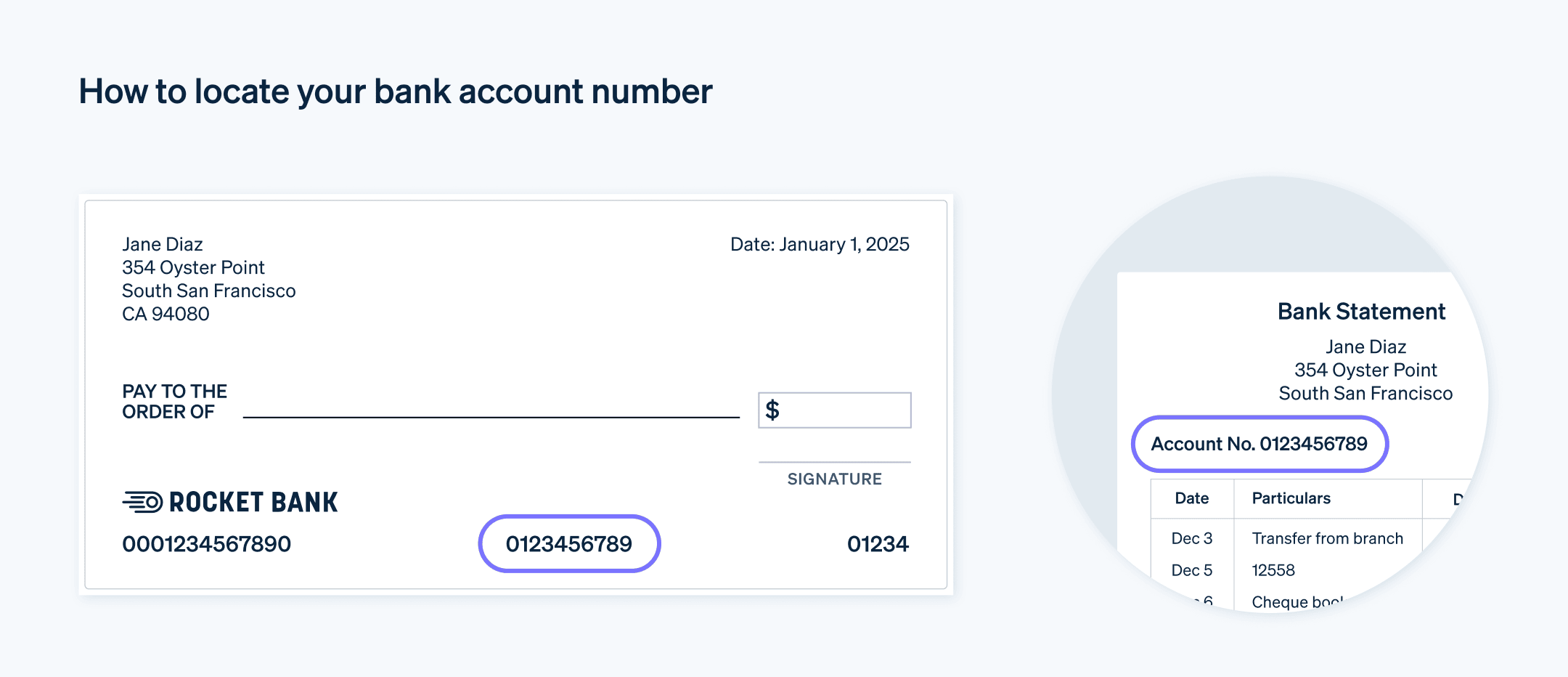
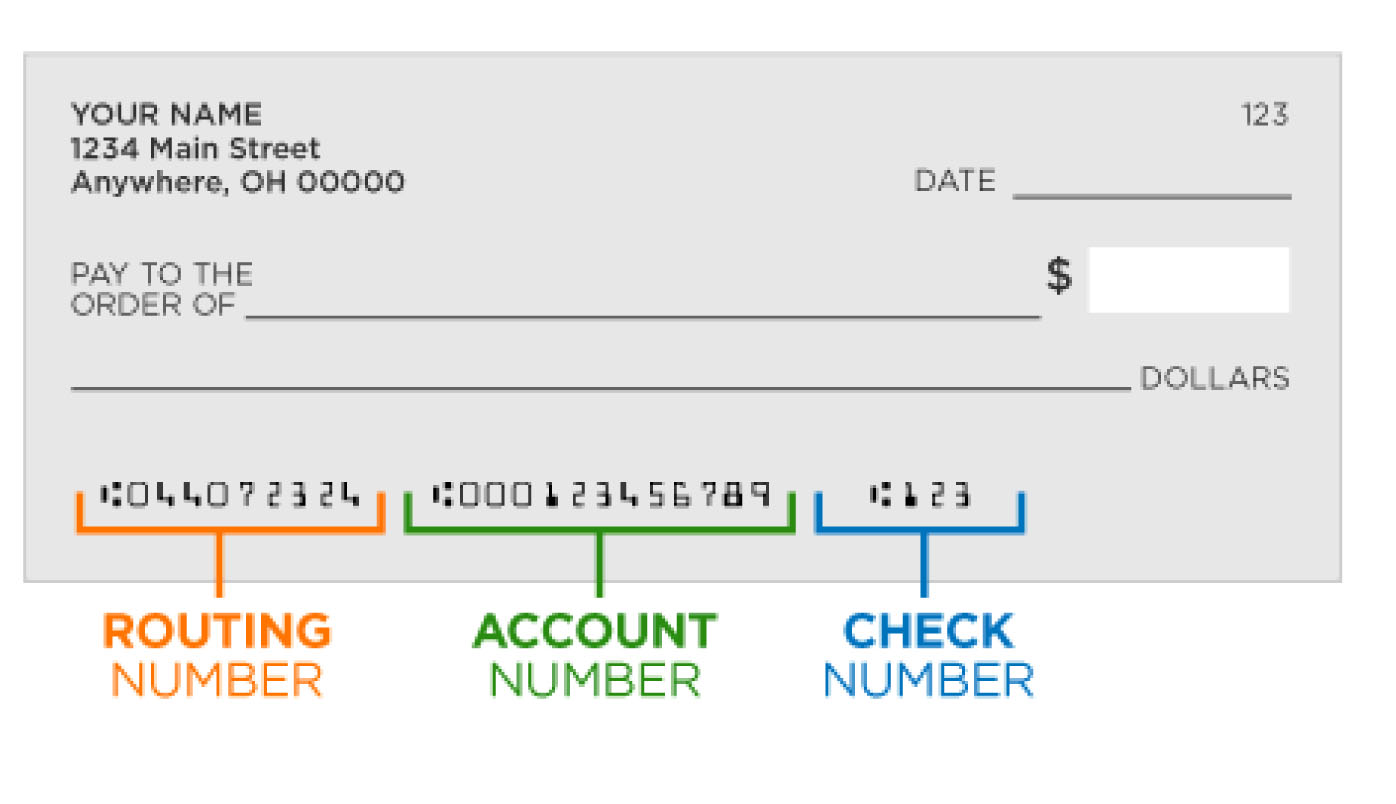
| Old Checkbooks or Ledger Books | MICR line printed at the bottom of physical checks | Absolute (contains routing and account numbers) |
| Employer Payroll Portals | Historical direct deposit distribution profiles | Moderate (frequently displays last 4 digits only) |
| Credit Reports | Inactive or closed trade line entries | Low to Moderate (typically shows truncated account numbers) |
Contacting the Financial Institution Directly
If self-audit methods fail, contacting the customer support department of the specific bank is your next logical step. Financial institutions have secure protocols designed to verify your identity before disclosing sensitive account data.
Prepare your core identification materials before placing a call or visiting a branch. You will typically need your full legal name, current address, previous addresses associated with the old account, your Social Security Number (SSN), and your date of birth. If you have documentation confirming your past residency or employment during the active period of the account, keep those handy.
When speaking with a representative, explicitly state that you are attempting to locate a closed or dormant account number for personal records. Request escalation to a supervisor or the research department if standard front-line customer service agents cannot locate archived files using your primary Social Security number. Note that many institutions require you to submit a signed written request accompanied by government-issued photo identification to release historical account numbers for security and privacy compliance.
Searching State Unclaimed Property Databases
If an old bank account had a positive financial balance when it was abandoned or closed, the funds were legally required to be escheated—transferred—to the state government after the statutory dormancy period expired.
Every U.S. state maintains an official unclaimed property database, usually managed by the state treasurer or state controller. These databases are completely free to search and serve as a powerful repository for locating long-forgotten bank accounts, uncashed payroll checks, utility deposits, and insurance payouts.
- Navigate to the official unclaimed property website for the state where you resided when the account was active. Use official state domain extensions ending in .gov to avoid third-party aggregator sites that charge unnecessary fees.
- Enter your legal name, previous married or maiden names, and historical city addresses into the searchable registry.
- Review the returned property listings. Entries will typically display the name of the original holder, the reporting financial institution, and a general range of the dollar value held.
- Complete the state's online claim form, submitting required identity verification documents such as a driver's license and proof of past address to secure your funds and retrieve the historical account association details.
Evaluating Methods for Finding Old Account Numbers
| Recovery Method | Time Investment | Cost | Success Rate for Closed Accounts |
|---|---|---|---|
| Personal Tax Return Audit | Low (30-60 minutes) | Free | Moderate |
| Direct Bank Inquiry | Moderate (1-3 days) | Free | High |
| State Unclaimed Property Search | Low (15-30 minutes) | Free | High (for accounts with remaining balances) |
| Credit Report Review | Low (Instant access) | Free | Low (mostly masked numbers) |
Troubleshooting Common Obstacles and Security Risks
Retrieving legacy financial identifiers often presents specific roadblocks. Understanding how to navigate these challenges ensures a smoother recovery process while maintaining personal cybersecurity.
Name changes resulting from marriage, divorce, or legal amendments are the leading cause of failed account searches. When querying bank archives or state databases, always search using every iteration of your legal name and previous residential addresses tied to the active timeframe of the account.
Beware of third-party asset recovery services or private investigators who charge high upfront fees to find old bank accounts. Legitimate state unclaimed property registries are entirely free, and reputable financial institutions will never charge a fee simply to disclose your own historical account information. Always verify that communication channels originate directly from official bank domains or government portals before transmitting sensitive identifying details like your SSN.
Practical Recommendations for Account Management
Preventing future complications regarding lost or forgotten account numbers requires proactive organizational habits.
Establish a secure digital inventory of your active and closed financial accounts. Maintain encrypted records containing bank names, routing numbers, account types, and opening dates, ensuring these files are stored behind multi-factor authentication. If you choose to close a bank account, always request and retain written confirmation of closure along with the final billing statement showing a zero balance. This documentation acts as an immutable reference point should any tax reporting or financial auditing questions arise in subsequent years.
Contact your current financial institution or explore state unclaimed property registries today to begin recovering dormant funds and securing your complete financial history.
Image Gallery