Understanding How Many Days Is Dia de los Muertos Celebrated
Día de los Muertos, or Day of the Dead, is traditionally celebrated over the course of two primary days: November 1 and November 2. While these dates represent the core observance when families gather to honor deceased loved ones, the...
Día de los Muertos, or Day of the Dead, is traditionally celebrated over the course of two primary days: November 1 and November 2. While these dates represent the core observance when families gather to honor deceased loved ones, the preparation, spirit, and localized customs often extend the celebration to include the final days of October.
Contents
The Core Observance: November 1 and November 2
The heartbeat of Día de los Muertos is anchored in the Catholic liturgical calendar, specifically All Saints' Day and All Souls' Day. This dual-day structure provides the foundational framework for how the holiday is observed across Mexico and in many communities worldwide.
- November 1 (Día de los Inocentes / All Saints' Day): This day is traditionally dedicated to the souls of children who have passed away, often referred to as angelitos (little angels). Families set up their ofrendas (altars) with items specifically meant for children, such as small toys, sweets, and fresh fruit.
- November 2 (All Souls' Day): This day is reserved for the souls of adults. The tone shifts toward more mature offerings, including items the deceased enjoyed in life, such as specific spirits, coffee, cigarettes, or traditional dishes like mole or pan de muerto.
While November 1 and 2 are the canonical dates, the cultural practice of celebrating the dead is rarely confined to a strict 48-hour window. The holiday functions as a seasonal period of remembrance rather than a singular event.
Extended Observance and Cultural Variations
Beyond the two primary dates, many families and regions begin their preparations and vigils as early as October 28 or October 31. These variations reflect the deep-seated local customs and indigenous roots that predate the Spanish colonial influence.
In various parts of Mexico, particularly in rural communities or regions with strong indigenous identities, the schedule is more nuanced:
- October 28: Dedicated to those who died in tragic accidents or sudden deaths.
- October 30: Often recognized in some regions for the souls of the forgotten or those without living relatives to pray for them.
- October 31: Frequently serves as the transition day where the ofrendas are finalized and the atmosphere becomes one of active anticipation for the spirits' arrival.
These extra days are not "official" in a legal or federal sense, but they are deeply significant within the spiritual and social fabric of the holiday. Because the holiday is rooted in family tradition, the "length" of the celebration often depends on how long a family chooses to keep their ofrenda standing and continue their prayers.
Comparison of Observance Periods
The following table summarizes how the days are allocated based on traditional Catholic and syncretic cultural beliefs.
| Date | Dedication | Typical Focus |
|---|---|---|
| Oct 28 | Victims of accidents | Those who died a sudden/violent death |
| Oct 30 | The forgotten | Souls with no one to remember them |
| Nov 1 | All Saints' Day | Children (angelitos) |
| Nov 2 | All Souls' Day | Adults and general ancestors |
The Role of the Ofrenda in Timing
The ofrenda acts as a bridge between the living and the dead, and the timing of its construction and dismantling is central to the length of the celebration. Many families begin the construction of the altar days, or sometimes weeks, in advance to ensure that all necessary items—photographs, cempasúchil (marigolds), candles, and food—are properly placed.
The "celebration" does not conclude precisely at midnight on November 2. In many homes, the ofrenda remains intact for several days after the official dates. This allows the living to continue their reflection and provides a space for family members to visit, share stories, and consume the symbolic food together. In some traditions, the food on the altar is shared among family members on the final day, marking the symbolic "ending" of the spirits' visit.
Geographic and Institutional Perspectives
While the holiday is widely associated with Mexico, its observance varies significantly by geography. In Mexico, November 1 and 2 are recognized as significant cultural periods, though they are not always mandatory public holidays for all sectors. Many schools and businesses may close or operate on reduced schedules, facilitating family travel to cemeteries, which are central to the celebration.
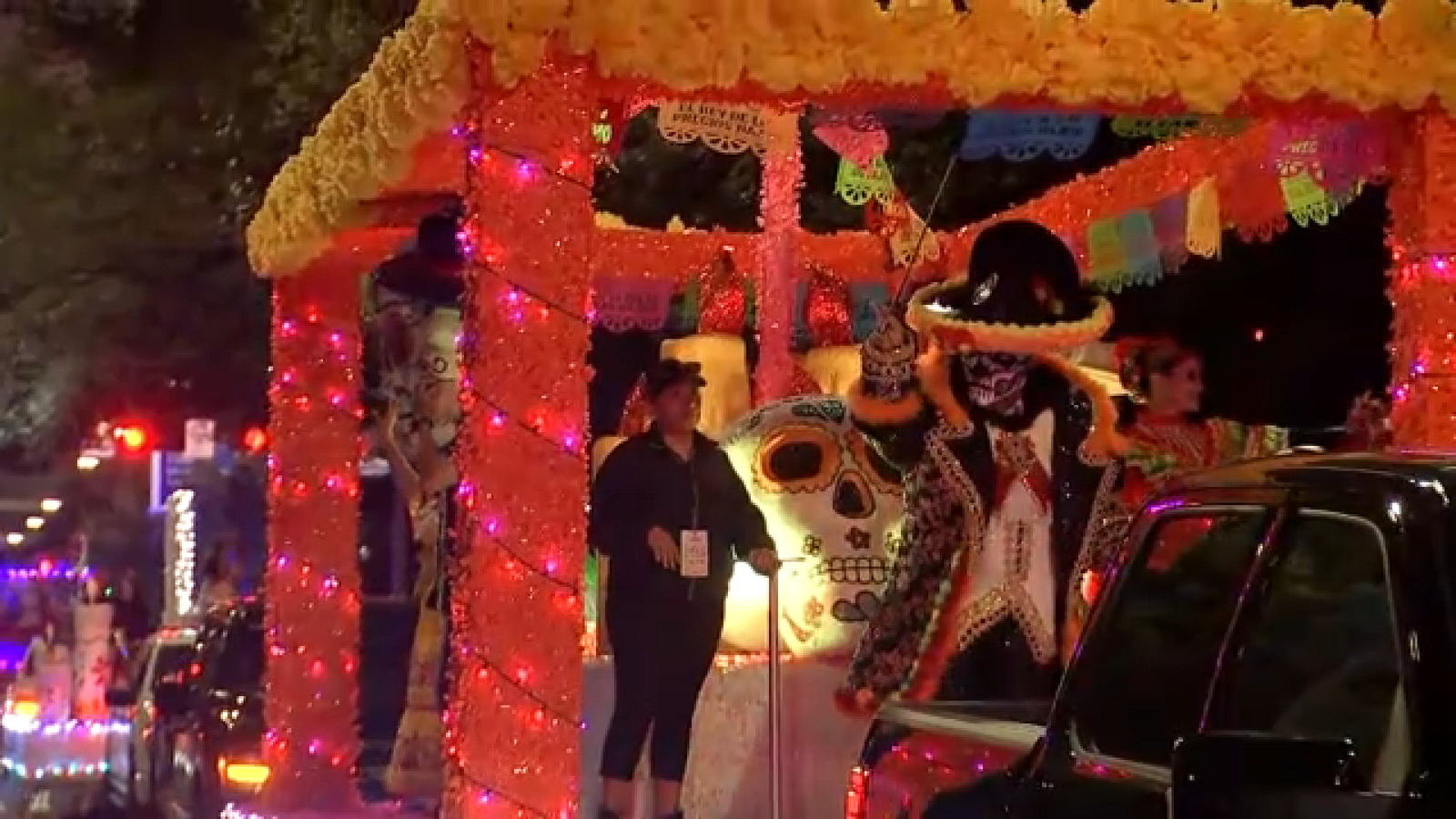
In urban areas, the influence of commercialization has led to large-scale parades, public exhibitions, and cultural festivals that can span an entire week. These events, while distinct from the private domestic rituals, contribute to the perception that the holiday lasts much longer than two days. It is important to distinguish between public festivities, which serve as cultural showcases, and the private, spiritual vigils that maintain the traditional 48-hour core.
Common Misconceptions Regarding Timing
One of the most frequent misconceptions is that Día de los Muertos is a form of "Mexican Halloween." While the proximity in dates (Halloween on October 31) can lead to a blending of aesthetics, the intent and the timeline are distinct. Halloween is a singular night of revelry, whereas Día de los Muertos is a sustained, multi-day act of devotion and remembrance.
Another common error is assuming that everyone in the world who celebrates the holiday adheres to the exact same calendar. Because the holiday is inherently local and communal, families in different parts of the world may adapt the dates to fit their work and school schedules. The core requirement is not the precise date, but the commitment to the act of remembrance.
Frequently Asked Questions
Is Día de los Muertos the same as Halloween? No. While they overlap in time, Halloween is rooted in Celtic and modern Western traditions of warding off spirits, whereas Día de los Muertos is a syncretic tradition involving the welcoming of deceased loved ones through prayers and offerings.
Do businesses close during the full duration? Most businesses in Mexico operate on a normal schedule, although schools and some government offices may close on November 1 and 2. The celebration is primarily domestic rather than a nationwide shutdown.
Can I start celebrating before November 1? Yes. Many families begin their preparations—such as cleaning graves, purchasing supplies, and building altars—throughout the last week of October. The period leading up to November 1 is an essential part of the holiday process.
When should I dismantle the ofrenda? There is no fixed rule. Many families leave their altars up through the first week of November. The primary indicator for dismantling is when the family feels the spiritual period of visitation has concluded, often following a final meal with the remaining offerings.
Does every region follow the October 28 start? No. The inclusion of October 28 and 30 is largely a regional custom found in specific parts of Mexico. Many other areas focus strictly on the traditional November 1 and 2 dates.
Recommendation for Observance
If you are planning to observe Día de los Muertos or visit a region where it is celebrated, focus on the window of November 1 and 2 for the most authentic experience. If you are participating in a domestic capacity, begin your preparation at least one week in advance to source traditional items like cempasúchil and sugar skulls, as these can sell out quickly. Ultimately, the duration of your celebration is determined by your personal devotion and the time you dedicate to honoring your ancestors.
Image Gallery