The US Air Base in Saudi Arabia Explained
The United States military presence in Saudi Arabia centers primarily around Prince Sultan Air Base, located south of Riyadh. This strategic installation hosts thousands of U.S. service members, advanced air defense batteries, and tact...
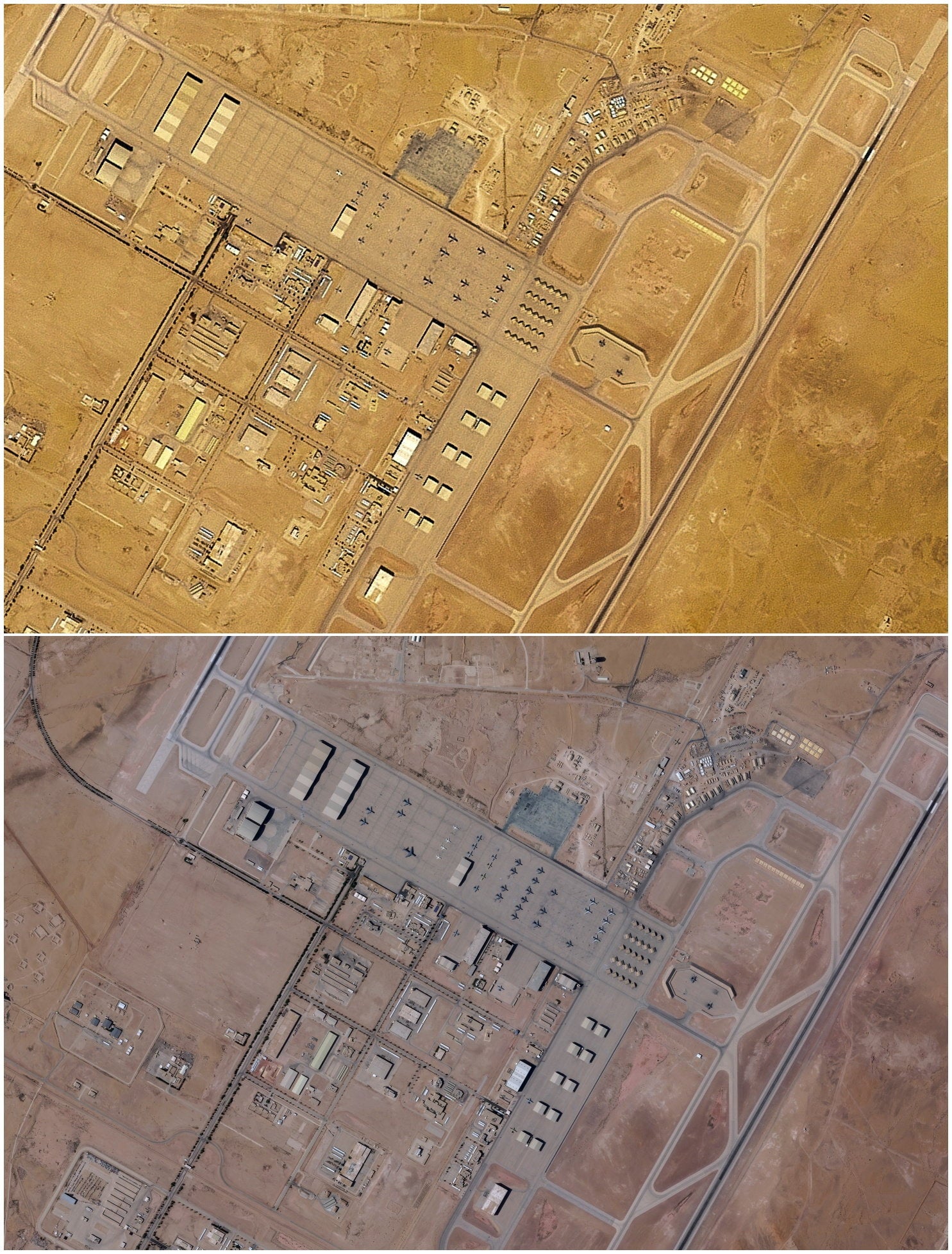
The United States military presence in Saudi Arabia centers primarily around Prince Sultan Air Base, located south of Riyadh. This strategic installation hosts thousands of U.S. service members, advanced air defense batteries, and tactical fighter aircraft designed to maintain regional security, support bilateral defense partnerships, and deter potential threats across the Middle East.
Contents
Strategic History and Evolution of U.S.–Saudi Defense Cooperation
The military relationship between the United States and the Kingdom of Saudi Arabia spans several decades, evolving through various geopolitical shifts in the Middle East. Historically, defense cooperation intensified significantly during the 1990 Gulf War, when Saudi Arabia invited an international coalition, including a massive U.S. deployment, to liberate Kuwait following the Iraqi invasion.
In the wake of Operation Desert Storm, a permanent U.S. military footprint remained in the Kingdom to enforce no-fly zones and maintain regional deterrence. Originally, the hub of this presence was centered at the futuristic King Khaled International Airport compound and operational facilities like Eskan Village and Dhahran's King Abdulaziz Air Base, where the Khobar Towers bombing occurred in 1996. Following that tragedy, U.S. forces relocated away from dense urban civilian sectors to more secure, isolated desert locations.
By 2003, following the launch of the Iraq War, the vast majority of U.S. combat forces formally withdrew from Saudi Arabia, as mission requirements shifted elsewhere in the region. However, bilateral training, foreign military sales, and advisory missions persisted. The pendulum swung back toward an expanded operational footprint in late 2019 amid rising tensions with Iran. The Pentagon deployed additional Patriot missile batteries, THAAD anti-ballistic missile systems, and fighter squadrons to Prince Sultan Air Base to safeguard critical infrastructure and reassure regional partners.
Core Purpose and Operational Objectives of Prince Sultan Air Base
Prince Sultan Air Base (PSAB) serves as the primary operational anchor for U.S. Air Forces Central (AFCENT) assets stationed inside the Kingdom. The overarching mission of the base is twofold: defensive security and joint regional integration.
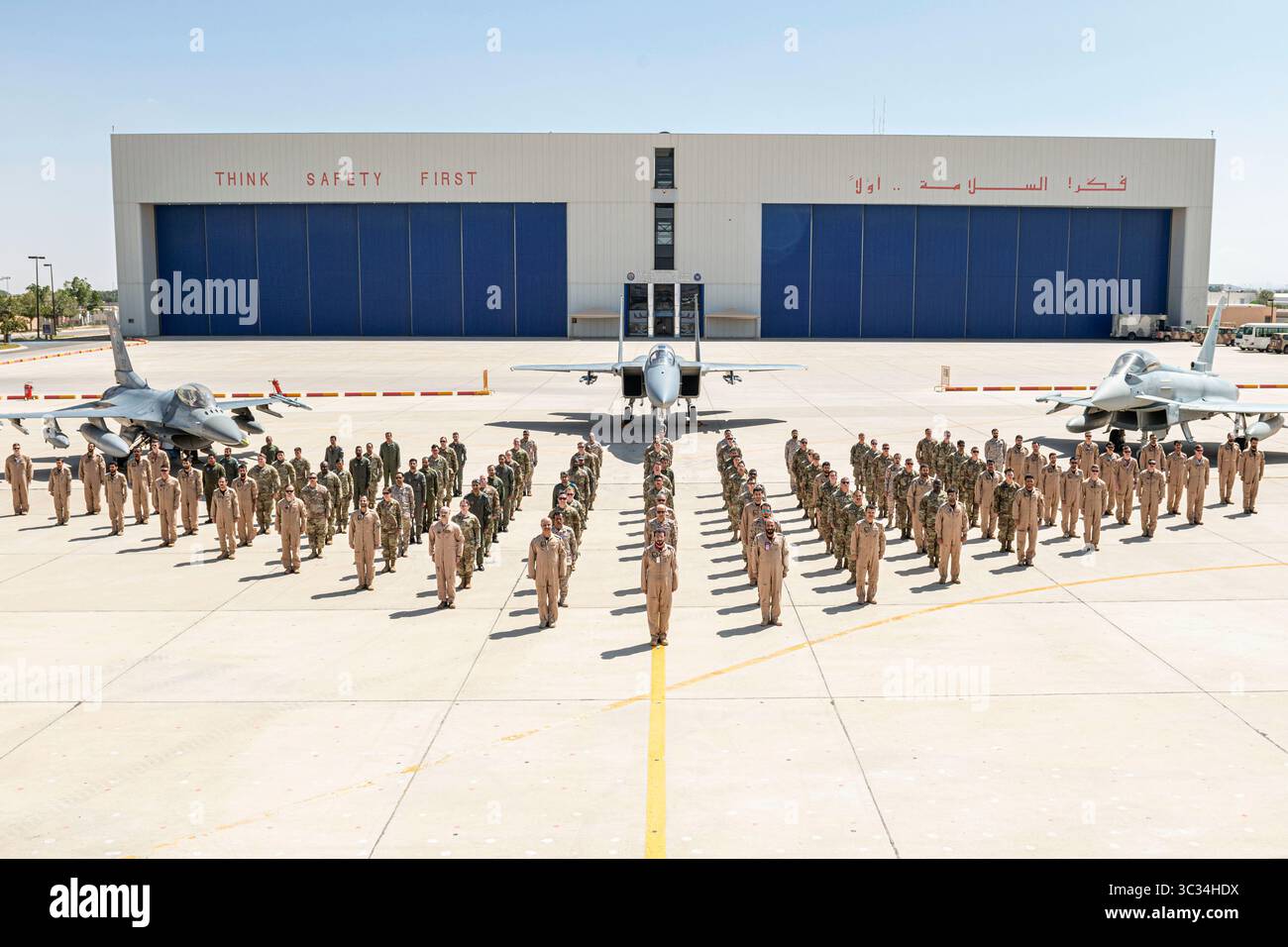
Rather than functioning as an offensive launching pad for unilateral strikes, PSAB operates primarily as an air defense shield and a logistical node. Its units specialize in integrated air and missile defense (IAMD), monitoring regional airspace, and conducting routine combined training exercises with the Royal Saudi Air Force (RSAF). These cooperative drills are designed to enhance interoperability between American and Saudi personnel, ensuring that both militaries can communicate seamlessly and share tactical radar data during a crisis.
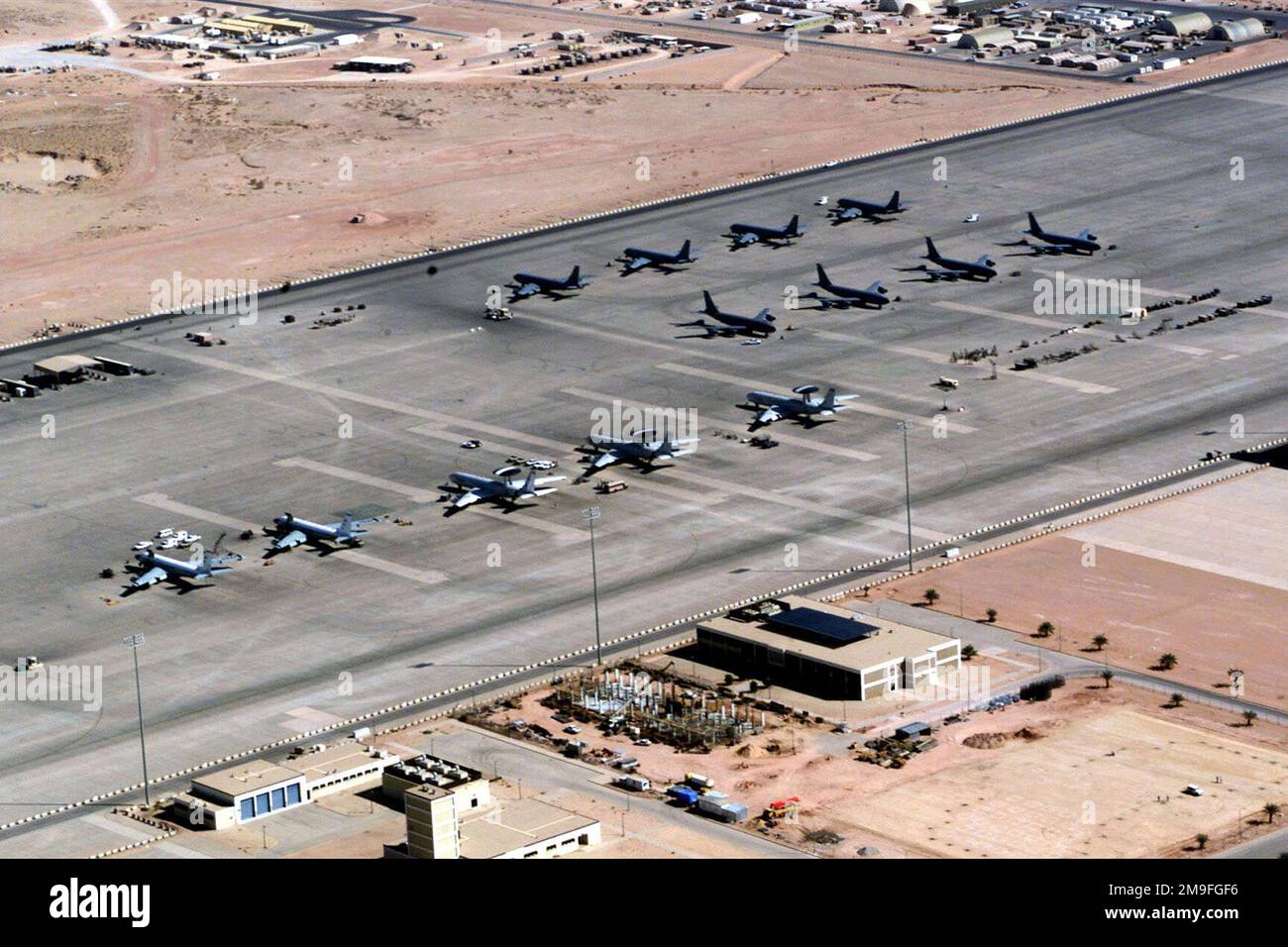
Furthermore, the base supports intelligence, surveillance, and reconnaissance (ISR) flights that track maritime and aerial traffic across vital regional waterways, such as the Persian Gulf and the Gulf of Oman. By maintaining a continuous rotational presence, the United States signals its enduring commitment to the security architecture of the Gulf Cooperation Council (GCC) states.
Infrastructure, Force Structure, and Command Relationships
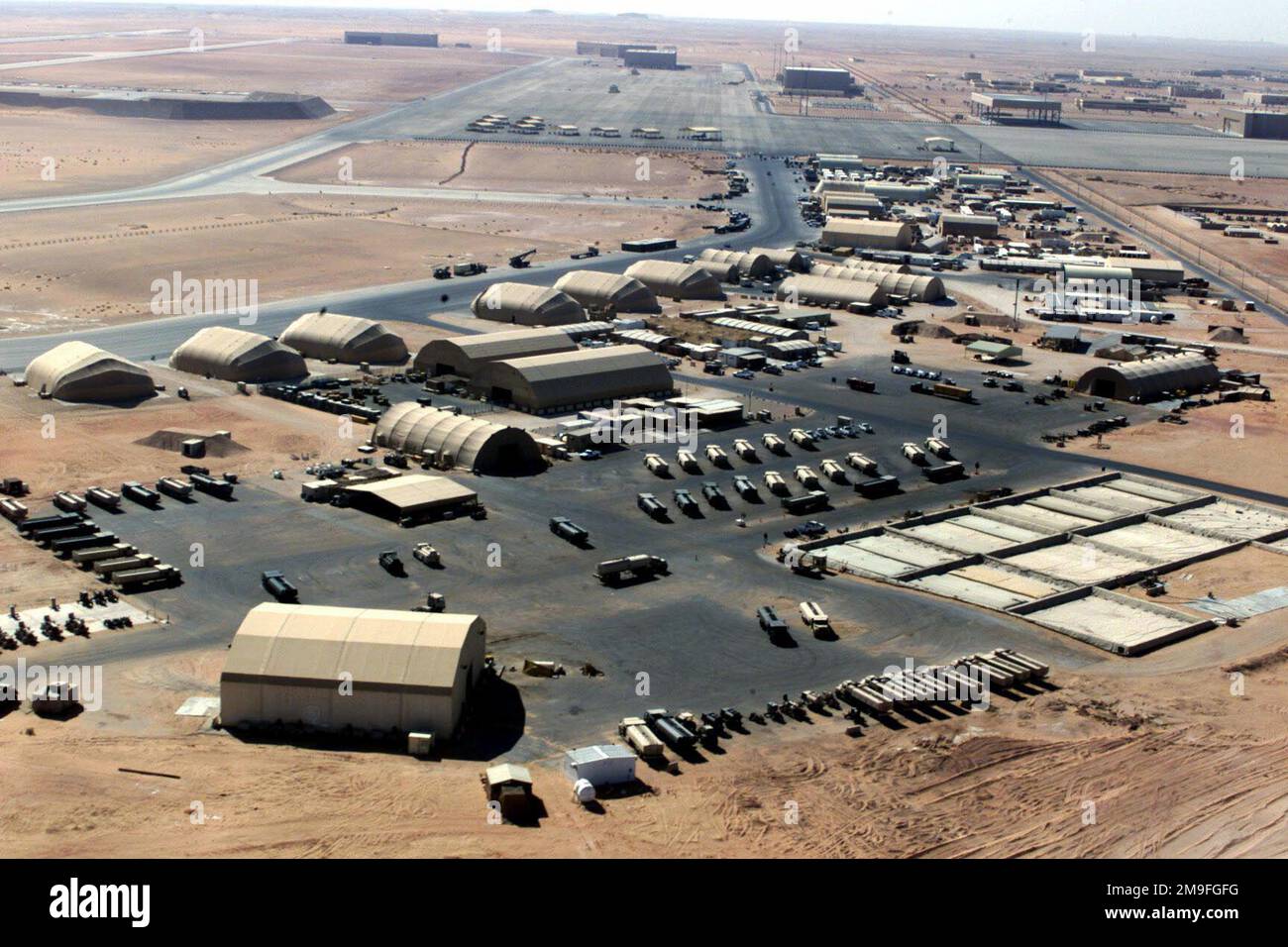
Managing a modern desert air base requires immense logistical coordination. Prince Sultan Air Base features reinforced aircraft hangars, extensive maintenance facilities, sophisticated command-and-control operations centers, and fortified living quarters designed to withstand environmental extremes and potential security threats.
The command structure at PSAB operates under a dual-key concept of host-nation sovereignty and bilateral coordination. While the base is owned and operated by the Royal Saudi Air Force, designated zones are allocated for U.S. Air Force, Army, and Navy personnel.
Key Military Units and Systems Stationed at PSAB
- Air Defense Artillery: Deployment of Patriot Advanced Capability (PAC-3) batteries designed to intercept incoming ballistic missiles, cruise missiles, and unmanned aerial vehicles (UAVs).
- Tactical Fighter Squadrons: Rotational deployments of advanced fighter aircraft, such as the F-15E Strike Eagle or F-16 Fighting Falcon, providing rapid-response air superiority and close air support capabilities.
- Logistics and Engineering Support: Specialized civil engineering and security forces units responsible for runway maintenance, force protection, and base defense operations.
| Unit Type / Asset | Primary Tactical Function | Strategic Objective |
|---|---|---|
| Patriot Missile Batteries | Anti-ballistic and anti-cruise missile defense | Protection of critical civilian and military infrastructure |
| F-15E / F-16 Fighters | Air superiority, interdiction, and deterrence | Rapid response to regional airspace violations |
| ISR Aircraft / Drones | Reconnaissance, tracking, and surveillance | Maritime and border monitoring |
Logistics, Supply Chains, and Host-Nation Support
Operating an expeditionary military base thousands of miles from the continental United States relies heavily on complex global supply chains and robust host-nation support agreements. The logistics network feeding Prince Sultan Air Base integrates military transport aircraft, commercial maritime shipping through regional ports like Dammam and Jubail, and extensive overland trucking routes across the Arabian Peninsula.
The Acquisition and Cross-Servicing Agreement (ACSA) framework governs much of the logistical exchanges between the U.S. military and the Saudi armed forces. Under these frameworks, Saudi Arabia provides vital infrastructure support, fuel, water, and base services, which are either reimbursed or reciprocated through foreign military sales (FMS) programs and direct government-to-government contracts.
Regional Geopolitical Context and Security Challenges
The presence of U.S. forces at Prince Sultan Air Base is intrinsically linked to the broader geopolitical dynamics of the Middle East. Regional stability in the Gulf is constantly tested by asymmetric threats, including state-sponsored proxy warfare, drone attacks against energy facilities, and maritime harassment in international shipping lanes.
The deployment of U.S. air defense assets to Saudi Arabia gained renewed urgency following sophisticated drone and missile attacks on Saudi Aramco oil processing facilities at Abqaiq and Khurais. These incidents highlighted vulnerabilities in critical energy infrastructure, prompting Riyadh to request enhanced defensive shielding from Washington.
At the same time, the presence of Western military personnel on Saudi soil frequently attracts domestic and regional political debate. Balancing sovereign independence with cooperative security arrangements requires ongoing diplomatic management between U.S. diplomatic missions in Riyadh and Saudi defense ministries.
Frequently Asked Questions
Where is the main U.S. air base in Saudi Arabia located?
The main U.S. military presence is hosted at Prince Sultan Air Base (PSAB), situated near Al-Kharj, approximately 80 kilometers (50 miles) south of the capital city of Riyadh.
Why are U.S. troops stationed at Prince Sultan Air Base?
U.S. forces are stationed at the invitation of the Saudi government to enhance regional air and missile defense, deter potential aggression, protect critical infrastructure, and conduct joint military training exercises.
Are offensive combat operations launched from Saudi bases?
The primary focus of U.S. assets at PSAB is defensive air and missile protection, intelligence, surveillance, and reconnaissance (ISR), rather than launching unilateral offensive combat campaigns.
Who commands and controls Prince Sultan Air Base?
The base remains under the sovereign authority of the Royal Saudi Air Force (RSAF). U.S. forces operate within designated sectors under specific bilateral agreements and coordinated command arrangements.
What types of air defense systems are deployed at the base?
The installation regularly hosts advanced anti-missile systems, including Patriot battery configurations, to intercept ballistic and cruise missiles, alongside rotational fighter aircraft squadrons.
Conclusion and Strategic Outlook
The U.S. air base footprint in Saudi Arabia remains a cornerstone of bilateral defense relations and regional deterrence strategy. By focusing on integrated air defense, joint training, and logistical resilience, installations like Prince Sultan Air Base help mitigate asymmetric security threats across the Arabian Gulf. Observers tracking Middle Eastern security affairs should continue monitoring bilateral defense agreements, rotational force updates, and cooperative air defense integration initiatives between Washington and Riyadh.
Image Gallery