Understanding What Is Forensic Science and Technology
Forensic science and technology form the systematic backbone of modern legal and investigative systems, bridging rigorous scientific disciplines with criminal and civil law to uncover objective truths. By combining laboratory analysis,...
Forensic science and technology form the systematic backbone of modern legal and investigative systems, bridging rigorous scientific disciplines with criminal and civil law to uncover objective truths. By combining laboratory analysis, digital forensics, and field methodologies, investigators transform physical and virtual evidence into verifiable facts that can be presented in a court of law.
Contents
The Core Foundations of Forensic Science and Technology
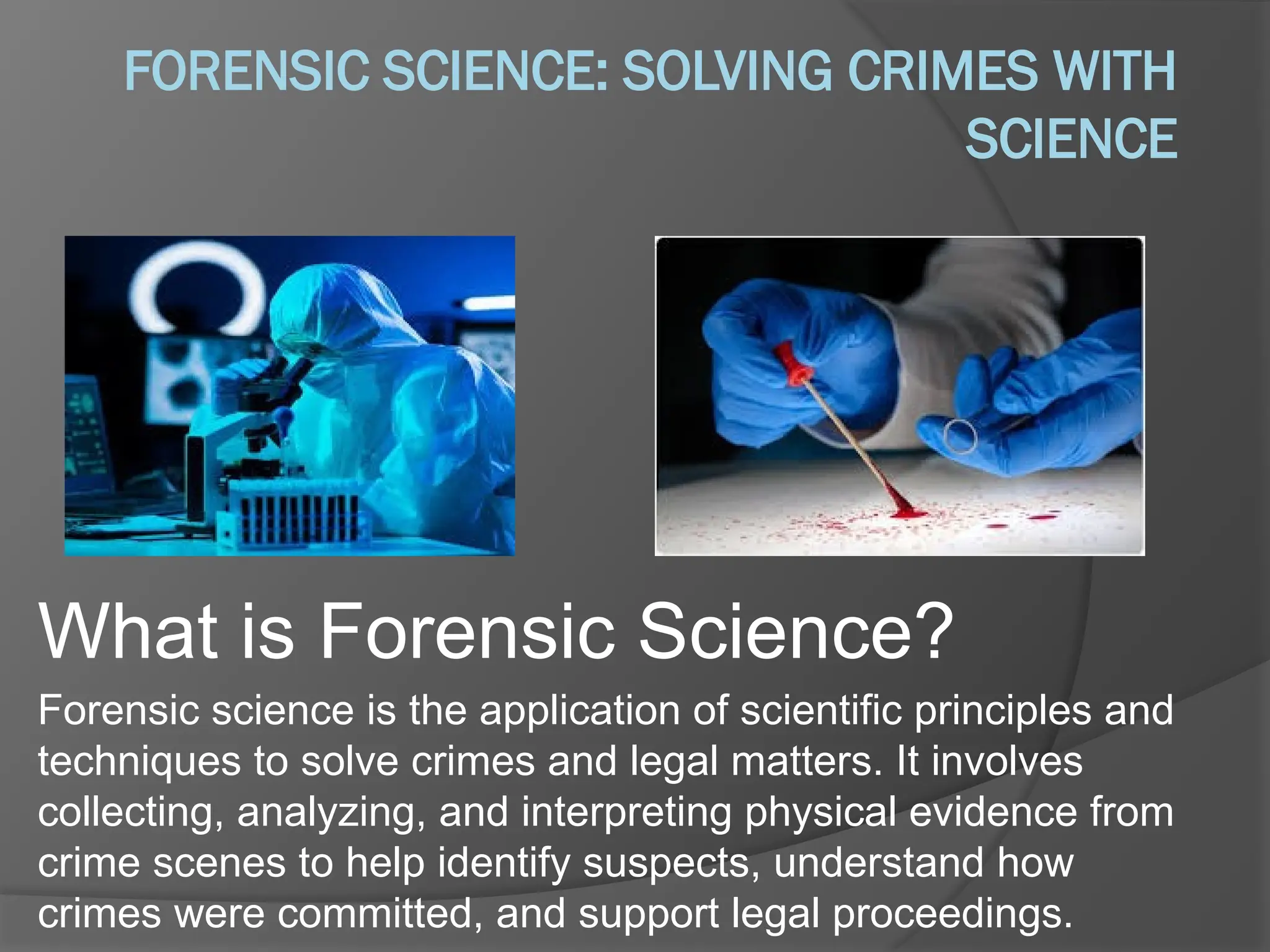
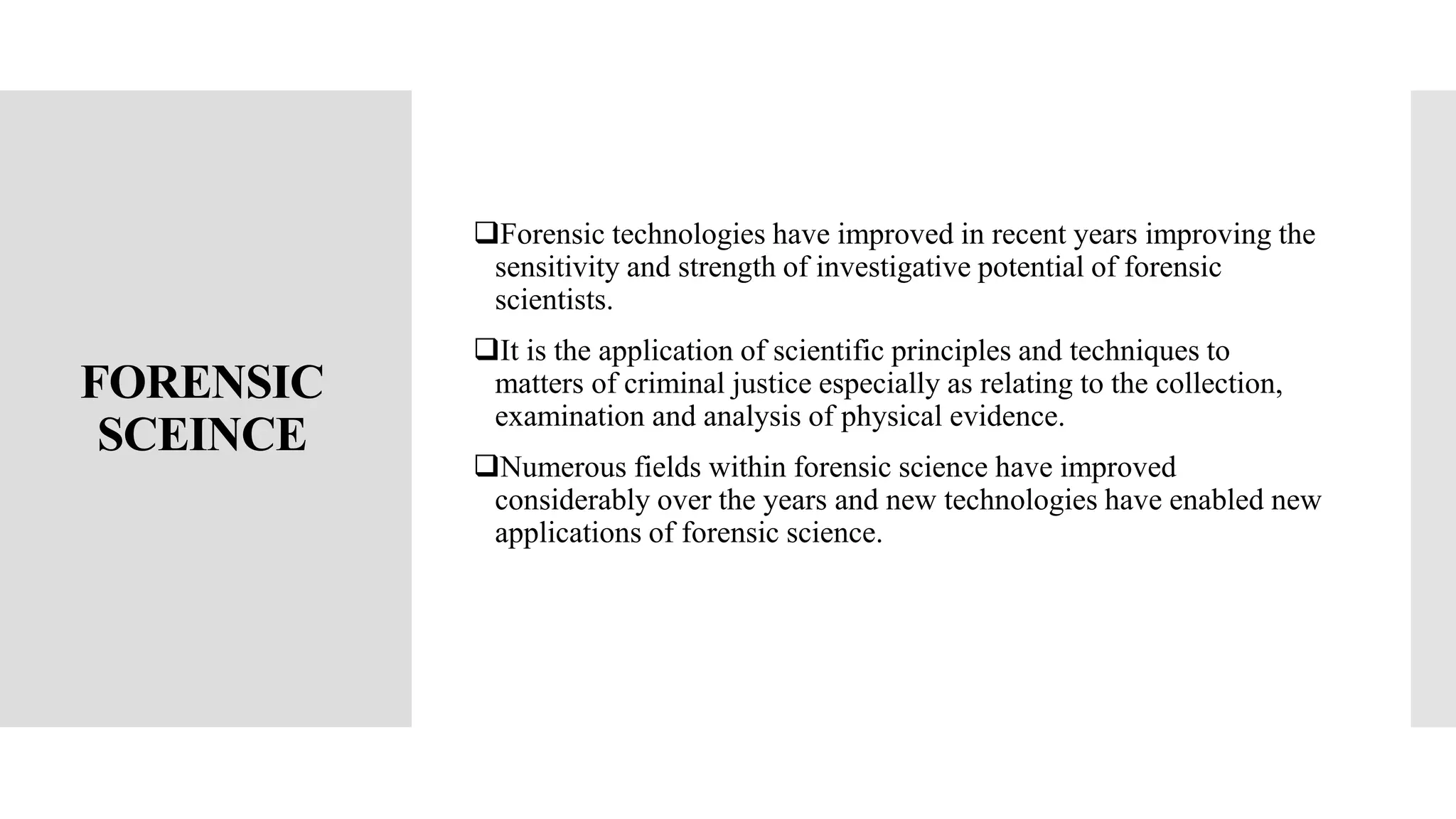
At its core, forensic science is the application of scientific principles and methods to matters of public law, particularly within criminal investigations. When an incident occurs, the environment often retains minute traces of human activity—ranging from microscopic biological residues to complex digital footprints. Forensic technology provides the advanced instrumentation, software, and hardware required to detect, capture, and interpret these elusive traces without contaminating or destroying them.
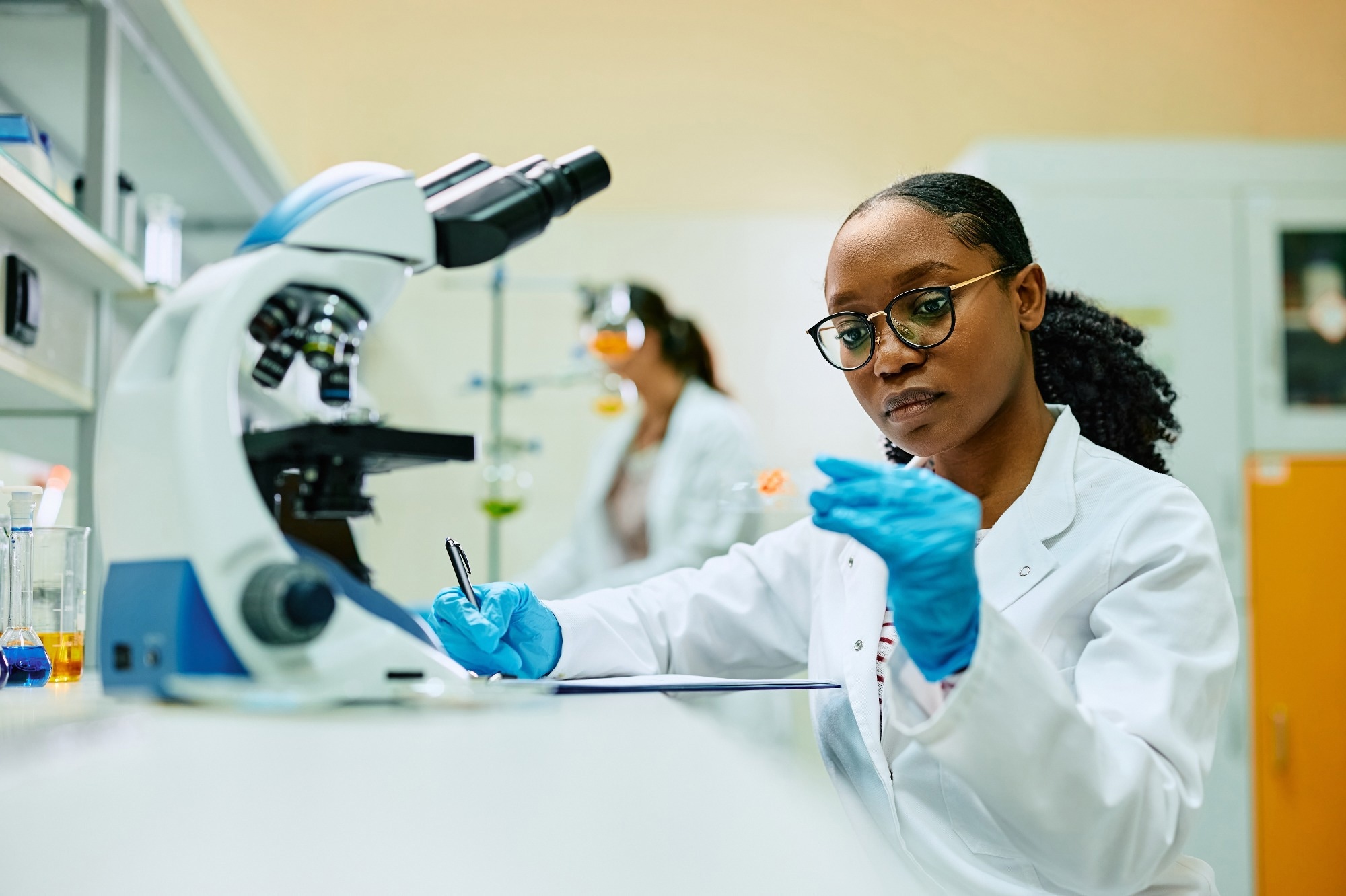
The field operates under the foundational principle established by criminalist Edmond Locard, known as Locard's Exchange Principle, which posits that every contact leaves a trace. Modern forensic technology magnifies this principle, allowing examiners to detect material exchanges that are invisible to the naked eye. From high-resolution optical microscopes to automated chemical analyzers, technology extends human sensory capabilities into the microscopic and molecular realms.
Furthermore, the integration of science and technology into legal frameworks demands strict standardization. Laboratories and field units must adhere to rigorous protocols to ensure chain of custody, prevent cross-contamination, and produce reproducible results. Without these safeguards, even the most sophisticated technological analysis can be rendered inadmissible in a court of law due to challenges regarding reliability and handling procedures.
Major Disciplines and Sub-Specialties
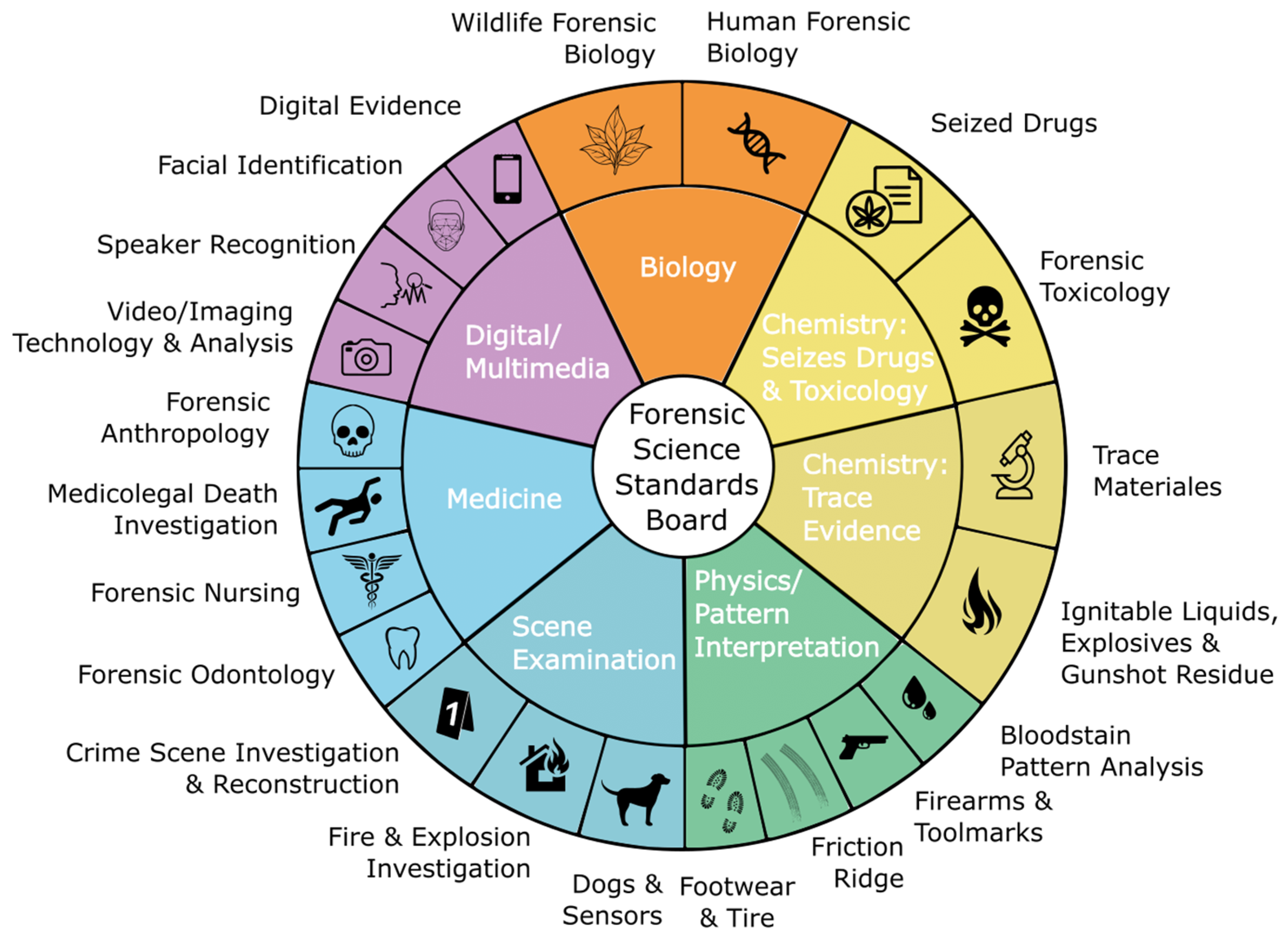
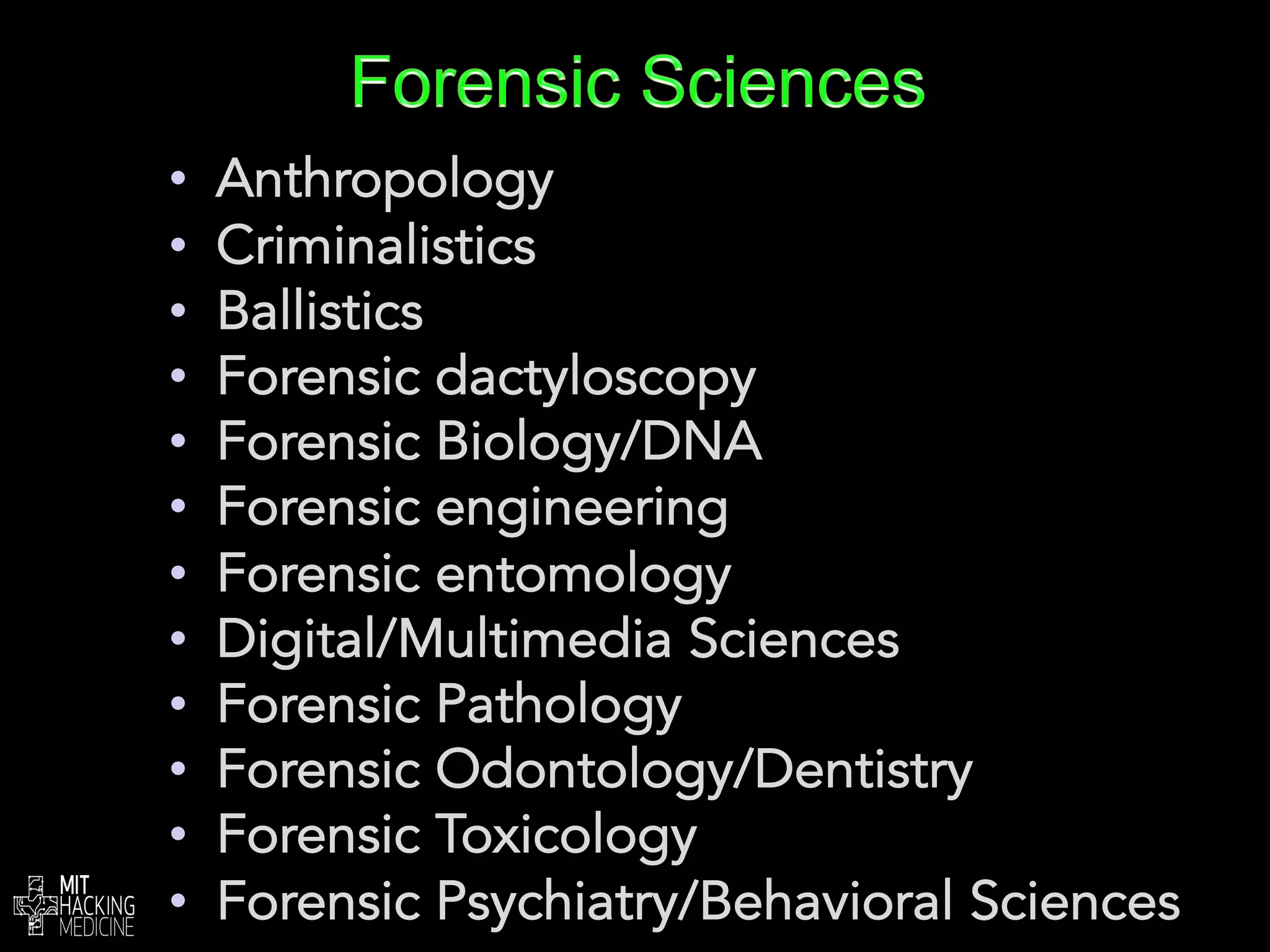
The scope of forensic science and technology is vast, encompassing numerous specialized disciplines that address different types of evidence. Each sub-specialty utilizes distinct technological tools and methodologies tailored to the unique properties of the evidence it examines.
| Discipline | Primary Focus | Key Technologies Utilized |
|---|---|---|
| DNA Profiling | Biological identification and relationship testing | Capillary electrophoresis, PCR thermocyclers, STR analysis software |
| Digital Forensics | Recovery and analysis of data from electronic devices | Forensic imaging tools, write-blockers, hex editors, data recovery suites |
| Forensic Chemistry | Identification of unknown substances, drugs, and explosives | Gas chromatography-mass spectrometry (GC-MS), FTIR spectroscopy |
| Ballistics & Toolmarks | Comparison of firearms, ammunition, and tool impressions | Integrated Ballistics Identification System (IBIS), comparison microscopes |
| Trace Evidence | Analysis of fibers, glass, hair, and soil residues | Scanning electron microscopy (SEM-EDS), polarized light microscopy |
Beyond these primary categories, specialized fields such as forensic pathology, anthropology, and odontology rely on advanced imaging techniques, computed tomography (CT) scans, and database matching to establish cause of death, identify skeletal remains, or analyze bite marks.
The Role of Biology and Chemistry in the Laboratory
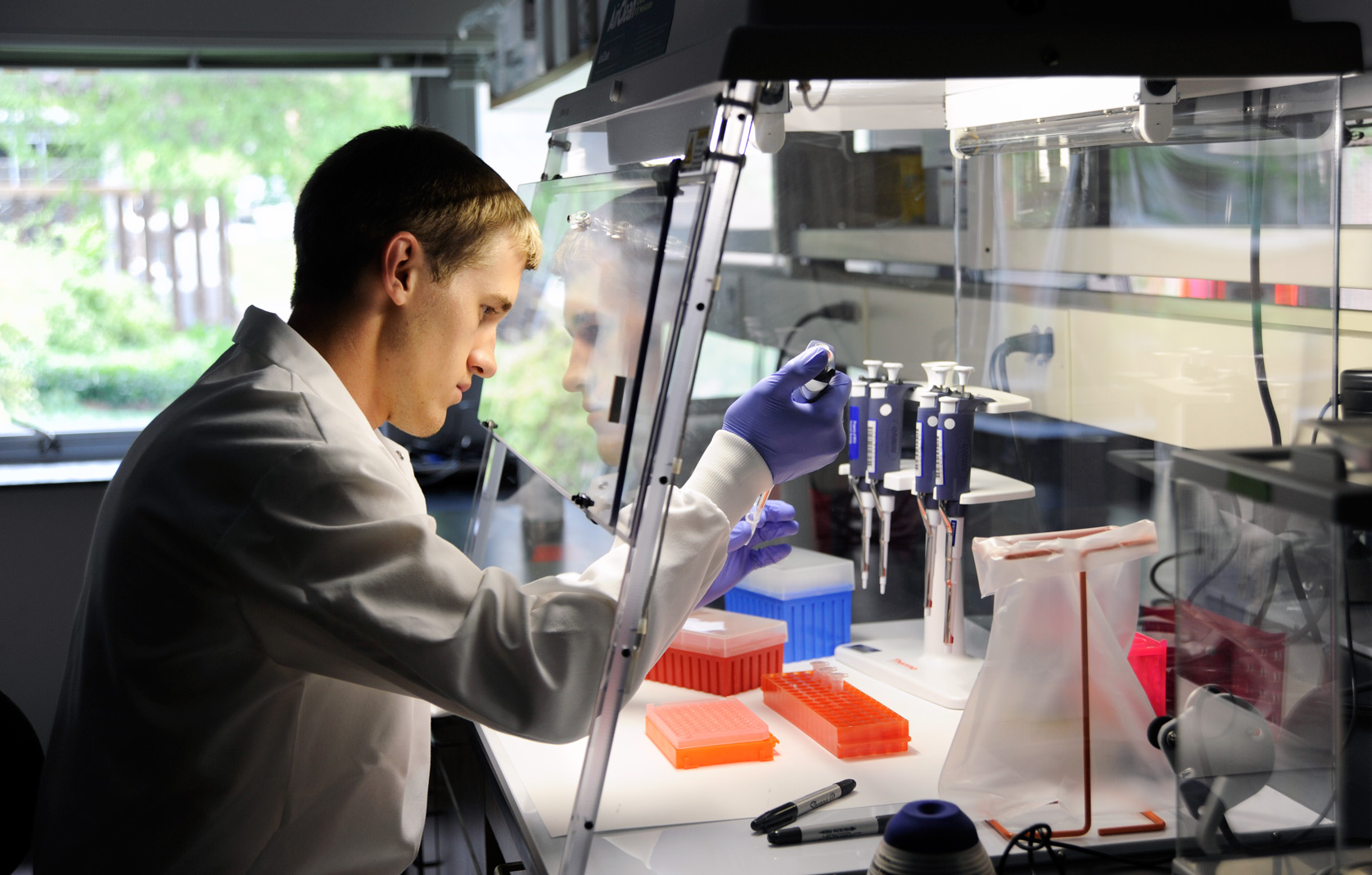
Biological and chemical analyses form the bedrock of traditional crime laboratory work. Forensic biologists examine blood, saliva, semen, and other bodily fluids to extract Deoxyribonucleic Acid (DNA). Through Polymerase Chain Reaction (PCR) amplification and Short Tandem Repeat (STR) profiling, laboratories can generate genetic profiles that match evidentiary samples to known individuals with statistical certainty.
Meanwhile, forensic chemists focus on identifying non-biological substances. Whether analyzing suspected illicit narcotics, residue from an arson scene, or toxic agents in a poisoning case, chemists employ instrumentation such as Gas Chromatography-Mass Spectrometry (GC-MS). This technology separates chemical mixtures and identifies their components by mass, providing definitive proof of a substance's chemical identity.
The Rise of Digital and Cyber Forensics
As society has transitioned into a digitally integrated environment, the nature of crime has evolved accordingly. Digital forensics involves the recovery, preservation, and analysis of material found on computers, smartphones, network servers, and cloud storage environments.
Investigators use hardware write-blockers to ensure that storage drives are not altered during data acquisition. Software suites then image the entire drive, capturing active files, deleted data fragments, and system metadata. This technological approach allows investigators to reconstruct cybercrimes, trace financial fraud, unearth deleted communications, and track the digital movements of suspects across global networks.
Methodologies and Investigative Workflows
The journey of evidence from a crime scene to a courtroom involves a standardized, multi-step workflow. Adherence to this methodology is critical for maintaining the scientific integrity and legal admissibility of the findings.
- Scene Recognition and Preservation: First responders and crime scene investigators secure the area to prevent contamination, environmental degradation, or loss of transient evidence.
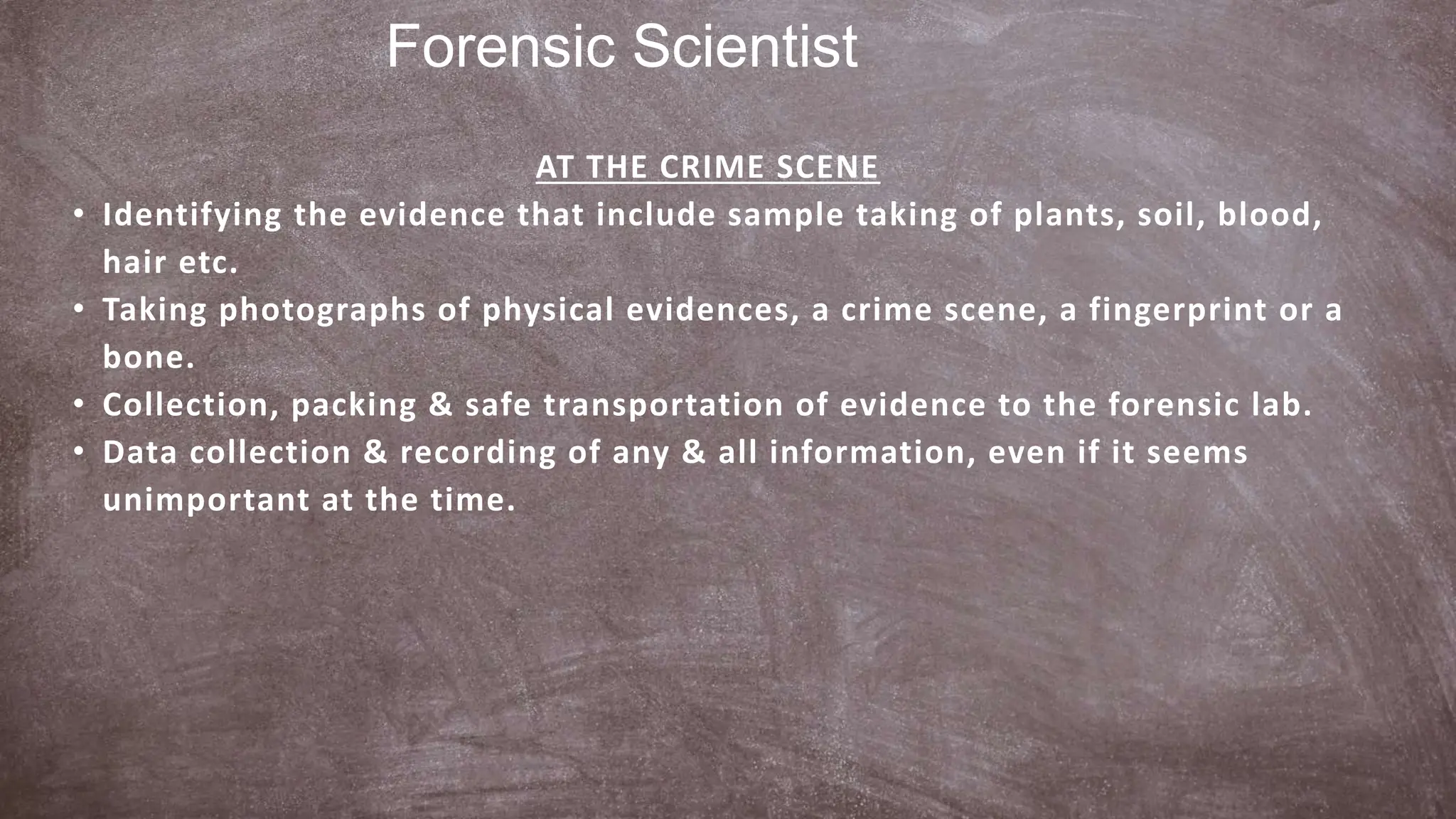
- Documentation and Collection: Investigators record the scene using high-resolution photography, 3D laser scanning, and detailed sketching. Evidence is collected using specialized tools and sterile packaging designed to preserve its integrity.
- Chain of Custody Maintenance: Every transfer of evidence from one person to another is meticulously documented on a chain-of-custody form, recording dates, times, and the purpose of the transfer to prevent tampering.
- Laboratory Analysis: Qualified forensic scientists examine the evidence using calibrated instruments, applying validated scientific protocols to generate analytical data.
- Interpretation and Reporting: Experts interpret the analytical results in the context of the case, drafting formal reports that detail their methodologies, findings, and statistical conclusions.
- Expert Testimony: Forensic specialists present their findings in court, explaining complex scientific concepts in clear, objective terms for judges and juries.
Standards, Quality Assurance, and Legal Admissibility
The credibility of forensic science and technology rests heavily on quality assurance and adherence to established legal standards. Because forensic evidence frequently decides the guilt or innocence of an accused individual, courts enforce strict criteria regarding what scientific testimony can be admitted into a trial.
In many jurisdictions, the admissibility of expert testimony and scientific evidence is governed by legal standards such as the Daubert standard in the United States or the earlier Frye standard. The Daubert standard, for instance, requires trial judges to act as gatekeepers, ensuring that expert methodology is scientifically valid, has been subjected to peer review, possesses a known error rate, and is generally accepted within the relevant scientific community.
To meet these legal thresholds, forensic laboratories maintain accreditation through international bodies like the ANSI National Accreditation Board (ANAB) or the International Organization for Standardization (ISO). These organizations mandate proficiency testing for analysts, strict instrument calibration schedules, and comprehensive standard operating procedures (SOPs) for every test performed.
Limitations and Operational Challenges
Despite its immense value, forensic science and technology face several operational limitations and contemporary challenges. Acknowledging these hurdles is essential for maintaining a realistic understanding of what forensic investigations can achieve.
- Subjectivity in Interpretation: While instruments provide objective data, human interpretation remains a factor in complex pattern analyses, such as footwear impressions, toolmarks, and latent fingerprints.
- Backlogs and Resource Constraints: Many public forensic laboratories struggle with significant evidence backlogs, leading to delays in criminal investigations and trial proceedings due to limited funding and staffing shortages.
- Environmental Degradation: Evidence exposed to extreme weather, heat, or moisture can degrade rapidly, compromising the viability of biological samples or obliterating fragile trace materials.
- Rapidly Evolving Technology: In digital forensics especially, rapid technological advancements and proprietary encryption methods can outpace the tools available to law enforcement agencies, requiring continuous software updates and advanced training.
Frequently Asked Questions
What is the difference between forensic science and forensic technology?
Forensic science is the broader academic and investigative discipline that applies scientific principles to legal matters. Forensic technology refers specifically to the specialized tools, hardware, software, and laboratory instruments—such as DNA sequencers or digital forensic imaging suites—used by forensic scientists to analyze evidence.
Can forensic evidence guarantee a conviction in court?
No single piece of evidence guarantees a conviction. Forensic science provides objective data and expert analysis, but prosecutors must weave this evidence together with other investigative findings to build a compelling case. Judges and juries ultimately weigh the forensic evidence alongside all other trial testimonies.
How do forensic scientists prevent evidence contamination?
Forensic scientists and crime scene investigators follow strict contamination-control protocols. This includes wearing personal protective equipment (PPE) such as gloves, masks, and full-body suits, using single-use disposable tools for sample collection, and packaging different items of evidence separately in breathable, sterile containers.
What is the chain of custody and why is it important?
The chain of custody is a chronological documentation trail that records the seizure, custody, control, transfer, analysis, and disposition of evidence. It is vital because it proves to the court that the evidence presented during a trial is the exact same material collected at the crime scene and has not been altered, contaminated, or tampered with.
How has DNA technology changed criminal investigations?
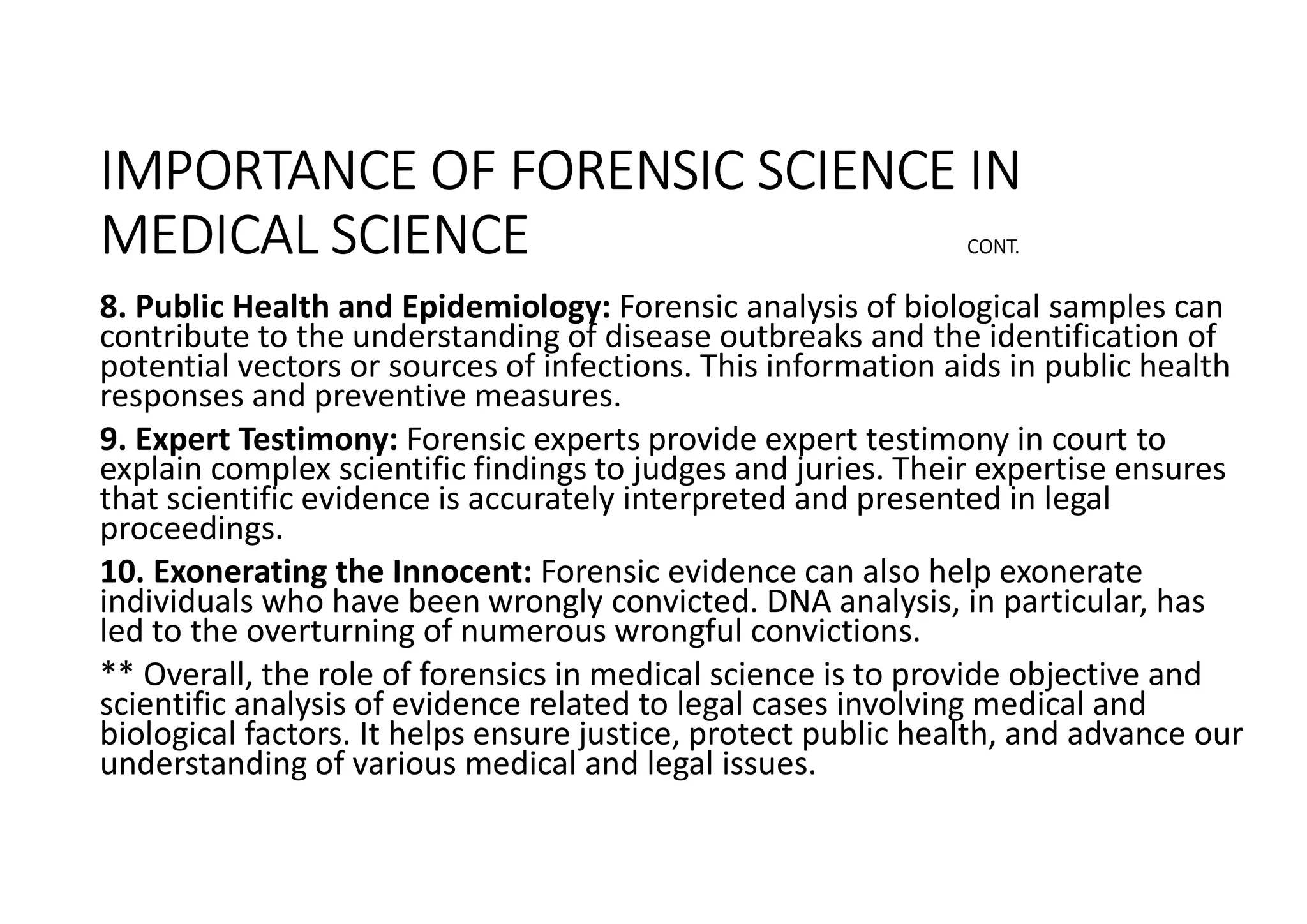
DNA technology has revolutionized investigations by providing a highly accurate method for identifying individuals from minute biological samples. It has enabled investigators to link suspects to crime scenes, identify unknown human remains, solve cold cases decades after an incident occurred, and exonerate wrongfully convicted individuals.
Conclusion and Next Steps
Understanding forensic science and technology requires recognizing it as a dynamic intersection of rigorous scientific inquiry and legal precision. From the collection of physical traces at a crime scene to advanced laboratory profiling and digital data recovery, the field demands strict adherence to methodology and ethical standards. For those pursuing education, legal clarity, or professional engagement in this domain, prioritizing accredited training programs, staying informed on methodological updates, and consulting qualified legal or forensic professionals remain essential steps.
Image Gallery