How to Select an Auto Insurance Agency in Houston, Texas
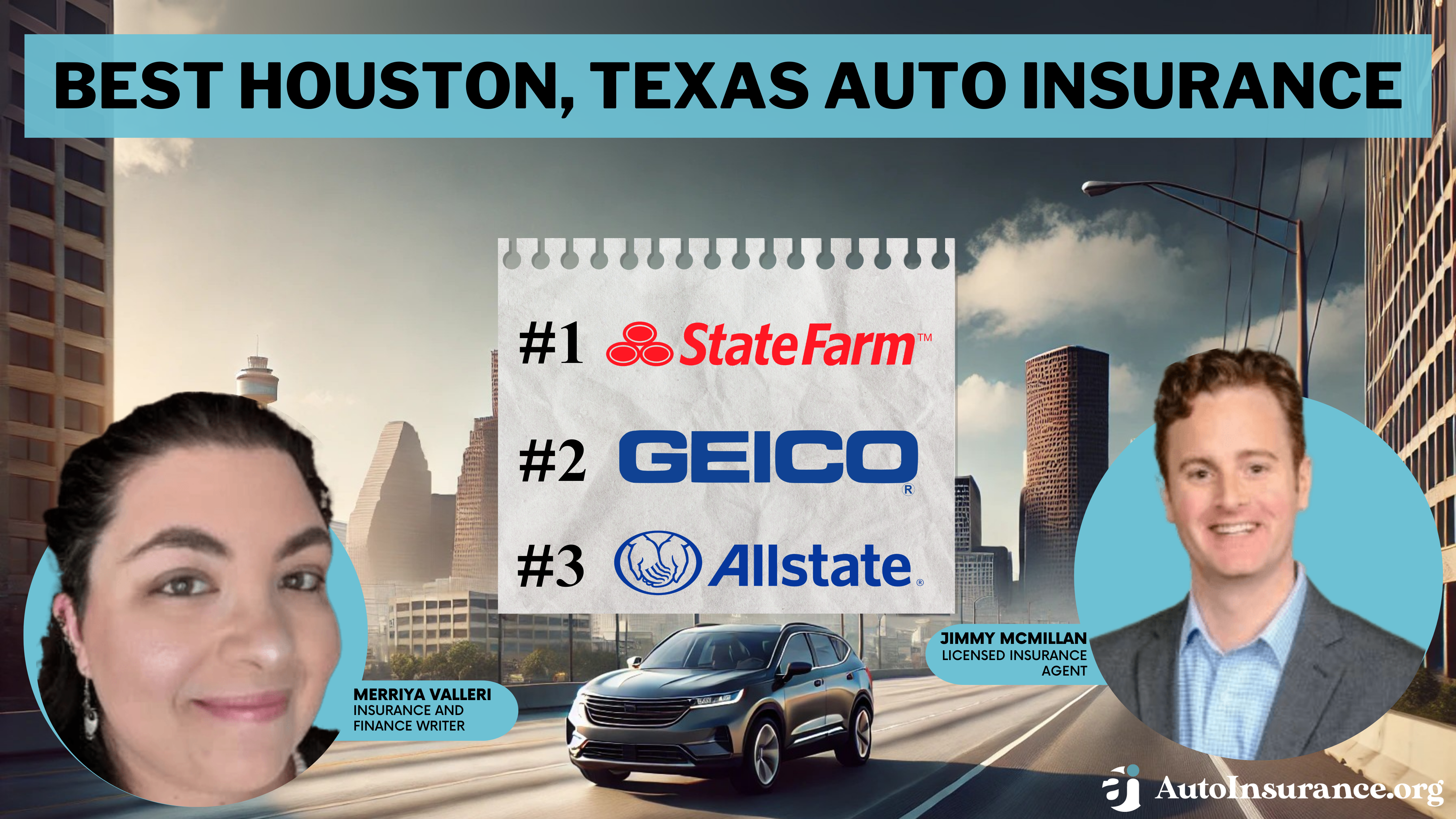
To select the right auto insurance agency in Houston, Texas, verify the agency’s license through the Texas Department of Insurance (TDI), decide between an independent broker or captive agent, and evaluate their experience handling Hou...
To select the right auto insurance agency in Houston, Texas, verify the agency’s license through the Texas Department of Insurance (TDI), decide between an independent broker or captive agent, and evaluate their experience handling Houston-specific risks like flooding and uninsured drivers. Compare quotes from multiple rated carriers, review fee disclosures, and test their claims support before signing.
Contents
Understanding the Houston Auto Insurance Landscape
Navigating the driver landscape in Houston requires an understanding of both state mandates and local environmental risks. Houston consistently ranks among the most challenging cities for drivers in Texas. The combination of sprawling highway systems—such as the Interstate 10 corridor, Interstate 45, and the 610 Loop—and high traffic density leads to frequent collisions and elevated insurance loss ratios across Harris County.
In Texas, drivers are legally required to carry basic liability coverage under the state's 30/60/25 rule:
- $30,000 for bodily injury per person
- $60,000 for total bodily injury per accident
- $25,000 for property damage per accident
However, relying solely on state minimums in a major metropolitan area like Houston often leaves policyholders dangerously exposed. A multi-vehicle crash on the Beltway or major damage to a modern vehicle can quickly exceed $25,000 in property damage.
Furthermore, environmental factors play a massive role in local auto insurance considerations. Houston's susceptibility to severe tropical storms, localized flash flooding, and severe weather makes comprehensive coverage essential rather than optional for most vehicle owners. Additionally, the high rate of uninsured or underinsured drivers across the Greater Houston area elevates the necessity of tailored policy add-ons.
Choosing an auto insurance agency isn't just about buying a policy; it's about partnering with an intermediary who understands the specific financial hazards of driving in Southeast Texas.
Captive Agents vs. Independent Agencies vs. Direct Insurers
When seeking auto coverage in Houston, consumers must choose between three distinct insurance distribution channels. Understanding how these models operate helps narrow down which type of agency aligns best with your financial goals and service expectations.
| Independent Agencies | Captive Agencies | Direct Digital Insurers |
|---|---|---|
| - Access to 10+ carriers | - Exclusive access to 1 insurer | - Fully self-serviced online |
| - Customized market comparison | - Deep single-brand product mastery | - Lower overhead, no dedicated agent |
| - Local claims advocacy | - Corporate-backed claims systems | - Standardized nationwide policies |
Independent Insurance Agencies
Independent agencies operate as local small businesses or regional brokerages contracted with multiple insurance carriers (such as Progressive, Travelers, Safeco, and Encompass).
- Pros: An independent agent acts as an advisor who can shop your policy across dozens of carriers to find optimal rates and coverage mixes. If your rates increase at renewal, an independent agency can re-shop your policy without forcing you to change agencies.
- Cons: Service standards, digital tools, and customer support responsiveness can vary widely depending on the specific brokerage's size and internal management.
Captive Insurance Agencies
Captive agents work exclusively for a single insurance brand, such as State Farm, Allstate, or Farmers.
- Pros: Captive agents possess deep expertise in their specific company's proprietary products, specialized discount programs, and bundled policy options (e.g., combining auto with Texas home or renters insurance).
- Cons: If their parent company raises premiums in Harris County or restricts coverage due to underwriting shifts, a captive agent cannot offer alternative carrier options. You must leave the agency entirely to secure a different carrier.
Direct-to-Consumer Digital Platforms
Direct insurers allow drivers to purchase and manage policies entirely online or via mobile applications without interacting with a localized agent.
- Pros: Fast online quote generation, lower baseline operating costs, and streamlined self-service policy changes.
- Cons: Lack of customized, local guidance. Direct digital platforms do not provide dedicated local agents who understand specific Houston neighborhood risk dynamics or act as personal claims advocates when complex disputes arise.
Step-by-Step Process to Choose the Best Houston Agency
Finding a reputable agency requires systematic evaluation. Follow this step-by-step workflow to ensure you select a licensed, trustworthy partner.
- Step 1: Verify TDI Licensing & Regulatory Standing
- Step 2: Assess Houston Local Knowledge & Flood Expertise
- Step 3: Review Carrier Access & Policy Flexibility
- Step 4: Audit Fee Transparency & Broker Disclosures
- Step 5: Test Service Responsiveness & Claims Advocacy
Step 1: Verify Licensing and Regulatory Standing
Before sharing personal information or requesting quotes, confirm that the agency and its individual producers are actively licensed in the state of Texas.
You can check license status, line-of-authority permissions, and complaint records directly through the Texas Department of Insurance Agent Lookup Tool. Verify that the agency maintains an active Property & Casualty (P&C) license and has no outstanding regulatory enforcement actions or severe consumer complaint patterns.
Step 2: Assess Local Market Knowledge
A generic, national call-center agent may not recognize why driving through low-lying areas in the Heights, Medical Center, or Clear Lake requires strategic comprehensive deductible selections. Ask potential agents about their experience serving Harris, Fort Bend, and Montgomery counties. A skilled local agent will proactively analyze your commute, parking conditions (e.g., street parking versus secured garage), and annual mileage across Houston's toll road network.
Step 3: Review Carrier Access and Policy Options
If evaluating an independent agency, ask for a complete list of their primary auto insurance carriers. Top-tier Houston brokerages maintain partnerships with financially stable carriers rated "A-" (Excellent) or better by A.M. Best. Ensure the agency offers access to specialty markets if your household has unique requirements, such as classic car insurance, commercial auto endorsements, or high-risk (SR-22) filings.
Step 4: Audit Fee Transparency and Disclosures
In Texas, insurance agents and brokers are permitted to charge administrative or service fees under strict disclosure rules. Request a written fee schedule before engaging an agency.
An ethical agency clearly separates carrier-charged policy premiums from agency-level broker fees. Be cautious of agencies that levy hidden "application fees," "policy processing charges," or endorsement fees without upfront written consent.
Step 5: Test Service Responsiveness and Claims Support
To gauge an agency’s long-term service quality, test their customer support channels before buying a policy.
- Call or email their office during standard business hours with a specific policy question.
- Observe how quickly a licensed producer responds.
- Ask how claims are handled: Does the agency have a dedicated local claims coordinator to assist you when submitting a loss, or do they simply direct you to a carrier's 1-800 phone tree?
Key Coverage Options Every Houston Driver Must Discuss
Selecting an auto insurance agency involves more than selecting a brand—it requires configuring proper policy protections. During your consultation, ensure your chosen agency addresses the following critical coverages for Houston drivers:
Uninsured/Underinsured Motorist (UM/UIM)
According to industry estimates, a significant percentage of drivers on Texas roads carry no insurance or hold only minimum coverage. Under Texas law, auto insurance companies must offer Uninsured/Underinsured Motorist (UM/UIM) coverage on every policy. If you choose not to carry it, Texas law requires you to reject the coverage in writing.
A reliable agency will strongly advise against waiving UM/UIM. It covers medical costs, lost wages, and vehicle repair bills if you are struck by a hit-and-run driver or a driver without adequate liability insurance.
Comprehensive Coverage (Weather & Flood Protection)
While collision coverage pays for damage resulting from a crash with another vehicle or object, comprehensive coverage protects against non-collision losses. In Houston, this includes:
- Rising floodwaters and heavy tropical storm runoff
- Hail damage from sudden severe thunderstorms
- Theft and vandalism in urban parking facilities
- Windshield cracking caused by highway debris
When configuring comprehensive coverage, discuss deductible levels with your agent. A lower comprehensive deductible (e.g., $250 or $500) can protect your out-of-pocket budget when tropical weather events hit.
Personal Injury Protection (PIP) vs. Medical Payments (MedPay)
Texas requires insurers to include at least $2,500 in Personal Injury Protection (PIP) unless rejected in writing. PIP covers medical expense payments, ambulance fees, and 80% of lost income for you and your passengers, regardless of who caused the accident.
Alternatively, Medical Payments (MedPay) covers necessary medical treatments but does not cover lost wages. A knowledgeable Houston agent will explain these differences clearly to align with your personal health insurance plan structure.
| Feature | Personal Injury Protection (PIP) | Medical Payments (MedPay) |
|---|---|---|
| Medical Expenses | Covered | Covered |
| Lost Wages Coverage | Covered (up to 80%) | Not Covered |
| Essential Services Support | Covered | Not Covered |
| Requires Written Rejection | Yes | No |
| Fault Requirement | No-Fault | No-Fault |
Comparing Insurance Shopping Models in Houston
To help you decide which path fits your preferences, the table below compares the functional features, costs, and service delivery across local independent agencies, local captive offices, and direct digital insurers.
| Operational Feature | Independent Brokerage | Captive Agent Office | Direct Online Insurer |
|---|---|---|---|
| Carrier Selection | 10–30+ Regional & National Carriers | 1 Exclusive Brand | 1 Exclusive Brand |
| Price Comparison | Agent shops multiple carriers automatically | Limited to internal tier discounts | Manual comparison required across websites |
| Local Presence | Local physical office in Houston metro area | Local physical office in Houston metro area | Digital only / National call center |
| Fee Structure | Premium + Optional disclosed broker fee | Premium only (built into carrier rates) | Premium only |
| Policy Re-shopping | Easy; completed internally at renewal | Requires switching to a brand-new agency | Requires independent research and manual switching |
| Claims Support | In-house advocacy + carrier claims line | Agency guidance + corporate claims center | Direct corporate claim entry online or via app |
| Best Suited For | Complex coverage needs, multi-car homes, high-risk | Strong brand loyalty, single-carrier bundling | Tech-savvy, straightforward liability needs |
Red Flags and Pitfalls to Avoid
When shopping for an auto insurance agency in Houston, watch for these common warning signs and operational pitfalls:
1. The "Minimum Coverage" Trap
Be wary of agencies that automatically quote Texas state minimum liability limits (30/60/25) just to advertise an artificially low rate. While this practice lowers upfront premium quotes, it exposes your financial assets to massive risk if you cause a severe accident involving modern luxury vehicles or complex medical injuries.
2. Unclear Agency Fees
In Texas, an agent can charge a service fee if agreed upon in writing. Avoid agencies that cannot clearly explain what their administrative or broker fees cover, or those that fail to separate policy premium payments from agency service charges.
3. High-Pressure Sales Tactics
Avoid producers who push immediate policy signatures without giving you time to review policy declarations, exclusion endorsements, and deductible selections. A reputable agency provides clear written documentation and encourages thorough review.
4. Failure to Address Flood Risks
If an agent does not ask whether your vehicle is parked in a flood-prone area or fails to explain how comprehensive auto coverage protects against water damage, they may lack the local risk perspective required for Houston residents.
Essential Questions to Ask a Houston Agent
Before signing a policy application, conduct a structured interview with the producer. Ask these targeted questions to evaluate their technical competence and client dedication:
- "Are you licensed as an agent or a broker in Texas, and can I see your TDI license number?"
- Why it matters: Verifies legal standing and regulatory compliance under Texas law.
- "Which insurance carriers do you represent, and what are their financial ratings?"
- Why it matters: Ensures your policy is backed by financially secure companies rated highly by independent rating agencies like A.M. Best.
- "How does your agency handle auto insurance claims for Houston flood damage?"
- Why it matters: Clarifies whether the agent provides personal assistance during catastrophic citywide weather events or simply refers you to a generic hotline.
- "What specific discounts do you offer for Houston commuters?"
- Why it matters: Uncovers potential savings tied to telematics programs, defensive driving courses, anti-theft devices, low-mileage usage, or multi-policy bundles.
- "Do you charge agency service fees, and will I be notified of fee changes at renewal?"
- Why it matters: Prevents financial surprises on future billing statements and establishes billing transparency.
Frequently Asked Questions
What is the difference between an insurance agent and an insurance broker in Texas?
In Texas, an insurance agent technically represents the insurance company, whereas an insurance broker represents the consumer. In daily business practice, independent agencies often fulfill broker functions by comparing products across multiple insurers to find coverages that fit the buyer's needs.
Does standard auto insurance cover vehicle flood damage in Houston?
Optional comprehensive coverage pays for flood damage to your vehicle up to its actual cash value (minus your deductible). Basic liability coverage and standard collision coverage do not cover flood damage.
How can I verify if a Houston insurance agency is licensed?
You can search the agency's name or individual producer's name using the Texas Department of Insurance Agent Lookup Tool. The database displays license status, lines of authority, address details, and regulatory actions.
Why are auto insurance premiums higher in Houston than in rural Texas?
Houston auto insurance rates reflect higher local risk factors, including dense urban traffic, elevated accident rates, frequent severe weather events, higher vehicle theft rates, and a high proportion of uninsured drivers across Harris County.
How often should I have my auto insurance policy reviewed?
Review auto coverage at least once per year or whenever major life changes occur. Important triggers include moving to a new Houston zip code, buying a new vehicle, changing your daily commute distance, adding or removing drivers, or experiencing major credit score changes.
Strategic Next Steps for Houston Drivers
Selecting the right auto insurance agency requires balancing professional licensing, localized hazard knowledge, product access, and transparent pricing. Rather than choosing an agency based solely on price advertisements, focus on finding a long-term advisor who understands how to protect your assets on Houston roadways.
To start your agency selection process:
- Gather your current policy declarations page, vehicle identification numbers (VINs), and driver information.
- Verify licensing credentials for two or three local agencies via the Texas Department of Insurance.
- Request detailed quotes featuring identical coverage limits—including realistic liability bounds (e.g., 100/300/100), UM/UIM protection, and comprehensive coverage.
- Review all fee disclosures carefully before binding coverage.
Image Gallery