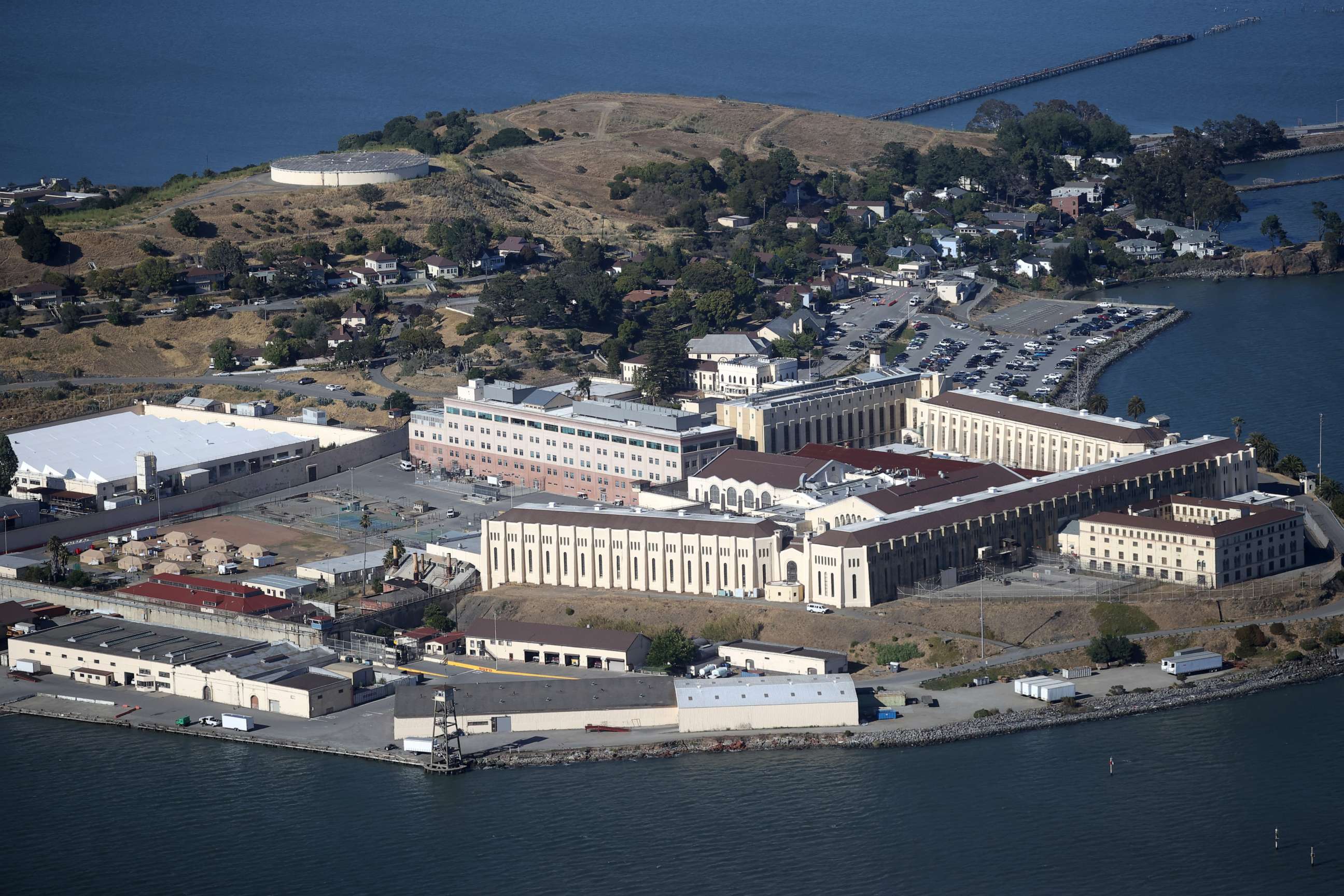
San Quentin State Prison: History, Transformation, and Operations
San Quentin State Prison is California's oldest correctional institution, operating since July 1852 in Marin County. Spanning 432 acres on the shores of San Francisco Bay, the facility has undergone major operational shifts, notably tr...
San Quentin State Prison is California's oldest correctional institution, operating since July 1852 in Marin County. Spanning 432 acres on the shores of San Francisco Bay, the facility has undergone major operational shifts, notably transitioning away from traditional carceral models toward a rehabilitative approach, while continuing to house specialized inmate populations and the state's execution chamber.
Contents
Historical Evolution and Architectural Legacy of California's Oldest Prison
Established by an act of the California Legislature, San Quentin originally housed inmates on a chartered prison ship called the Wasp before physical construction of the facility began. Early inmates were forced to build their own cells using stone quarried from the surrounding hillsides. Over the decades, the institution expanded significantly, developing a complex of cell blocks, industrial workshops, and administrative buildings.
The physical layout reflects mid-19th-century penal design philosophy, which prioritized containment and forced labor. Several original structures, including the historic South Block, remained in continuous use for over a century. The distinctive yellow brick and concrete walls became an iconic architectural feature along the Richmond-San Rafael Bridge corridor.
Key historical milestones shaped the institution's trajectory:
- 1852: Official opening of San Quentin as California's first state prison.
- 1933: Execution methods shifted from hanging to lethal gas, with the gas chamber installed inside the facility.
- 1940s: Warden Clinton Duffy introduced progressive reforms, abolishing corporal punishment and introducing inmate entertainment, education, and artistic programs.
- 1990s-2010s: Increased security protocols transformed parts of the prison into a high-security facility, alongside housing death row for male inmates.
- 2023-2026: Implementation of the San Quentin Transformation initiative, turning the facility into San Quentin Rehabilitation Center.
The San Quentin Rehabilitation Center Shift
The operational framework of the institution underwent a historic pivot following executive directives issued in 2023. The California Department of Corrections and Rehabilitation (CDCR) initiated a multi-year blueprint to convert the historic prison into a dedicated rehabilitation and education hub. This model draws inspiration from Scandinavian correctional systems, emphasizing vocational training, restorative justice, and community reintegration.
The transformation addresses several core pillars designed to lower recidivism rates among participating incarcerated individuals:
- Academic Advancement: Expansion of partnerships with local community colleges, offering accredited associate degrees and vocational certificates.
- Industry Partnerships: Modernized vocational workshops teaching marketable skills in coding, graphic design, construction trades, and culinary arts.
- Peer-Led Programs: Scaling up established internal groups like the Restricted Custody General Population programs, restorative justice circles, and victim-offender reconciliation workshops.
- Environmental Redesign: Upgrading physical spaces to foster educational engagement rather than strict custodial confinement, including redesigned day rooms and outdoor learning spaces.
Security Classifications and Inmate Demographics
San Quentin operates multiple security levels and houses specialized inmate populations. While the facility historically managed a massive population well over its designed capacity, depopulation efforts and the dismantling of the men's death row have altered the demographic profile.
| Facility Designation | Security Level | Primary Function | Population Focus |
|---|---|---|---|
| Adjustment Center | Maximum Security | Administrative Segregation | Inmates requiring strict separation from the general population |
| North Block | Medium to Maximum | General Population & Reception | General housing and transitional programs |
| South Block | Medium Security | General Population & Support | Inmates participating in work and educational programs |
| H-Unit | Specialized Care | Protective Custody & Medical | Inmates with specialized medical, mental health, or protective needs |
The execution chamber, located adjacent to the adjusted security housing, has not been used since the state enacted a moratorium on executions under Governor Gavin Newsom. The physical space remains non-operational for executions while the state repurposes death row housing units under the rehabilitation mandate.
Correctional Programs and Vocational Training
The modern curriculum inside the facility focuses heavily on bridging the gap between incarceration and stable post-release employment. Through collaboration with organizations like the Last Mile, incarcerated individuals gain technical literacy and entrepreneurial skills.
Educational pathways available within the institution span multiple disciplines:
- Information Technology: Hands-on software engineering, computer coding, and hardware diagnostics training.
- Building Maintenance: Carpentry, plumbing, electrical wiring, and sustainable construction certifications aligned with California industry standards.
- Creative Arts: Media production, journalism through the award-winning San Quentin News publication, and theatrical arts programs.
- Substance Abuse and Mental Health: Evidence-based therapeutic communities addressing trauma, addiction, and behavioral health.
Operational Challenges and Health Services
Managing a multi-age facility on a sprawling waterfront site presents distinct logistical and environmental hurdles. Infrastructure maintenance requires continuous seismic retrofitting, wastewater management coordination with San Francisco Bay regulatory bodies, and modernization of electrical grids built decades ago.
Healthcare delivery is a critical component of daily operations. The facility operates a licensed correctional treatment center providing ambulatory care, chronic disease management, and mental health intervention. During public health crises, such as the COVID-19 pandemic, the institution implemented strict containment protocols, highlighting the vulnerabilities inherent in high-density correctional environments and prompting broader legislative oversight regarding medical care standards within CDCR facilities.
Frequently Asked Questions About San Quentin
What is the current operational status of San Quentin?
San Quentin currently operates as the San Quentin Rehabilitation Center, shifting its primary mission from maximum-security confinement to education, vocational training, and rehabilitation. Traditional security measures remain active, but daily programming centers on preparing inmates for successful reintegration into society.
Can the public visit inmates at San Quentin?
Yes, public visitation is permitted subject to strict CDCR scheduling rules, background checks, and dress code compliance. Visitors must schedule appointments in advance through the online visitation scheduling system and adhere to all institutional security guidelines.
Is the death row at San Quentin still active?
The male death row at San Quentin is no longer active in terms of executions, following a gubernatorial moratorium. Inmates previously housed on death row have been systematically transferred to other state facilities or integrated into general population housing units under the rehabilitation initiative.
How can people support rehabilitation programs at San Quentin?
Support is typically channeled through approved non-profit organizations, educational partners, and volunteer networks that collaborate directly with the CDCR. Financial donations, mentorship participation, and educational material contributions must be coordinated through authorized administrative channels.
Conclusion and Strategic Outlook
San Quentin State Prison stands as a unique case study in modern penology, bridging 19th-century institutional architecture with 21st-century rehabilitative ideals. By emphasizing education, transparency, and skill-building over purely punitive confinement, the institution serves as a testing ground for broader correctional reform initiatives across the United States. Future success depends on sustained funding, community partnerships, and measurable reductions in post-release recidivism.
Image Gallery