What Hallmarks Mean for You: A Guide to Precious Metal Security in 2026
Hallmarks are official marks struck on items made of precious metals—gold, silver, platinum, and palladium—to guarantee their purity and origin. For you, a hallmark is a "silent certificate of authenticity" that protects your financial...
Hallmarks are official marks struck on items made of precious metals—gold, silver, platinum, and palladium—to guarantee their purity and origin. For you, a hallmark is a "silent certificate of authenticity" that protects your financial investment, ensures legal compliance, and provides peace of mind regarding the quality of your jewelry or bullion.
Contents
Purchasing jewelry or investment-grade metal is a significant decision. Whether you are buying a 2026 commemorative engagement ring or a vintage silver tea service, the hallmark is the primary tool used to verify that the item is exactly what the seller claims it to be. In an era where advanced plating techniques and sophisticated counterfeits can deceive even experienced eyes, understanding these marks is your best defense against fraud.
The Essential Purpose of Hallmarking
At its core, hallmarking is one of the oldest forms of consumer protection in history. Because it is impossible to determine the purity of a gold or silver item simply by looking at it or feeling its weight, independent bodies—known as Assay Offices—test the metal. If the item passes the test, it is "hallmarked."
The Guarantee of Purity
When you see a hallmark, you are looking at proof of the item's "fineness." Fineness refers to the ratio of precious metal to other alloys. For example, 18-carat gold is 75% pure gold and 25% other metals (like copper or silver) added for durability. A hallmark of "750" confirms this ratio has been independently verified. Without this mark, you are essentially taking the seller's word for the metal's value, which can be a costly mistake in a volatile 2026 precious metals market.
Legal Recourse and Consumer Rights
In many jurisdictions, such as the United Kingdom and much of the European Union, it is a criminal offense to describe an un-hallmarked item as being made of a precious metal if it exceeds a certain weight. For you, this means the hallmark is a legal shield. If you purchase a ring sold as 18k gold and it lacks a hallmark, or if the hallmark is later found to be fraudulent, you have clear legal grounds for a refund or prosecution. In the United States, while the system relies more on "Maker's Marks" and "Fineness Marks," the presence of these stamps is still a legal requirement for items sold as gold or silver.
Maintaining Resale Value
If you ever decide to sell your jewelry or pass it down as an heirloom, the hallmark acts as a permanent appraisal. Professional buyers and auction houses in 2026 prioritize hallmarked items because they do not require invasive "acid testing" or expensive X-ray fluorescence (XRF) scanning to determine initial value. A clear, recognized hallmark makes your assets liquid and ensures you receive the full market price based on the current spot rate of the metal.
The Anatomy of a Modern Hallmark
A complete hallmark is rarely a single stamp. Instead, it is a series of marks that tell a complete story about the item’s journey from the workshop to your hands. While the specific icons vary by country, the following components are the most critical for you to identify.
1. The Sponsor’s Mark (The Maker’s Mark)
This mark indicates the person or company responsible for sending the item to the Assay Office. It is usually the initials of the jeweler or the manufacturer set inside a specific shield shape. This mark is vital for you because it identifies the "provenance" of the piece. If a piece of jewelry develops a structural fault, the sponsor's mark allows you to trace the item back to its original creator.
2. The Millesimal Fineness Mark
This is perhaps the most important number for you to understand. It tells you the parts per thousand of precious metal in the alloy. In 2026, the standard fineness marks you will encounter include:
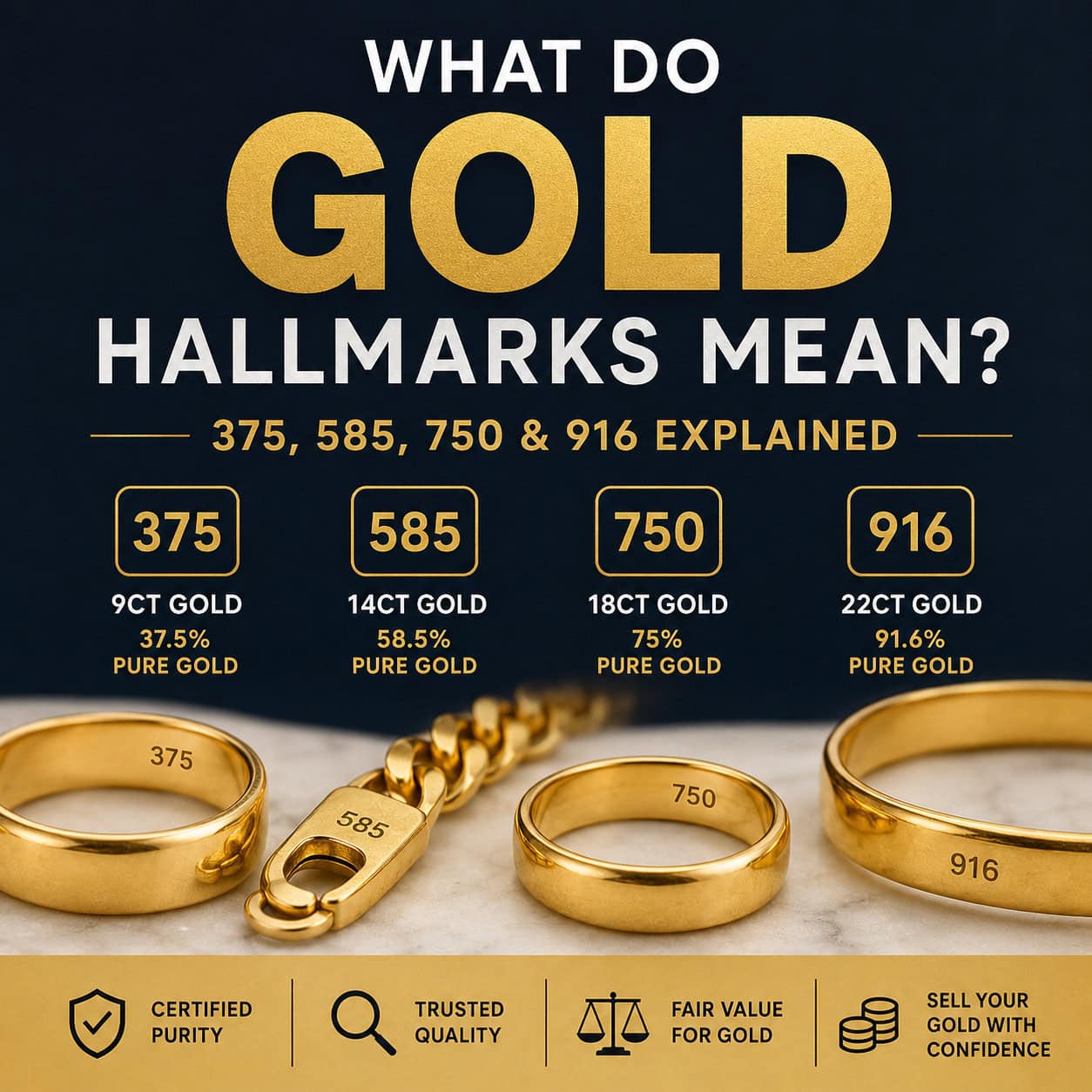
- Gold: 375 (9k), 585 (14k), 750 (18k), 916 (22k), and 999 (24k).
- Silver: 800 (Common European silver), 925 (Sterling), and 999 (Fine silver).
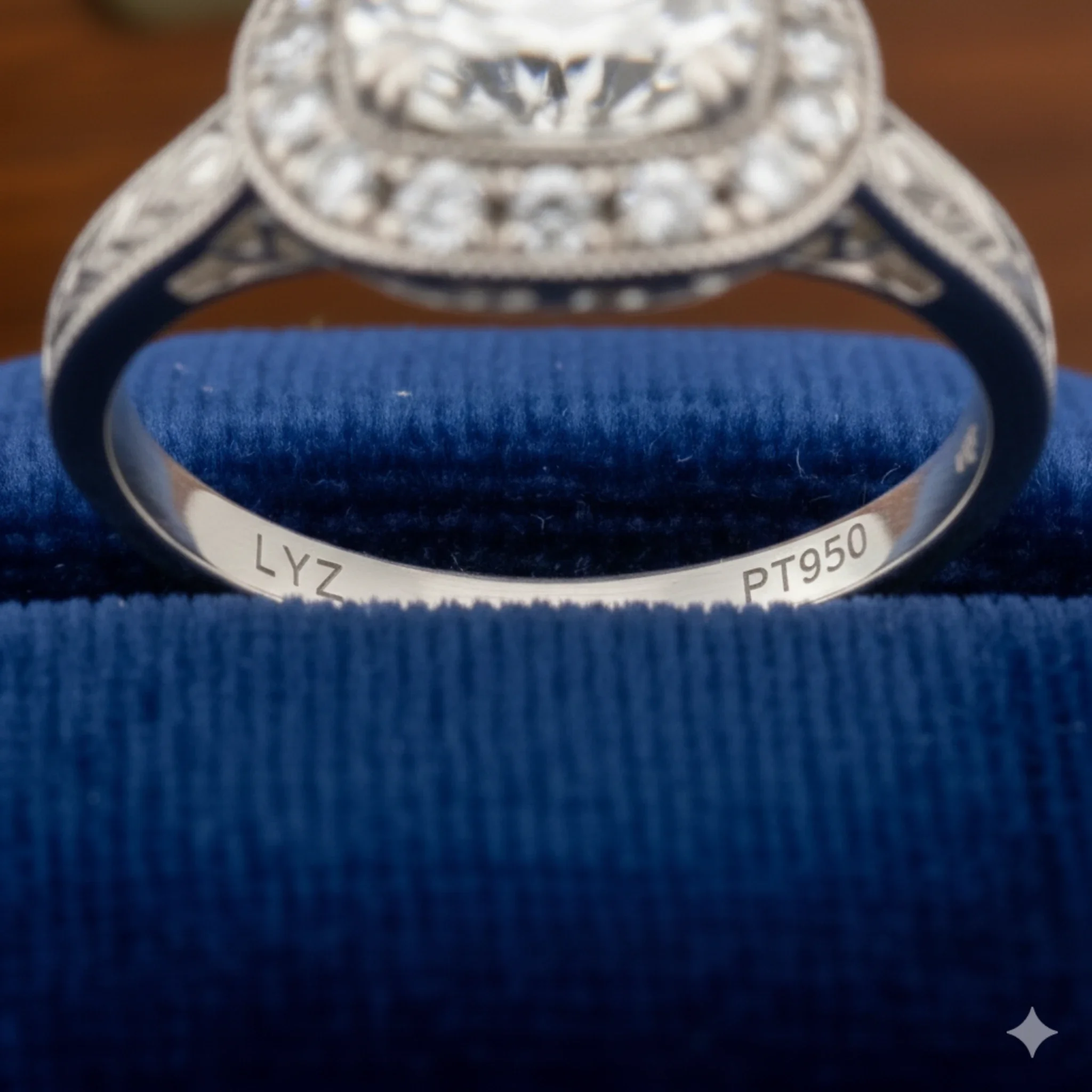
- Platinum: 850, 900, 950, and 999.
- Palladium: 500, 950, and 999.
3. The Assay Office Mark
This mark tells you where the item was tested. In the UK, for example, a leopard's head represents London, while an anchor represents Birmingham. In the 2026 global market, many items also carry the "Common Control Mark" (a balance scale icon), which indicates the item was marked under the International Hallmarking Convention, making it legal for sale in dozens of member countries without re-testing.
4. Optional and Commemorative Marks
Sometimes you will see a "Date Letter," which tells you exactly which year the item was hallmarked. While not always mandatory, these are highly prized by collectors. Additionally, special marks are often released for major events; for instance, items hallmarked in 2026 may carry unique commemorative stamps celebrating significant royal or national anniversaries, adding to the item's future collectible value.
Hallmarking Methods: Traditional vs. Laser
As of 2026, technology has changed how hallmarks are applied, which affects how you should inspect your jewelry.
Traditional "Struck" Marks
For centuries, hallmarks were applied using a steel punch and a hammer. This creates a deep, physical indentation in the metal. Struck marks are durable and often easier to see with the naked eye. However, on very thin or delicate jewelry, a struck mark can cause "bruising" or distortion of the metal.
Laser Hallmarking
Laser hallmarking has become the industry standard for 3D-printed jewelry and delicate hollow-ware. Instead of displacing the metal, a high-powered laser etches the hallmark onto the surface. For you, the benefit is a perfectly clean finish with no risk of damaging the piece. The downside is that laser marks are often shallower than struck marks and may wear away over decades of heavy use on items like wedding bands. When buying a piece in 2026, always check if the mark is laser-etched and ensure it is located in a place where it won't be easily worn down.
Purity Reference Table for Consumers
The following table outlines the most common precious metal marks you will find in the 2026 market and what they signify for your purchase.
| Metal Type | Fineness Mark | Common Name | Precious Metal Content | Typical Use Case |
|---|---|---|---|---|
| Gold | 375 | 9-Carat | 37.5% | Affordable, durable everyday jewelry. |
| Gold | 585 | 14-Carat | 58.5% | Standard for US engagement rings. |
| Gold | 750 | 18-Carat | 75.0% | High-end jewelry, rich yellow color. |
| Gold | 999 | 24-Carat | 99.9% | Investment bullion and coins. |
| Silver | 925 | Sterling | 92.5% | High-quality jewelry and silverware. |
| Silver | 999 | Fine Silver | 99.9% | Bullion bars; too soft for most jewelry. |
| Platinum | 950 | Platinum | 95.0% | Premium bridal jewelry; hypoallergenic. |
| Palladium | 950 | Palladium | 95.0% | Lightweight alternative to platinum. |
International Differences: What You Need to Know
Hallmarking laws are not universal, which can be confusing when you travel or buy jewelry online.
The United Kingdom and Ireland
These countries have some of the world's strictest laws. Every item sold as gold, silver, platinum, or palladium above a very low weight threshold must have an official hallmark from an independent Assay Office. If you buy a "gold" ring in London without a hallmark, the sale is technically illegal.
The United States
The US system is based on the National Gold and Silver Marking Act. It does not require independent third-party hallmarking. Instead, it requires the manufacturer to stamp the fineness (e.g., 14k) and their own registered trademark. In this system, the "hallmark" is essentially a promise from the manufacturer. For you, this means the reputation of the brand is your primary security.
The Vienna Convention
Many countries (including much of Europe) follow the International Convention on Hallmarks. These pieces bear a "Common Control Mark" (the scales icon). If you see this mark, it means the item can be traded across most international borders without needing to be re-assayed, which is a major convenience if you move or sell items abroad.
How to Verify a Hallmark Yourself
In 2026, you don't need to be an expert to perform a basic check on a hallmark. Follow these steps to ensure your purchase is legitimate:
- Use a Jeweler’s Loupe: Hallmarks are designed to be small so they don't detract from the design. A 10x magnification loupe is necessary to see the details of the icons.
- Check for "Symmetry": A genuine hallmark from an Assay Office is struck with precision. If the numbers look uneven, the edges are blurry, or the icons look "homemade," the mark might be a counterfeit.
- Verify the Location: On rings, hallmarks are usually on the inside of the band. On necklaces, check the small metal tag near the clasp or the clasp itself. On earrings, they are often on the post.
- Consult an Online Database: Most major Assay Offices (like those in London, Birmingham, Sheffield, and Edinburgh) maintain digital registries. In 2026, many even offer mobile apps where you can photograph a hallmark to verify its authenticity and see the year of production.
Frequently Asked Questions
Does "925" stamped on a ring mean it is definitely sterling silver?
Not necessarily. While 925 is the fineness mark for sterling silver, a stamp that only says "925" is a "maker's mark," not a full hallmark. In some cases, unscrupulous manufacturers stamp "925" on silver-plated copper or brass. A true hallmark includes the Assay Office mark and the Sponsor's mark to provide independent verification.
What should I do if a piece of jewelry has no hallmark?
If the item is very light (e.g., a gold item weighing less than 1 gram in the UK), it may be exempt from hallmarking. However, if it is a substantial piece, the absence of a hallmark should be a red flag. You should ask the jeweler why it isn't marked. If they cannot provide an Assay Office certificate, you should consider having the piece independently tested before finalizing the purchase.
Can hallmarks wear off over time?
Yes. On rings that are worn daily for decades, the friction against the skin can gradually wear down the metal, making the hallmark faint or illegible. This is particularly common with gold wedding bands. If you are buying a vintage piece with a worn hallmark, a reputable jeweler should still be able to verify the metal content using non-destructive testing.
Is a "trademark" the same as a hallmark?
No. A trademark (or maker's mark) identifies who made the piece, but it does not independently verify the metal's purity. A hallmark is the result of an independent third-party test. In the US, you will often only see a trademark and a fineness stamp, whereas in the UK, you will see both of those plus the Assay Office mark.
Are there hallmarks for lab-grown vs. natural diamonds?
Hallmarks specifically refer to the metal content. However, as of 2026, many Assay Offices have begun offering "combination marks" or accompanying digital certificates that also verify the nature of the gemstones set in the metal. While the hallmark on the band tells you about the gold, always look for a separate grading report (like GIA or IGI) for the stones.
Final Recommendations for 2026 Buyers
When purchasing precious metals in 2026, always prioritize hallmarked items. If you are buying from a boutique jeweler or an online marketplace, ask specifically for a "hallmark description" or a "certificate of assay." For high-value investments, use a 10x loupe to verify the marks yourself or use a digital verification app provided by an official Assay Office. Remember, a hallmark is not just a stamp; it is your primary legal and financial protection in the precious metals market.
Image Gallery