Exploring the Cultural Impact of the Sienna Miller Topless Esquire UK Interview and Cover Feature
Sienna Miller’s provocative and highly publicized Esquire UK interview and accompanying photographic feature marked a defining moment in 2000s celebrity culture, fashion journalism, and the intersection of public image and personal age...
Sienna Miller’s provocative and highly publicized Esquire UK interview and accompanying photographic feature marked a defining moment in 2000s celebrity culture, fashion journalism, and the intersection of public image and personal agency. The feature captured the actress at a pivotal juncture in her career, blending candid profile writing with striking visual imagery that sparked widespread media debate, set editorial trends, and cemented her status as a quintessential style icon of the decade.
Contents
Contextualizing the Esquire UK Feature in 2000s Celebrity Media
To understand the cultural resonance of the Sienna Miller Esquire UK interview, one must examine the media landscape of the mid-2000s. During this era, men's lifestyle magazines such as Esquire, GQ, and Maxim held immense cultural influence, regularly featuring prominent actresses, models, and musicians in high-concept, glossy pictorials. These features were designed not only to appeal to the magazine's core demographic but also to serve as strategic promotional tools for upcoming film releases, fashion lines, and public reinventions.
For Sienna Miller, the mid-2000s were a whirlwind of rapid professional ascent and intense tabloid scrutiny. Having broken into mainstream consciousness through roles in films like Layer Cake and Alfie, alongside a highly publicized personal life, Miller was already a fixture of the British press. The Esquire UK cover and interview arrived precisely when her bohemian-chic fashion sense was dominating global style discourse. By collaborating with a premier publication known for its sophisticated long-form journalism and cinematic photography, Miller engaged in a deliberate exercise in image-crafting, subverting or leaning into the tabloid persona depending on the reader's perspective.
The decision to feature striking, avant-garde, and partially nude photography was par for the course for glossy men's monthlies of the period. However, the execution—balancing artistic vulnerability with a sharp, articulate interview—distinguished the piece from standard pin-up fare. It framed Miller not merely as an object of visual desire, but as an active participant in her own myth-making, possessing a sharp wit and a pragmatic attitude toward the relentless exposure of celebrity life.
Editorial Style, Photography, and Visual Direction
The visual component of the Esquire UK feature relied heavily on minimalist styling, dramatic lighting, and high-contrast composition. Men's style magazines in the UK during the 2000s frequently employed top-tier fashion photographers who treated celebrity subjects as high-fashion muses rather than traditional glamour models. The topless and partially clothed imagery within the spread utilized shadow, texture, and natural poses to evoke a sense of intimacy and unvarnished realism.
Key Elements of the Visual Spread
- Lighting and Tone: Low-key lighting emphasized facial bone structure and natural skin textures, moving away from the hyper-airbrushed aesthetic common in lower-tier publications.
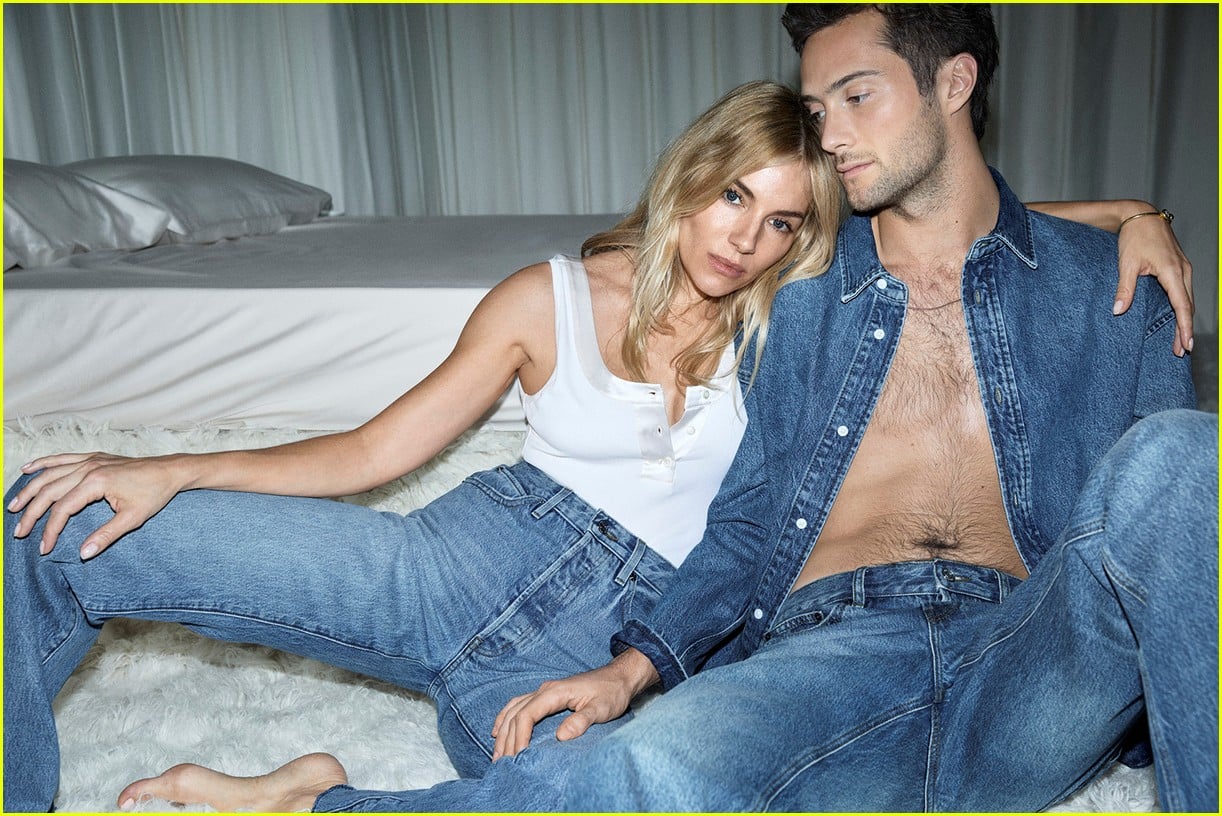
- Styling: Rather than heavy, ornate couture, the styling often favored understated pieces—rumpled bedsheets, unbuttoned shirts, or minimalist denim—reinforcing the illusion of an intimate, behind-the-scenes glimpse into the subject's private world.
- Art Direction: The layout incorporated classic typography and generous white space, giving the photography room to breathe and aligning the magazine with high-end European fashion publications.
This careful curation of imagery played a dual role. Visually, it satisfied the commercial requirements of a men's lifestyle magazine by featuring a major sex symbol of the era. Artistically, it positioned Miller within a lineage of British cinematic icons who blended effortless beauty with intellectual edge, echoing the cinematic rebelliousness of 1960s and 1970s screen stars.
| Magazine Feature Aspect | Primary Objective | Execution & Style |
|---|---|---|
| Cover Photography | Grab newsstand attention and establish tone | High-contrast portraiture, direct eye contact, minimalist typography |
| Interior Pictorial | Balance commercial appeal with artistic credibility | Dramatic lighting, implied narrative, high-fashion styling |
| Profile Interview | Provide humanizing context and promote upcoming work | Candid dialogue, witty repartee, address of public perception |
| Editorial Layout | Enhance readability and visual prestige | Clean grid systems, premium paper stock, expansive image crops |
Deconstructing the Interview Narrative
While the visual elements drew immediate attention on newsstands, the accompanying text provided a vital counterweight. Celebrity interviews in Esquire UK during this period were typically conducted over several days, allowing journalists to observe their subjects in varied settings—from bustling London restaurants to quiet rural retreats. This format yielded quotes that felt more reflective and less guarded than standard junket press-conference soundbites.
In her interview, Miller addressed the double-edged sword of tabloid fame, the realities of working within a male-dominated film industry, and the challenges of maintaining an authentic identity while living under a microscope. Rather than shying away from the controversies that frequently populated the gossip columns, she engaged with them head-on, often deploying a self-deprecating British humor that disarmed critics and endeared her to readers.
The writer used these interactions to construct a narrative of resilience. Instead of portraying Miller as a passive victim of media intrusion, the profile presented her as a savvy operator navigating the turbulence of sudden global stardom. This thematic undercurrent resonated deeply with readers, particularly young women who viewed her fashion choices and independent demeanor as a form of modern liberation.
Broader Cultural Impact and Media Reception
The publication of the Esquire UK feature generated significant reverberations across both mainstream journalism and the burgeoning digital blogosphere of the mid-2000s. At a time when celebrity gossip was shifting from monthly print magazines to daily online aggregation sites, features like this served as major cultural touchstones that dominated watercooler conversations for weeks.
Critics and cultural commentators dissected the imagery and the text for what they revealed about contemporary attitudes toward female sexuality. On one hand, feminist critics occasionally raised questions about the commodification of women's bodies within men's lifestyle publications, arguing that even empowered depictions ultimately served a male-centric commercial machine. On the other hand, defenders—including Miller herself in various retrospective comments—maintained that reclaiming one's image through high-art photography was an exercise in personal autonomy rather than subjugation.
| Period | Media Platform / Format | Primary Focus of Coverage |
|---|---|---|
| Mid-2000s (Print Era) | Monthly print magazines, daily tabloid press | Physical appearance, relationship status, style trends |
| Late 2000s (Transition) | Early celebrity blogs, digital photo galleries | Re-hosting of editorial images, viral interview quotes |
| Contemporary (2026) | Retrospective essays, fashion archives, digital culture studies | Long-term cultural legacy, evolution of celebrity image management |
Practical Considerations for Collecting and Archiving Print Media
For contemporary collectors, fashion historians, and pop-culture researchers, acquiring original copies of vintage magazine issues like the Sienna Miller Esquire UK edition requires navigating specialized secondary markets. Understanding the physical characteristics and preservation needs of 2000s-era periodicals ensures the longevity of these items.
- Authentication: Verify issue dates, volume numbers, and cover variants, as international editions often differed significantly from UK domestic print runs.
- Condition Grading: Look for issues free from spine cracking, water damage, or clipped pages. Original inserts and subscription cards add to collector value.
- Storage Requirements: Store print magazines in acid-free archival bags with backing boards, kept away from direct sunlight and fluctuating humidity levels to prevent paper yellowing and ink degradation.
Frequently Asked Questions
When was the Sienna Miller Esquire UK interview published?
The specific feature and accompanying interview were published during the mid-2000s, a period that corresponded with the peak of Sienna Miller's early career ascent and her widespread recognition as a global fashion icon.
What was the primary focus of the Esquire UK interview text?
Beyond the visual spread, the interview focused on Miller's career trajectory, her experiences dealing with intense tabloid scrutiny, her approach to personal style, and her perspective on the film industry at the time.
Are these vintage magazine issues difficult to find today?
While physical copies are no longer available on newsstands, they frequently circulate on secondary collector markets, online vintage marketplaces, and specialized print archives catering to fashion and pop-culture enthusiasts.
How did this feature influence Sienna Miller's public image?
The feature helped solidify her dual reputation as both a high-fashion muse and a serious, articulate actress capable of navigating media exposure with humor and candor, reinforcing her status as a defining cultural figure of the decade.
Conclusion and Archival Preservation
The Sienna Miller Esquire UK interview and photographic feature remains a compelling artifact of mid-2000s media history. By successfully bridging the gap between commercial men's lifestyle publishing and high-fashion editorial art, the feature captured a defining moment in celebrity culture. For researchers and collectors examining the evolution of fame, fashion, and media representation, revisiting these original print artifacts offers valuable insight into how public personas were constructed and contested during the pre-social-media era.
Image Gallery