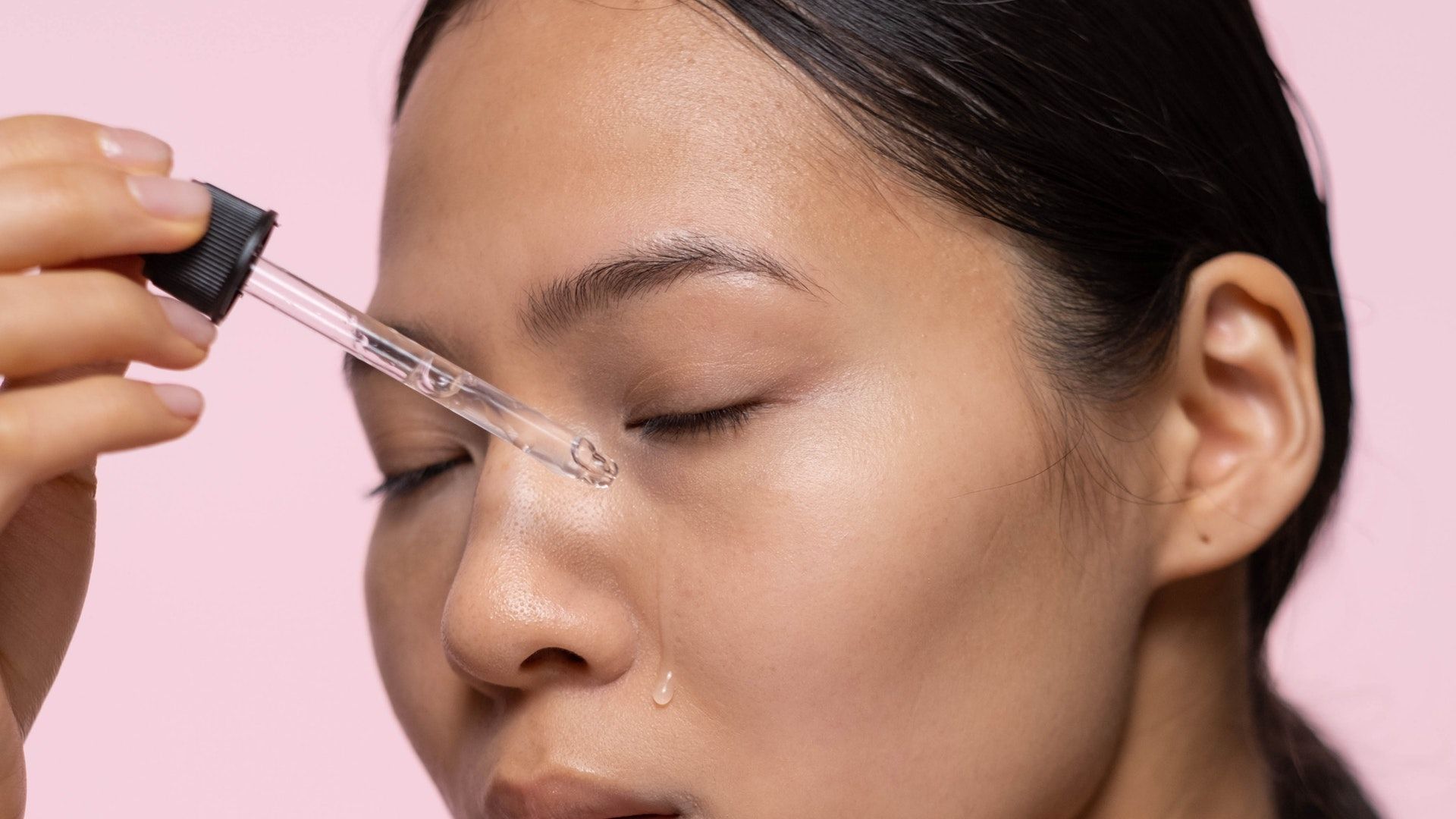
The Best Night Serum for Your 30s: Why This Decade Is the Critical Turning Point for Skin Health
In your 30s, a high-performance night serum is the most critical component of a preventative skincare routine. This is the decade when cellular turnover slows and collagen degradation becomes visible. Selecting a serum with retinoids,...
In your 30s, a high-performance night serum is the most critical component of a preventative skincare routine. This is the decade when cellular turnover slows and collagen degradation becomes visible. Selecting a serum with retinoids, peptides, or stabilized antioxidants helps stimulate repair during the skin's peak regenerative cycle.
Contents
The transition from your 20s to your 30s is often described by dermatologists as the "biological pivot point" for skin. While your 20s were primarily about protection and basic hydration, your 30s require a shift toward active correction and structural support. During this decade, the skin’s natural ability to bounce back from environmental stressors—such as UV exposure, pollution, and lack of sleep—begins to diminish. This is why the products you apply before sleep, specifically night serums, carry the heavy lifting of your entire dermatological health.
Why Your 30s Demand a Specialized Night Serum
To understand why a night serum is non-negotiable in your 30s, we must look at the skin's circadian rhythm. Scientific research, including studies published in the Journal of Investigative Dermatology, indicates that skin cells follow a strict 24-hour clock. During the day, the skin is in "defense mode," fighting off free radicals. At night, it shifts into "repair mode."
In your 30s, three major physiological changes occur that necessitate targeted intervention:
- Decreased Cell Turnover: In your 20s, skin cells renew roughly every 28 days. By your mid-30s, this cycle can slow to 35 or 45 days. This leads to a buildup of dead skin cells, resulting in a duller complexion and the accentuation of fine lines.
- Collagen and Elastin Depletion: We begin to lose approximately 1% of our collagen stores every year starting in our mid-20s. By 35, the loss becomes structurally significant, leading to early "nasolabial folds" or a loss of firmness in the mid-face.
- Increased Transepidermal Water Loss (TEWL): The skin’s barrier function weakens slightly in your 30s. At night, the skin's permeability increases, meaning it loses moisture faster but also absorbs active ingredients more deeply.
By applying a concentrated serum at night, you are providing the building blocks the skin needs precisely when it is most receptive to reconstruction.
Essential Ingredients for 30s Skin Repair
Selecting the "best" serum depends on your specific skin concerns, but several "gold standard" ingredients should be the focus for anyone in this age bracket.
Retinoids (The Gold Standard)
Retinoids, including retinol, retinaldehyde, and prescription-strength tretinoin, remain the most researched anti-aging ingredients. They work by communicating with skin cells to behave like younger, healthier cells. In your 30s, moving from a basic over-the-counter retinol to a stabilized Retinaldehyde (Retinal) is often recommended. Retinal is one step closer to retinoic acid than retinol, meaning it works up to 11 times faster while often being better tolerated by those with sensitive skin.
Peptides and Growth Factors
Peptides are short chains of amino acids that act as messengers, signaling the skin to produce more collagen. As we move into 2026, signal peptides and neuro-peptides have become more sophisticated, offering "Botox-like" effects by subtly relaxing facial tension and reinforcing the dermal-epidermal junction.
Niacinamide (Vitamin B3)
Niacinamide is a powerhouse for the 30s because it addresses multiple concerns simultaneously. It strengthens the lipid barrier, minimizes the appearance of pores (which can begin to sag and look larger due to collagen loss), and regulates oil production. It also acts as a brightener to combat the early stages of sunspots or "pregnancy mask" (melasma) often triggered in this decade.
Exfoliating Acids (AHAs)
Alpha Hydroxy Acids, such as Glycolic or Lactic Acid, are essential for addressing the slowing cell turnover mentioned earlier. They dissolve the "glue" holding dead skin cells together, revealing the fresher skin beneath. For those in their 30s, Lactic Acid is often preferred as it is a humectant that hydrates while it exfoliates.
Top-Rated Night Serums for 2026 by Skin Concern
Based on clinical efficacy, ingredient stability, and delivery technology, the following serums represent the peak of dermatological science for the 30s demographic in 2026.
| Product Name | Primary Active Ingredient | Best For | Benefit |
|---|---|---|---|
| SkinCeuticals Retinol 0.5 | Pure Retinol | Fine Lines & Texture | High-potency cell renewal |
| Medik8 Crystal Retinal 6 | Retinaldehyde | Advanced Aging/Acne | Faster results with less irritation |
| Estée Lauder Advanced Night Repair | Bifida Ferment / Tripeptide-32 | Barrier Support | Deep hydration and DNA repair |
| Paula’s Choice 1% Retinol Treatment | Retinol + Peptides | Stubborn Wrinkles | Comprehensive structural support |
| The Ordinary Multi-Peptide + HA | Peptide Complexes | Prevention/Hydration | Accessible, multi-depth firming |
| CeraVe Resurfacing Retinol | Encapsulated Retinol | Post-Acne Marks | Barrier-safe resurfacing |
How to Layer and Apply Your Night Serum
The efficacy of a night serum is significantly impacted by how it is applied. In your 30s, the skin can become more reactive, so a methodical approach is necessary to avoid "retinoid dermatitis" or a compromised barrier.
- Double Cleanse: Use an oil-based cleanser followed by a water-based one to ensure all pollution and SPF are removed. This ensures the serum can penetrate without obstruction.
- Damp vs. Dry Skin: If using a Hyaluronic Acid serum, apply it to damp skin. However, if using a Retinoid, wait 15–20 minutes until the skin is completely dry. Applying retinoids to damp skin increases absorption speed, which significantly raises the risk of irritation.
- The "Sandwich Technique": If you have sensitive skin, apply a thin layer of moisturizer, then your serum, followed by another layer of moisturizer. This buffers the active ingredients without neutralizing them.
- Wait Times: Allow your serum to "set" for at least 3–5 minutes before applying a heavy night cream or face oil. This prevents the active ingredients from being diluted or moved around.
Common Mistakes to Avoid in Your 30s
Many people in their 30s over-correct by using too many high-strength actives at once. This leads to "inflammaging"—chronic low-grade inflammation that actually accelerates the aging process.
- Mixing Acids and Retinoids: Do not use Glycolic Acid and Retinol in the same night unless they are formulated together in a single product. This can strip the acid mantle.
- Neglecting the Neck and Décolletage: The skin on the neck is thinner and has fewer oil glands than the face. It often shows age faster. Always bring your night serum down to your chest.
- Inconsistency: Skincare is a marathon, not a sprint. Retinoids can take 12 to 24 weeks of consistent use to show significant structural changes in the skin.
The Role of Professional Guidance
While over-the-counter serums are highly effective, the 30s are an excellent time to consult with a board-certified dermatologist. According to the American Academy of Dermatology (AAD), professional evaluation can distinguish between standard aging and conditions like rosacea or melasma, which may require medical-grade prescriptions like Tretinoin or Hydroquinone.
Frequently Asked Questions
Can I use a night serum during the day?
While you can use some (like Hyaluronic Acid or Niacinamide), you should avoid using Retinoids or AHAs during the day. These ingredients are photosensitive and degrade in sunlight. More importantly, they make your skin more susceptible to UV damage, which defeats the purpose of an anti-aging routine.
Is it too late to start using a serum in my late 30s?
It is never too late. Even in your late 30s, starting a retinoid-based serum can stimulate collagen production that has been dormant. The skin remains "plastic" and capable of repair throughout your life, though early prevention is always easier than later correction.
How much serum should I actually use?
For most concentrated night serums, a pea-sized amount for the entire face is sufficient. Using more does not provide better results; it only increases the likelihood of irritation and wastes expensive product.
Should I change my serum with the seasons?
Yes. During winter, the air is drier, and TEWL increases. You may want to switch to a serum with more ceramides or oils. In the summer, a lighter, water-based serum with Niacinamide may be more comfortable under high humidity.
Will a night serum replace my moisturizer?
Generally, no. Serums are delivery vehicles for active ingredients and usually lack the occlusive properties (like petrolatum, dimethicone, or waxes) needed to "seal" moisture into the skin. Think of the serum as the "treatment" and the moisturizer as the "sealant."
Moving Forward: Your 30s Strategy
The best night serum for your 30s is the one you will use consistently. If you are new to actives, start with a stabilized Retinol twice a week and gradually increase frequency. By 2026, the focus in dermatology has moved toward "barrier-first" aging—achieving results without causing redness or peeling. Choose a product that balances high-strength actives with soothing agents like Centella Asiatica or Ceramides to ensure your skin remains resilient and radiant for the decades to come.
Image Gallery