What Causes a Large Stomach? Understanding Abdominal Weight Gain and Bloating
A large stomach is primarily caused by an accumulation of visceral and subcutaneous fat, chronic digestive bloating, or hormonal imbalances. Factors such as a high-sugar diet, excessive alcohol consumption, sedentary behavior, and unde...
A large stomach is primarily caused by an accumulation of visceral and subcutaneous fat, chronic digestive bloating, or hormonal imbalances. Factors such as a high-sugar diet, excessive alcohol consumption, sedentary behavior, and underlying medical conditions like PCOS or liver dysfunction often contribute to a protruding abdomen. Distinguishing between fat accumulation and temporary distension is essential for effective management.
Contents
Distinguishing Between Fat Accumulation and Bloating
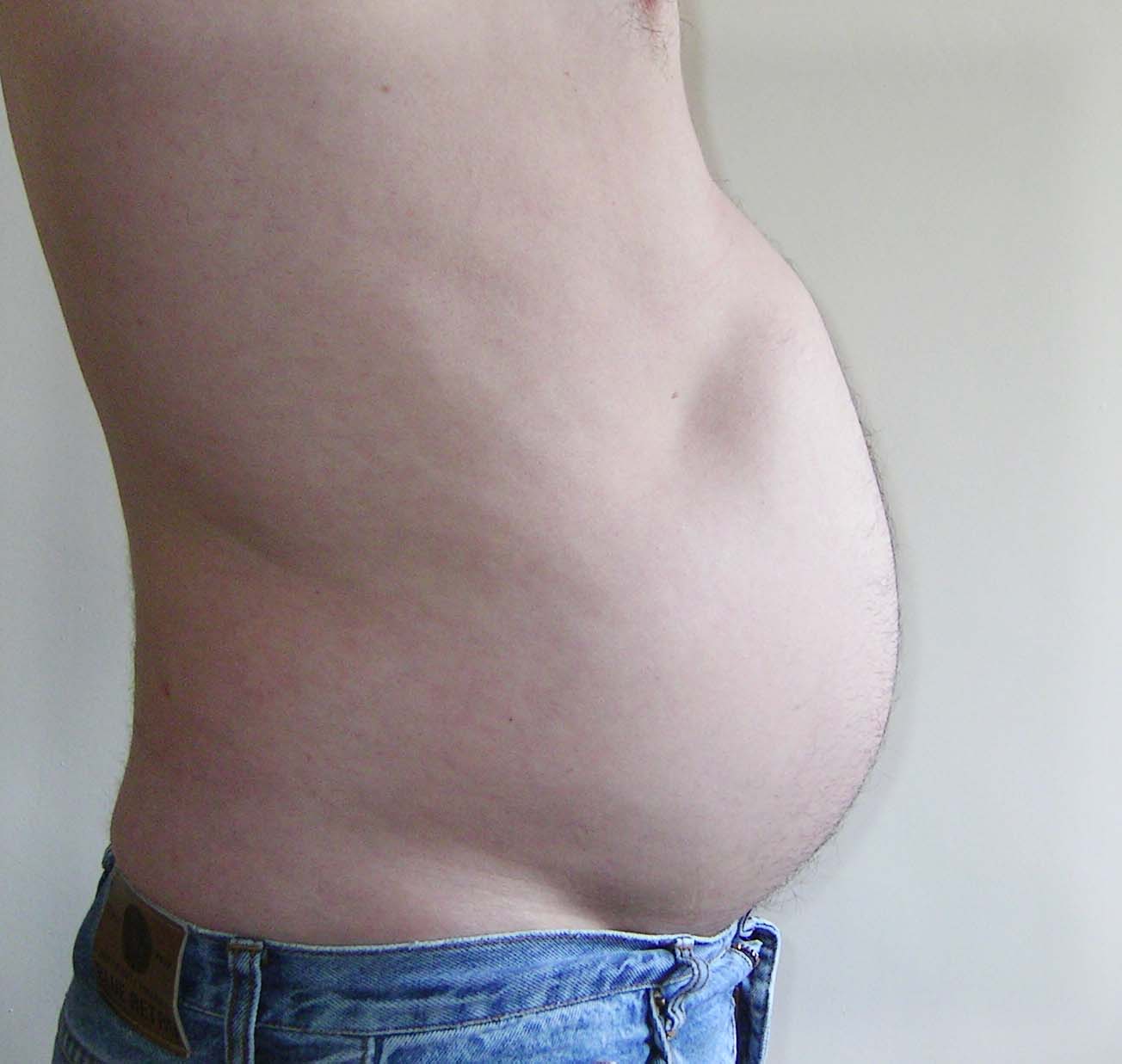
When addressing the cause of a large stomach, it is crucial to first determine whether the expansion is due to adipose tissue (fat) or abdominal distension (bloating). These two issues have vastly different origins and require different intervention strategies.
Adipose tissue accumulation is typically a gradual process. If the stomach remains large regardless of the time of day or what you have eaten, it is likely due to fat. This is further categorized into subcutaneous fat—the soft, "pinchable" layer located just beneath the skin—and visceral fat. Visceral fat is stored deep within the abdominal cavity, surrounding internal organs such as the liver, pancreas, and intestines. High levels of visceral fat often result in a firm, protruding "potbelly" and are significantly more dangerous to long-term health than subcutaneous fat.
Bloating and distension, conversely, often fluctuate throughout the day. A stomach that is flat in the morning but becomes progressively larger and harder after meals is usually the result of gas, fluid retention, or digestive issues. This type of "large stomach" is temporary but can become chronic if the underlying gastrointestinal triggers are not addressed.
The Role of Visceral Fat and Metabolic Health
In 2026, clinical research continues to emphasize that visceral fat is not just an inert storage of energy but an active endocrine organ. It secretes inflammatory cytokines and hormones that can interfere with the body's normal metabolic processes.
The primary drivers of visceral fat accumulation include:
- Excessive Caloric Intake: Consuming more energy than the body requires leads to the storage of excess calories as fat. The abdomen is a primary storage site for many individuals due to genetic predispositions.
- High Fructose Consumption: Fructose, found in high-fructose corn syrup and many processed foods, is metabolized almost exclusively in the liver. Excessive intake can lead to lipogenesis (fat creation), specifically targeting the abdominal region.
- Insulin Resistance: When cells stop responding effectively to insulin, the body produces more of the hormone to compensate. High insulin levels signal the body to store fat, particularly in the midsection, and make it increasingly difficult to mobilize that fat for energy.
Hormonal Influences on Abdominal Shape
Hormones act as the body’s messengers, and when they are out of balance, they can dictate exactly where the body stores weight. Several specific hormonal shifts are notorious for causing a large stomach.
Cortisol and the "Stress Belly"
Cortisol is the body’s primary stress hormone. Under chronic stress, cortisol levels remain elevated for extended periods. This elevation triggers the redistribution of fat from the extremities to the deep abdominal area. This is often referred to as a "stress belly," where the limbs may remain relatively thin while the midsection expands. According to the Mayo Clinic, chronic stress and the resulting high cortisol can also increase appetite and cravings for energy-dense "comfort foods."
Estrogen and Menopause
For women, the transition into menopause involves a significant drop in estrogen levels. Estrogen influences where fat is distributed; higher levels generally encourage fat storage in the hips and thighs (gynoid pattern). As estrogen declines, fat distribution shifts toward the abdomen (android pattern). This "menopausal middle" occurs even if a woman’s total weight remains stable.
Testosterone Levels
In men, declining testosterone levels are strongly associated with increased abdominal fat. Testosterone helps maintain muscle mass and regulate fat metabolism. As levels drop with age or due to lifestyle factors, the body becomes more prone to storing visceral fat, creating a cycle where increased fat further suppresses testosterone production.
Digestive Issues and Chronic Bloating
A large stomach is not always a matter of weight. Many individuals with a healthy Body Mass Index (BMI) struggle with a protruding abdomen due to gastrointestinal distress.
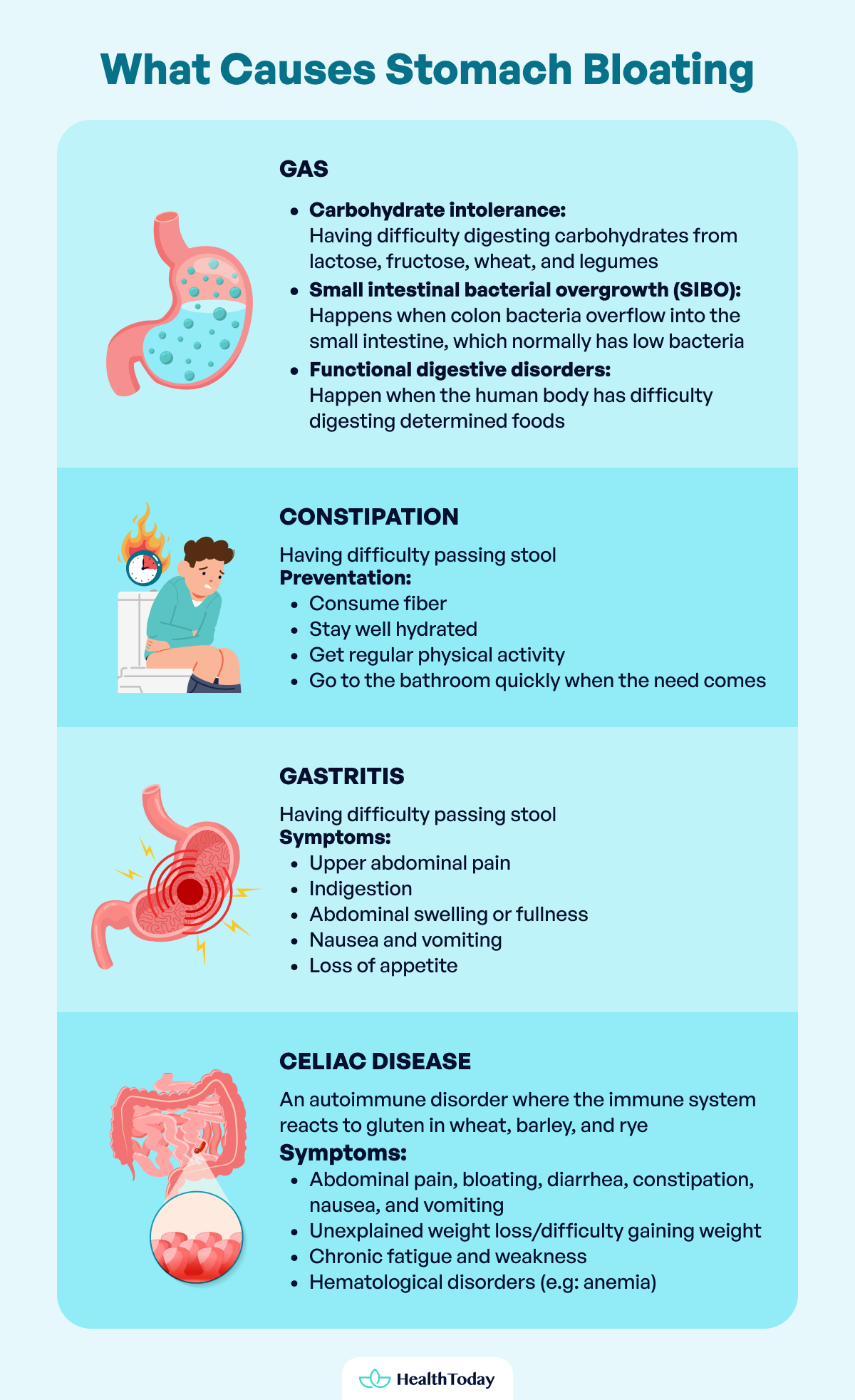
- Small Intestinal Bacterial Overgrowth (SIBO): This occurs when bacteria that normally grow in other parts of the gut start growing in the small intestine. This leads to excessive gas production, pain, and significant abdominal distension shortly after eating.
- Food Intolerances: Intolerances to lactose, gluten, or FODMAPs (fermentable oligosaccharides, disaccharides, monosaccharides, and polyols) can cause the gut to draw in water or produce excess gas, leading to a "bloated" appearance.
- Slow Gut Motility: If the digestive system moves too slowly (constipation), the buildup of waste and gas can physically distend the abdominal wall.
Medical Conditions That Cause Abdominal Enlargement
In some cases, a large stomach is a clinical symptom of an underlying medical condition that requires professional diagnosis and treatment.
| Condition | Primary Cause of Enlargement | Key Identifying Symptoms |
|---|---|---|
| Ascites | Buildup of fluid in the peritoneal cavity | Rapid weight gain, shortness of breath, often linked to liver cirrhosis. |
| PCOS | Hormonal imbalance and insulin resistance | Irregular periods, thinning hair, and "apple-shaped" weight gain. |
| Uterine Fibroids | Noncancerous growths in the uterus | Heavy menstrual bleeding, pelvic pressure, and a firm lower abdominal bulge. |
| Cushing's Syndrome | Severe overproduction of cortisol | Thin skin, purple stretch marks, and a fatty hump between the shoulders. |
| Heart Failure | Fluid retention (edema) | Swelling in the legs and abdomen, fatigue, and persistent coughing. |
Lifestyle Factors: Alcohol and Sleep
Two often-overlooked contributors to a large stomach are alcohol consumption and sleep hygiene.
Alcohol and the "Beer Belly": Alcohol impacts abdominal size through multiple mechanisms. First, it is high in empty calories. Second, when alcohol is consumed, the liver prioritizes breaking it down over burning fat. This pauses the metabolic process of fat oxidation. Furthermore, alcohol can lower inhibitions, leading to poor dietary choices, and has been shown to specifically increase visceral fat storage.
Sleep Deprivation: Lack of sleep disrupts the hormones leptin (which signals fullness) and ghrelin (which signals hunger). Inadequate rest leads to increased ghrelin and decreased leptin, driving overeating. Additionally, sleep deprivation is a physiological stressor that raises cortisol, further encouraging the body to hold onto abdominal fat.
Postural and Muscular Factors
Sometimes a large stomach is a matter of musculoskeletal alignment rather than fat or gas.
- Anterior Pelvic Tilt: This is a postural misalignment where the front of the pelvis drops and the back of the pelvis rises. This is common in individuals who sit for long periods. The result is an exaggerated arch in the lower back, which pushes the abdominal contents forward, making the stomach look larger than it actually is.
- Diastasis Recti: This is a separation of the rectus abdominis muscles, frequently occurring during and after pregnancy. When these muscles separate, they can no longer effectively hold the internal organs in place, resulting in a persistent "pooch" or bulge in the midline of the abdomen.
Recommendations for Addressing a Large Stomach
To effectively reduce the size of the stomach, a multi-faceted approach is required.
- Focus on Fiber and Protein: Increasing protein intake can boost metabolism and reduce hunger, while soluble fiber (found in oats, beans, and fruits) has been specifically linked to reductions in visceral fat.
- Incorporate Resistance Training: While "spot reduction" is a myth, increasing total lean muscle mass improves insulin sensitivity and raises the basal metabolic rate, making it easier to lose fat globally, including the abdomen.
- Manage Stress Levels: Since cortisol is a major driver of abdominal fat, practices such as meditation, deep breathing, and regular outdoor activity are clinical interventions for a "stress belly."
- Audit Your Digestion: If bloating is the primary concern, keeping a food diary to identify triggers or working with a gastroenterologist to test for SIBO or intolerances is the most effective path forward.
Medical Disclaimer: This information is for educational purposes only and does not constitute medical advice. If you experience sudden abdominal swelling, severe pain, or a hard mass in the abdomen, consult a healthcare professional immediately.
Frequently Asked Questions
Why is my stomach big but I’m not fat elsewhere?
This is often caused by high cortisol levels or insulin resistance, which signal the body to store fat specifically in the visceral region. It can also be a result of an anterior pelvic tilt, which pushes the abdomen forward, or chronic bloating due to digestive sensitivities.
Can drinking water help reduce a large stomach?
Yes, water can help in two ways. First, staying hydrated helps the kidneys flush out excess sodium, which reduces water retention and bloating. Second, drinking water before meals can increase satiety, helping to prevent the overconsumption of calories that leads to fat storage.
How can I tell if my large stomach is fat or bloat?
Fat is generally soft and can be pinched (subcutaneous) or firm and constant (visceral). Bloating usually feels tight and "stretched," and it typically changes throughout the day, often peaking in the evening and subsiding after sleep or a bowel movement.
Does sugar specifically cause belly fat?
Yes, diets high in added sugars, particularly fructose, are strongly linked to increased abdominal fat. The liver converts excess fructose directly into fat, which is often stored as visceral fat around the internal organs.
Is a large stomach dangerous?
A large stomach caused by visceral fat is associated with a higher risk of type 2 diabetes, heart disease, and certain cancers. If the enlargement is due to fluid (ascites), it may indicate serious liver or heart issues and requires immediate medical evaluation.
Image Gallery