Understanding P Diddy Beef with 50 Cent
The public feud between Sean "Diddy" Combs and Curtis "50 Cent" Jackson is one of hip-hop's most enduring, asymmetric, and culturally significant rivalries. Spanning over two decades, their conflict has evolved from subtle industry com...
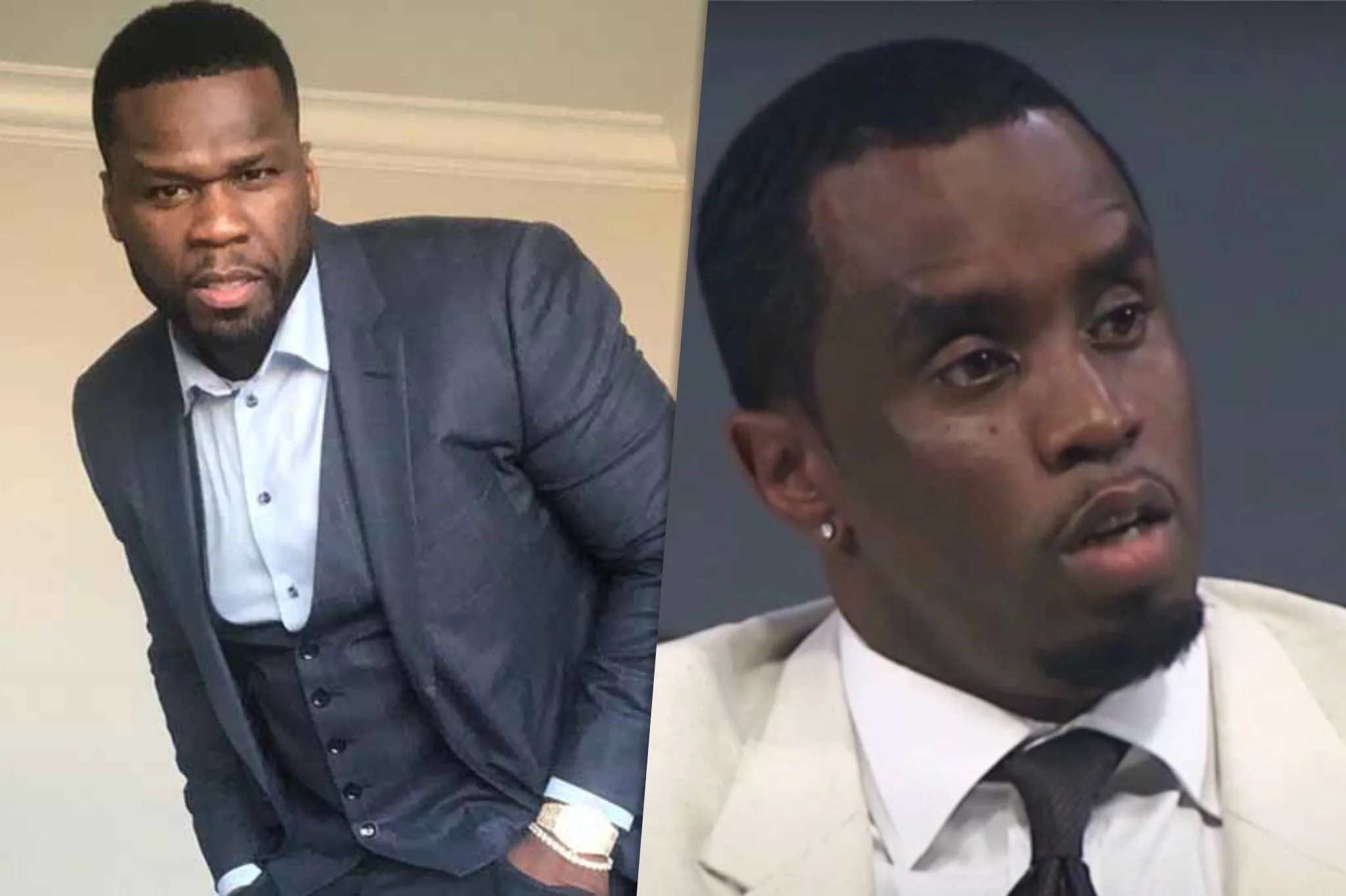
The public feud between Sean "Diddy" Combs and Curtis "50 Cent" Jackson is one of hip-hop's most enduring, asymmetric, and culturally significant rivalries. Spanning over two decades, their conflict has evolved from subtle industry competition and lifestyle contrasting into a relentless digital and public relations battle characterized by 50 Cent’s persistent trolling, business competition, and, more recently, severe legal scrutiny surrounding Combs. To understand this modern hip-hop rivalry, one must examine its origins in corporate music dominance, divergent personal brands, contrasting approaches to wealth accumulation, and the profound shifts in media strategy that transformed industry posturing into open, high-stakes warfare.
Contents
The Foundations of the Rivalry: Corporate Hip-Hop and New York Roots
To trace the roots of the tension between Sean Combs and 50 Cent, one must look back to the late 1990s and early 2000s in New York City's rap scene. At the time, Combs was establishing himself as a formidable mogul through Bad Boy Records, blending commercial pop sensibilities with gritty street narratives to create a luxury-rap aesthetic. His operational style emphasized immaculate styling, opulent music videos, and corporate boardrooms, positioning himself as the quintessential rap capitalist.
Conversely, 50 Cent emerged from South Jamaica, Queens, carrying the raw, unfiltered ethos of underground mixtape culture. When 50 Cent signed with Eminem and Dr. Dre's Shafter/Aftermath/Interscope system in the early 2000s, he entered an industry where Combs's influence was ubiquitous. 50 Cent’s early brand identity directly challenged the polished, tailored luxury championed by Combs. While Combs leaned into upscale urban fashion and champagne lifestyles, 50 Cent cultivated an aggressive, pragmatic street-hustler persona that viewed traditional industry gatekeepers with deep skepticism.
This ideological divide set the stage for underlying friction. Although the two men frequently crossed paths at industry events, award shows, and high-profile parties, their foundational philosophies on business, loyalty, and hip-hop culture were fundamentally misaligned. As both figures expanded their empires outside of music—venturing into vodka brands, clothing lines, and television production—their competitive spheres began to overlap significantly, converting passive industry coldness into active public tension.
Divergent Business Strategies: Sean Combs versus 50 Cent
A major driver of the ongoing friction between the two moguls is the stark contrast in their business models and public relations execution. Both men achieved generational wealth by leveraging their hip-hop credibility into broader consumer product ecosystems, yet their methods could not have been more different.
Sean Combs built his empire largely through strategic high-end partnerships and lifestyle marketing. His most notable venture, a multi-year partnership with Cîroc vodka under Diageo, epitomized his approach of associating luxury branding with high-net-worth status symbols. Combs positioned himself as a visionary curator of the elite lifestyle, relying heavily on glossy public appearances, star-studded gatherings, and high-fashion aesthetics.
50 Cent, on the other hand, adopted a direct, guerrilla-marketing approach combined with savvy equity plays. His partnership with Effen Vodka was explicitly designed to undercut and challenge competing premium spirits, utilizing aggressive social media callouts against rivals—including Combs. Furthermore, 50 Cent diversified heavily into television production, creating the multi-series Power universe on Starz. This transition proved that 50 Cent possessed a keen eye for contemporary media consumption and pop-culture appetite, providing him with a lucrative platform that operated independently of traditional music industry networks.
| Business Metric / Area | Sean Combs (Bad Boy / Enterprise) | 50 Cent (G-Unit / G-Unit Films) |
|---|---|---|
| Primary Brand Association | Elite luxury, high fashion, exclusive lifestyle | Street-smart resilience, disruptive media, dark humor |
| Spirits Ventures | Cîroc Vodka, DeLeón Tequila | Effen Vodka, Branson Cognac |
| Media & Television | Revolt TV (former stakeholder) | Power franchise, BMF, various documentary projects |
| Public Relations Approach | Curated glamour, corporate visibility, philanthropic drives | Relentless social media trolling, meme creation, direct callouts |
The contrast in these ventures created natural friction. When 50 Cent entered the premium spirits market, he routinely targeted Combs's brand supremacy with direct marketing jabs. This corporate rivalry underscored a deeper competition for cultural dominance and financial supremacy within the upper echelons of the entertainment industry.
The Evolution of Digital Trolling and Media Warfare
As social media platforms evolved through the 2010s and 2020s, 50 Cent weaponized digital channels to maintain a near-constant campaign of public ridicule against Combs. Unlike traditional rap feuds fought through diss tracks in recording studios, this conflict played out primarily on Instagram, Twitter (now X), and public interviews.
50 Cent recognized early on that digital attention translates directly to cultural leverage. He began utilizing memes, satirical commentary, and re-shared archival footage to poke fun at Combs's flamboyant persona, fashion choices, and business dealings. For instance, whenever Combs posted motivational videos or promotional clips for his lifestyle ventures, 50 Cent would frequently repost them with sharp, mocking captions designed to subvert the intended aspirational tone.
This digital warfare was rarely met with direct, proportional retaliation from Combs. Throughout most of the 2010s, Combs maintained a strategy of dignified silence or diplomatic dismissal, rarely acknowledging the provocation directly. This asymmetry became a defining characteristic of the feud: 50 Cent acting as the relentless, vocal provocateur, and Combs acting as the aloof, corporate executive attempting to rise above the fray. However, this dynamic shifted drastically as legal challenges began to mount against Combs in the mid-2020s.
Legal Developments and Cultural Reckoning
In late 2023 and continuing through 2024 and 2025, Sean Combs faced a series of severe civil lawsuits and a federal criminal indictment involving allegations of racketeering, sex trafficking, and transportation to engage in prostitution. These legal developments fundamentally altered the nature of public discourse surrounding Combs, bringing his past actions, industry power dynamics, and personal conduct under intense global scrutiny.
For 50 Cent, these legal developments provided an unprecedented platform to escalate his long-standing criticism. Rather than relying solely on lighthearted memes or promotional digs, 50 Cent utilized the unfolding news cycle to validate his historical assertions regarding Combs's character and business practices. Furthermore, 50 Cent announced documentary projects aimed at examining the allegations against Combs, signaling a transition from digital trolling to structured, long-form media critique.
This phase of the rivalry transcends typical celebrity drama. It reflects a broader cultural reckoning within the entertainment industry regarding power imbalances, accountability, and the consequences of unchecked executive authority. While 50 Cent frames his commentary as vindication of long-held suspicions, legal analysts and industry observers view the situation as a historic downfall that has permanently reshaped the legacy of one of hip-hop's most influential figures.
Frequently Asked Questions
Why did 50 Cent start beefing with P Diddy?
The tension originated from conflicting personalities, contrasting business models in the New York hip-hop scene, and competition within the luxury spirits and entertainment markets. Over time, 50 Cent's personal distaste for Combs's public persona evolved into a sustained campaign of digital trolling and public critique.
Did P Diddy ever respond to 50 Cent's trolling?
Combs historically avoided direct retaliation, choosing instead to maintain a strategy of silence or high-profile indifference. When addressing the banter in rare interviews, Combs typically downplayed the tension, framing it as a byproduct of the competitive entertainment landscape rather than a genuine personal feud.
How did social media impact their rivalry?
Platforms like Instagram and Twitter allowed 50 Cent to bypass traditional media gatekeepers and wage a continuous campaign of public ridicule. By using memes, archival footage, and satirical commentary, 50 Cent transformed a niche industry rivalry into viral global entertainment.
Are 50 Cent and P Diddy involved in active business competition?
While Combs has faced severe setbacks regarding his business interests and legal standing, both moguls historically competed in overlapping consumer spaces, most notably the ultra-premium spirits market with competing vodka and cognac brands.
What is the current status of their relationship?
There is no active reconciliation between the two. With Combs facing serious federal legal challenges and civil litigation, 50 Cent continues to position himself as a vocal critic, utilizing the ongoing legal proceedings to amplify his long-standing narrative against Combs.
Practical Next Actions and Industry Takeaways
For observers of the entertainment industry and popular culture, the trajectory of the Combs-Jackson dynamic offers clear lessons regarding brand management, digital resilience, and the limits of image curation.
- Monitor Brand Authenticity: Consumers and industry partners increasingly value transparency over manufactured luxury, making long-term reputational sustainability dependent on genuine ethical practices.
- Understand Media Leverage: In the modern digital landscape, persistent narrative control can erode even the most heavily funded corporate public relations campaigns.
- Observe Industry Shifts: The legal and cultural fallout surrounding legacy executives signals a permanent shift toward stricter accountability and corporate governance within the music and entertainment sectors.
Image Gallery