How Tall Was Richard Widmark? A Detailed Look at the Hollywood Legend’s Stature and Career
Richard Widmark stood 5 feet 10 inches (178 cm) tall during the height of his Hollywood career. While not a towering figure compared to some of his contemporaries, his lean 160-pound frame, sharp features, and intense acting style gave...
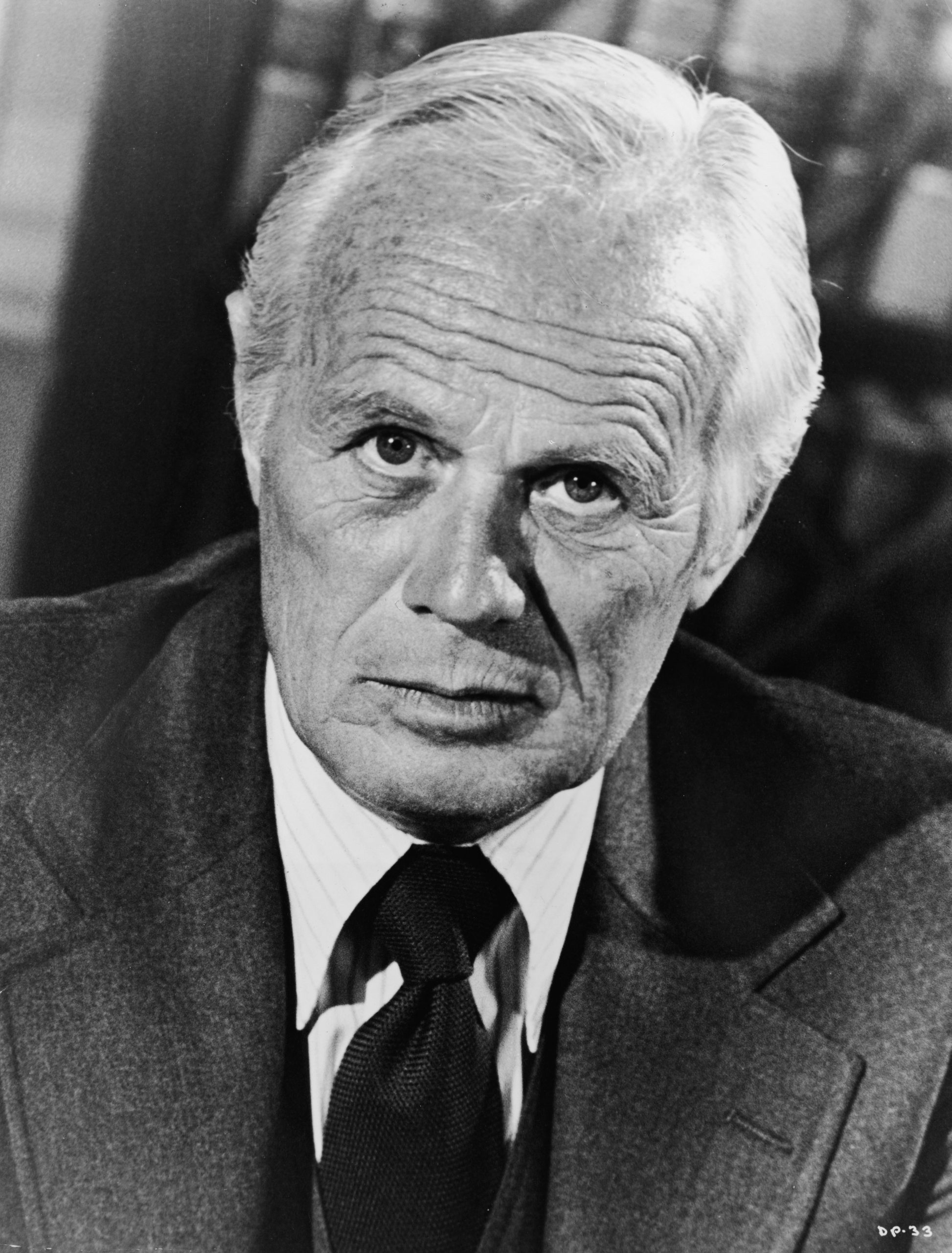
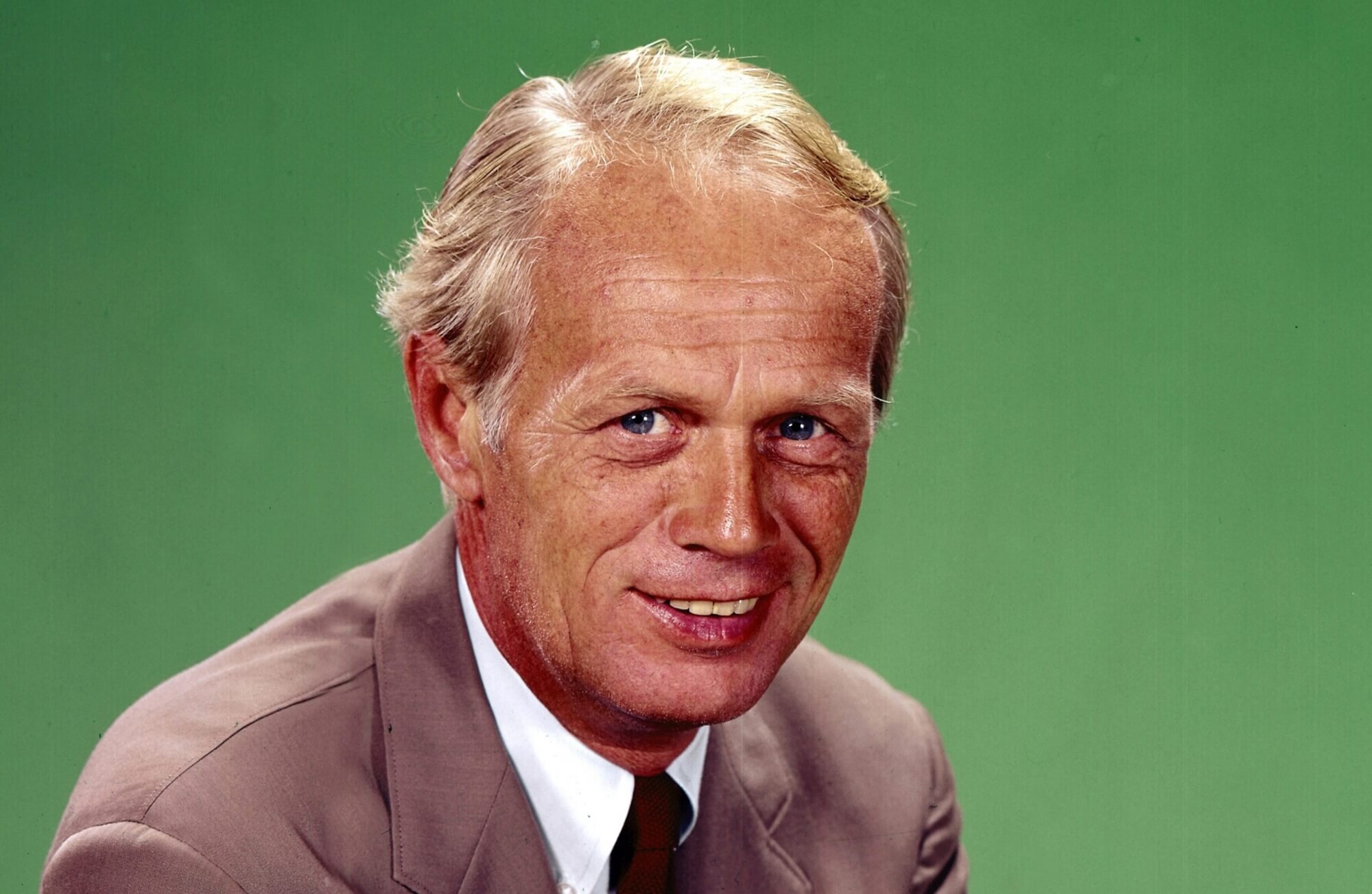
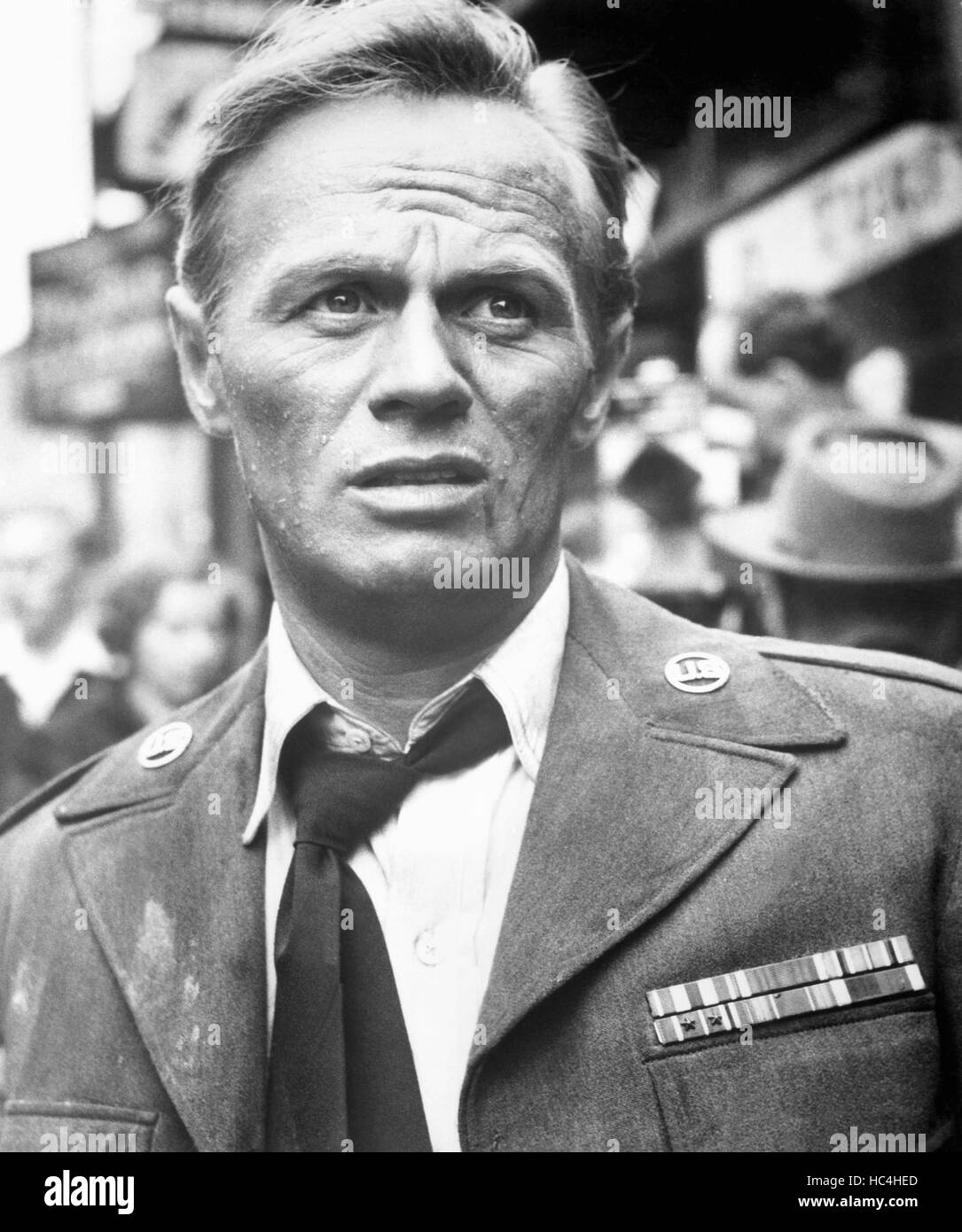
Richard Widmark stood 5 feet 10 inches (178 cm) tall during the height of his Hollywood career. While not a towering figure compared to some of his contemporaries, his lean 160-pound frame, sharp features, and intense acting style gave him a commanding screen presence that often made him appear more imposing than his physical measurements suggested.
Contents
In the golden age of Hollywood, physical stature often dictated the types of roles an actor could inhabit. For Richard Widmark, his height of 5'10" placed him in a versatile "sweet spot." He was tall enough to play the rugged leading man in Westerns and war films, yet wiry and compact enough to portray the volatile, nervous energy required for the noir villains that launched his career. As of 2026, cinema historians and fans of classic film continue to study Widmark not just for his height, but for how he used his physical presence to redefine the "tough guy" archetype in American cinema.
The Physical Profile of Richard Widmark
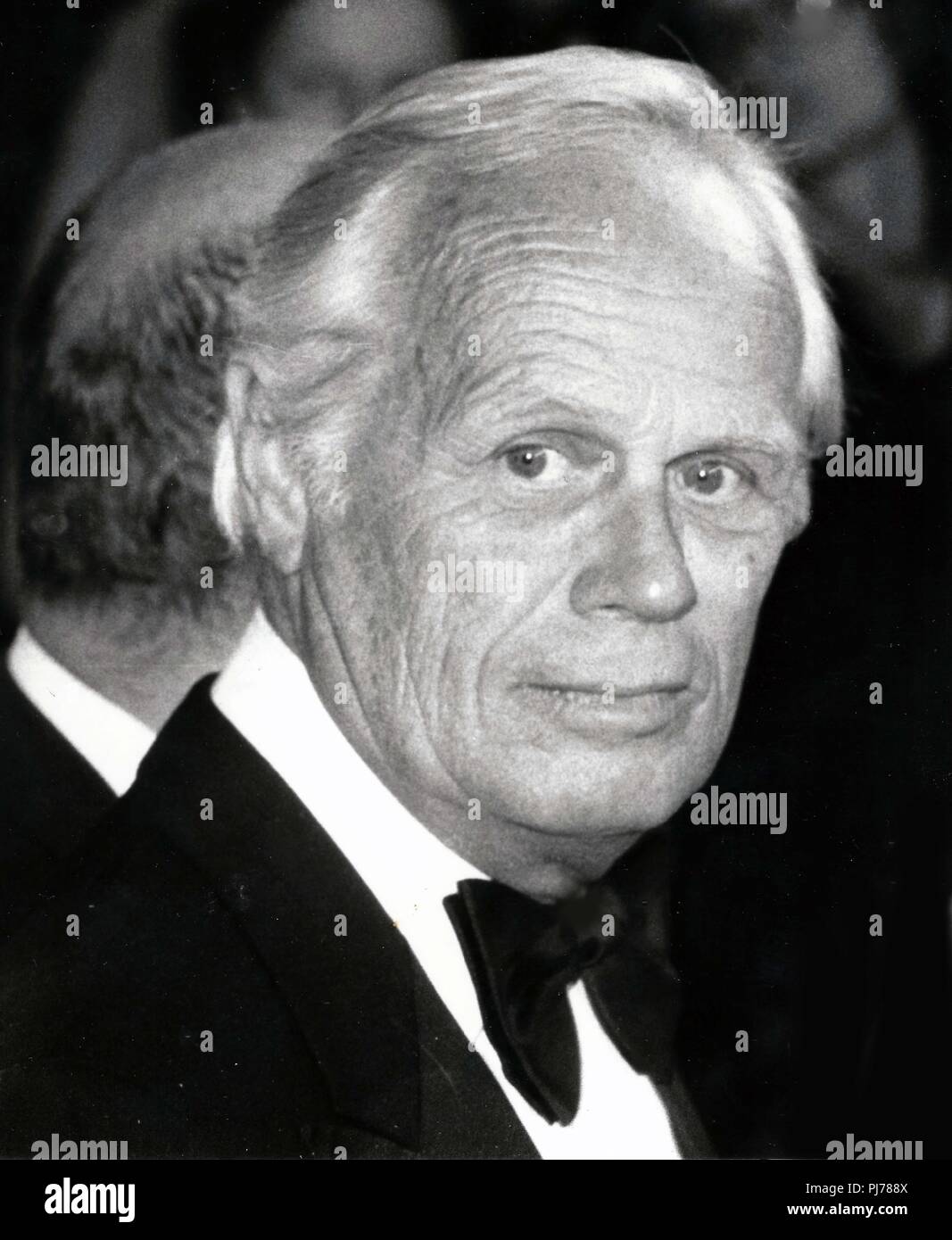
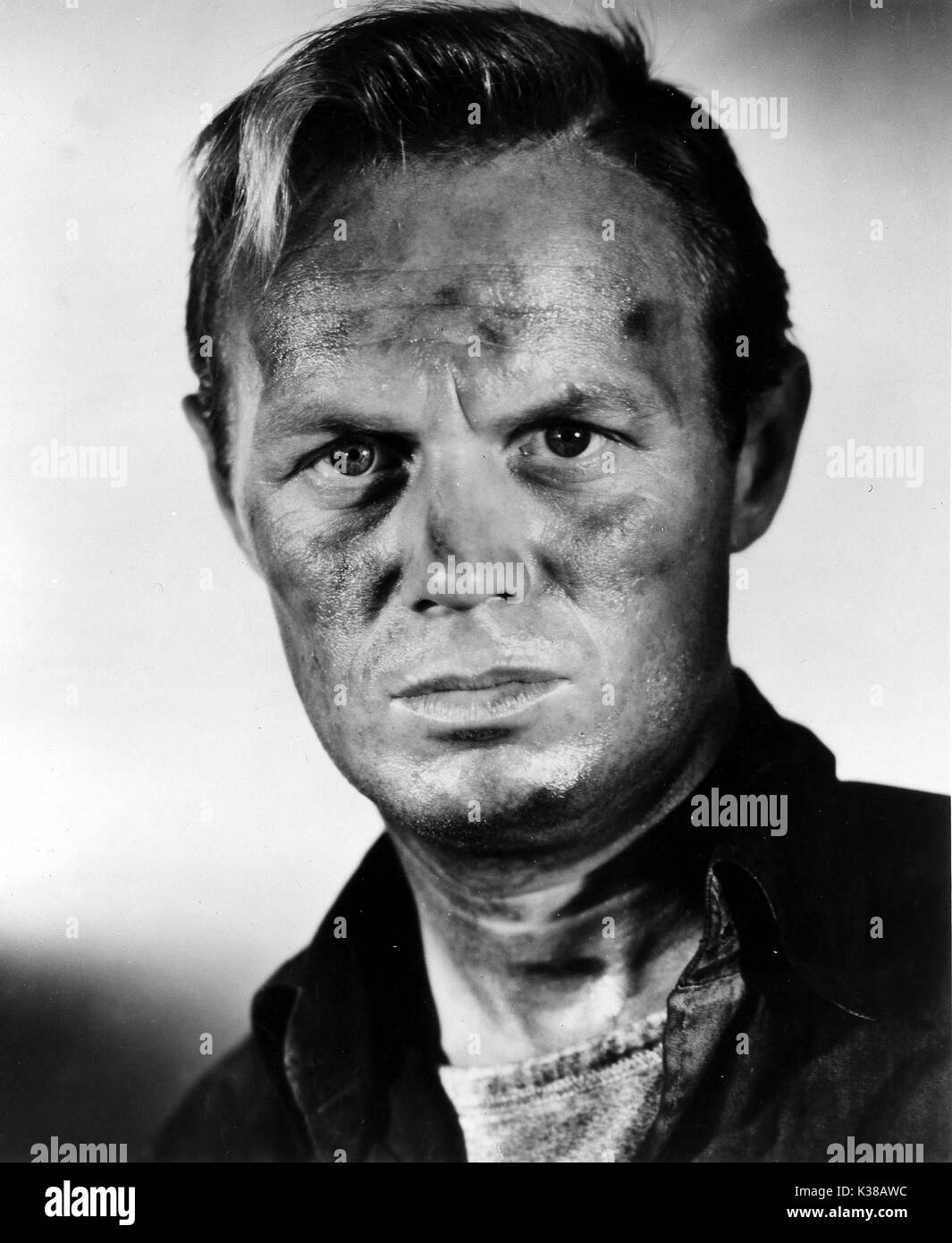
Richard Widmark’s height was frequently a topic of discussion among fans because he often shared the screen with some of the industry’s true giants. Despite being a "standard" height for a male in the mid-20th century, Widmark’s slender build and blond hair contrasted sharply with the dark-haired, broader-shouldered archetypes popularized by stars like Clark Gable or Cary Grant.
Widmark’s physique was characterized by a certain "coiled-spring" tension. This was particularly evident in his debut role as Tommy Udo in Kiss of Death (1947). In this film, his 5'10" frame seemed to take up more space because of his erratic movements and the iconic, chilling laugh that became his trademark. Cinematographers of the era often used low-angle shots to enhance his height, especially when he was playing menacing characters. This technique, common in film noir, allowed Widmark to dominate the frame even when facing off against actors who were technically taller.
Comparative Heights in Golden Age Hollywood
To understand Widmark’s stature, it is helpful to compare him to his peers. Hollywood in the 1940s and 50s had a wide range of leading man heights, and Widmark fell squarely in the middle:
- Alan Ladd: 5'6" (168 cm)
- Humphrey Bogart: 5'8" (173 cm)
- Richard Widmark: 5'10" (178 cm)
- Robert Taylor: 5'11" (180 cm)
- Gregory Peck: 6'3" (191 cm)
- John Wayne: 6'4" (193 cm)
When Widmark starred alongside James Stewart (6'3") in Two Rode Together (1961) or John Wayne in The Alamo (1960), the height difference was noticeable. However, Widmark’s performance as Jim Bowie in The Alamo demonstrated that physical height was secondary to "gravitas." He played the legendary frontiersman with a ferocity that matched Wayne’s larger-than-life Davy Crockett, proving that he could hold his own against the most physically imposing stars of the era.
The Tommy Udo Effect: Stature and Villainy
Widmark’s height played a subtle but crucial role in his breakout performance in Kiss of Death. As the psychopathic Tommy Udo, Widmark wasn't a "brute" in the traditional sense. A 6'4" villain provides a certain type of physical threat, but a 5'10", slender man who giggles while committing acts of violence provides a different, more psychological kind of terror.
The famous scene where Udo pushes a woman in a wheelchair down a flight of stairs remains one of the most shocking moments in film history. Widmark’s wiry frame allowed him to appear agile and unpredictable—traits that made the character feel like a predator. This role earned him his only Academy Award nomination (Best Supporting Actor) and a Golden Globe for Most Promising Newcomer. It also pigeonholed him into "crazy" roles for several years, a mold he fought hard to break.
Transitioning to the Leading Man
By the early 1950s, Widmark moved away from psychopathic supporting roles to become a bankable leading man. This transition required a shift in how his height and body language were presented on screen. In films like Panic in the Streets (1950), directed by Elia Kazan, Widmark played a public health doctor. Here, his 5'10" height helped him appear more relatable and "everyman," a sharp contrast to the untouchable gods of the silver screen.
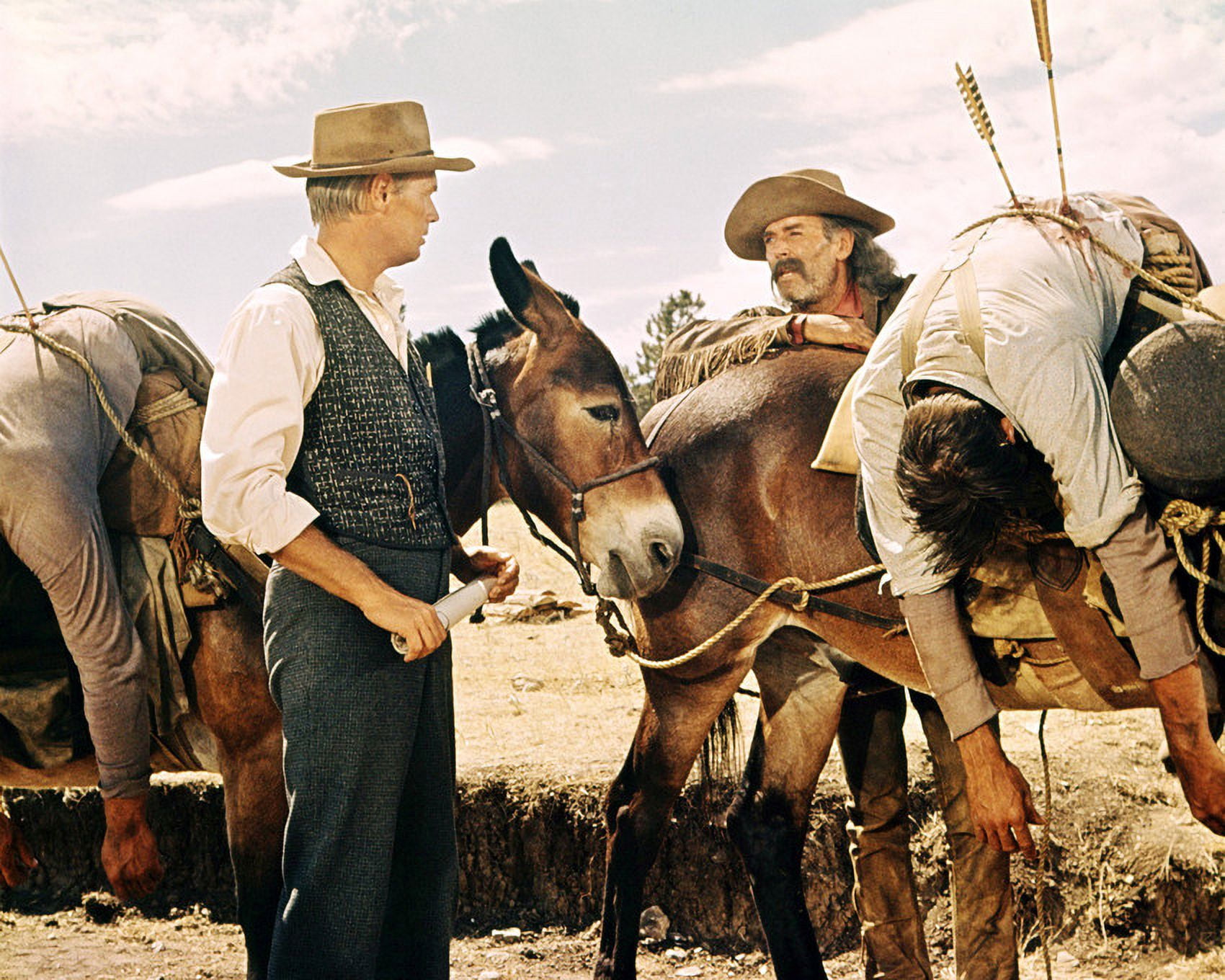
In Westerns such as Yellow Sky (1948) and Broken Lance (1954), Widmark adapted his physical presence to fit the genre. Westerns typically favor tall, broad-shouldered men, but Widmark’s athleticism and expert horsemanship compensated for any perceived lack of height. He projected a "toughness" that wasn't about raw size, but about endurance and mental fortitude. This was a hallmark of his career: he was the "thinking man’s" tough guy.
Technical Specifications: Richard Widmark’s Stats
| Metric | Detail |
|---|---|
| Height | 5 feet 10 inches (178 cm) |
| Weight (Prime) | Approximately 155–165 lbs (70–75 kg) |
| Eye Color | Blue |
| Hair Color | Blond |
| Active Years | 1943–1992 |
| Most Famous Role | Tommy Udo in Kiss of Death (1947) |
| Total Feature Films | Over 70 |
Widmark’s Later Career and Stature in Television
As Widmark aged, he successfully transitioned into television and character roles in major ensemble casts. One of his most enduring characters from this period was Detective Sergeant Dan Madigan in the 1968 film Madigan, which later became a television series. In the late 1960s, the "gritty cop" archetype was evolving. Widmark’s 5'10" frame, now leaner and more weathered, perfectly suited the role of a cynical, street-smart detective.
In his later years, such as in his performance in Judgment at Nuremberg (1961), Widmark used his stature to portray authority. Playing Colonel Tad Lawson, the prosecutor, he relied on his sharp vocal delivery and intense eye contact. Even when seated at a desk, Widmark commanded the courtroom, proving once again that his presence was a result of his acting technique rather than just his physical measurements.
The Longevity of a Legend
Richard Widmark’s career spanned over five decades, an achievement few actors of his generation matched. He was known for being intensely private and avoided the typical Hollywood lifestyle. This discipline reflected in his physical health; he remained fit and active well into his 80s. He passed away in 2008 at the age of 93.
Even in 2026, Widmark remains a primary example for students of acting on how to use "physicality" rather than "size." His ability to adapt his 5'10" frame to suit a wide variety of genres—from the shadows of noir to the open ranges of the Western—is a testament to his versatility. He didn't need to be the tallest man in the room to be the most memorable.
Frequently Asked Questions
Did Richard Widmark wear lifts in his shoes?
There is no credible evidence or historical record suggesting that Richard Widmark wore lifts. Unlike some actors of his era who were self-conscious about their height, Widmark’s 5'10" stature was considered perfectly adequate for a leading man. He often worked with directors who valued his natural movements and intense energy over artificial height.
How did Widmark's height compare to John Wayne in The Alamo?
John Wayne was significantly taller than Richard Widmark, standing at 6'4" compared to Widmark’s 5'10". During their scenes together in The Alamo, the six-inch height difference is visible. However, Widmark’s portrayal of the fierce Jim Bowie was so intense that the physical difference rarely detracted from the character's authority.
Was Richard Widmark considered "short" for a Hollywood actor?
No, 5'10" was not considered short. During the 1940s and 50s, the average height for an American male was approximately 5'8". Widmark was actually slightly taller than the average man of his time. He was shorter than some "giants" like Gregory Peck, but he was taller than other legends like Humphrey Bogart or James Cagney.
Did his height affect the roles he was offered?
Indirectly, yes. His slender, average-height build made him perfect for "nervous" or "unpredictable" characters early in his career. Casting directors saw him as someone who could be a threat through intelligence or volatility rather than just physical bulk. As his career progressed, this same "average" height allowed him to play a wide range of professional roles, from doctors to military officers.
How tall was Richard Widmark in his final years?
Most people lose a small amount of height as they age due to spinal compression. While his official height remained 5'10" in industry records, like most men in their 90s, he may have been slightly shorter toward the end of his life. Nevertheless, his lean physique and upright posture preserved his "tall" appearance until his passing in 2008.
Final Recommendation for Fans and Researchers
If you are interested in exploring how Richard Widmark used his physical presence to dominate the screen, the best starting point is a "Triple Feature" of his most physically diverse roles: Kiss of Death (1947) for his lithe villainy, Panic in the Streets (1950) for his relatable leading-man stature, and The Alamo (1960) to see him hold his own against Hollywood's tallest icons. Observing his movement, posture, and use of space in these films provides a much deeper understanding of his talent than height measurements alone.
For further reading on Widmark’s life and the history of the films mentioned, you can visit the following authoritative resources:
Image Gallery