Survival and Societal Dynamics of Human Survivors in the Planet of the Apes Franchise
The status of human survivors in the Planet of the Apes franchise is defined by their rapid regression from dominant masters of Earth to a hunted, primitive, or enslaved species. Across the various cinematic timelines, human survivors...
The status of human survivors in the Planet of the Apes franchise is defined by their rapid regression from dominant masters of Earth to a hunted, primitive, or enslaved species. Across the various cinematic timelines, human survivors are characterized by their loss of speech, the erosion of technological mastery, and their struggle to coexist with or evade a burgeoning ape society that views them as either an ecological threat or a sub-intelligent beast.
Contents
The Biological and Cultural Regression of Humans
In the original 1968 film and its subsequent sequels, the human survivors encountered by George Taylor—and later by Brent and Milo—have largely lost the ability to speak. This is not merely a physical regression but a cultural one. In the Planet of the Apes lore, the extinction of humanity's intellectual capacity is attributed to the ALZ-113 virus and the subsequent "Simian Flu" pandemic.
As the virus spread globally, it decimated the human population. The few survivors who were immune were left in a world where their social structures had collapsed. Without the infrastructure to maintain education or complex societal systems, successive generations reverted to a hunter-gatherer state. The apes, meanwhile, experienced an evolutionary leap, developing complex language, law, and morality. By the time the humans were "discovered" by the apes, they were effectively classified as a biological curiosity or a dangerous pest, devoid of the complex neurobiology required for speech and abstract reasoning.
Divergent Timelines and Survival Paradigms
The franchise utilizes multiple distinct timelines, each presenting a different status for human survivors. Understanding these variations is essential for navigating the complex internal history of the saga.
The Original Series (1968–1973)
In this timeline, humans were largely reduced to a mute, primitive state. The few "intelligent" humans remaining lived in extreme secrecy, such as the survivors in the underground ruins of New York City in Beneath the Planet of the Apes. These survivors, mutated by nuclear fallout, possessed telepathic abilities but were ultimately unable to prevent the destruction of the planet.
The Reboot Series (2011–2024)
The modern films, beginning with Rise of the Planet of the Apes, offer a more nuanced view of the decline of humanity. Here, the struggle is immediate. The Simian Flu acts as a catalyst for a global collapse. The survivors are not initially primitive; they are desperate soldiers, scientists, and civilians attempting to restore power grids and communication networks. However, the narrative trajectory shows the persistent erosion of human authority as the ape civilization led by Caesar establishes an isolationist, then expansionist, society.
Comparison of Human Survivability Across Generations
| Era | Human Status | Linguistic Ability | Threat Level to Apes |
|---|---|---|---|
| Early Pandemic | Organized / Militant | High (Fluent) | High (Nuclear/Conventional) |
| Mid-Collapse | Scavenger / Nomadic | Declining | Moderate (Resource competition) |
| Post-Regression | Primitive / Feral | Minimal / None | Negligible (Beast status) |
The Role of Technology and Knowledge Loss
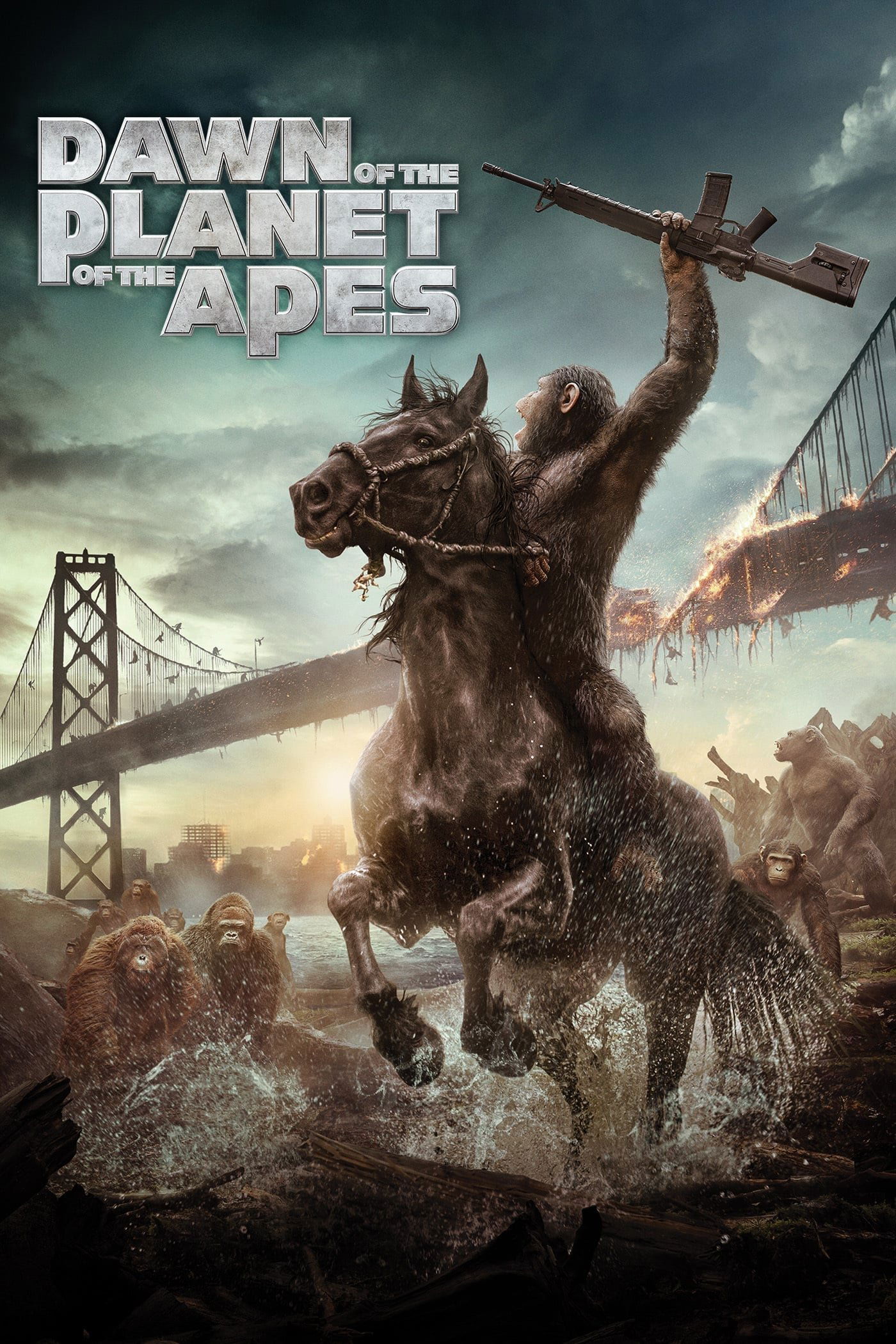
The most significant factor in the plight of human survivors is the loss of "technical inheritance." In the reboot series, we see a focus on the necessity of electricity and complex machinery for human survival. When human survivors in Dawn of the Planet of the Apes attempt to repair a hydroelectric dam, it represents the final, concerted effort of a technological civilization to sustain itself.
Once this technical knowledge passes out of memory, the gap between the surviving humans and the evolving apes becomes unbridgeable. The apes, having inherited the ruins of human cities, often use them as structures for their own society. Humans, lacking the communal memory to operate these tools, find themselves excluded from the very civilization they created. This technological lockout effectively traps the surviving humans in a state of nature, while the apes ascend into a technological bronze or iron age.
Social and Moral Integration
A major thematic element in the franchise is the "anomaly" human—the survivor who retains intelligence or speech. In several iterations, these individuals are treated with intense suspicion. If a human shows signs of higher intelligence, it challenges the fundamental doctrine of the ape society, which asserts that humans are inherently inferior and potentially dangerous.
This societal friction is a recurring plot point. When a human exhibits memory of the "time of man," they are often viewed as a threat to the political stability of the ape council. The survival of humans, therefore, depends not only on their biological immunity to the virus but on their ability to navigate the political hierarchy of the apes.
Common Misconceptions Regarding Human Survivors
- Humans were entirely extinct: While the human population is reduced to near-extinction, small pockets of isolated survivors remain, though they rarely constitute a cohesive political or military power.
- Regression is purely genetic: The regression of human survivors is a combination of neurological damage from the virus and the loss of linguistic and educational environments.
- The Apes hate all humans: The animosity varies by tribe and era. In some narratives, apes attempt to keep humans in sanctuaries, while in others, they practice aggressive culling to prevent the resurgence of human dominance.
Practical Implications for Understanding the Canon
If you are analyzing the state of humanity in the franchise, you must distinguish between the "pre-collapse" remnants and the "post-collapse" ferals. The pre-collapse survivors are characterized by their technology, fear, and aggressive defense of territory. The post-collapse humans, such as those found in the original 1968 timeline, are characterized by their lack of agency, role as agricultural labor, or status as exotic specimens in ape zoos.
When researching specific survivor groups, pay close attention to the dates provided in the internal chronology of the films. The level of degradation in a human character directly correlates to the number of generations since the initial onset of the Simian Flu.
Frequently Asked Questions
Why did humans lose the ability to speak in the later films? The loss of speech in the Planet of the Apes is largely attributed to the brain damage caused by the ALZ-113 virus, which targeted humans and accelerated the evolution of apes, creating a biological imbalance that favored ape neurobiology over human cognitive structures.
Are there any humans who retained their intelligence in the original 1968 film? Yes, the telepathic mutants residing in the remains of New York City retained sophisticated intellect and linguistic ability, though they were physically deformed by radiation and distinct from the feral humans roaming the surface.
Did the human survivors ever attempt to rebuild a government? In the reboot trilogy, survivors in San Francisco made concerted efforts to re-establish a municipal government and power infrastructure, but these efforts were ultimately dismantled by both internal conflict and direct warfare with the ape armies.
Why don't the apes use human knowledge to advance faster? Apes generally view human knowledge as taboo or dangerous, associating it with the destruction of the world. In many versions of the lore, the intellectual traditions of humanity are strictly suppressed by ape leaders to prevent humans from regaining the power to challenge ape sovereignty.
What is the most significant threat to human survivors? The primary threat is not merely physical danger from predators, but the loss of societal structures required to maintain complex knowledge, leading to a permanent, generational decline in intellectual capacity.
Recommendations for Further Study
To deepen your understanding of the survivor experience, prioritize watching the films in order of their release rather than chronological narrative order. This approach allows you to see how the concept of human survival evolved from a satirical critique of the 1960s to a darker, more grounded post-apocalyptic narrative in the modern era. Focus your attention on the transition periods within the films where human and ape populations first encounter each other; these scenes provide the most insight into the power dynamics and the ultimate fate of humanity in the franchise.
Image Gallery