Snake Bite Deaths in Tennessee: Statistics, Risk Factors, and Safety Guide
Snake bite deaths in Tennessee are exceptionally rare, with the state typically recording zero to one fatality per year. While venomous snakes like copperheads and timber rattlesnakes are native to the region, modern antivenom and rapi...
Snake bite deaths in Tennessee are exceptionally rare, with the state typically recording zero to one fatality per year. While venomous snakes like copperheads and timber rattlesnakes are native to the region, modern antivenom and rapid emergency medical response ensure that over 99% of bite victims recover fully without life-threatening complications.
Contents
The fear of snakes is a deeply ingrained cultural phenomenon in the Southeastern United States, yet the statistical reality in 2026 remains reassuring. Tennessee is home to a diverse array of wildlife, including four specific species of venomous snakes. Despite thousands of encounters between humans and reptiles annually, the transition from a bite to a fatality is an anomaly usually reserved for cases involving underlying health conditions, delayed medical treatment, or rare allergic reactions. Understanding the species involved, the nature of their venom, and the protocol for treatment is essential for residents and hikers navigating the Volunteer State’s outdoors.
The Statistical Reality of Snake Bites in Tennessee
When analyzing snake bite deaths in Tennessee, it is important to distinguish between "envenomations" (bites where venom is injected) and "fatalities." According to data from the Tennessee Wildlife Resources Agency (TWRA) and regional poison control centers, the vast majority of venomous bites in the state are attributed to the Northern Copperhead. Fortunately, the copperhead possesses the least potent venom of the state's venomous species, and deaths from its bite are almost unheard of in healthy adults.
Historically, the United States sees roughly 7,000 to 8,000 venomous snake bites per year, resulting in an average of five to six deaths nationwide. Tennessee contributes a significant number of bites to this total due to its climate and outdoor culture, but its death toll rarely fluctuates. In most years, the count of snake bite deaths in Tennessee is zero. When a fatality does occur, it often makes regional headlines precisely because it is such an infrequent event.
Factors that have historically contributed to the few recorded deaths include:
- Religious Serpent Handling: Historically, Tennessee has had isolated incidents of fatalities within small religious sects that practice serpent handling. These cases often result in death because the victims refuse medical intervention.
- Severe Allergic Reactions: Much like a bee sting, some individuals may experience anaphylaxis upon being bitten, which can lead to death far faster than the venom itself would.
- Compromised Health: The elderly or those with significant cardiovascular issues are at a higher risk of systemic shock following an envenomation.
The Four Venomous Snakes of Tennessee
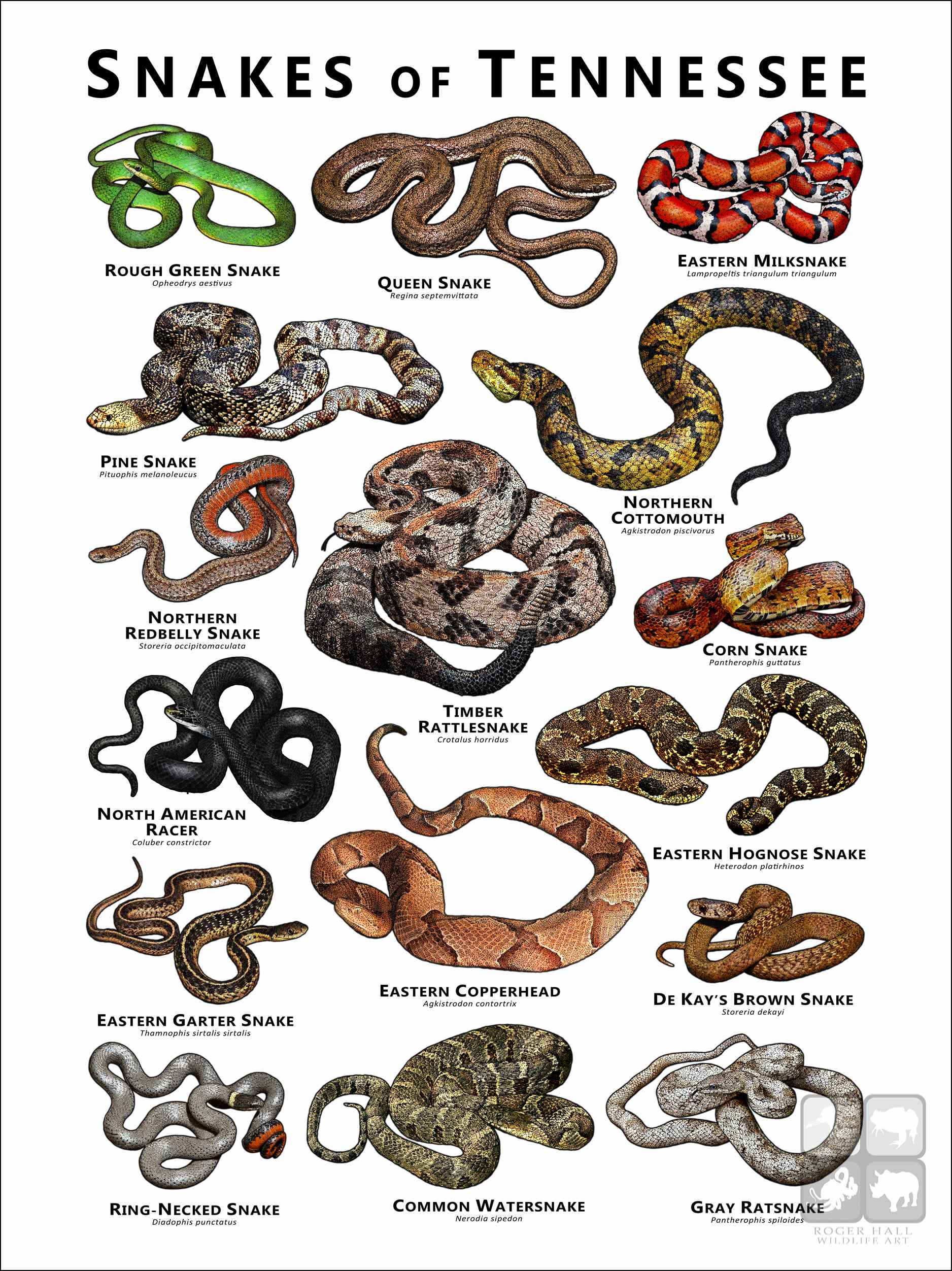
To understand the risk of death, one must identify the "Big Four" venomous snakes found within Tennessee’s borders. Each has different habitats, behaviors, and venom potencies.
1. Northern Copperhead (Agkistrodon contortrix)
The copperhead is the most common venomous snake in Tennessee and is found in every county. They are masters of camouflage, often hiding in leaf litter or woodpiles. Because they are frequently found in suburban areas, they are responsible for the highest volume of bites. However, their venom is hemotoxic (breaking down tissue) but relatively weak compared to rattlesnakes. Deaths from copperheads are virtually non-existent when medical care is sought.
2. Timber Rattlesnake (Crotalus horridus)
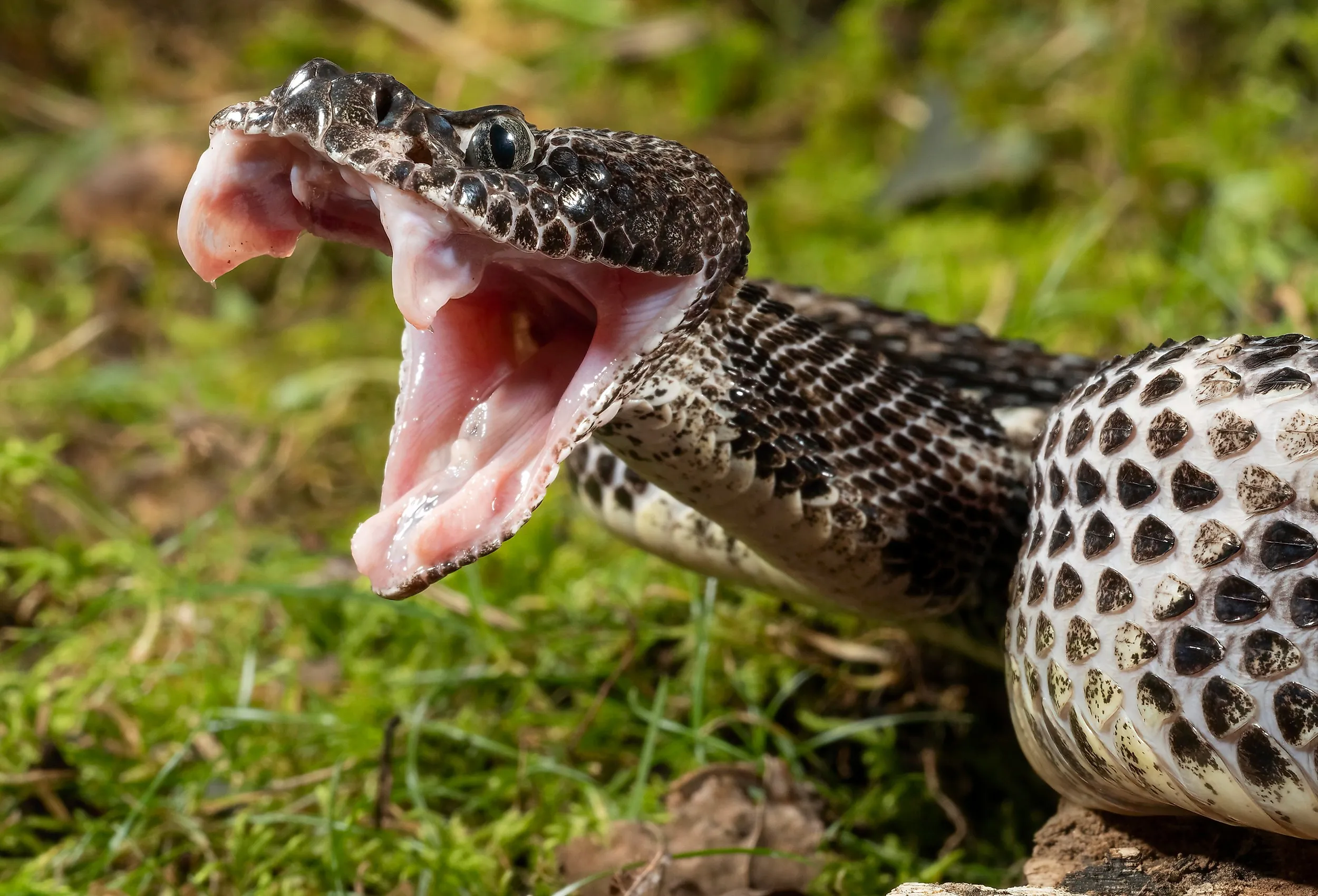
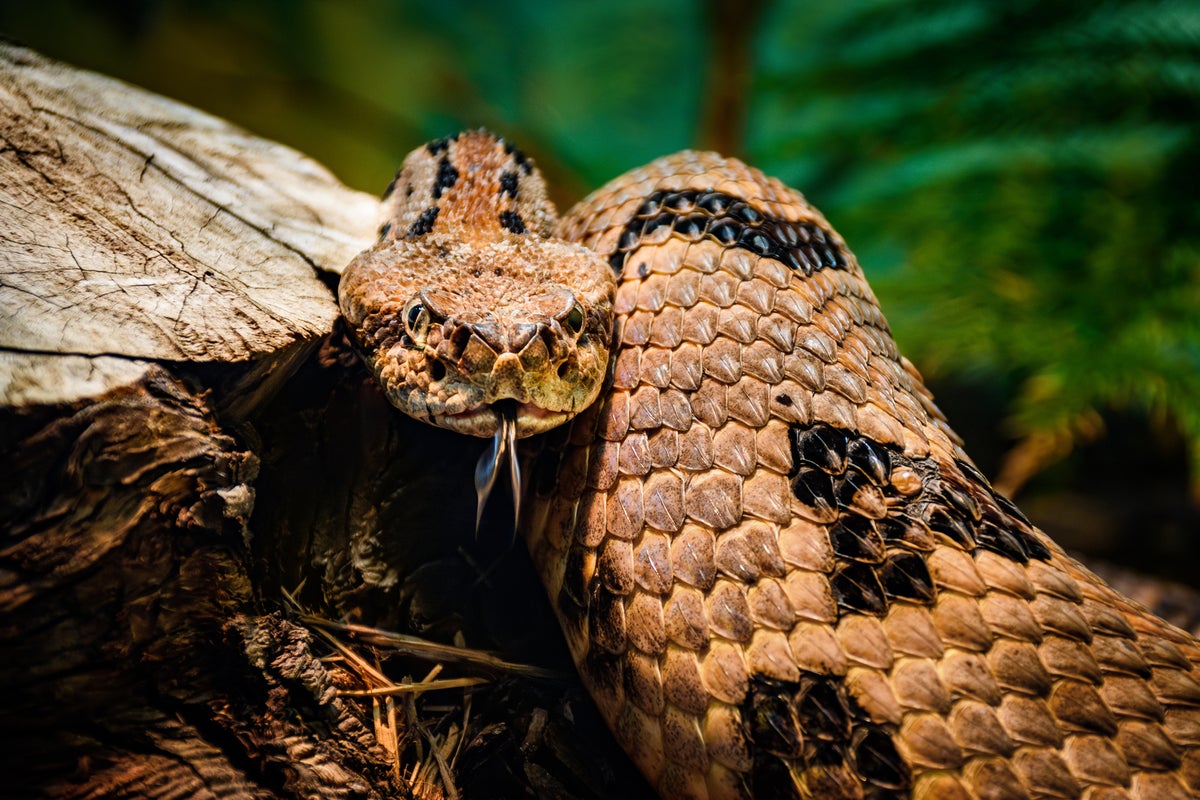
The timber rattlesnake is the largest and most dangerous snake in Tennessee. It is found statewide but prefers heavily forested, hilly terrain. These snakes can deliver a large "load" of potent hemotoxic venom. While a bite from a timber rattlesnake is a genuine medical emergency that can lead to death if untreated, these snakes are generally shy and will rattle to warn intruders long before striking.
3. Western Cottonmouth (Agkistrodon piscivorus)
Commonly known as the "water moccasin," the cottonmouth is primarily restricted to the western third of Tennessee and parts of the middle Tennessee river systems. They are semi-aquatic and often confused with harmless water snakes. While their venom is more potent than a copperhead's and can cause significant tissue damage, fatalities remain rare due to the availability of antivenom in the regions where they reside.
4. Western Pygmy Rattlesnake (Sistrurus miliarius)
This is the rarest venomous snake in the state, found primarily in a few counties in West Tennessee and along the southern border. Because of their small size and rarity, encounters are infrequent. Their venom is potent for their size, but they do not produce enough volume to typically be lethal to a healthy human.
Why Most Bites Are Not Fatal
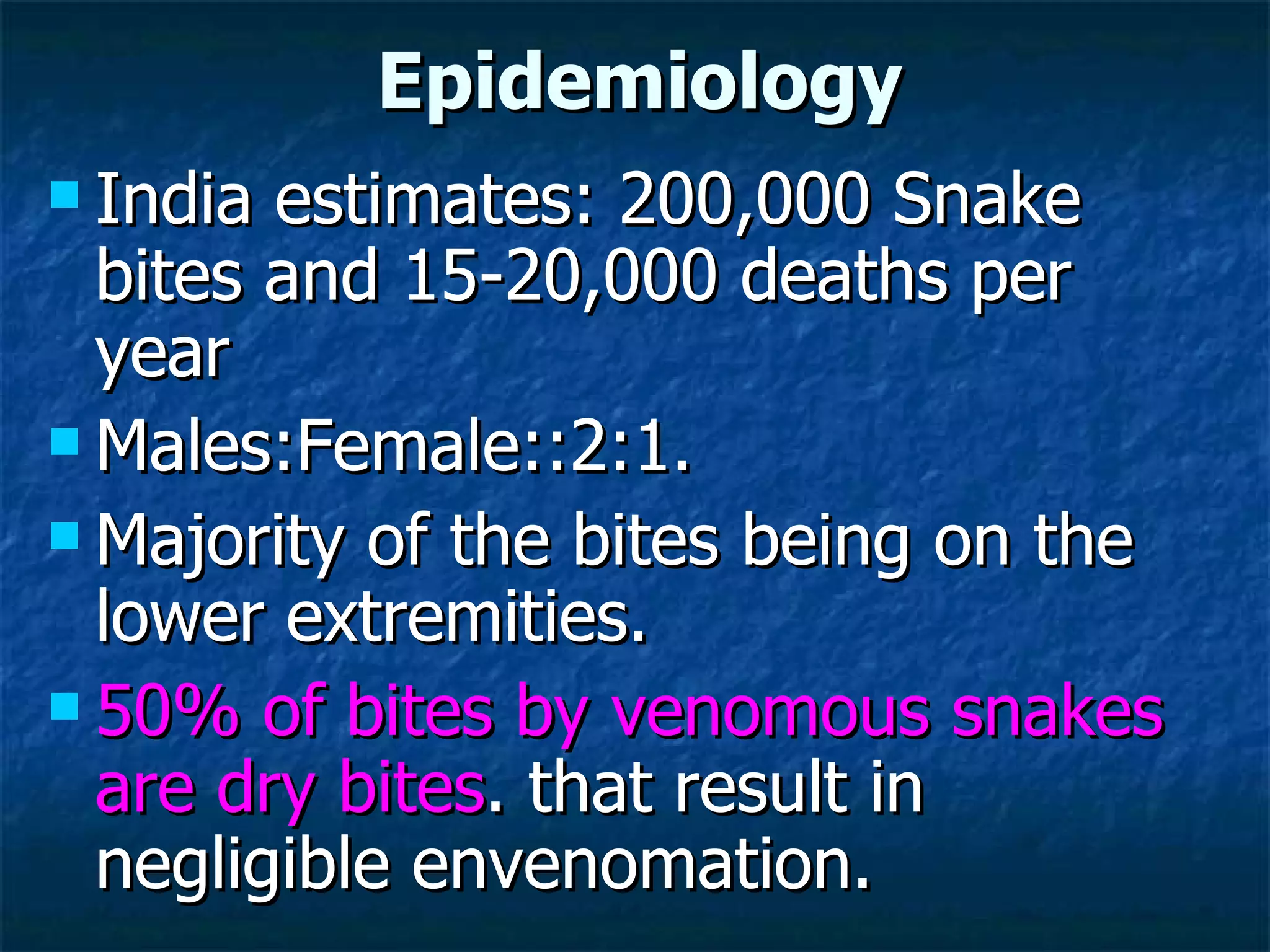
The low mortality rate in Tennessee is not a matter of luck; it is a result of biological factors and a sophisticated medical infrastructure. One of the primary reasons people survive venomous bites is the "dry bite" phenomenon. Research indicates that approximately 25% to 50% of all venomous snake bites are dry, meaning the snake strikes defensively without injecting any venom. Venom is a biological resource used for hunting; snakes are often reluctant to waste it on a creature they cannot eat.
Furthermore, the venom of North American pit vipers (which include all four Tennessee species) is primarily hemotoxic. Hemotoxic venom attacks the circulatory system and muscle tissue. While extremely painful and capable of causing long-term scarring or limb loss, it works much slower than the neurotoxic venom found in cobras or mambas. This "slow" progression gives Tennessee residents a wide window of time—usually several hours—to reach a hospital and receive antivenom.
Medical Infrastructure and Antivenom
Tennessee is home to world-class medical facilities, such as the Vanderbilt University Medical Center, which houses specialized toxicology experts. The availability of CroFab and Anavip (the two primary antivenoms used in the U.S.) in almost every major Tennessee hospital has revolutionized treatment. These treatments work by binding to and neutralizing venom toxins, stopping the damage to the blood and tissues before it becomes systemic or fatal.
Comparison of Venomous Snake Risks in Tennessee
| Snake Species | Primary Habitat | Venom Type | Frequency of Human Bites | Fatality Risk (Untreated) |
|---|---|---|---|---|
| Northern Copperhead | Forests, Suburban yards | Hemotoxic (Mild) | Very High | Extremely Low |
| Timber Rattlesnake | Rocky bluffs, Deep woods | Hemotoxic (Potent) | Low | Moderate to High |
| Western Cottonmouth | Swamps, Rivers (West TN) | Hemotoxic (Moderate) | Moderate | Low to Moderate |
| Pygmy Rattlesnake | Floodplains, Pine woods | Hemotoxic (Potent) | Very Low | Low |
Immediate First Aid: Do’s and Don’ts
If a bite occurs in 2026, the actions taken in the first thirty minutes are critical. Misinformation from old movies often leads to dangerous mistakes that increase the risk of permanent injury or death.
What to Do:
- Distance Yourself: Move away from the snake to prevent a second strike.
- Stay Calm: Increasing your heart rate spreads the venom through the bloodstream faster.
- Remove Jewelry: Snakes bites cause rapid swelling. Rings, watches, and bracelets can act as tourniquets and cut off circulation.
- Keep the Limb Neutral: Keep the bitten area at or slightly below heart level.
- Seek Immediate Medical Attention: Call 911 or proceed to the nearest emergency room immediately. Even if you think it was a dry bite, observation is necessary.
What NOT to Do:
- Do NOT use a tourniquet: This concentrates the venom in one area, often leading to the necessity of amputation.
- Do NOT "cut and suck": This is a myth. Cutting the wound causes more tissue damage, and human mouths are full of bacteria that cause infection.
- Do NOT apply ice: Extreme cold can worsen the localized tissue damage caused by hemotoxic venom.
- Do NOT try to capture the snake: A photo is helpful for identification, but do not risk another bite. Doctors treat based on symptoms and blood work, even if the snake isn't identified.
High-Risk Scenarios and Vulnerable Groups
While the general risk of death is low, certain groups and situations in Tennessee present a higher danger profile.
Children and the Elderly
Children have a smaller body mass, meaning a standard "load" of venom results in a much higher concentration per kilogram of body weight. Their symptoms can progress to systemic shock much faster than in adults. Conversely, the elderly may have pre-existing conditions—such as heart disease or the use of blood thinners—that complicate the body's ability to handle the coagulopathy (blood clotting issues) caused by venom.
Remote Hiking and Wilderness Areas
For those hiking the Appalachian Trail in East Tennessee or exploring the rugged terrain of the Cumberland Plateau, the primary risk factor for death is time. If a timber rattlesnake bites a hiker several miles from a trailhead without cell service, the delay in receiving antivenom can lead to severe complications. In these instances, the cause of death is often the inability to access modern medicine rather than the inherent "deadliness" of the snake.
Domestic Pets
While this guide focuses on human deaths, it is worth noting that snake bite deaths in Tennessee are significantly higher for dogs. Dogs are curious and often get bitten on the face or neck, where swelling can quickly obstruct airways. The cost of veterinary antivenom can also be a barrier to treatment for many pet owners.
Frequently Asked Questions
Are copperhead bites deadly to humans?
While a copperhead bite is extremely painful and requires medical attention, it is rarely deadly to healthy humans. Fatalities are almost unheard of provided the victim receives supportive care and, if necessary, antivenom. Most deaths associated with copperheads involve very young children or individuals with severe allergic reactions.
How long do you have to get to a hospital after a rattlesnake bite?
There is no "magic number," but the "Golden Hour" applies here as it does in other trauma cases. Ideally, medical evaluation should begin within 30 to 60 minutes. However, because Tennessee's snakes have hemotoxic venom, most victims have a window of several hours before life-threatening systemic symptoms occur.
Does insurance cover the cost of snake bite treatment in Tennessee?
Most health insurance plans cover emergency treatment for snake bites, including the administration of antivenom. However, patients should be aware that antivenom is one of the most expensive pharmaceutical products in the world. A full course of treatment can cost between $50,000 and $150,000 before insurance adjustments, due to the complexity of manufacturing the biological product.
Can you die from a "dry bite"?
No. A dry bite is a defensive strike where no venom is injected. While the bite may still cause a puncture wound and potential infection (requiring a tetanus shot), there is no venom present to cause systemic illness or death. However, only a medical professional can confirm a bite was dry through blood tests and observation.
Where in Tennessee are snake bites most common?
Bites are most common in Middle and West Tennessee, specifically in suburban areas where residential development encroaches on natural habitats. Wooded backyard lots, stone walls, and areas near water are frequent sites for copperhead and cottonmouth encounters.
Practical Recommendations for Prevention
To minimize the risk of becoming a statistic, Tennessee residents should practice proactive yard management and situational awareness. Keep your grass mowed short and remove piles of debris, wood, or rocks near the home, as these attract the rodents that snakes prey upon. When hiking, always stay on marked trails and wear closed-toe shoes or boots. Most bites occur when a person accidentally steps on a snake or intentionally tries to move or kill it.
The most effective way to avoid a fatal encounter is to leave the snake alone. In Tennessee, snakes play a vital role in the ecosystem by controlling rodent populations and maintaining the balance of local wildlife. If you encounter a snake, simply back away; they do not "chase" humans and will only strike if they feel cornered or threatened.
Image Gallery