What Is Cognitive Psychology?
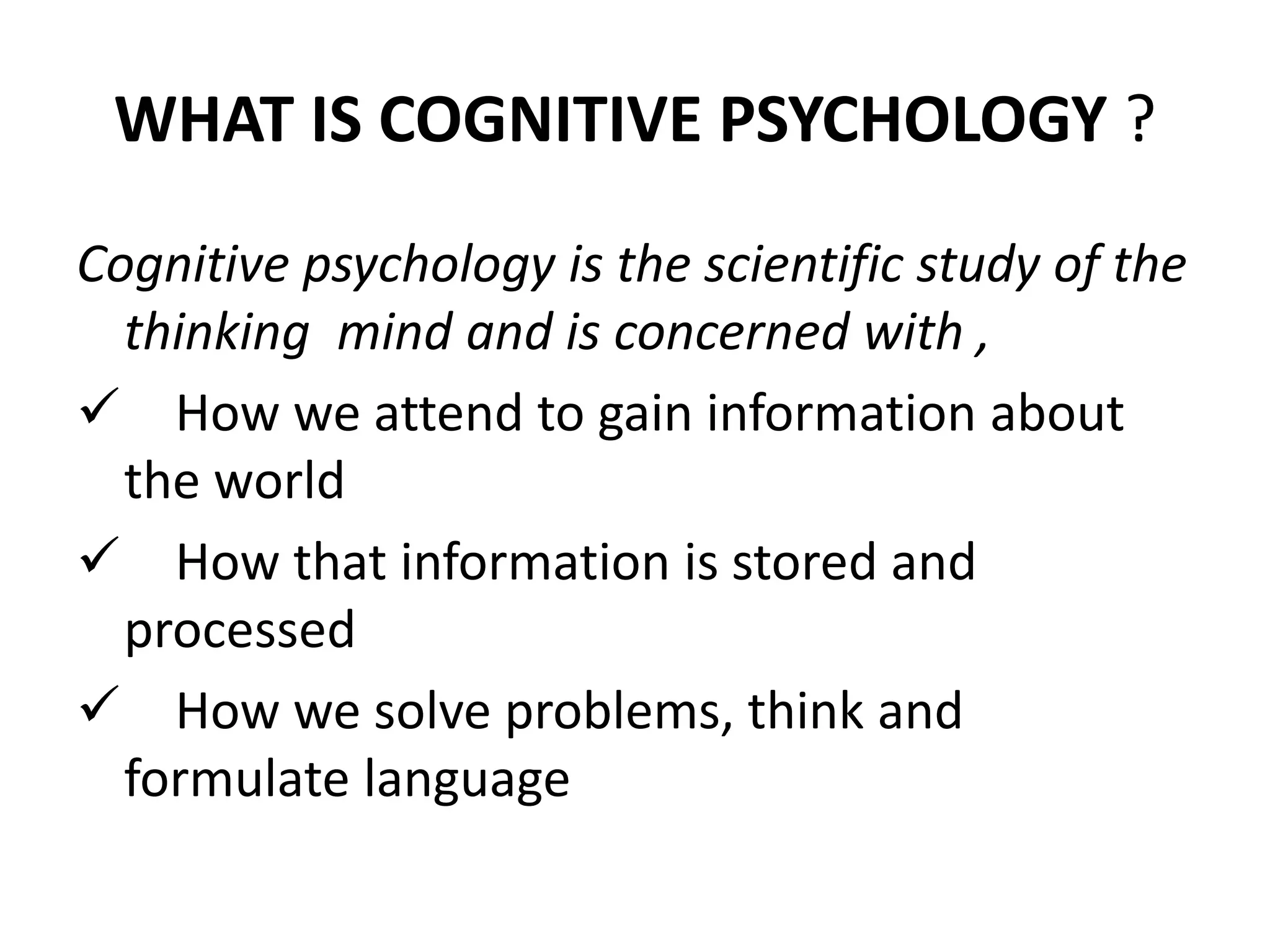
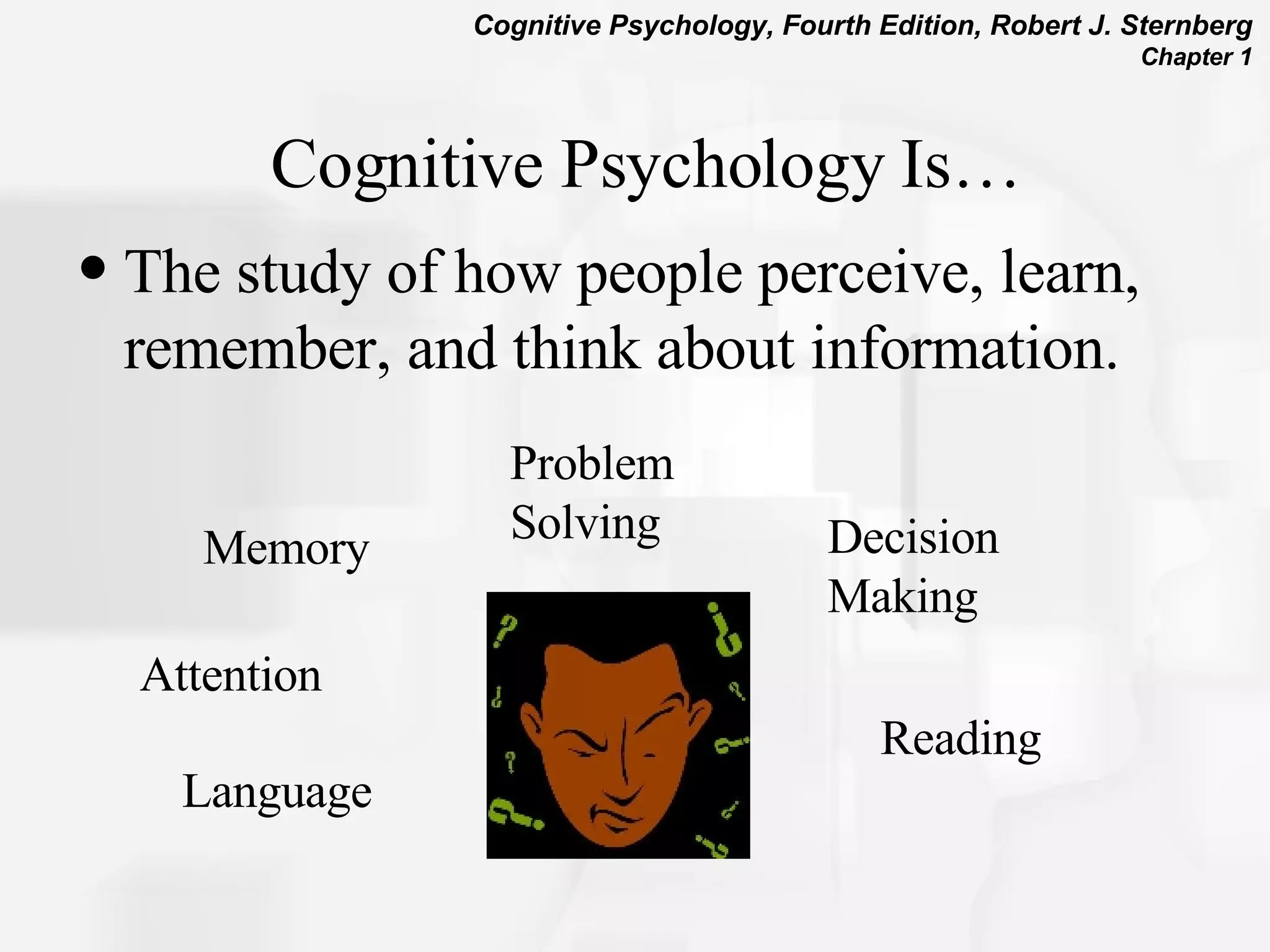
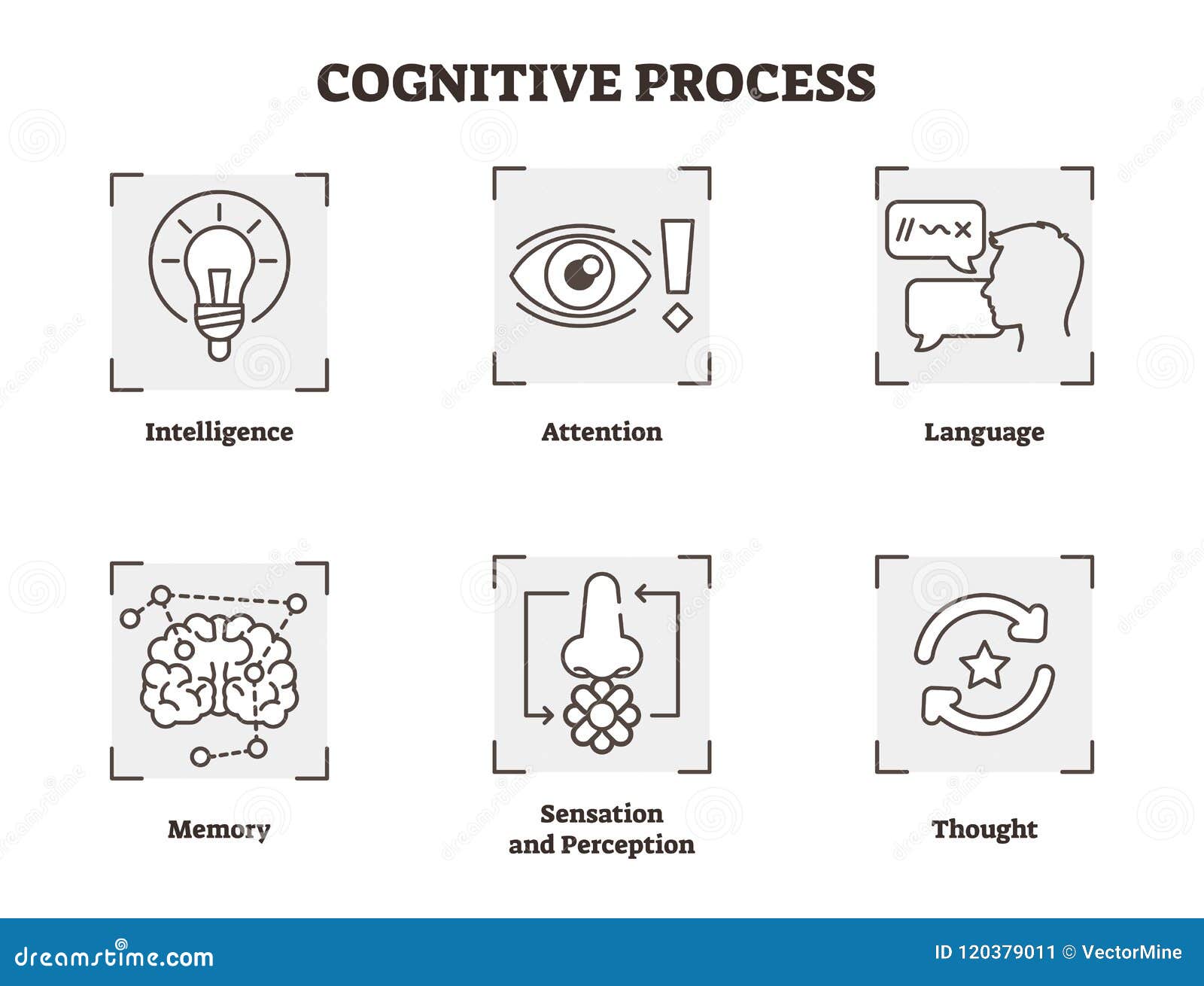
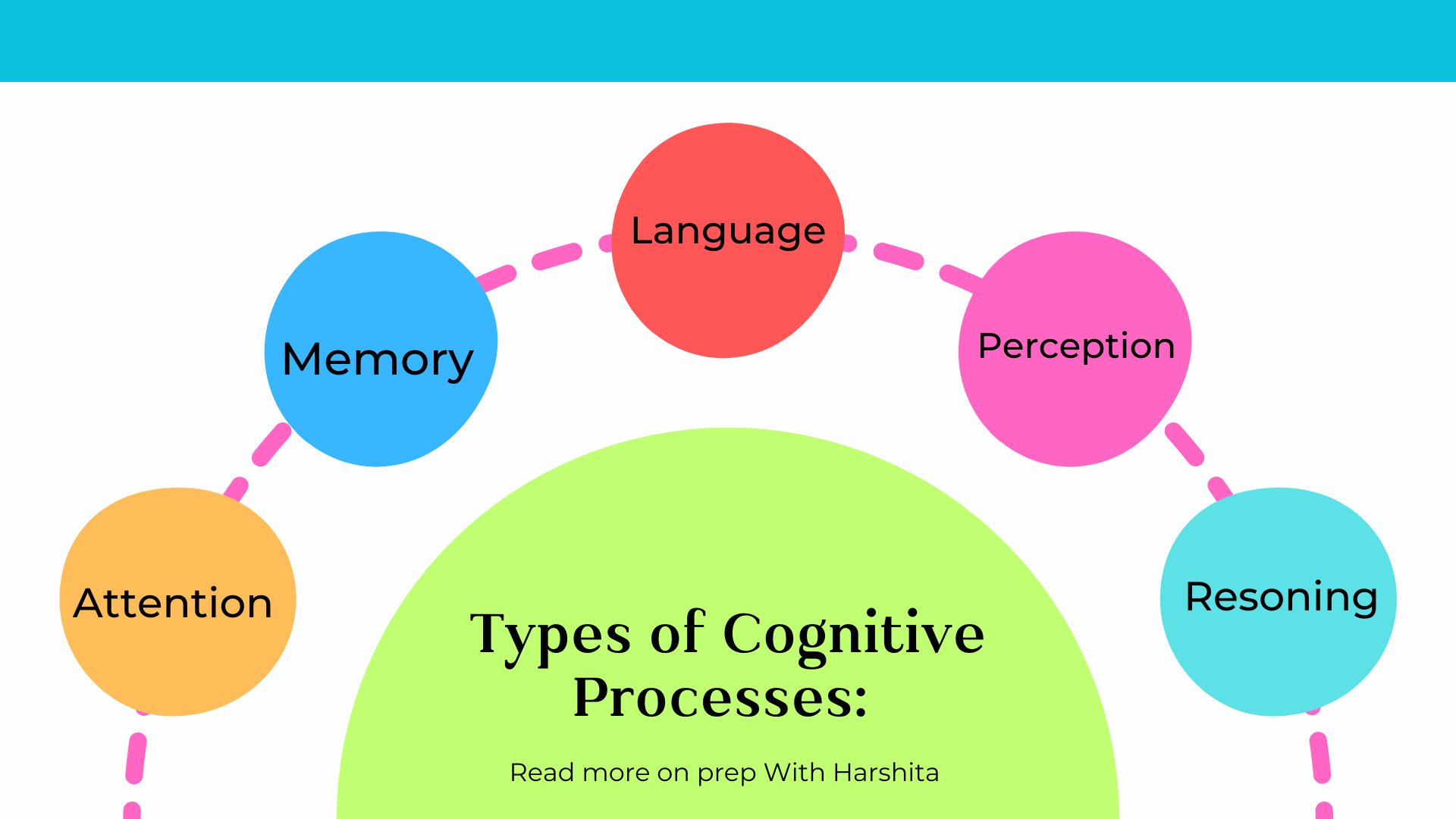
Cognitive psychology is the scientific study of mental processes such as attention, language use, memory, perception, problem-solving, creativity, and thinking. By examining how people acquire, process, and store information, this bran...
Cognitive psychology is the scientific study of mental processes such as attention, language use, memory, perception, problem-solving, creativity, and thinking. By examining how people acquire, process, and store information, this branch of psychology seeks to map the internal workings of the human mind and understand how these mental frameworks shape behavior.
Contents
The Historical Evolution of Cognitive Psychology
The roots of cognitive psychology trace back to ancient philosophical inquiries into the nature of knowledge, but its formal emergence as an experimental science occurred during the mid-20th century. Before this cognitive revolution, the field of psychology was heavily dominated by behaviorism, which argued that internal mental states were unobservable and therefore scientifically irrelevant. Behaviorists focused strictly on measurable external stimuli and observable behavioral responses.
By the 1950s and 1960s, limitations in behaviorist models became increasingly apparent, particularly in explaining complex human capabilities like language acquisition and high-level problem-solving. Advances in linguistics, neuroscience, and the sudden rise of computer science provided researchers with new metaphors and analytical tools. The digital computer, capable of receiving input, processing data, executing programs, and generating output, offered a compelling parallel for the human mind. This computational metaphor birthed information-processing models that treated the brain as a biological processor, marking the official inception of modern cognitive psychology.
Core Pillars of Human Information Processing
To understand how the mind operates, cognitive psychologists break down mental activity into distinct, interconnected stages. This information-processing model explains how environmental inputs are transformed into memories, thoughts, and purposeful actions.
- Perception and Pattern Recognition: The brain receives raw sensory data from the environment via visual, auditory, and tactile receptors. Perception involves organizing and interpreting this sensory information to give it meaning, allowing an individual to recognize a familiar face, read a printed word, or identify a musical note.
- Attention: Because the human sensory system is constantly bombarded with more information than it can possibly process, attention acts as a selective filter. It allows individuals to focus on specific stimuli while ignoring irrelevant background noise, dividing mental resources between concurrent tasks, or maintaining sustained focus over extended periods.
- Memory Systems: Human memory is not a single storage unit but a complex architecture comprising sensory memory, working memory, and long-term memory. Sensory memory holds fleeting impressions of sensory data; working memory temporarily manipulates active information; and long-term memory houses vast amounts of encoded knowledge, autobiographical events, and procedural skills.
- Language Acquisition and Comprehension: This domain investigates how humans generate, comprehend, and acquire spoken and written language. It covers everything from phonological processing and syntax to semantic interpretation and conversational pragmatics.
- Thinking, Judgment, and Decision Making: This area explores how people form concepts, solve complex problems, calculate probabilities, and make choices under conditions of uncertainty. Researchers study both optimal rational calculation and the mental shortcuts, known as heuristics, that humans naturally employ to simplify decision-making.
Methodologies and Research Techniques in Cognitive Science
Cognitive psychologists rely on rigorous empirical methods to study mental processes that cannot be seen directly. Laboratory experiments often measure behavioral outputs, such as response times and accuracy rates, to infer the underlying cognitive mechanisms at work.
| Research Method | Primary Function | Typical Application |
|---|---|---|
| Chronometric Studies | Measures reaction times to specific stimuli. | Assessing the duration of mental operations, such as mental rotation or lexical decision-making. |
| Neuroimaging (fMRI/PET) | Maps regional blood flow and metabolic brain activity. | Identifying which brain structures activate during specific cognitive tasks like memory retrieval. |
| Electrophysiology (EEG/ERP) | Records electrical activity along the scalp. | Measuring millisecond-level changes in neural processing during attention or language tasks. |
| Neuropsychological Testing | Evaluates cognitive deficits in brain-injured patients. | Mapping damaged brain areas to impaired functions, such as studying language deficits in aphasia. |
Comparison: Cognitive Psychology vs. Behavioral Psychology
Understanding cognitive psychology becomes easier when contrasted with its historical predecessor, behaviorism. While both approaches rely on scientific experimentation, their fundamental assumptions about human nature differ starkly.
- Subject of Study: Cognitive psychology investigates internal mental states, thoughts, beliefs, and memory structures. Behaviorism strictly studies observable behaviors and environmental conditioning.
- View of the Organism: Cognitive psychology views humans as active processors of information who evaluate stimuli and make choices. Behaviorism views organisms as passive recipients of environmental rewards and punishments.
- Research Methods: Cognitive researchers use chronometric testing, verbal protocols, and neuroimaging to infer internal processes. Behaviorists rely on controlled conditioning experiments with measurable behavioral outcomes.
- Therapeutic Applications: Cognitive principles form the foundation of Cognitive Behavioral Therapy (CBT), which targets maladaptive thought patterns to change behavior. Traditional behaviorism utilizes exposure therapy and behavior modification techniques based on reinforcement schedules.
Practical Applications in Modern Society
The theoretical insights generated by cognitive psychology have profound, real-world applications across multiple industries and academic disciplines.
In clinical settings, cognitive psychology serves as the scientific foundation for Cognitive Behavioral Therapy (CBT) and Rational Emotive Behavior Therapy (REBT). Clinicians help patients identify cognitive distortions—such as catastrophic thinking or overgeneralization—and reframe them to alleviate anxiety, depression, and trauma-related symptoms.
In educational design, cognitive principles inform instructional design and curriculum development. Concepts like cognitive load theory dictate how much information can be presented to students at once without overwhelming their working memory. Spaced repetition and retrieval practice, both rooted in cognitive memory research, are widely implemented in modern learning platforms to maximize long-term retention.
In human factors engineering and user experience (UX) design, cognitive psychologists study human-computer interaction. By understanding visual search patterns, memory limitations, and decision-making biases, designers create safer cockpits, more intuitive software interfaces, and accessible public infrastructure that minimize human error.
Common Misconceptions About Cognitive Psychology
Despite its widespread influence, several misconceptions persist regarding the scope and methods of cognitive psychology.
- Equating Cognitive Psychology with Neuroscience: While cognitive psychology and cognitive neuroscience are closely related, they are distinct. Cognitive psychology focuses on behavioral and mental models of processing, whereas neuroscience studies the physical neural architecture and biological mechanisms underlying those models.
- Assuming Thought Processes Are Entirely Conscious: A major insight of cognitive research is that the vast majority of information processing occurs outside conscious awareness. Implicit memory, subliminal priming, and automatic cognitive routines operate silently beneath the surface of conscious thought.
- Viewing the Mind as a Flawless Computer: Early computational models implied the human mind operates like a high-speed, infallible calculator. Contemporary cognitive psychology emphasizes that human cognition is bounded, highly heuristic-driven, and prone to systematic biases.
Frequently Asked Questions
What is the main focus of cognitive psychology?
Cognitive psychology focuses on studying internal mental processes, including attention, memory, perception, language, problem-solving, and decision-making. It examines how people acquire, store, transform, and use information in daily life.
How does cognitive psychology differ from behaviorism?
Cognitive psychology explores internal mental states and information processing, whereas behaviorism exclusively focuses on observable behaviors and environmental conditioning. Cognitive psychologists view humans as active processors of information rather than passive responders to stimuli.
What are cognitive schemas?
Cognitive schemas are mental frameworks or organizational structures stored in long-term memory that help individuals interpret and categorize new information. They shape perception, guide attention, and streamline decision-making based on past experiences.
Can cognitive psychology help treat mental health conditions?
Yes, cognitive psychology provides the theoretical framework for Cognitive Behavioral Therapy (CBT), an evidence-based treatment widely used to address anxiety, depression, phobias, and other psychological disorders by modifying dysfunctional thought patterns.
What is working memory in cognitive psychology?
Working memory is a limited-capacity cognitive system responsible for temporarily holding and manipulating information needed for complex tasks like reasoning, comprehension, and learning. It acts as the active workspace of the human mind.
Conclusion and Next Steps
Cognitive psychology bridges the gap between raw biological stimuli and complex human behavior, providing essential insights into how the mind navigates an information-rich world. Whether applied in clinical therapy, educational reform, or technological design, understanding cognitive architecture empowers professionals to optimize human performance and well-being. To dive deeper into this field, explore foundational literature on human memory models, investigate the mechanics of cognitive biases, or examine introductory coursework in cognitive neuroscience.
Image Gallery