How to Understand Life Insurance Quotes in Canfield
Navigating life insurance quotes in Canfield involves evaluating various policy types, coverage amounts, and premium structures to find a plan that aligns with your financial obligations and local cost-of-living factors. Comparing thes...
Navigating life insurance quotes in Canfield involves evaluating various policy types, coverage amounts, and premium structures to find a plan that aligns with your financial obligations and local cost-of-living factors. Comparing these proposals requires a close examination of your health history, term lengths, and rider options to ensure long-term stability for your beneficiaries.
Contents
Purchasing life insurance is a critical financial decision, particularly for residents of Canfield, Ohio, where regional economic conditions, local cost-of-living metrics, and state-specific insurance regulations influence policy availability and pricing. When you request a quote from an insurance carrier or an independent broker, the numbers presented on the page can appear overwhelming. Between distinctions in term versus permanent coverage, medical underwriting classifications, and optional policy riders, understanding what you are paying for—and what your beneficiaries will actually receive—requires a methodical approach. This guide breaks down the core components of life insurance quotes, how regional factors influence rates, and the steps necessary to evaluate your options effectively in Canfield.
The Fundamentals of Life Insurance Quotation Structures
A life insurance quote is an estimated cost for a policy based on the preliminary information you provide, such as your age, gender, tobacco use, and desired death benefit. It is important to distinguish between a quote and a final offer. A quote is non-binding and subject to change after the insurance company conducts underwriting, which typically involves a review of your medical records, prescription history, and sometimes a paramedical exam.
Insurance carriers structure their quotes around two primary categories of life insurance: term life insurance and permanent life insurance. Understanding this foundational split is the first step in deciphering any quote you receive.
- Term Life Insurance: Designed to provide coverage for a specific period—such as 10, 20, or 30 years. These quotes are typically straightforward and feature lower initial premiums because the policy only pays out if you pass away during the designated term. They are ideal for covering specific financial liabilities, such as a mortgage or children's education costs.
- Permanent Life Insurance: Includes whole life and universal life policies that provide lifelong coverage and feature a cash value component that grows over time. Quotes for permanent insurance are significantly higher than term quotes because the policy is guaranteed to pay out eventually (provided premiums are maintained) and builds tax-deferred savings.
Key Factors That Influence Your Quote in Canfield
Insurance companies do not price policies in a vacuum; they use actuarial tables and localized data to assess risk. While national trends dictate broad pricing baselines, several localized and personal factors directly impact the quotes generated for Canfield residents.
Health Classifications and Medical Underwriting
Your personal health profile is the heaviest weight in determining your quote. Underwriters assign a health classification—such as Preferred Plus, Preferred, Standard Plus, or Standard—based on your medical history, build, blood pressure, cholesterol levels, and family medical history. A single health condition or a history of tobacco use can shift your quote from a preferred tier to a standard or sub-standard tier, substantially increasing your annual premium.
Age and Gender
Age is a mathematical certainty in life insurance pricing. The younger you are when you lock in a policy, the lower your premium will be. Additionally, actuarial data indicates that women generally have a longer life expectancy than men, which typically results in lower term life insurance quotes for women of the same age and health profile.
Geographic and State-Specific Regulations
While Canfield is a specific community within Mahoning County, Ohio, life insurance regulations are governed at the state level by the Ohio Department of Insurance. Ohio adheres to standard consumer protection frameworks, including a statutory free-look period (typically 10 to 30 days depending on the policy type) that allows you to review a policy and cancel it for a full refund if it does not meet your expectations. Furthermore, local economic factors such as average household income and regional mortality rates can indirectly influence how national carriers price policies within the region.
Decoding the Anatomy of a Life Insurance Quote
When you examine a quote document or an online proposal, you will encounter several specific data points. Knowing how to read these columns prevents costly misunderstandings down the road.
| Quote Component | What It Measures | Why It Matters for Your Decision |
|---|---|---|
| Face Amount | The total death benefit paid to beneficiaries upon your passing. | Determines whether your family can cover immediate expenses, debts, and long-term income replacement. |
| Premium | The periodic payment (monthly, quarterly, or annually) to keep the policy active. | Establishes the ongoing financial commitment required to maintain the coverage. |
| Guaranteed Period | The duration for which the premium rate is legally locked in. | Protects you from unexpected price hikes, especially critical in term policies and universal life plans. |
| Cash Value Growth | The rate at which the policy accumulates savings (applicable to permanent insurance). | Affects your ability to borrow against the policy or surrender it for cash later in life. |
| Riders | Optional amendments that add specialized benefits (e.g., waiver of premium, accelerated death benefit). | Customizes the policy to cover critical illness or disability, usually for an additional fee. |
Common Types of Policy Riders to Consider
Riders are contractual provisions that modify your base policy. When reviewing quotes, pay close attention to whether riders are automatically included or if they represent optional add-ons that increase your baseline premium.
- Accelerated Death Benefit Rider: Allows you to access a portion of your death benefit while you are still alive if you are diagnosed with a terminal illness. This is frequently included at no additional cost by many carriers.
- Waiver of Premium Rider: Waives your future premium payments if you become totally disabled and unable to work for a sustained period, safeguarding your policy from lapsing during a health crisis.
- Child Term Rider: Adds minor coverage for your children under your policy, with the option to convert it into permanent coverage when they reach adulthood.
- Guaranteed Insurability Rider: Permits you to purchase additional coverage at specified future dates without undergoing a new medical exam.
Comparing Term vs. Permanent Quotes: A Financial Breakdown
When evaluating quotes, residents often weigh the immediate affordability of term insurance against the long-term wealth-building features of permanent insurance.
- Annual Income & Financial Obligations
- Need temporary protection (Mortgage, Children's Education)
- Choose: Term Life Insurance (Lower initial cost)
- Need lifelong security & estate planning (Final expenses, Wealth transfer)
- Choose: Permanent Life Insurance (Higher initial cost + Cash value)
- Need temporary protection (Mortgage, Children's Education)
For most working families in Canfield balancing a mortgage, household expenses, and retirement savings, a 20-year or 30-year term policy provides the most cost-effective protection per dollar of death benefit. Permanent insurance, such as whole life, is typically reserved for estate planning, business continuation, or individuals with lifelong dependents who will permanently require financial support.
Steps to Secure and Verify the Right Quote
Navigating the quote process efficiently requires a structured approach to ensure you receive accurate pricing and avoid common pitfalls.
- Calculate Your Coverage Needs: Use the DIME formula (Debt, Income, Mortgage, Education) or a similar comprehensive assessment to determine exactly how much death benefit your family requires. Do not rely solely on a broker's initial suggestion without verifying your household's actual financial liabilities.
- Gather Necessary Information: Be prepared to provide accurate details regarding your height, weight, medical history, medications, and lifestyle habits (such as hobbies like skydiving or piloting, which can affect rates).
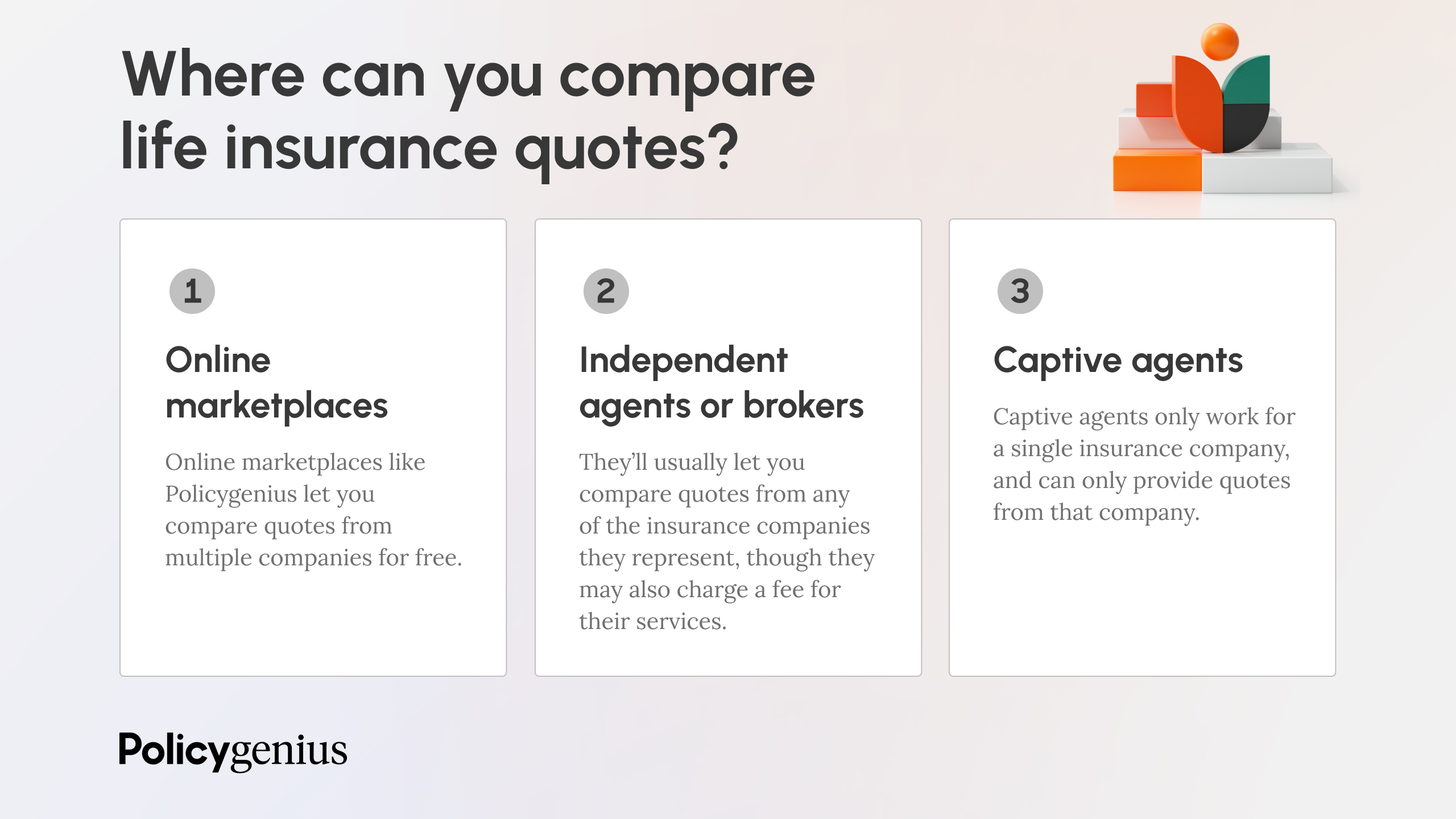
- Obtain Multiple Quotes: Work with an independent insurance broker who can compare rates across multiple A-rated carriers licensed in Ohio, rather than a captive agent who can only sell products from a single company.
- Complete Formal Underwriting: Remember that a quote is an estimate. Be transparent on your medical questionnaire. Disclosing health conditions upfront ensures that the final offer matches or closely reflects the initial quote you reviewed.
- Review the Policy Document: Once underwriting is complete and the formal policy is issued, utilize your statutory free-look period in Ohio to thoroughly review the contract terms, exclusion clauses, and table ratings before making your first major premium payment.
Frequently Asked Questions About Life Insurance Quotes
Are life insurance quotes in Canfield more expensive than the national average?
Life insurance pricing is primarily determined by national underwriting standards, your age, health, and lifestyle, rather than your specific zip code. While state-level regulatory frameworks and regional mortality statistics play a minor role, your individual health profile will always have a much larger impact on your quote than living in Canfield versus another Ohio municipality.
Can my life insurance quote change after I apply?
Yes. A quote is an initial estimate based on the unverified information you provided. If underwriting uncovers undisclosed medical conditions, prescription history anomalies, or if a paramedical exam reveals elevated blood pressure or cholesterol, the insurance carrier may issue a final offer with a higher premium—a process known as a "table rating."
What is the difference between a captive agent and an independent broker when getting quotes?
A captive agent represents a single insurance company and can only provide quotes and products from that specific carrier. An independent broker has access to multiple insurance companies, allowing them to shop around and compare quotes across different providers to find the most competitive rate for your specific health and financial profile.
Do I need to take a medical exam to get an accurate quote?
Not always. Many carriers now offer accelerated underwriting programs that utilize electronic health records, prescription databases, and motor vehicle reports to approve policies without requiring a physical exam. However, if your medical history is complex, an exam may be required to secure the best possible rate.
What happens if I miss a premium payment on my policy?
Most policies feature a grace period—typically 30 or 31 days—during which you can make a late payment without the policy lapsing. If you have a permanent life insurance policy with accumulated cash value, the insurer may automatically draw from that cash value to pay the premium if you miss a payment, though this can reduce your overall policy longevity.
Next Actions and Professional Consultation
To move forward effectively, calculate your family's specific financial obligations and consult with an independent insurance professional licensed in Ohio to compare quotes from multiple carriers. Because life insurance needs and underwriting criteria are highly individualized, taking the time to review policy contracts thoroughly during your state-mandated free-look period ensures your chosen plan delivers reliable protection for your beneficiaries.
Image Gallery