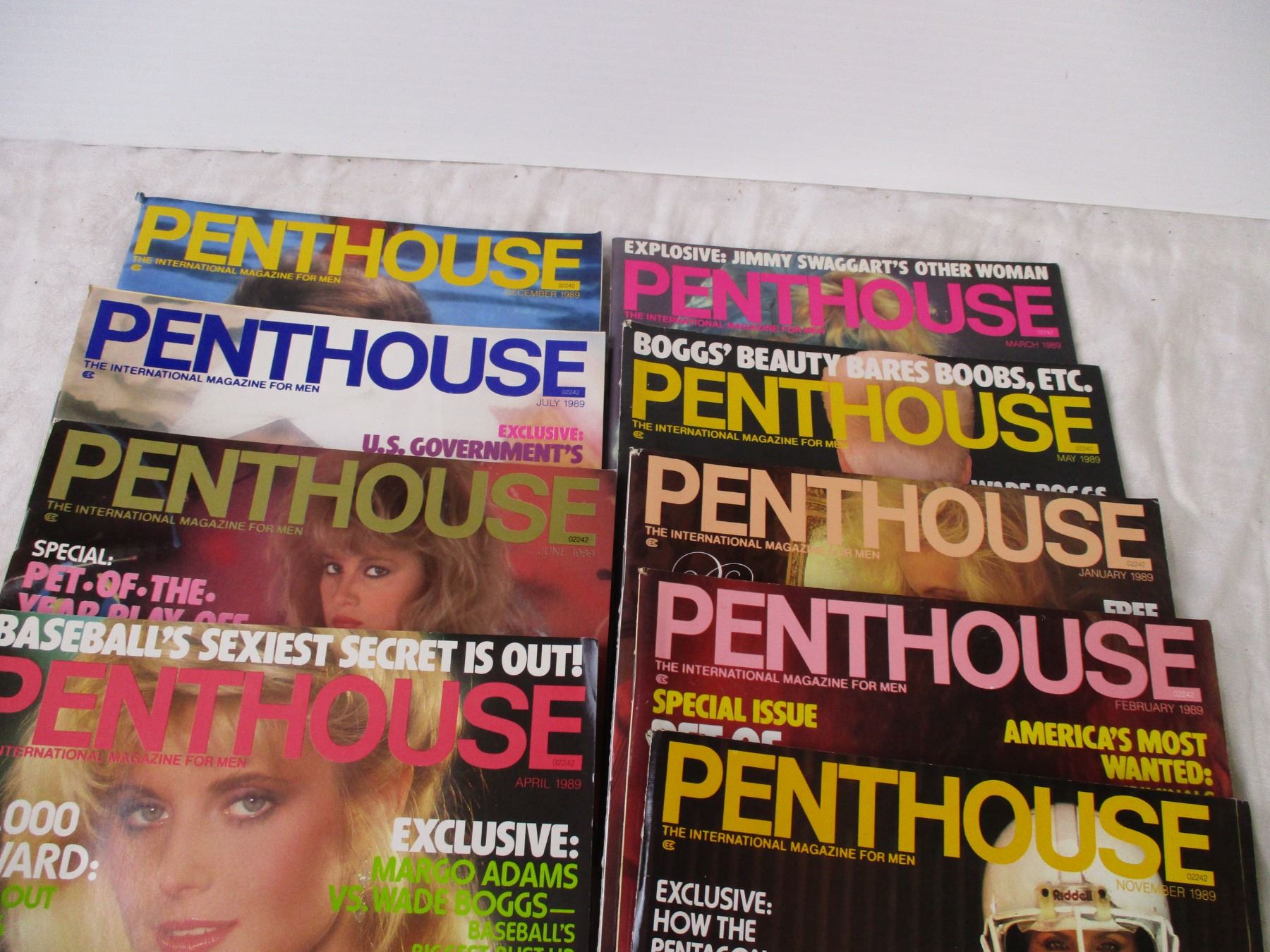
The Origin and Evolution: Who Started Penthouse Magazine?
Penthouse magazine was founded by Bob Guccione, an American entrepreneur and former cartoonist, in 1965. Originally launched in the United Kingdom before expanding to the United States in 1969, the publication was designed to offer a m...
Penthouse magazine was founded by Bob Guccione, an American entrepreneur and former cartoonist, in 1965. Originally launched in the United Kingdom before expanding to the United States in 1969, the publication was designed to offer a more sexually explicit alternative to existing men's lifestyle magazines, effectively shifting the landscape of adult publishing through the late 20th century.
Contents
The Architect: Robert Charles Joseph Guccione
To understand the origins of Penthouse, one must examine the career of its creator, Robert Charles Joseph Guccione. Born in 1930 in Brooklyn, New York, Guccione spent much of his early adulthood in Europe, working as a cartoonist, magazine distributor, and freelancer. This period spent living in London provided him with a unique perspective on the publishing industry. By the mid-1960s, Guccione observed that the market for men's magazines—dominated largely by Playboy—offered a polished, aspirational lifestyle that felt increasingly detached from the emerging sexual revolution and the countercultural movements of the era.
Guccione possessed a distinct vision: to create a magazine that combined the high-production values and editorial sophistication of elite journalism with a significantly bolder approach to photography. He leveraged his limited capital to launch the first edition of Penthouse in the UK in 1965. Unlike many of his contemporaries who relied on massive corporate funding, Guccione’s early efforts were characterized by personal risk-taking, including door-to-door distribution and relentless self-promotion.
Establishing the Penthouse Brand Identity
The entry of Penthouse into the United States market in 1969 served as a catalyst for a major shift in the adult magazine sector. Guccione’s editorial strategy was to position Penthouse as the "edgy" alternative to the more traditional and sanitized content found in its primary competitor.
Editorial Philosophy and Differentiation
While the core of the magazine was defined by its pictorial content, Guccione intentionally curated a mix of investigative journalism, short fiction, and political commentary. This "dual-track" approach was intended to provide a justification for purchase beyond the imagery, appealing to a demographic that wanted to appear culturally literate while consuming adult media.
- The "Pet" Concept: Guccione introduced the "Pet of the Month," a branding move that sought to humanize the models and create a sense of accessibility.
- Investigative Focus: Over the decades, the magazine gained a reputation for printing investigative pieces on subjects that mainstream magazines of the era often avoided, ranging from government corruption to early reporting on environmental issues.
- Design and Layout: The aesthetic was notably darker and more "urban" than the bright, suburban tone often associated with competing publications.
Comparison of Early Men’s Lifestyle Magazines
When Penthouse arrived in the US, it entered a crowded market. Understanding the competitive landscape is essential to identifying why Guccione’s publication found a specific foothold in the late 1960s and 1970s.
| Feature | Penthouse (1969 US Launch) | Playboy (1953 Launch) |
|---|---|---|
| Founding Vision | Explicit, urban, countercultural | Aspirational, upscale, suburban |
| Primary Imagery | Full-frontal nudity (gradual) | Artistic, stylized photography |
| Editorial Focus | Investigative, grit, shock value | Lifestyle, jazz, fashion, interviews |
| Market Position | Challenger brand | Established industry leader |
The Growth and Peak Years
The 1970s and 1980s represented the pinnacle of Penthouse’s influence. Through a combination of aggressive marketing and the relaxation of obscenity laws in the United States, Guccione expanded the brand into a global media empire. The magazine became a multi-million dollar venture, leading to various spin-offs, including Forum—a magazine dedicated to reader-submitted sexual anecdotes—and international editions translated into numerous languages.
Guccione’s business model was not limited to publishing. He diversified heavily into film production, real estate, and art collecting. However, this diversification often proved to be a source of financial volatility. The reliance on the print magazine as the central revenue anchor became a structural weakness as digital media began to emerge in the late 1990s and early 2000s.
Challenges and Shifts in the Digital Era
By the time the early 2000s arrived, the digital revolution had fundamentally altered the consumption of adult media. The ease of access to free content online severely eroded the subscription-based model that had supported Penthouse for over 30 years.
Guccione faced significant financial difficulties, leading to the bankruptcy of his parent company, General Media, Inc., in 2003. This period marked the end of the Guccione era, as ownership of the Penthouse brand changed hands several times. These transitions involved various corporate entities seeking to leverage the brand's remaining equity in a landscape where print advertising and physical newsstand sales had dwindled significantly.
Frequently Asked Questions
1. Who started Penthouse magazine?
Bob Guccione (Robert Charles Joseph Guccione) started Penthouse magazine in 1965 in the United Kingdom. He later expanded the brand into the United States in 1969, where it became his signature publication.
2. Was Penthouse always focused on adult content?
Yes, it was founded as an adult men's magazine from its inception. However, Guccione aimed to differentiate it from existing publications by incorporating more explicit photography and a more aggressive, countercultural editorial voice compared to the more conservative competitors of the time.
3. Did Bob Guccione own any other major publications?
Yes, in addition to Penthouse, Guccione founded or acquired several other titles under his company, General Media. This included Forum, an adult-oriented magazine focused on sexual advice and reader letters, and other specialty publications across various niche interests.
4. What happened to the original owner of Penthouse?
Bob Guccione faced severe financial reversals in the early 2000s, largely due to investments in non-publishing ventures and the decline of the print media industry. His company, General Media, filed for bankruptcy in 2003, and he eventually lost control of the Penthouse brand.
5. Is Penthouse still in print today?
As of 2026, the Penthouse brand primarily operates in digital formats. The landscape of the adult publishing industry has shifted almost entirely away from physical, newsstand-based print distribution, prioritizing online membership models and digital archives to reach modern audiences.
Strategic Outlook and Conclusion
The history of Penthouse is inextricably linked to the personality and business risks of Bob Guccione. From its start in 1965 to its evolution into a global brand, it acted as a litmus test for shifting societal norms regarding censorship and media consumption. For those studying the history of publishing, the rise and decline of the magazine provide a clear case study on the impact of digital disruption on legacy media models. To research the publication further, prospective historians should consult archives of General Media’s corporate filings or primary editorial content from the 1970s, which remain the most accurate records of the brand’s original identity.
Image Gallery