Understanding the Digital Provenance of the Barry Wood Sitting on a Bed Original Photo Unedited
The search for the "Barry Wood sitting on a bed original photo unedited" refers to a specific piece of internet meme culture originating from a 2012 adult-industry photograph featuring a man known by the stage name Barry Wood. The requ...
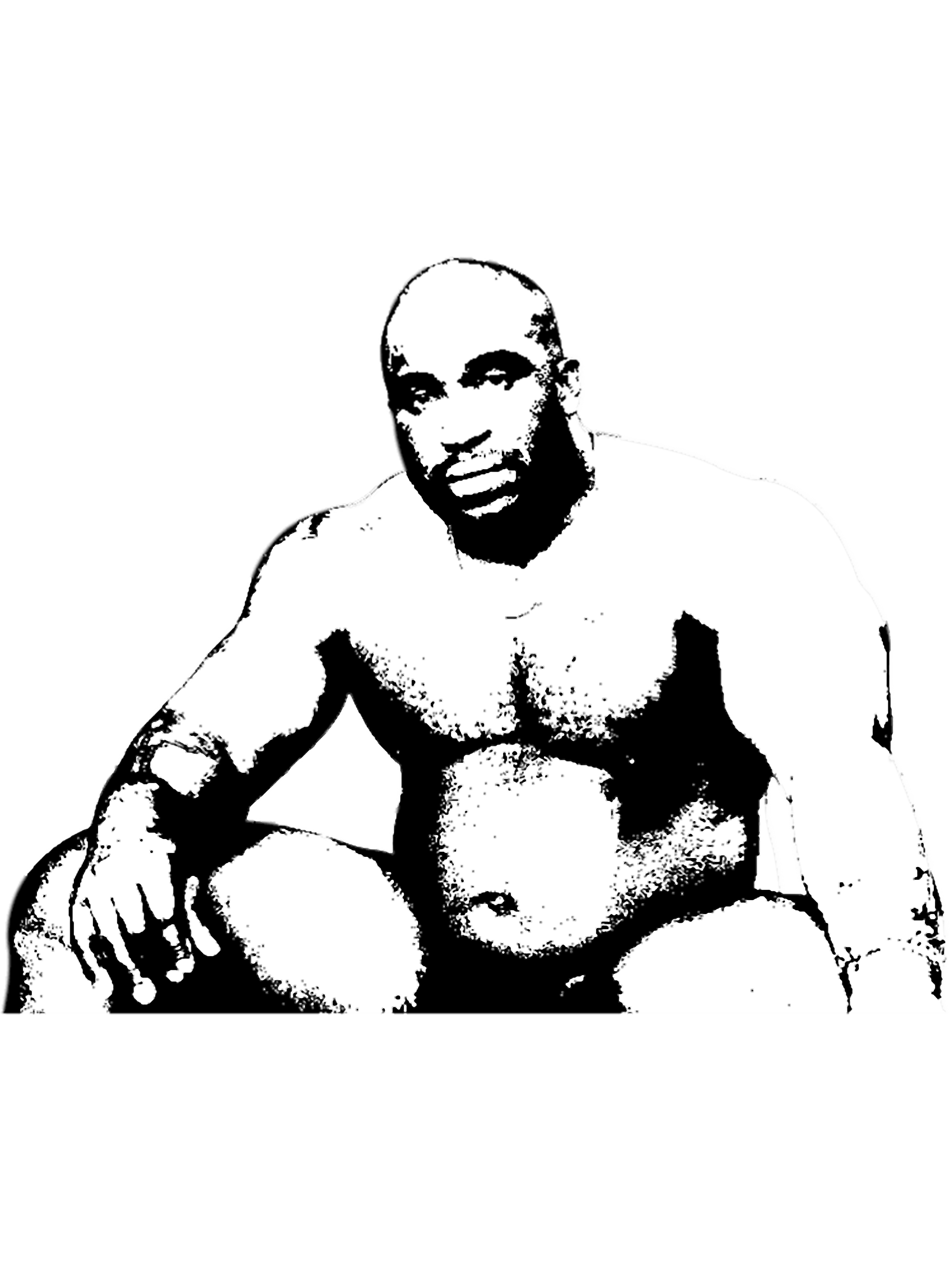
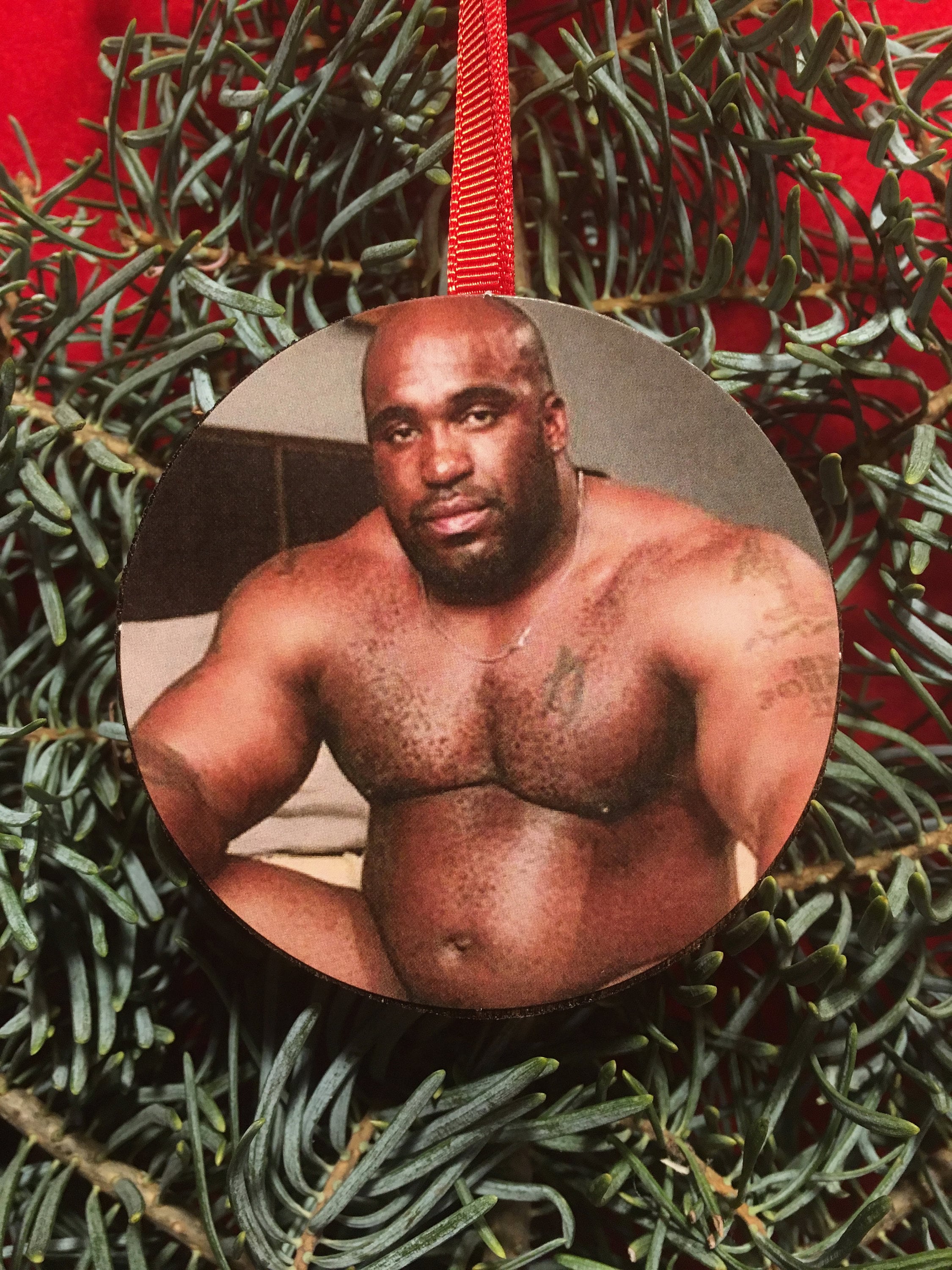
The search for the "Barry Wood sitting on a bed original photo unedited" refers to a specific piece of internet meme culture originating from a 2012 adult-industry photograph featuring a man known by the stage name Barry Wood. The request typically pertains to verifying the authenticity or source of the widely circulated, heavily edited, and photoshopped iterations that have populated social media platforms since 2017.
Contents
The Origins and Cultural Proliferation of the Subject
The subject known as Barry Wood gained widespread internet notoriety starting in 2017, years after the original image was captured. The photograph, which features a man sitting on a bed in a relaxed posture, became a fixture of digital culture due to its high degree of "memeability." Because the image was originally produced within the adult entertainment industry, it occupies a complex space in digital history, often being used as a shock-humor element or a "rickroll-style" bait-and-switch tactic across forums like Reddit, Twitter, and Discord.
When users search for the "original, unedited" version, they are often attempting to distinguish between the countless satirical edits—which range from adding historical figures into the frame to placing the subject in various global landmarks—and the source material. It is important to note that the image is a copyrighted work of adult media and its circulation is heavily restricted by intellectual property laws and platform content moderation policies.
Distinguishing Authenticity in the Age of Synthetic Media
In 2026, the challenge of verifying "original" photographs has increased due to the prevalence of Generative AI and deepfake technology. When evaluating the authenticity of a viral image like this, technical analysts and digital archivists look for several specific markers:
- Metadata Retention: Original files often contain EXIF data, including camera model, lens information, and the date of capture (typically circa 2012 for this specific subject). Viral copies found on social media almost always have this data stripped by platform compression algorithms.
- Pixel Interpolation: AI-upscaled versions of the photo frequently exhibit "hallucinations" or smoothing artifacts on skin textures and fabric patterns that are absent in the source material.
- Color Gamut Consistency: Original files maintain the specific color science associated with early 2010s digital cinema cameras, whereas edits often feature flattened or oversaturated profiles to match the aesthetic of the platform where they were uploaded.
Comparison of Image Iterations and Content Status
The following table provides a breakdown of how the image has been transformed and categorized across the digital landscape.
| Version Type | Technical Characteristics | Primary Purpose |
|---|---|---|
| Original Source | Low-resolution, standard exposure, authentic 2012 capture. | Historical Reference |
| Commonly Shared Meme | Heavy brightness/contrast adjustments, potential background removal. | Humorous Bait/Trolling |
| AI-Upscaled Derivative | Enhanced detail, potential artifacts, reconstructed textures. | High-Definition Repurposing |
| Manipulated Edits | Composited elements, foreign objects or backgrounds added. | Satirical Content Creation |
The Legal and Ethical Landscape of Viral Imagery
From a digital copyright perspective, the "Barry Wood" image is not public domain. The distribution of the unedited original often violates the Terms of Service of major social media platforms, which categorize the content as non-consensual sexual media or adult content, depending on the context of the upload.
Senior digital strategists and trust and safety teams utilize automated hashing technologies—such as PhotoDNA—to identify and suppress the circulation of such imagery. Consequently, the "original" is increasingly difficult to locate through standard search engines as platform algorithms prioritize the removal of restricted content to comply with global safety standards established in the early 2020s.
Technical Preservation and Digital Forensic Analysis
For researchers interested in the technical history of internet memes, the study of such images involves understanding how viral phenomena evolve through lossy compression. Each time the image is re-saved or re-uploaded to a site like Facebook or X, the file undergoes compression, degrading the "original" quality.
Archival Methodology Note
Data Integrity: To preserve the integrity of digital artifacts, forensic experts use SHA-256 hashing to create a digital fingerprint of an image. Any modification, whether by a meme creator or an AI tool, will result in a different hash, allowing researchers to track the lineage of an image from the original source to the most recent modification.
Frequently Asked Questions
Why is it difficult to find the original version of this photograph? The image is classified as adult content and is subject to strict content moderation policies on most search engines and social platforms. Additionally, the original file has been superseded by millions of manipulated copies that have undergone significant compression and editing, making the source material rare.
Are there differences between the original and the meme versions? Yes. Most widely circulated versions have undergone significant post-processing, including brightness adjustments, cropping, and the addition of digital artifacts through repeated re-saving and compression across different social media platforms.
Is it safe to search for this specific image? Users should exercise caution, as search results for this term often lead to sites with low security standards, invasive advertising, or content that violates workplace safety policies. Many result pages are optimized to lure users into clicking malicious links.
Does the original image have any historical or artistic value? Within the context of internet history and digital sociology, the image is often analyzed as a case study in how viral memes travel and mutate. It is not considered an artistic work, but rather a document of digital subculture.
What happens to the metadata of viral images? When an image is uploaded to a social media platform, the platform's internal software usually strips all EXIF metadata—such as GPS coordinates, camera serial numbers, and exact timestamps—to protect user privacy and optimize server storage space.
Concluding Guidance on Digital Media Search
When conducting research into internet phenomena or specific viral media, prioritize the use of reputable digital archives or academic databases that track internet history. Avoid attempting to locate high-resolution, unedited versions of restricted adult imagery, as these searches frequently expose the user to insecure websites and platform-specific content violations. Always rely on verifiable data regarding the history of the image rather than relying on unverified community-uploaded files found on public forums.
Image Gallery