Tim Witherspoon Net Worth: The Financial Legacy of a Two-Time Heavyweight Champion
As of 2026, Tim Witherspoon's net worth is estimated to be between $500,000 and $1 million. Although he earned several million dollars in career purses during his tenure as a two-time world heavyweight champion, extensive legal battles...
As of 2026, Tim Witherspoon's net worth is estimated to be between $500,000 and $1 million. Although he earned several million dollars in career purses during his tenure as a two-time world heavyweight champion, extensive legal battles with promoters, predatory management contracts, and the high costs of a long-term professional boxing career significantly reduced his liquid assets.
Contents
The Financial Paradox of "Terrible" Tim Witherspoon
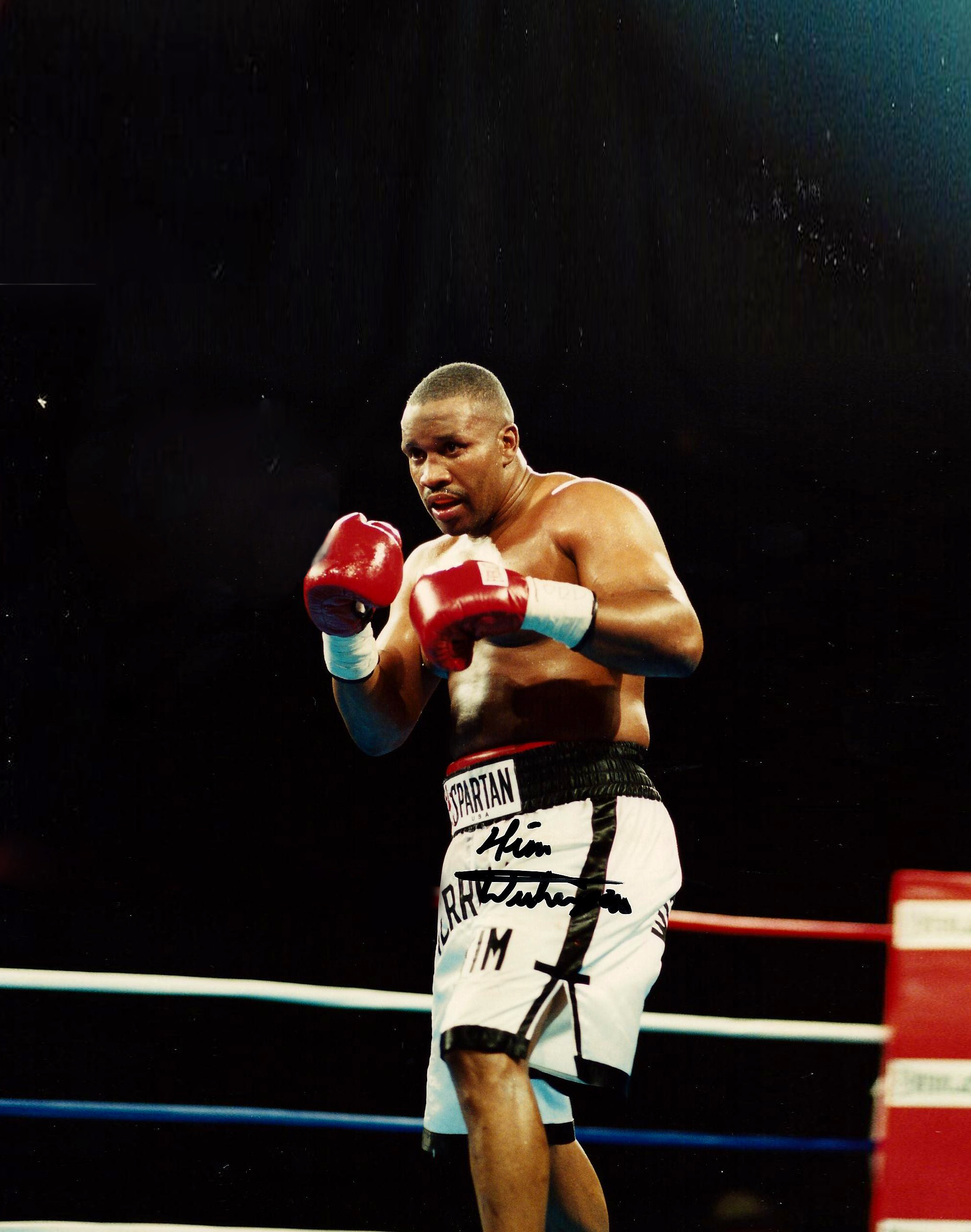
The career of Tim Witherspoon serves as a primary case study in the financial complexities of 1980s boxing. Despite reaching the pinnacle of the sport—capturing the WBC heavyweight title in 1984 and the WBA title in 1986—Witherspoon’s financial narrative is not one of extreme luxury, but rather one of resilience against systemic exploitation.
To understand Tim Witherspoon’s net worth in 2026, one must look past the raw numbers of his fight purses and examine the deductions, legal fees, and the predatory landscape of the era. Unlike modern heavyweights who benefit from more transparent managerial structures and the Muhammad Ali Boxing Reform Act, Witherspoon operated in an environment where a fighter’s "on-paper" earnings rarely matched the amount deposited into their bank accounts.
Early Career and the Rise to the Heavyweight Title
Tim Witherspoon’s financial journey began in Philadelphia, a city known for its "hard-knocks" boxing culture. His early paydays were modest, common for a heavyweight prospect climbing the ranks. However, his talent was undeniable, leading to a high-profile sparring partnership with Muhammad Ali, which provided both technical experience and a glimpse into the commercial side of the sport.
His first major financial breakthrough occurred in May 1983, when he challenged Larry Holmes for the WBC Heavyweight Championship. Although Witherspoon lost a controversial split decision, his performance established him as a world-class contender. This fight was the first instance where Witherspoon’s earnings hit the six-figure mark, though the exact net payout was heavily diluted by training camp expenses and managerial cuts.
Winning the WBC and WBA Titles
Witherspoon reached the top of the mountain twice, which theoretically should have secured his financial future for life:
- WBC Title (1984): He defeated Greg Page to win the vacant WBC title. The purse for this fight was substantial, but internal friction with his promotion team began to surface shortly after his victory.
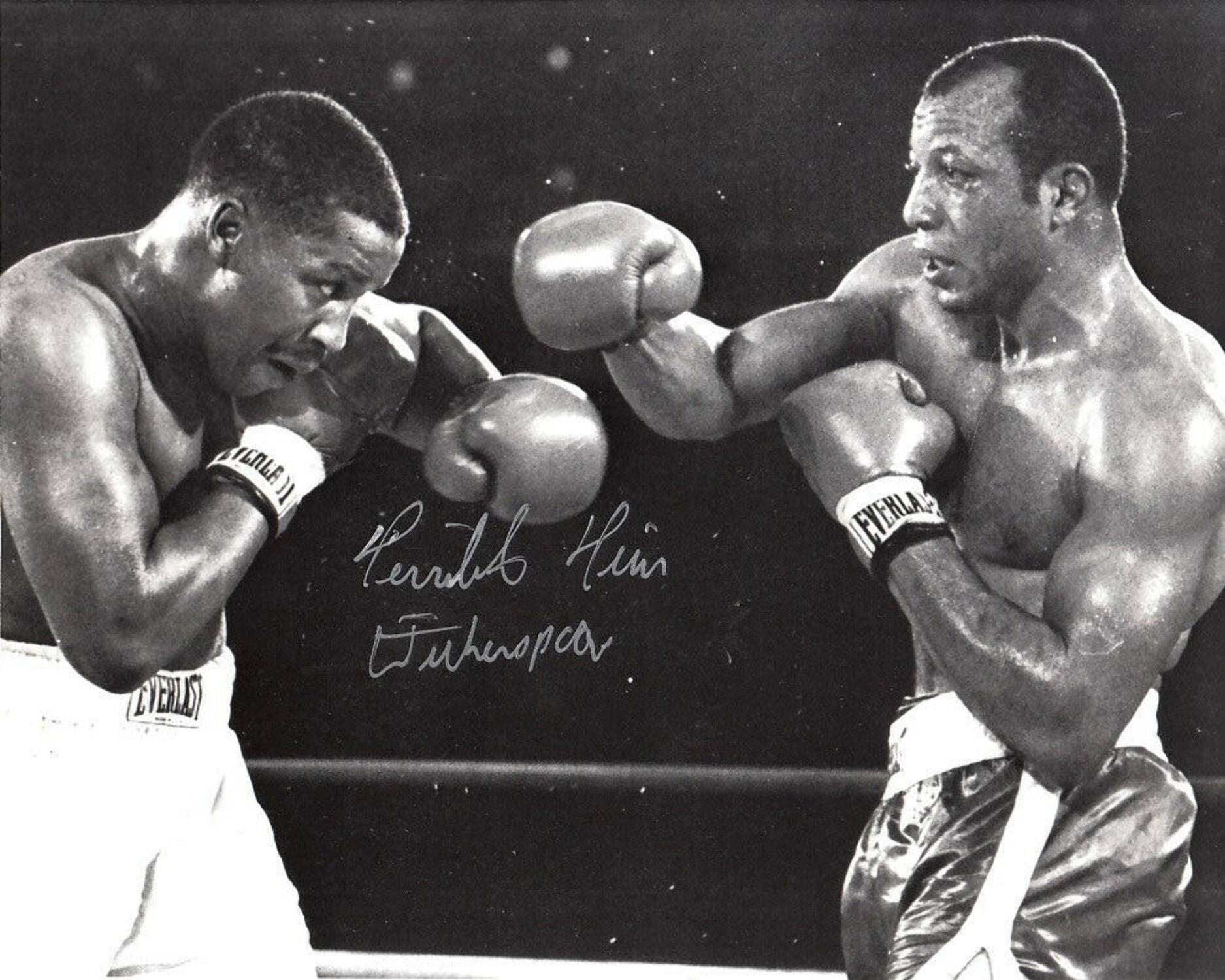
- WBA Title (1986): After losing his WBC belt under questionable circumstances, he traveled to London to face Frank Bruno. Witherspoon’s TKO victory in the 11th round remains one of the most significant wins by an American heavyweight on British soil.
The Bruno fight, in particular, was a massive commercial success. Held at Wembley Stadium, it drew a huge live gate and significant television revenue. However, this period also marked the peak of Witherspoon’s frustration with his promoter, Don King, which would eventually lead to a multi-million dollar legal confrontation.
The Don King Lawsuit: A Turning Point for Witherspoon’s Wealth
The most significant factor affecting Tim Witherspoon's net worth is his historical legal battle against promoter Don King. Witherspoon famously alleged that he was being defrauded of his rightful earnings through a series of "black box" accounting maneuvers and conflicting contracts.
In the mid-1980s, Witherspoon discovered that while his contracts stated a certain purse amount, secondary contracts and "service fees" were being used to siphon off a majority of the funds to King’s associates and family members. Witherspoon claimed that for the Frank Bruno fight—one of the biggest of his career—he received only a fraction of the multi-million dollar revenue generated.
The $25 Million Lawsuit and Settlement
In 1987, Witherspoon sued Don King for $25 million, alleging racketeering and fraud. The legal battle lasted for years, effectively stalling his career during his athletic prime.
- The Claim: Witherspoon argued that King’s control over both the promoter and manager roles (often through surrogates) was a conflict of interest that allowed King to take up to 50% or more of his purses.
- The Outcome: In 1993, the case was settled out of court for $1 million.
- The Reality: After paying years of accumulated legal fees, taxes, and outstanding debts, Witherspoon reportedly walked away with less than half of that settlement.
This settlement, while a moral victory, was a financial disappointment compared to the tens of millions earned by contemporaries who managed to avoid such entanglements. It is the primary reason why his 2026 net worth is measured in the hundreds of thousands rather than the tens of millions.
Estimated Career Purses and Financial Outcomes
The following table outlines the estimated gross purses for some of Tim Witherspoon's most significant bouts. It is important to note that these figures represent the contracted gross, not the take-home pay after taxes, training camp costs, and promoter deductions.
| Opponent | Year | Estimated Gross Purse | Outcome |
|---|---|---|---|
| Larry Holmes | 1983 | $250,000 | Loss (Split Decision) |
| Greg Page | 1984 | $500,000 | Win (WBC Title) |
| Pinklon Thomas | 1984 | $450,000 | Loss (Title Defense) |
| Tony Tubbs | 1986 | $300,000 | Win (WBA Title) |
| Frank Bruno | 1986 | $1,800,000 | Win (WBA Defense) |
| James Smith | 1986 | $1,000,000 | Loss (Title Defense) |
| Ray Mercer | 1996 | $350,000 | Loss |
Note: Purse figures are based on historical sports reporting and archival contract data. Actual payouts were frequently subject to heavy deductions.
Life After the Ring: Post-Career Revenue Streams
Tim Witherspoon did not retire into a life of leisure. Like many fighters of his generation, he had to remain active to maintain his lifestyle and cover his living expenses. In 2026, his income is derived from several specialized avenues within the boxing industry.
Training and Mentorship
Witherspoon is highly regarded as a technical expert in the "Philly Shell" defense and traditional heavyweight boxing mechanics. He operates "Witherspoon’s Boxing & Fitness," where he trains both professional prospects and white-collar boxers. His reputation as a former two-time champion allows him to command premium rates for private coaching and seminars.
Media Appearances and Commentary
With the explosion of boxing media and streaming platforms, Witherspoon has remained a relevant figure. He is frequently invited to provide expert commentary for international broadcasts and appears on various sports podcasts and YouTube channels. These appearances provide a steady, albeit modest, stream of supplemental income.
Memorabilia and Autograph Circuits
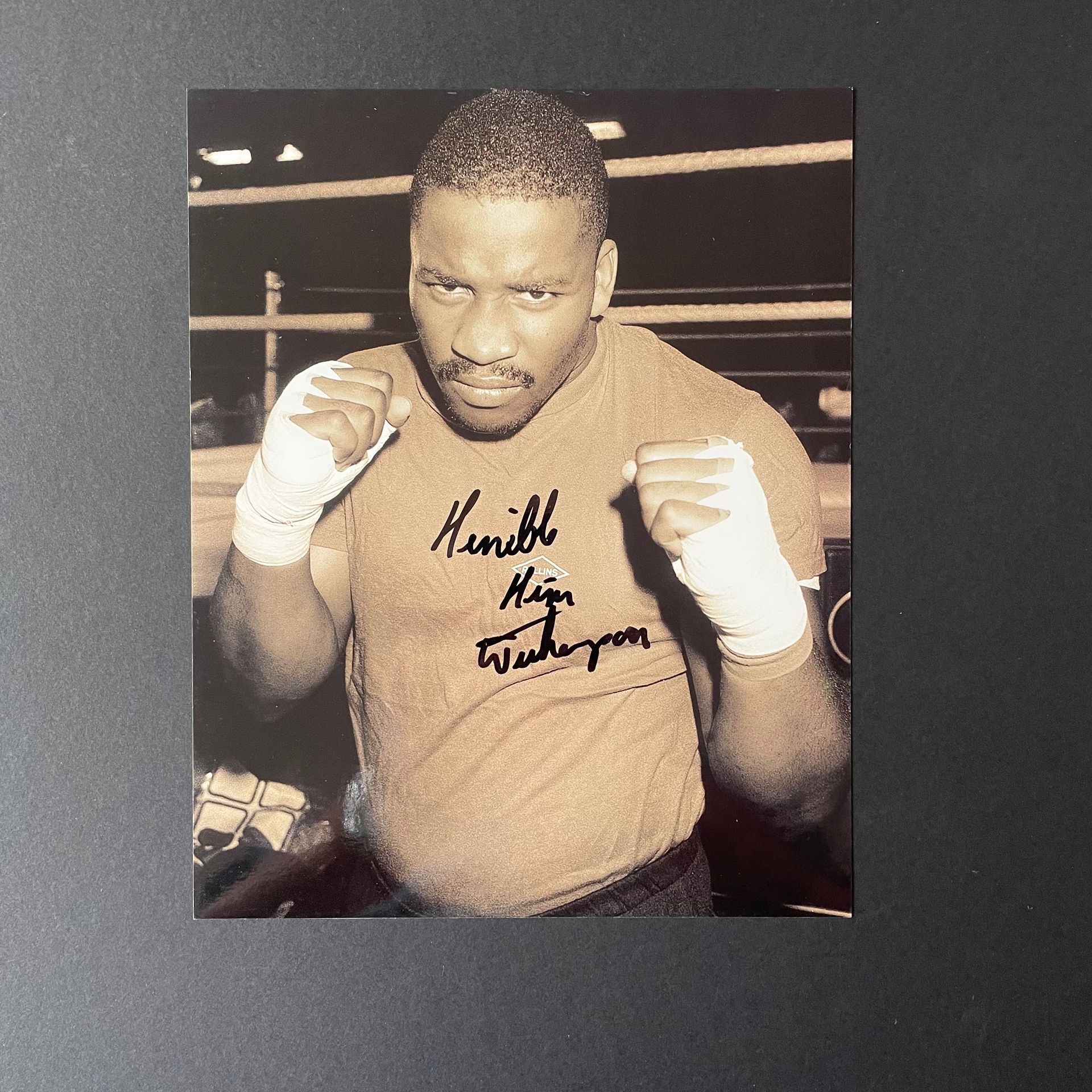
The nostalgia for 1980s heavyweight boxing remains strong in 2026. Witherspoon is a regular fixture at boxing conventions and memorabilia signings. While not as lucrative as those for Mike Tyson or Evander Holyfield, his autographs and "meet-and-greet" sessions contribute to his annual earnings.
Autobiography and Intellectual Property
His autobiography, Terrible Times, provided an honest look at the corruption in boxing. While book royalties rarely make an athlete "rich," the publication solidified his brand as a survivor of the sport’s most difficult era, leading to speaking engagements and consulting roles for boxing documentaries.
Assessing Tim Witherspoon's Assets in 2026
Evaluating the net worth of a retired athlete involves looking at their lifestyle and asset retention. Witherspoon resides in the Philadelphia/New Jersey area, maintaining a modest and respectable lifestyle.
Unlike many of his peers who suffered from debilitating health issues or total bankruptcy, Witherspoon has managed to retain his cognitive health and a stable financial base. His wealth is "working wealth"—meaning it is supported by his ongoing involvement in the sport rather than a massive investment portfolio.
His primary assets include:
- Real Estate: Ownership of a primary residence in a stable suburban market.
- Business Equity: Ownership of his training and fitness brand.
- Pension and Social Security: As an older retired athlete, these standard government and union-backed (where applicable) payments provide a safety net.
Frequently Asked Questions
How much did Tim Witherspoon make for the Frank Bruno fight?
While the gross revenue for the 1986 fight at Wembley was in the millions, Witherspoon's contracted purse was approximately $1.8 million. However, after promoter cuts and management fees, he famously claimed he received only a small fraction of that amount, which became a central point in his lawsuit against Don King.
Did Tim Witherspoon ever go bankrupt?
Witherspoon faced significant financial hardship during the late 1980s and early 1990s due to his legal battles and lack of fights. While he struggled with liquidity and owed significant amounts in legal fees, he has managed to avoid the total financial collapse seen by some other heavyweight champions, largely through his post-career work as a trainer.
Why is Tim Witherspoon's net worth lower than other champions?
The primary reason is the era in which he fought and his specific promotional situation. Most of his peak earning years were spent in a legal deadlock with Don King. Additionally, Witherspoon did not have the massive endorsement deals or "pay-per-view" percentages that modern champions like Tyson Fury or Anthony Joshua enjoy.
Is Tim Witherspoon still involved in boxing in 2026?
Yes, he remains very active as a trainer and consultant. He is frequently seen at major heavyweight bouts and continues to run his gym, where he teaches the technical skills that made him a two-time champion.
What was the final settlement from the Don King lawsuit?
In 1993, Witherspoon settled his $25 million lawsuit against Don King for $1 million. After taxes and the high costs of a six-year legal battle, the actual amount he kept was significantly lower, estimated to be around $400,000 to $500,000.
Final Perspective: Success Beyond the Dollar Sign
When discussing Tim Witherspoon's net worth in 2026, it is essential to distinguish between financial wealth and professional legacy. While he may not possess the hundreds of millions associated with the modern boxing elite, his status as a two-time champion and a man who stood up to the promotional giants of his era gives him a unique "cultural capital."
For those looking to learn from Witherspoon’s journey, the lesson is clear: athletic success must be paired with financial literacy and independent legal counsel. Tim Witherspoon’s ability to maintain a net worth of nearly $1 million in 2026, despite the obstacles he faced, is a testament to his durability and his enduring value to the sport of boxing.
Image Gallery