Understanding the Average Wage for Pharmacy Technicians Today: What the Numbers Mean
The average wage for a pharmacy technician today reflects a shifting healthcare landscape influenced by rising demand, evolving state regulations, expanded clinical responsibilities, and ongoing workforce shortages. While national medi...
The average wage for a pharmacy technician today reflects a shifting healthcare landscape influenced by rising demand, evolving state regulations, expanded clinical responsibilities, and ongoing workforce shortages. While national median figures provide a broad baseline, true compensation varies widely depending on certification status, geographic location, practice setting, and years of experience.
Contents
Examining compensation data requires looking past a single national statistic to understand the underlying structural elements of the profession. As pharmacies take on greater roles in patient care—including immunizations, point-of-care testing, and medication therapy management—the expectations placed on pharmacy technicians have grown significantly. This comprehensive analysis breaks down what pharmacy technician wages look like today, the factors driving those numbers, and what professionals can expect from their career earnings trajectory.
The National Landscape of Pharmacy Technician Compensation
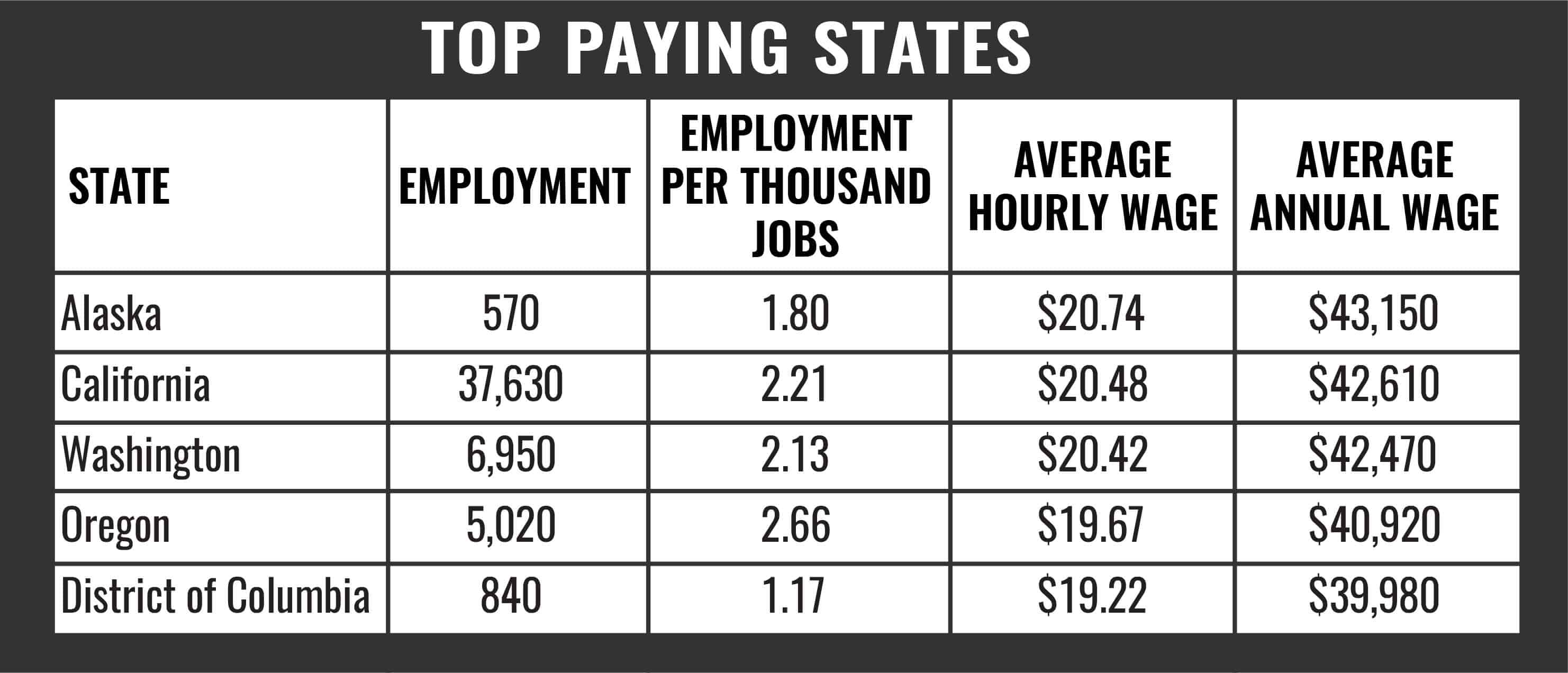
When evaluating what the average wage for a pharmacy technician means today, it is essential to establish baseline statistical benchmarks provided by authoritative labor reporting agencies. According to the United States Bureau of Labor Statistics (BLS), the median hourly wage for pharmacy technicians sits around $18.50 to $20.00 per hour, translating to an annual mean or median salary of roughly $38,000 to $42,000 for full-time employment.
However, a median figure represents the exact midpoint of earnings; half of all technicians earn more than this amount, and half earn less. Entry-level staff working in rural retail environments may start closer to minimum wage or slightly above, while specialized or senior technicians in institutional settings can command significantly higher hourly rates.
Furthermore, "today's" wage figures must be contextualized within broader economic conditions. Inflationary pressures and intense competition for talent across the healthcare and retail sectors have pushed starting wages upward over recent years. Major retail pharmacy chains have progressively raised base pay scales to attract and retain staff, shifting historical baseline expectations for the profession.
Key Factors That Influence Pharmacy Technician Pay
Not all pharmacy technicians are compensated equally. Individual earnings are governed by a combination of credentials, work environment, geography, and responsibilities. Understanding these levers is vital for anyone assessing career growth or negotiating compensation.
1. Certification and Licensure Status
The single most effective way for a pharmacy technician to increase earning potential is to obtain national certification.
- State Registration vs. National Certification: Most states require technicians to register or be licensed with the state Board of Pharmacy. However, passing a nationally recognized exam—such as the Pharmacy Technician Certification Exam (PTCE) administered by the Pharmacy Technician Certification Board (PTCB), or the Exam for the Certification of Pharmacy Technicians (ExCPT) offered by the National Healthcareer Association (NHA)—sets workers apart.
- Pay Differentials: Certified Pharmacy Technicians (CPhTs) typically command an immediate pay bump over uncertified trainees. Many employers tie career ladders and hourly step increases directly to active certification status.
2. Practice Setting and Employer Type
Where a pharmacy technician works heavily influences their compensation structure. High-volume retail stores operate on different financial models than specialized hospital systems or mail-order fulfillment centers.
- Retail Pharmacies (Community Pharmacies): Chain pharmacies and independent community shops generally offer competitive entry-level wages, but pay growth can sometimes plateau unless a technician moves into a management or lead role.
- Hospitals and Health Systems: Inpatient hospital pharmacies, outpatient clinics, and health-system pharmacies typically pay higher average wages. These environments often require advanced skills, such as sterile compounding (IV preparation), hazardous drug handling, and electronic health record (EHR) navigation.
- Mail-Order and Specialty Pharmacies: Large centralized facilities focus on high-volume dispensing or complex medication therapies. These settings often offer stable shift schedules and competitive hourly wages, though they may lack direct patient interaction.
3. Geographic Location and Cost of Living
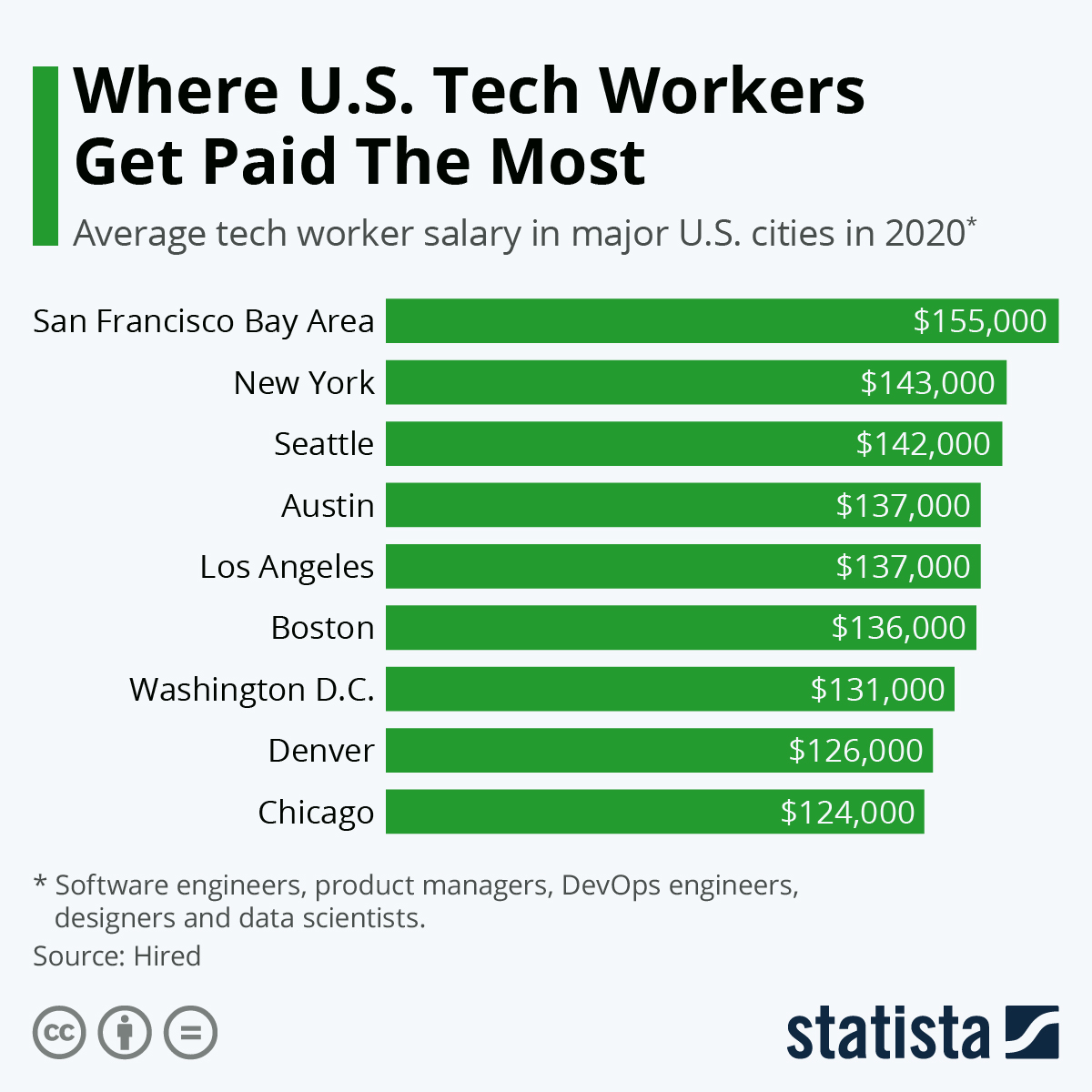
Geography remains a dominant variable in wage calculations. Technicians practicing in metropolitan areas with a high cost of living—such as San Francisco, New York City, or Seattle—tend to earn substantially higher hourly rates than their counterparts in rural areas of the Midwest or the South. However, these nominal wage increases must be weighed against local housing, transportation, and tax expenses. State-specific regulatory requirements also play a role; states with rigorous training and continuing education mandates often see correspondingly higher average wage baselines.
Comparing Compensation Across Pharmacy Settings
To better understand how setting affects earnings, the following table outlines the general characteristics and comparative wage tiers for pharmacy technicians across primary employment sectors.
| Practice Setting | Typical Wage Tier | Key Responsibilities | Growth Potential |
|---|---|---|---|
| Independent Retail | Moderate | Customer service, data entry, insurance billing, stock management | Varies by owner; close mentorship opportunities |
| Chain Retail | Moderate to High | High-volume dispensing, immunizations support, point-of-sale, scheduling | Structured corporate rungs (Lead Tech, Trainer) |
| Hospital / Inpatient | High | Sterile compounding, unit-dose packaging, cart filling, emergency floor support | Specialized clinical tracks, supervisor roles |
| Long-Term Care / Mail-Order | Moderate to High | Automated dispensing system oversight, bulk processing, logistics | Operations management, inventory coordination |
Expanding Responsibilities and Advanced Roles
The definition of a "standard" pharmacy technician role is changing. Modern technicians are no longer restricted to counting pills, typing prescriptions, and ringing up cash registers. State boards of pharmacy increasingly permit qualified technicians to perform advanced duties under pharmacist supervision.
- Immunization Administration: In many jurisdictions, technicians who complete accredited training programs can administer vaccines (such as influenza, shingles, and COVID-19 boosters).
- Medication Reconciliation: In hospital settings, technicians interview patients upon admission to compile accurate medication histories, directly impacting patient safety and clinical workflows.
- Tech-Check-Tech Programs: Advanced practice models allow certified technicians to verify medication fills performed by other technicians in institutional settings, freeing up pharmacists for clinical consultations.
These advanced competencies directly influence the average wage conversation. Technicians who acquire specialized certifications (such as sterile compounding certificates or immunization credentials) position themselves for higher pay grades and leadership titles.
Benefits, Total Compensation, and Career Longevity
Looking only at hourly wages tells an incomplete story. Total compensation packages often include health insurance, retirement matching (such as 401(k) plans), paid time off (PTO), tuition reimbursement, and uniform allowances. For individuals weighing career options, the inclusion of robust health and retirement benefits can significantly increase the real value of employment, particularly within large hospital networks and corporate healthcare systems.
Furthermore, viewing the pharmacy technician role as a static job can overlook its value as a stepping stone. Many professionals use the role as foundational experience before pursuing higher education in healthcare, such as nursing, healthcare administration, or pharmacy school (Pharm.D.). For those who choose to remain in the field, career longevity is supported by ongoing professional development, specialized credentials, and supervisory advancement.
Frequently Asked Questions
What is the typical starting wage for an entry-level pharmacy technician?
Entry-level wages generally range from $15.00 to $17.00 per hour, depending on the state, local minimum wage laws, and whether the employer provides on-the-job training programs for uncertified candidates. Obtaining a license or provisional registration is typically required before or immediately upon starting employment.
Does national certification automatically increase my pay?
While certification does not guarantee a specific salary increase by law, most employers offer a pay differential—ranging from $1.00 to $3.00 more per hour—for certified pharmacy technicians (CPhTs). Certification also unlocks eligibility for advanced positions in hospitals and specialized care facilities that pay higher baseline wages.
Why do hospital pharmacy technicians often earn more than retail technicians?
Hospital environments frequently require advanced technical proficiencies, such as sterile compounding of intravenous (IV) medications, chemotherapy handling, and complex inventory tracking. The higher stakes, specialized training requirements, and institutional pay scales generally result in higher average wages compared to standard community retail settings.
How does geography impact a pharmacy technician's take-home pay?
Geographic location affects wages primarily through local labor demand and cost-of-living adjustments. Urban centers and states with strict regulatory frameworks tend to offer higher nominal wages to offset living costs and attract qualified talent, whereas rural areas may feature lower wages alongside a correspondingly lower cost of living.
What are the best ways for a pharmacy technician to increase their earnings?
Technicians can maximize their earning potential by obtaining national certification (PTCB or ExCPT), completing specialized training programs (such as sterile compounding or immunization administration), moving from retail environments to hospital or health-system settings, and pursuing leadership or training roles within their organization.
Next Actions for Current and Aspiring Technicians
For individuals evaluating their current compensation or planning a career path in pharmacy, actionable steps can help optimize earnings. Review local job postings across different sectors—such as comparing a community chain to a regional health system—to understand prevailing rates in your specific market. If you are currently uncertified, prioritize registering for a national certification exam and exploring employer-sponsored tuition or exam reimbursement programs. By combining formal credentials with specialized operational skills, pharmacy technicians can successfully navigate today's wage landscape and position themselves for long-term career advancement.
Image Gallery