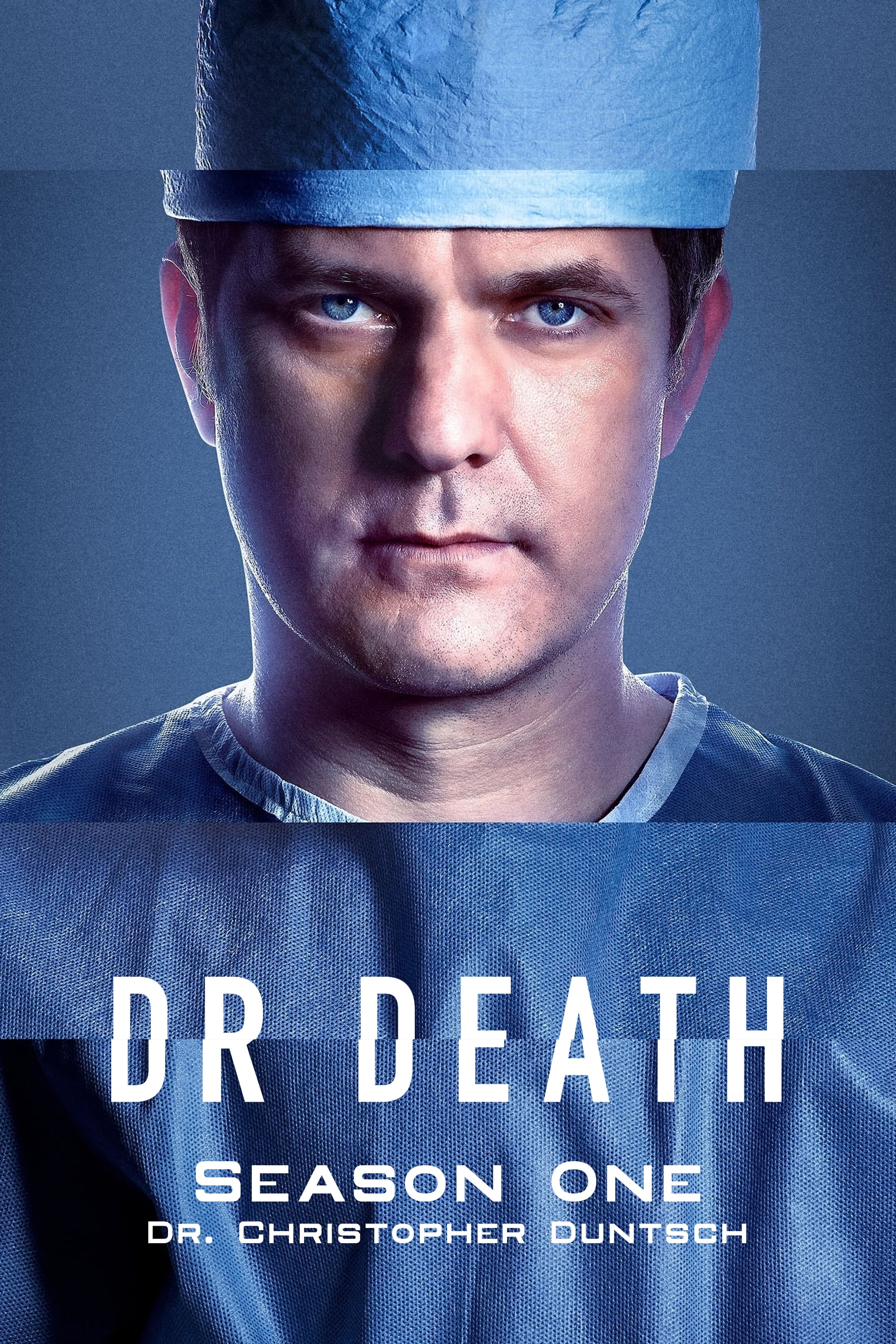
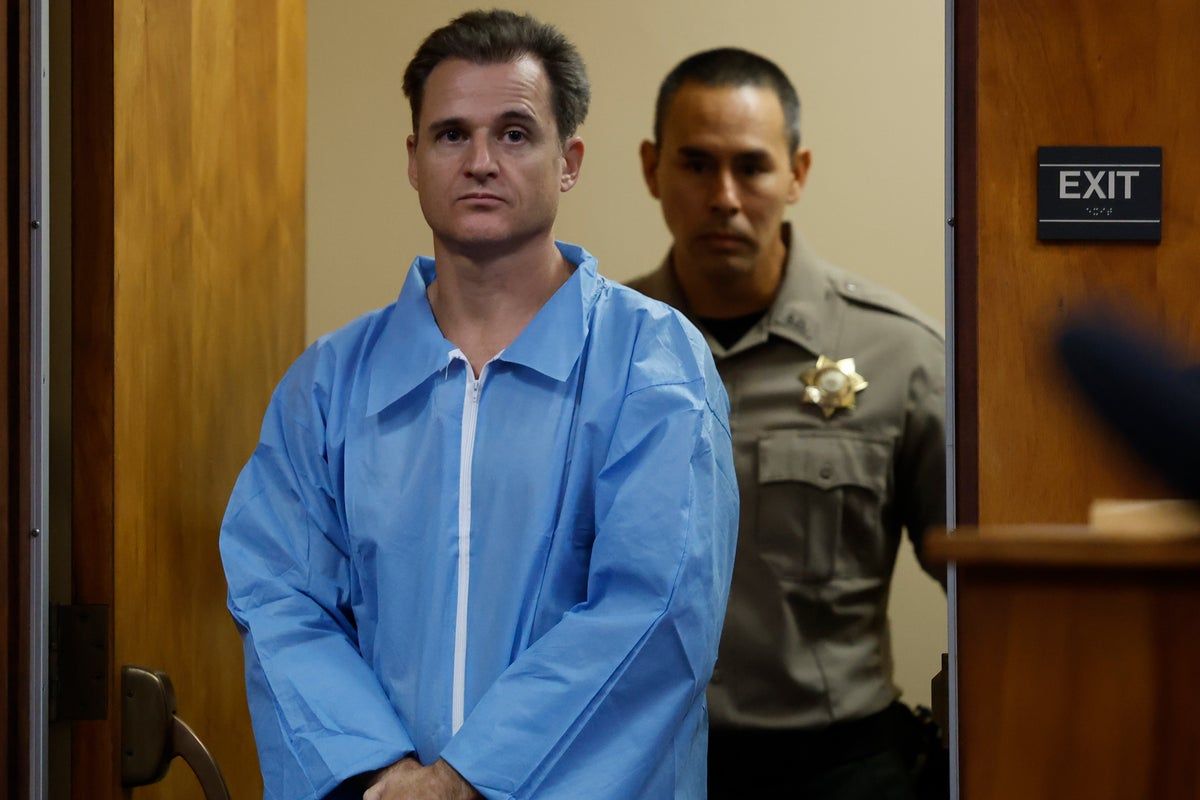
The Doctor Death Case: Criminal Liability, Systemic Medical Failures, and Legal Precedents
The phrase "the Doctor Death case" primarily refers to the unprecedented criminal prosecution of Dr. Christopher Duntsch, a Dallas-area neurosurgeon convicted in 2017 of injury to an elderly person after routinely maiming and killing p...
The phrase "the Doctor Death case" primarily refers to the unprecedented criminal prosecution of Dr. Christopher Duntsch, a Dallas-area neurosurgeon convicted in 2017 of injury to an elderly person after routinely maiming and killing patients. The case established a critical legal precedent by crossing the threshold from civil medical malpractice into felony criminal accountability for surgical harm.
Contents
Disambiguating "Doctor Death": Key Historical Figures and Cases
While the moniker "Doctor Death" gained widespread contemporary public attention through the prosecution of Dr. Christopher Duntsch and subsequent media adaptations, the media and legal historians have applied the label to several distinct high-profile medical cases over the past several decades. Understanding the legal context of the term requires distinguishing between these vastly different criminal and ethical cases.
- Dr. Christopher Duntsch (Dallas, Texas): A trained neurosurgeon who operated on 38 patients in the Dallas-Fort Worth metroplex between 2011 and 2013. His extreme gross negligence and surgical incompetence left 33 patients severely paralyzed, injured, or impaired, and resulted in the deaths of two patients. His 2017 conviction marked one of the first times a physician faced life imprisonment for surgical actions performed inside an operating room.
- Dr. Harold Shipman (United Kingdom): An English general practitioner convicted in 2000 of murdering 15 of his patients using lethal doses of diamorphine, though an official inquiry estimated his actual victim count at over 250. Shipman's case led to massive structural overhauls in the UK's death certification process and the General Medical Council's regulatory oversight.
- Dr. Jack Kevorkian (Michigan, United States): An American pathologist who became a central, controversial figure in the assisted dying movement. Kevorkian publicly advocated for and assisted in the voluntary euthanasia of over 130 terminally ill individuals, leading to his 1999 second-degree murder conviction for administering a lethal injection directly in the case of Thomas Youk.
- Dr. Michael Swango (United States and Zimbabwe): An American physician and serial killer who secretly poisoned patients and co-workers with arsenic and other toxins across multiple medical facilities in the 1980s and 1990s. Swango pled guilty in 2000 to killing three patients and is serving life without parole.
The primary legal focus when examining "the Doctor Death case" in modern American criminal jurisprudence remains the Christopher Duntsch trial, as it directly tested the boundary between civil clinical negligence and criminal assault.
The Christopher Duntsch Case: A Chronology of Malpractice to Criminal Prosecution
Christopher Duntsch completed a neurosurgery residency and a spine fellowship at the University of Tennessee Health Science Center, earning both an MD and a PhD. Despite impressive academic credentials on paper, his practical surgical training was significantly compromised. Reports later revealed that Duntsch participated in far fewer surgical procedures during residency than the standard minimum required for neurosurgical competency, while also facing allegations of substance abuse during his training.
Upon entering private practice in the Dallas-Fort Worth region in 2011, Duntsch began performing complex spinal procedures at several hospitals, including Baylor Regional Medical Center at Plano and Dallas Medical Center. Over a 17-month period, his surgical interventions repeatedly resulted in catastrophic outcomes. He severed major nerves, placed spinal hardware into soft tissue rather than bone, lacerated major blood vessels, and left surgical sponges inside patient cavities.
- 2011: Begins spinal surgery practice in Dallas-Fort Worth metroplex.
- 2012: Multiple catastrophic surgical outcomes; resigns under suspicion.
- 2013: License suspended by Texas Medical Board after whistleblower intervention.
- 2015: Indicted by Dallas County grand jury on multiple felony counts.
- 2017: Convicted of Injury to an Elderly Person; sentenced to life in prison.
- 2026: Duntsch remains incarcerated serving a life sentence (eligible 2045).
Despite mounting surgical disasters, administrative protections and institutional liability fears delayed decisive intervention. Hospitals allowed Duntsch to resign quietly rather than formally firing him, enabling him to secure surgical privileges at subsequent medical facilities. This systemic failure allowed his destructive surgical record to continue until public action and whistleblower intervention halted his medical license.
The Administrative Gap and Reporting Failures
A central breakdown in the Duntsch affair was the misuse of hospital credentialing practices. Under federal and state laws, hospitals must report adverse actions and physician privilege revocations to the National Practitioner Data Bank (NPDB). However, to avoid costly legal litigation and public exposure, institutions often allowed Duntsch to voluntary surrender his privileges or resign without immediate formal reporting.
Consequently, destination facilities conducting routine credential checks received incomplete pictures of his active clinical standing. By the time the Texas Medical Board emergency-suspended his license in July 2013, 38 patients had undergone operations at his hands.
The Role of Whistleblowers
The eventual suspension and criminal prosecution of Duntsch were driven primarily by two Dallas physicians: Dr. Robert Henderson, an experienced orthopedic spine surgeon, and Dr. Randall Kirby, a vascular surgeon. Both doctors witnessed the aftermath of Duntsch’s operations while attempting revision surgeries on his severely injured patients.
Recognizing that standard peer review mechanisms were failing to halt his practice, Henderson and Kirby gathered medical records, authored detailed clinical summaries of the botched surgeries, and aggressively petitioned the Texas Medical Board and local law enforcement prosecutors to intervene. Their persistent documentation provided the evidentiary foundation required for criminal investigators to act.
Criminal Charges vs. Civil Malpractice: Legal Precedents
Under standard medical jurisprudence, adverse surgical outcomes, negligence, and gross errors are litigated in civil courts through medical malpractice suits. Civil law requires plaintiffs to prove by a preponderance of the evidence that a healthcare provider breached the acceptable standard of care, directly causing injury or financial damages.
Criminal charges against a licensed physician for surgical actions require an entirely different legal threshold: proving criminal intent (mens rea) or extreme, depraved recklessness beyond a reasonable doubt.
| Feature | Civil Medical Malpractice | Criminal Prosecution (Duntsch) |
|---|---|---|
| Standard of Proof | Preponderance of the evidence | Beyond a reasonable doubt |
| Core Focus | Breach of standard of care | Criminal intent or extreme recklessness |
| Typical Outcome | Financial compensation / Damages | Incarceration / Criminal record |
| Regulatory Basis | Tort law | State Penal Code |
Texas Penal Code and Injury to an Elderly Person
To secure a conviction that would carry a substantial sentence, Dallas County prosecutors focused their lead criminal charge on the case of Mary Efurd, a 74-year-old patient who was left permanently paralyzed after Duntsch performed a lumbar fusion in 2012.
Instead of pursuing standard medical negligence arguments, District Attorney prosecutors indicted Duntsch under Texas Penal Code § 22.04—Injury to a Child, Elderly Individual, or Disabled Individual. Under Texas law, intentionally, knowingly, or recklessly causing serious bodily injury to an elderly person is a first-degree felony.
Establishing the Mens Rea
The primary hurdle for the prosecution was demonstrating that Duntsch acted intentionally or recklessly rather than merely unskilfully. Prosecutors presented evidence showing that:
- Duntsch had been explicitly warned by operating room staff and colleague surgeons during active procedures that he was placing hardware incorrectly and severing crucial anatomical structures.
- He ignored immediate visual and neurological indicators of catastrophic damage during surgery.
- He possessed advanced academic knowledge (holding an MD and PhD), proving he fully understood the life-altering consequences of his surgical actions.
- Disturbing written communications, including an email in which he declared a desire to become a "cold-blooded killer," were submitted to demonstrate a depraved state of mind.
In February 2017, the jury found Duntsch guilty of injury to an elderly person. He was sentenced to life imprisonment. Appeals challenging the verdict were denied, and as of 2026, he remains incarcerated in the Texas Department of Criminal Justice system, becoming eligible for parole consideration in 2045.
Impact of Texas Tort Reform on the Criminal Prosecution
Ironically, Texas civil law dynamics accelerated the criminal prosecution of Duntsch. In 2003, Texas enacted comprehensive tort reform measures, including House Bill 4 (HB 4), which placed a strict $250,000 cap on non-economic damages (such as pain and suffering) in medical malpractice lawsuits against individual healthcare providers.
These strict caps, combined with high statutory hurdles protecting hospital peer-review records, made civil malpractice litigation financially unviable for many law firms representing Duntsch's victims. Because the civil court system proved largely inaccessible for obtaining full restitution or shutting down his practice, victims and advocates focused heavily on law enforcement agencies, shifting the battleground directly into criminal court.
Legal and Regulatory Comparative Matrix
The table below contrasts the distinct legal charges, mechanisms, and outcomes across the primary physician criminal cases historically designated as "Doctor Death."
| Physician Name | Primary Jurisdiction | Primary Criminal Charge(s) | Key Legal Outcome / Sentence | Primary Regulatory Impact |
|---|---|---|---|---|
| Christopher Duntsch | Texas, United States | Injury to an Elderly Person (First-Degree Felony) | Life Imprisonment (Convicted 2017) | Exposing hospital non-reporting loops; tightening peer-review accountability. |
| Harold Shipman | England, United Kingdom | 15 Counts of Murder; 1 Count of Forgery | 15 Life Sentences without parole (Convicted 2000) | Creation of the Shipman Inquiry; overhaul of UK death certification and coroner systems. |
| Jack Kevorkian | Michigan, United States | Second-Degree Murder; Delivery of Controlled Substance | 10 to 25 Years Imprisonment (Convicted 1999) | National legal boundary definitions for assisted dying vs. criminal homicide. |
| Michael Swango | Federal / Ohio, United States | Multiple counts of Murder and Intentional Poisoning | Life Imprisonment without Parole (Pled Guilty 2000) | Stricter background verification across multi-state medical licensing boards. |
Institutional Accountability and Systemic Reforms
The fallout from the Christopher Duntsch case exposed deep structural flaws in healthcare regulatory oversight, medical credentialing, and physician discipline.
Peer Review Privilege and Liability Protection
Historically, hospital peer-review proceedings were kept strictly confidential under state statutes designed to encourage open self-policing among medical staff without fear of civil discovery. In the Duntsch case, this confidentiality prevented destination facilities and patients from accessing warning signs from prior hospitals.
In the years following the trial, legal scholars and state legislatures evaluated adjustments to peer-review statutes. The goal was ensuring that credible threats to patient safety could be shared directly between hospital credentialing committees and licensing boards without exposing reporting institutions to legal liability from the disciplined physician.
National Practitioner Data Bank (NPDB) Improvements
The federal National Practitioner Data Bank serves as a primary clearinghouse for medical malpractice payments and adverse licensing actions. However, historical loopholes allowed hospitals to bypass mandatory reporting by allowing doctors to resign during an "investigation" before the investigation formally opened on paper.
Subsequent guidance by the Health Resources and Services Administration (HRSA) clarified that any surrender of privileges while a practitioner is under actual or potential review must be reported immediately to the NPDB to prevent dangerous practitioners from moving between jurisdictions undetected.
How Patients Can Verify Physician Credentials
While systemic legal controls continue to evolve, healthcare consumer advocacy organizations recommend that individuals proactively verify physician credentials prior to undergoing elective surgical procedures.
- Step 1: Verify State License Status via State Medical Board Database.
- Step 2: Confirm Board Certification via ABMS or AOA Portals.
- Step 3: Check Hospital Affiliations and Active Clinical Privileges.
- Step 4: Search Public Court Records for Active Civil or Criminal Actions.
- Step 5: Obtain Second Opinions from Independent Medical Specialists.
1. State Medical Board Verification
Patients should search their state's official medical board licensing portal (e.g., the Texas Medical Board). These databases disclose:
- Current license status (Active, Suspended, Revoked, Cancelled).
- Formal public disciplinary orders or administrative penalties.
- Out-of-state license actions.
- History of criminal convictions.
2. Board Certification Audits
Verification through the American Board of Medical Specialties (ABMS) confirms whether a physician completed an accredited residency and passed rigorous specialty examinations. While non-certified doctors may legally practice medicine, board certification ensures adherence to established educational standards.
3. Independent Second Opinions
For non-emergency major surgical interventions, consulting an independent specialist affiliated with a different hospital network helps ensure that proposed treatment plans align with established standard-of-care protocols.
Frequently Asked Questions
Why was Christopher Duntsch charged criminally instead of only facing civil malpractice lawsuits?
Duntsch was prosecuted criminally because his surgical actions transcended standard negligence or medical error. His continuous pattern of causing severe harm despite explicit warnings from operating staff demonstrated a depraved disregard for human life, meeting the legal standard for criminal recklessness under Texas Penal Code § 22.04. Furthermore, Texas tort reform laws capped civil damages, limiting civil legal remedies for victims and placing greater focus on criminal justice options.
What sentence did Dr. Christopher Duntsch receive, and where is he now?
Duntsch was sentenced to life imprisonment in February 2017 following his conviction for injury to an elderly person. As of 2026, he remains incarcerated in the Texas Department of Criminal Justice system. He will not become eligible to apply for parole until 2045.
Did the hospitals where Duntsch operated face legal liability?
Several hospitals where Duntsch held privileges faced civil lawsuits from injured patients and family members. While hospital peer-review protections and Texas tort caps created significant defense barriers for institutions, legal claims asserted gross negligence in credentialing practices—alleging that administrators allowed a known dangerous surgeon to operate to protect institutional revenue and avoid administrative friction.
How did the Duntsch case change hospital credentialing policies?
The case prompted stricter compliance and audit rules surrounding physician credentialing. Regulatory agencies strengthened definitions around what constitutes an administrative investigation, closing loopholes that allowed doctors facing peer review to quietly resign without triggering mandatory reporting to state boards or the National Practitioner Data Bank.
Can a doctor be charged with murder for a surgery gone wrong?
Yes, under exceptional circumstances. If prosecutors can establish beyond a reasonable doubt that a physician acted with intentional malice, extreme indifference to human life (depraved-heart murder), or under the influence of illegal substances while performing surgery, criminal charges ranging from manslaughter to murder can be filed under state statutes.
Practical Recommendations for Patients and Advocates
Navigating healthcare safety requires structured diligence, particularly when evaluating invasive procedures.
- Conduct Dual-Layer Background Checks: Always cross-reference a surgeon's standing on both state medical board registries and board certification databases. Do not rely solely on hospital marketing profiles or physician review websites.
- Request Hospital Facility Credentials: Confirm that the surgeon holds active clinical privileges for the specific procedure at a accredited, tertiary-care hospital facility, which generally enforces stricter peer-review oversight than independent surgical centers.
- Document Pre-Operative Discussions: Retain clear written notes regarding surgical risks, expected outcomes, and the planned involvement of surgical assistants, fellows, or residents.
- Report Unsafe Medical Practices: Healthcare workers and patients who observe egregious departures from basic medical standards should report findings directly to state medical licensing authorities and the Department of Health and Human Services rather than relying exclusively on internal facility complaint processes.
Image Gallery