Navigating the Complexities of Commercial Auto Insurance Issues Facing Businesses
Businesses operating vehicles face a complex risk environment driven by soaring litigation costs, severe driver shortages, rising vehicle repair expenses, and shifting regulatory frameworks. These market pressures have translated into...
Businesses operating vehicles face a complex risk environment driven by soaring litigation costs, severe driver shortages, rising vehicle repair expenses, and shifting regulatory frameworks. These market pressures have translated into steep premium increases, stricter underwriting standards, and reduced coverage limits across the commercial auto insurance sector.
Contents
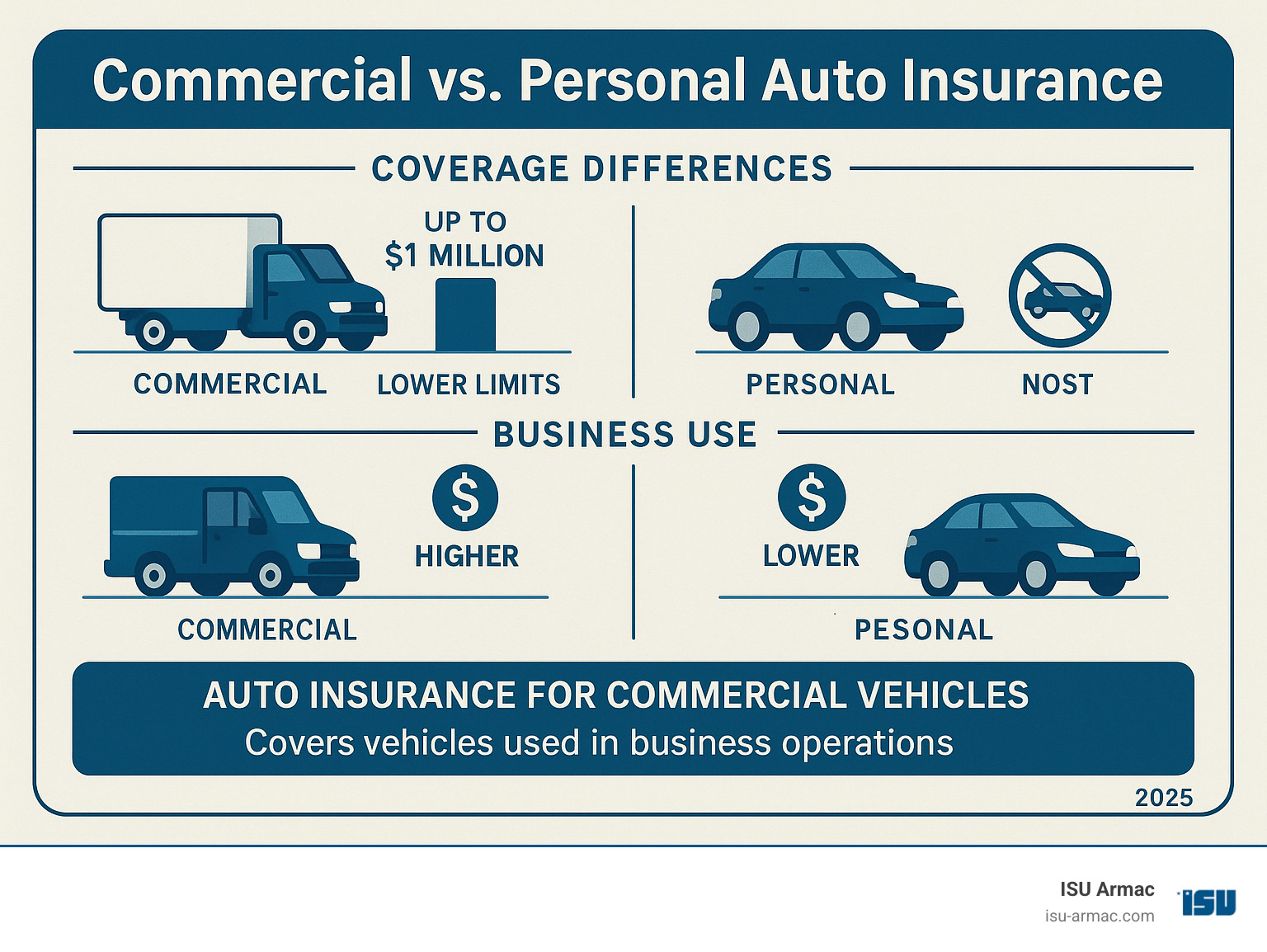
The commercial auto insurance market has experienced profound structural changes over the past several years, creating severe operational and financial hurdles for businesses of all sizes. Unlike personal auto insurance, commercial policies cover a diverse array of vehicle classes—ranging from small delivery sedans to heavy-duty tractor-trailers—and carry significantly higher liability exposure.
For fleet managers, small business owners, and corporate risk officers, understanding these industry-wide headwinds is critical to maintaining adequate protection while controlling overhead costs. Below is a comprehensive examination of the core issues currently facing the commercial auto insurance sector, along with actionable strategies to mitigate risk and stabilize premiums.
The Macroeconomic Pressures Driving Rate Hikes
Insurance carriers writing commercial auto policies have faced consecutive years of underwriting losses. Several macroeconomic and industry-specific factors continue to fuel these persistent underwriting deficits.
Social Inflation and Nuclear Verdicts
One of the most disruptive forces in commercial auto insurance is "social inflation"—the phenomenon of rising litigation costs, aggressive plaintiff attorney tactics, and increasingly sympathetic juries. When commercial vehicles are involved in accidents, plaintiffs often target corporate defendants with deep pockets.
This environment has spawned "nuclear verdicts," where jury awards exceed tens or even hundreds of millions of dollars. These oversized judgments ripple through the entire insurance ecosystem, forcing carriers to hike reinsurance rates and tighten capacity across the board. Consequently, businesses find themselves paying higher premiums even if their internal safety records remain spotless.
Supply Chain Disruption and Technological Expense
Vehicle repair costs have skyrocketed. Modern commercial vehicles and fleet trucks are packed with advanced driver-assistance systems (ADAS), complex sensors, onboard computers, and specialized lightweight materials.
When a fleet vehicle is involved in a collision, repairing these sophisticated components requires specialized labor, proprietary diagnostic software, and scarce replacement parts. Extended supply chain delays also mean commercial vehicles spend more time out of service, generating additional costs for business interruption and rental replacements that insurers must absorb or pass along via rate adjustments.
Underwriting Tightening and Capacity Constraints
In response to sustained financial pressures, insurance carriers have fundamentally shifted their underwriting posture. The days of easy-to-obtain, low-cost commercial auto coverage have largely passed.
Stricter Qualification and Tiered Rating
Underwriters now scrutinize commercial applicants far more rigorously than in the past. Insurers evaluate detailed operational data, including driver hiring criteria, motor vehicle record (MVR) checks, safety training protocols, and maintenance schedules.
Businesses with high driver turnover, past losses, or hazardous cargo profiles may struggle to find standard admitted carriers. Many organizations are pushed into the non-admitted or excess and surplus (E&S) lines market, where rates are higher and policy terms are less regulated.
Reduced Limits and Higher Deductibles
To manage their aggregate risk exposure, many insurers are pulling back on the maximum liability limits they are willing to offer on a single primary policy. Businesses that previously purchased a single $5 million primary policy may now find they can only secure $1 million in primary coverage, forcing them to purchase expensive umbrella or excess liability layers to maintain adequate protection. Additionally, deductibles and self-insured retentions (SIRs) have climbed significantly, shifting more initial loss exposure directly onto the balance sheet of the insured business.
| Insurance Challenge | Primary Driver | Business Impact |
|---|---|---|
| Social Inflation | Aggressive litigation and large jury verdicts | Exponentially higher liability payout expectations and rising reinsurance costs |
| Technology Costs | Advanced sensors, ADAS, and specialized parts | Longer repair cycle times and significantly inflated physical damage claim sizes |
| Underwriting Scrutiny | Consecutive years of industry underwriting losses | Stricter vetting, mandatory telematics, and reduced coverage capacity |
| Driver Shortages | Demographic shifts and stringent qualification bars | Lower average experience levels among active drivers, increasing accident frequency |
The Human Element: Driver Shortages and Retention
Vehicles do not crash themselves; driver behavior and workforce stability play a central role in commercial auto loss ratios. The broader transportation and logistics sectors continue to grapple with persistent labor shortages.
The Experience Gap
To keep operations moving, some companies face pressure to hire less experienced drivers or lower their baseline qualification standards. Younger or less seasoned drivers statistically exhibit higher frequencies of collision claims, particularly when operating unfamiliar or oversized equipment.
Furthermore, high driver turnover disrupts continuity in safety training. When a business constantly trains new personnel, maintaining a unified organizational safety culture becomes exceptionally difficult.
Distracted Driving and Fatigue
Federal Hours-of-Service (HOS) regulations govern commercial truck drivers, but distracted driving remains a pervasive hazard across all vehicle classes. Smartphones, onboard navigation systems, and dispatch messaging tools create cognitive and visual distractions behind the wheel. Commercial drivers facing tight delivery schedules may also experience fatigue, directly impairing reaction times and increasing the probability of severe rear-end or intersection collisions.
Strategic Solutions for Risk Mitigation
Navigating this challenging insurance landscape requires businesses to move beyond passive purchasing and adopt proactive, data-driven risk management frameworks. Insurers reward organizations that demonstrate a verifiable commitment to loss control.
Adoption of Telematics and Dashcams
Telematics devices and dual-facing dashcams have transitioned from optional tech novelties to essential risk management tools. Telematics systems track real-time driving data, including harsh braking, rapid acceleration, sharp cornering, and speeding.
By actively monitoring this data, fleet managers can coach high-risk drivers before accidents occur. Dashcams provide objective evidence in disputed liability claims, frequently protecting businesses from fraudulent lawsuits and expediting claims resolution.
Formalized Safety Programs
Establishing a comprehensive, written safety manual is non-negotiable for securing favorable commercial auto insurance terms. Core elements of a robust safety program include:
- Pre-employment screening that incorporates stringent MVR checks and criminal background reviews.
- Mandatory ongoing safety meetings and behind-the-wheel retraining for all personnel who drive on company business.
- Rigorous, documented preventive maintenance schedules for every vehicle in the fleet to mitigate mechanical failure risks.
Exploring Alternative Risk Transfer Options
For mid-to-large-sized businesses facing prohibitive commercial auto insurance quotes, traditional guaranteed-cost policies may no longer be financially viable. Organizations are increasingly exploring alternative risk transfer (ART) mechanisms, such as high-deductible plans, group captive arrangements, or risk retention groups (RRGs). These structures allow businesses to retain a portion of their predictable losses while purchasing stop-loss reinsurance for catastrophic events, aligning financial incentives directly with superior safety performance.
Frequently Asked Questions
Why are commercial auto insurance rates increasing so rapidly?
Rates are rising primarily due to social inflation, larger jury awards, skyrocketing costs to repair technologically advanced vehicles, and consecutive years of underwriting losses for insurance carriers. These combined pressures force insurers to adjust pricing to maintain solvency.
How can a small business lower its commercial auto insurance premiums?
Small businesses can lower premiums by implementing formal driver safety programs, conducting regular motor vehicle record checks, installing telematics or dashcams, increasing deductibles responsibly, and shopping their coverage through an independent commercial insurance broker.
What is the difference between primary liability limits and excess liability?
Primary liability coverage responds first to a claim, up to the policy's maximum limit (e.g., $1 million). Excess or umbrella liability provides an additional layer of protection above the primary policy limit, kicking in only after the primary limits are exhausted by a catastrophic loss.
Are personal auto insurance policies sufficient for business-use vehicles?
No. Standard personal auto insurance policies typically contain exclusions for commercial use, business deliveries, or hauling tools and equipment. Using a personal policy for business operations can result in a denied claim and policy cancellation in the event of an accident.
What role do telematics play in modern commercial auto underwriting?
Telematics provide insurers and fleet managers with granular data on driver behavior, such as speed, braking habits, and mileage. Many modern insurers offer usage-based discounts or rate credits for fleets that demonstrate safe driving metrics through verified telematics programs.
Next Steps for Business Owners
Assessing your organization's exposure requires a collaborative approach. Begin by conducting a comprehensive audit of your current fleet operations, driver safety records, and existing policy limits well in advance of your renewal date. Engage an experienced independent commercial insurance broker who specializes in your specific industry to explore competitive market options, evaluate alternative risk transfer structures, and showcase your safety investments directly to underwriters.
Image Gallery