The Negotiability of a Check Explained: Legal Foundations, Requirements, and Validity
The negotiability of a check refers to its legal status as a transferable, unconditional promise or order to pay a fixed amount of money, allowing the holder to cash, deposit, or legally transfer it to a third party. Understanding the...
The negotiability of a check refers to its legal status as a transferable, unconditional promise or order to pay a fixed amount of money, allowing the holder to cash, deposit, or legally transfer it to a third party.
Contents
Understanding the Concept of Negotiability
The financial ecosystem relies heavily on instruments that transfer value smoothly between parties. Among these instruments, the traditional paper check remains a cornerstone of commerce. However, not every piece of paper written with a dollar amount and a signature qualifies as a negotiable instrument under the law. Understanding the negotiability of a check requires exploring commercial law, specifically Article 3 of the Uniform Commercial Code (UCC) in the United States or equivalent statutory frameworks in other jurisdictions.
At its core, negotiability means that a document can be passed from hand to hand, functioning almost as a substitute for cash. When a check is fully negotiable, the recipient can deposit it into their bank account, cash it at the drawee bank, or even sign it over to another person through endorsement. If a check lacks negotiability, banks may refuse to process it, and the holder loses the legal protections designed to make these payment instruments secure and reliable.
Essential Legal Requirements for a Check to Be Negotiable
For a check to possess negotiability under standard commercial law, it must meet several strict statutory criteria. If a document fails to satisfy even one of these mandatory elements, it is considered a non-negotiable contract rather than a negotiable instrument, drastically altering the legal rights of the person holding it.
1. Written Form and Signature
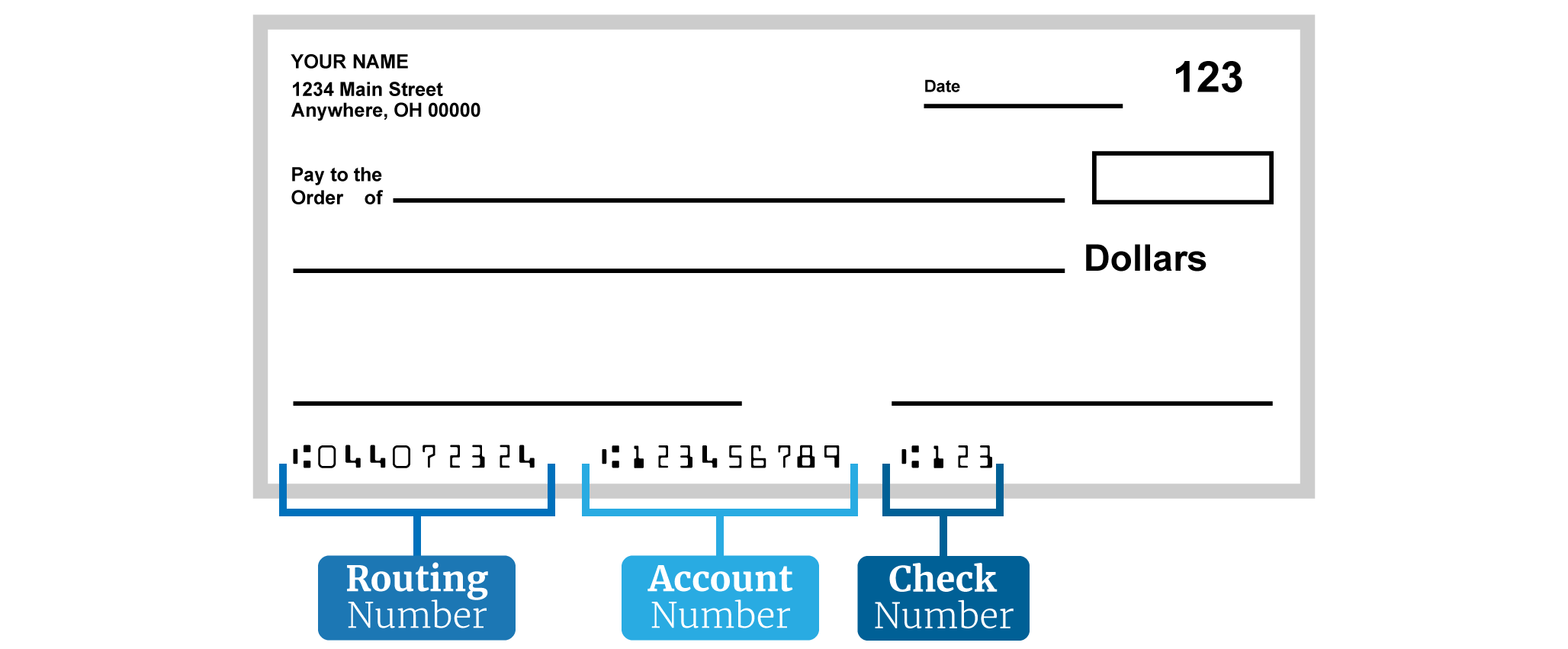
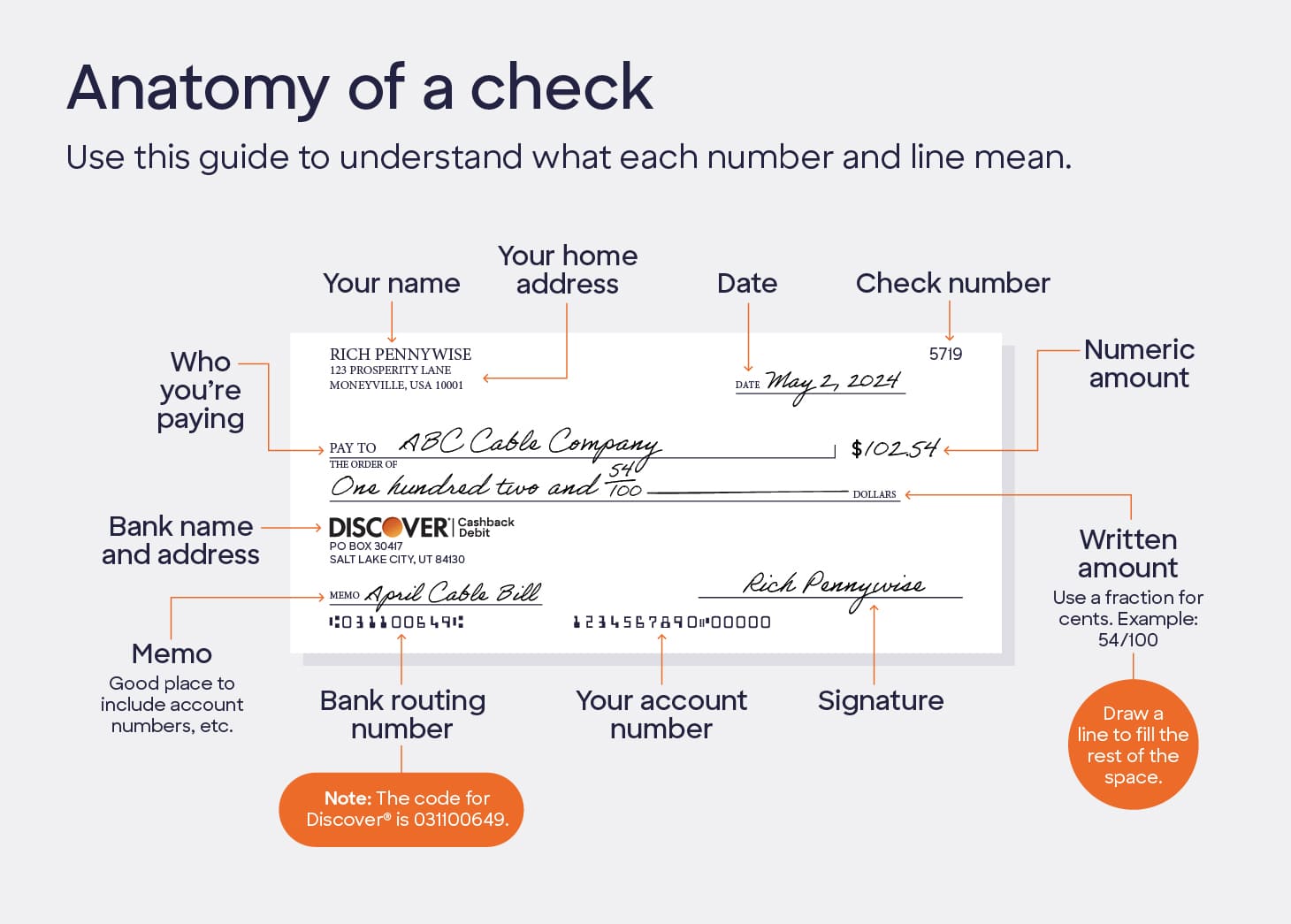
A check must be in writing and signed by the maker or drawer. The signature can be handwritten, stamped, or executed via authorized electronic means, provided it demonstrates an intent to authenticate the document. Oral promises or unsigned notes can never be negotiable.
2. Unconditional Promise or Order to Pay
The text of the check must contain an unconditional promise or order to pay a sum certain. If payment is contingent upon the performance of an outside event—such as "Pay John Doe $500 only if he finishes painting my fence"—the instrument is non-negotiable. The holder should not have to investigate outside conditions to know whether the instrument is valid.
3. Fixed Amount of Money
The amount must be clearly ascertainable in a standard currency. A check promising to pay "one thousand dollars plus whatever the market price of gold is tomorrow" destroys negotiability because the final payout cannot be determined from the face of the document alone.
4. Payable on Demand or at a Definite Time
Checks are, by definition, demand instruments. They must be payable on demand (upon presentation to the bank) or at a definite point in time. A post-dated check introduces a temporal element, but under the UCC, post-dating alone does not destroy negotiability; it simply delays the time when the bank is authorized to pay it.
5. Payable to Order or to Bearer
A negotiable check must use specific "magic words" of negotiability. It must indicate that it is payable "to the order of" a specific person or entity, or payable "to bearer" (meaning anyone who holds the physical check). If a check simply states "Pay John Doe" without the words "to the order of" or "bearer," it may fail to qualify as a negotiable instrument under strict statutory interpretations, though modern banking practices sometimes treat simple order instruments with leniency depending on local statutory adoption.
How Negotiability Affects Transfer and Endorsement
The primary benefit of a negotiable check is the ease with which it can be transferred through endorsement. Endorsement is the act of signing the back of the check, which alters the legal rights governing the instrument. Depending on how the endorsement is structured, the negotiability and security of the check change significantly.
- Blank Endorsement: The payee simply signs their name on the back. This turns the check into a bearer instrument, meaning anyone who finds or steals it can potentially cash it.
- Special Endorsement: The payee writes "Pay to the order of [Third Party Name]" followed by their signature. This restricts further negotiability until that specific third party endorses it.
- Restrictive Endorsement: Phrases like "For Deposit Only" limit how the check can be processed, effectively halting its further negotiability as cash and directing the funds strictly into a designated account.
If a check is non-negotiable, transferring it to a third party does not grant that third party the status of a Holder in Due Course (HIDC). An HIDC enjoys special legal protections that shield them from certain personal defenses the drawer might raise, such as a dispute over the quality of goods purchased. Without negotiability, the transferee merely steps into the shoes of the original payee and is vulnerable to any underlying contract disputes.
| Feature / Characteristic | Negotiable Check | Non-Negotiable Check |
|---|---|---|
| Transferability | Easily transferred via endorsement to third parties. | Cannot be easily transferred; requires formal assignment. |
| Legal Status | Governed by UCC Article 3 (or equivalent statutory laws). | Governed by general contract law. |
| Holder in Due Course Protection | Available; protects holders against most underlying disputes. | Unavailable; transferee is subject to all original defenses. |
| Bank Processing | Standard automated processing and clearinghouse acceptance. | Requires manual review or may be outright rejected by banks. |
| Conditional Language | Must be unconditional (no strings attached). | Can include performance conditions or contingencies. |
Common Threats to a Check's Negotiability
Even when a check starts as a fully negotiable instrument, various actions or drafting errors can compromise its legal standing. Understanding these pitfalls helps both issuers and recipients avoid costly banking delays.
Adding conditional statements in the memo line or the body of the check is a frequent error. While standard memo notes (e.g., "March Rent") do not ruin negotiability, complex conditional clauses can destroy it entirely. Furthermore, alterations to the face amount, payee name, or date without proper authorization can render the check void or non-negotiable due to material alteration rules.
Stale-dating also impacts practical negotiability. While banks are not legally obligated to honor checks presented more than six months after their date of issue, a stale date does not technically destroy the underlying legal obligation of the debt, though it effectively stops the check from being processed through standard banking channels without reissuance or bank verification.
Frequently Asked Questions
What makes a check non-negotiable?
A check becomes non-negotiable if it includes conditional payment terms, lacks the words "payable to the order of" or "bearer," promises payment in something other than money, or is missing a signature or fixed sum.
Can a bank refuse to cash a negotiable check?
Yes. Even if a check meets all technical requirements for negotiability, a bank may refuse to cash it if the account has insufficient funds, if there is a stop-payment order, if the signature appears forged, or if the customer's identity cannot be verified.
Does post-dating a check affect its negotiability?
No. Post-dating does not destroy negotiability under the Uniform Commercial Code. However, it instructs the bank not to pay the instrument until the specified future date arrives.
What is a Holder in Due Course?
A Holder in Due Course is a person who takes a negotiable instrument for value, in good faith, and without notice that it is overdue, has been dishonored, or is subject to any defense or claim. This status provides powerful legal protection against attempts by the drawer to withhold payment.
Next Steps and Practical Guidance
If you are issuing checks, ensure that all fields—amount, date, and payee—are filled out clearly without conditional language that might jeopardize the instrument's legal standing. If you are receiving a check, verify that it contains the proper formal elements of negotiability and inspect it for any unauthorized alterations. For complex commercial transactions involving unique payment conditions, consult with a qualified financial advisor or legal professional to determine whether a negotiable check or an alternative electronic payment method is appropriate.
Image Gallery