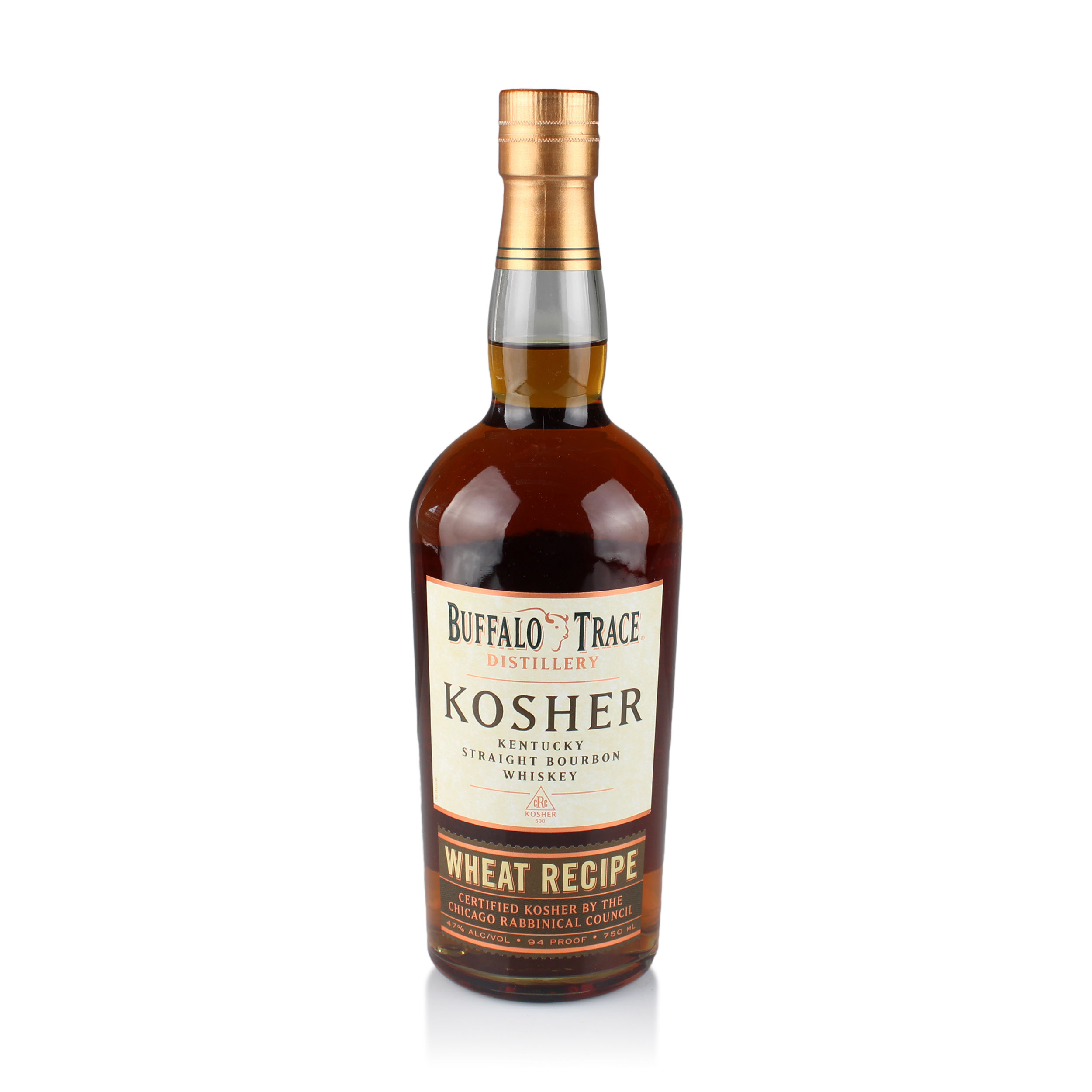
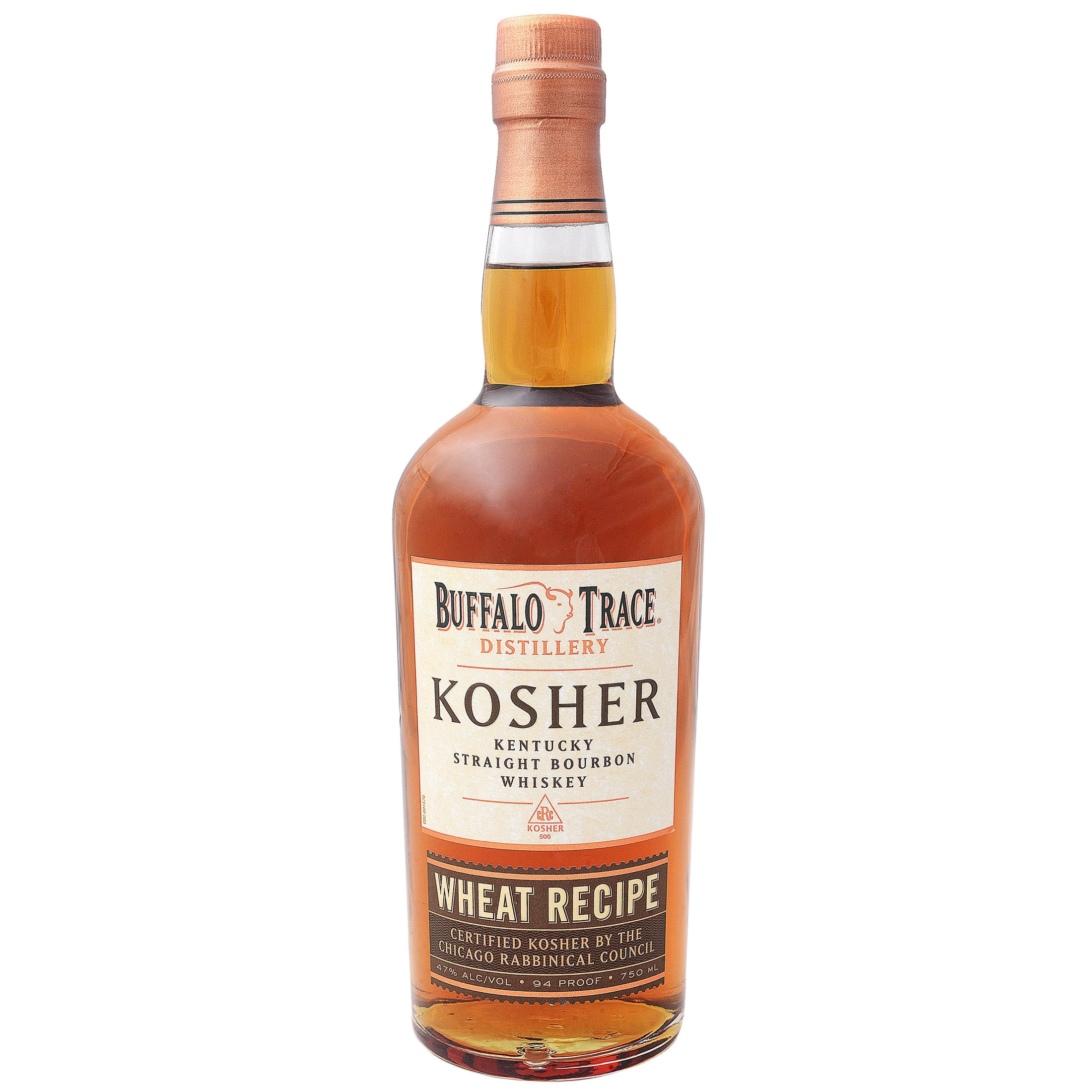
Is Whiskey Kosher? A Complete Guide to Kashrut Rules, Cask Finishes, and Certifications
Pure, unflavored whiskey made from standard grains is naturally kosher in its raw form because its core ingredients—grain, water, and yeast—are inherently kosher. However, whiskey aged or finished in barrels previously used for non-kos...
Pure, unflavored whiskey made from standard grains is naturally kosher in its raw form because its core ingredients—grain, water, and yeast—are inherently kosher. However, whiskey aged or finished in barrels previously used for non-kosher wine (such as sherry, port, or Madeira), Canadian whiskies with unlisted additives, and flavored whiskies require explicit kosher certification. Furthermore, all whiskey is considered chametz (leavened grain) and cannot be consumed during Passover.
Contents
Understanding whether a specific bottle of whiskey meets Jewish dietary laws (kashrut) requires examining the distillation process, barrel selection, flavor additives, and ownership history of the distillery. While some whiskeys can be consumed without formal kosher certification on the label, others present complex halachic (Jewish legal) questions that divide major rabbinic authorities.
The Fundamentals of Kashrut in Whiskey Production
To evaluate whether a whiskey is kosher, it helps to break down the production process into its primary components: raw ingredients, fermentation, distillation, and maturation.
- Raw Grains (Corn, Rye, Barley, Wheat) + Water + Yeast
- Fermentation
- Distillation (High-proof distillate: Naturally Kosher)
- New Charred Oak / Ex-Bourbon Casks (Generally Approved)
- Ex-Wine Casks (Sherry, Port, Madeira) (Requires Kosher Supervision)
Raw Ingredients and Fermentation
The base ingredients of traditional whiskey are simple: water, grain (malted barley, corn, rye, or wheat), and yeast. None of these primary materials present immediate kashrut concerns during standard year-round production:
- Grains are inherently kosher products of the earth.
- Water undergoes standard filtration and heating.
- Yeast used in industrial distilling is almost universally kosher, as distillers rely on specific strains of Saccharomyces cerevisiae grown on grain or synthetic media rather than grape-derived substrates.
During fermentation, distillers may introduce commercial enzymes to accelerate the conversion of starches into fermentable sugars. While these enzymes are usually synthetic or fungal in origin, major kosher certification agencies continuously monitor industrial enzyme suppliers to ensure no animal-derived or non-kosher processing aids are introduced.
Distillation
The physical act of distillation involves heating the fermented mash (the "beer") to vaporize alcohol and steam, which are then condensed back into liquid form. Because the equipment in traditional primary distilleries processes only grain-based mash and water, the equipment itself does not contract non-kosher status (treif) from contact with non-kosher food products. The resulting clear spirit, often called "white dog" or new-make spirit, is fundamentally kosher prior to barrel placement.
The Wine Cask Controversy (Stam Yainam)
The primary kashrut concern in modern whiskey production revolves around barrel maturation, specifically the practice of aging or "finishing" spirits in casks previously used to store wine.
The Rule of Stam Yainam
Under Jewish law, non-kosher grape wine (stam yainam) and its derivatives are strictly forbidden. Because grape juice and wine held central roles in ancient pagan libations, rabbinic decrees instituted safeguards around grape products. If non-kosher wine comes into direct contact with a food or container, it imparts a non-kosher status to whatever absorbs its flavor.
When a distillery ages whiskey in a barrel that previously held non-kosher wine—such as Oloroso sherry, Pedro Ximénez, port, Madeira, Sauternes, or Cognac—the oak wood absorbs significant quantities of that wine into its pores. As the whiskey matures, changes in ambient temperature cause the wood to expand and contract, drawing the absorbed wine back out of the barrel walls and into the spirit.
- Ambient Warming
- Oak Expands
- Spirit penetrates wine-soaked wood
- Ambient Cooling
- Oak Contracts
- Wine-flavored spirit returns to liquid
Halachic Debates on Nullification (Batel b'Shishim)
In Jewish law, if a minute amount of non-kosher substance accidentally falls into a kosher food, it may be nullified if the kosher substance outnumbers the non-kosher element by a ratio of 60 to 1 (batel b'shishim).
However, wine cask finishing presents two distinct legal challenges:
- Intentional Addition (Ein Mevatlin Issur L'chatchilah): Halachic principles dictate that one may not deliberately add a non-kosher ingredient with the intention of relying on the 60:1 nullification rule. Because distillers intentionally select sherry or port casks specifically to impart fruit and wine flavors to the whiskey, many rabbinic authorities argue that nullification cannot apply.
- Flavor Enhancements (T'am k'Ikkar): If a non-kosher ingredient provides the dominant flavor profile, appearance, or character of the final product, the principle of t'am k'ikkar (the taste is treated as the substance itself) applies, rendering the 60:1 ratio invalid.
Because of these factors, major certifying organizations—including the Orthodox Union (OU) and the Chicago Rabbinical Council (cRc)—maintain specific policies regarding wine-cask-finished whiskies. While some lenient historical opinions (kulot) permitted uncertified sherry-finished scotch based on complex assumptions about barrel volume and absorption, modern kashrut consensus strongly advises consuming only wine-finished whiskeys that carry reputable, independent kosher certification.
Kosher Status Across Major Whiskey Categories
Because governing laws and traditional practices vary by country, the baseline kosher status of whiskey changes significantly depending on its origin and classification.
- Flavored Whiskey?
- [ALWAYS NEEDS] Kosher Symbol
- Unflavored Whiskey?
- Check Origin & Aging Process:
- Straight Bourbon & Straight Rye: Generally Approved Without Symbol
- Single Malt Scotch (Ex-Bourbon Cask): Generally Approved Without Symbol
- Canadian Whisky (Allowable Additives): [NEEDS CERTIFICATION] Due to 9.09% Rule
- Irish Whiskey (Dual Maturation): [VERIFY FINISH] Check Cask Type
- Check Origin & Aging Process:
1. American Bourbon and Straight Rye Whiskey
American Straight Bourbon and Straight Rye operate under strict federal regulations set by the U.S. Alcohol and Tobacco Tax and Trade Bureau (TTB Standards of Identity). By law, Straight Bourbon must:
- Be produced from a mash of at least 51% corn.
- Be distilled to no more than 160 proof (80% ABV).
- Be aged in brand-new, charred oak containers for a minimum of two years.
- Contain zero added flavorings, colorings, or neutral spirits.
Because straight bourbon must age in new oak barrels rather than used wine casks, it avoids the stam yainam conflict entirely. As a result, standard unflavored Straight Bourbons and Straight Ryes are widely accepted by major kashrut organizations without explicit kosher certification on the bottle, provided they undergo no secondary finishing in wine casks.
2. Scotch Whisky
Scotch whisky production relies heavily on reused barrels sourced from international beverage industries. Single malt and blended scotches are typically matured in one of two barrel types:
- Ex-Bourbon Barrels: Barrels previously used to age American bourbon. These barrels present no kashrut issues.
- Ex-Sherry Barrels: Barrels previously used to age Spanish sherry.
If a Scotch whisky is matured exclusively in ex-bourbon barrels, it is generally accepted as kosher by most Kashrut agencies, even without a hechsher (kosher certification symbol) printed on the label. However, if the label indicates maturation or finishing in sherry, port, Madeira, or "double wood" / "wine cask" finishes, consumers must look for explicit kosher certification.
3. Canadian Whisky
Canadian whisky regulations differ substantially from U.S. standards. Under Canadian law, spirits labeled as Canadian Whisky may contain up to 9.09% added spirits, wines, or flavorings without explicit disclosure on the ingredient label.
Because Canadian producers may legally blend non-kosher wine, grape spirits, or caramel colorings into the whisky to achieve profile consistency, Canadian whiskies generally require reliable kosher certification, unless a specific uncertified brand has been audited and approved by a recognized kashrut council.
4. Irish Whiskey
Traditional Irish whiskey is distilled from a grain mash (often a combination of malted and unmalted barley) and aged for at least three years. However, the Irish whiskey industry frequently utilizes dual-maturation techniques, aging liquid in ex-bourbon barrels before finishing it in sherry or fortified wine casks. Unfinished Irish whiskeys aged strictly in ex-bourbon wood are generally approved, whereas sherry-finished varieties require formal certification.
5. Flavored Whiskeys
Flavored whiskeys—including honey, cinnamon, apple, peach, and botanical-infused varieties—are classified as flavored spirits or liqueurs. These products contain added sugar, natural or artificial flavor concentrates, stabilizing glycerin, and coloring agents.
- Glycerin can be derived from non-kosher animal fats or non-kosher vegetable oils.
- Flavoring compounds often contain grape-derived alcohol bases or non-kosher ester carriers.
Consequently, all flavored whiskeys strictly require a reliable kosher certification before consumption.
Technical Kashrut Summary by Category
| Whiskey Style | Primary Barrel Aging | Additives Permitted? | Standard Kosher Status | Primary Kashrut Concern |
|---|---|---|---|---|
| Straight Bourbon | New charred oak | No | Kosher without symbol | Secondary wine finishing (if applicable) |
| Straight Rye | New charred oak | No | Kosher without symbol | Secondary wine finishing (if applicable) |
| Single Malt Scotch | Ex-Bourbon barrels | Caramel color (E150a) | Kosher without symbol | Verify no ex-sherry or wine finishing |
| Wine-Finished Scotch | Ex-Sherry / Port / Madeira | Caramel color (E150a) | Requires Certification | Stam Yainam (absorbed non-kosher wine) |
| Canadian Whisky | Reused oak barrels | Yes (Up to 9.09%) | Requires Certification | Unlisted wine, flavorings, or grape spirits |
| Irish Whiskey | Ex-Bourbon / Mixed | Caramel color (E150a) | Check specific finish | Sherry/Port cask finishing trends |
| Flavored Whiskeys | Various | Yes | Requires Certification | Glycerin, non-kosher flavorings, grape alcohol |
Critical Kashrut Considerations Beyond Ingredients
Evaluating a bottle of whiskey involves more than reading its cask description. Observant consumers must also navigate seasonal prohibitions and ownership rules under Jewish law.
- Passover Prohibition
- All grain-based whiskey is strictly forbidden during the 8 days of Passover.
- Post-Passover Ownership (Chametz She'avhar Al HaPesach)
- Distilleries owned by Jewish individuals must execute a valid bill of sale (mechirat chametz) to sell grain spirits prior to Passover.
1. Passover Prohibition (Chametz)
All whiskey produced from wheat, barley, rye, spelt, or oats is classified as chametz (leavened grain). Under Biblical law, consuming, owning, or deriving benefit from chametz is strictly forbidden during the holiday of Passover (Pesach).
- No standard grain-based whiskey can be consumed on Passover.
- Kosher for Passover spirits are typically limited to distilled grape brandies, fruit spirits (such as pear or apple eau-de-vie), or sugar-beet/potato-based neutral spirits produced under strict rabbinic supervision.
2. Grain Owned During Passover (Chametz She'avhar Al HaPesach)
A unique requirement in Jewish legal governance involves chametz she'avhar al haPesach—leavened grain that remained in the ownership of a Jewish individual during Passover. If a Jewish business owner retains title to chametz over Passover without selling it to a non-Jewish entity via a formal contract (mechirat chametz), that grain product becomes permanently forbidden for consumption by any Jewish person, even after Passover ends.
Because several prominent distilleries and parent liquor conglomerates are owned in whole or in part by Jewish individuals or investment entities, kashrut organizations perform detailed corporate audits:
- If a distillery is Jewish-owned and executes a valid legal sale of its inventory before Passover through a recognized rabbinical court, the product remains kosher after the holiday.
- If a Jewish-owned distillery does not execute a valid sale, major kashrut agencies flag those specific brands as non-kosher year-round due to improper Passover ownership.
Organizations like the Star-K Kosher Certification publish annually updated lists detailing which American bourbon and whiskey brands maintain compliant ownership records.
How to Verify if a Bottle of Whiskey is Kosher
To determine whether a specific bottle is safe to purchase and consume, follow this step-by-step verification process:
- Examine Bottle Label
- Look for recognized Kosher Symbols (OU, Star-K, OK, cRc, KOF-K).
- Check for statements like "Finished in Sherry Casks" or "Port Wood Finish."
- Identify Whiskey Type
- Straight Bourbon / Straight Rye: Generally Kosher (if unflavored & un-finished).
- Flavored Whiskey: Needs explicit Kosher Symbol.
- Canadian / Blended Whisky: Needs explicit Kosher Symbol or List Approval.
- Cross-Reference Official Kashrut Databases
- Search the cRc Liquor List (crcweb.org).
- Check the Star-K Spirits Guide (star-k.org).
Step 1: Inspect the Physical Label
Look for a registered kosher certification emblem (hechsher) on the front or back label. Common symbols include the OU (Orthodox Union), Star-K, OK, cRc (Chicago Rabbinical Council), and KOF-K. If a certified symbol is present, the spirit has undergone complete supply-chain auditing.
Step 2: Read the Cask and Finishing Disclosures
If no symbol is present, read the bottle's description carefully:
- Phrases such as "Aged in new charred oak" indicate standard production suitable for straight bourbon.
- Phrases such as "Finished in Oloroso Sherry Casks," "Double Cask," "Port Finish," or "Sauternes Cask" signal the presence of wine-soaked wood, requiring formal certification.
Step 3: Consult Recognized Liquor Guides
Major kashrut boards continuously inspect international distilleries and maintain digital databases of approved spirits. If a bottle lacks an on-package symbol, verify its status using:
- The Chicago Rabbinical Council (cRc) Liquor Search: A comprehensive database filtering spirits by certification status, barrel type, and kashrut approval.
- The Star-K Alcohol List: Provides details regarding distillery ownership during Passover and approved unflavored scotches.
- The Kosher Michigan / Local Rabbinic Guides: Regional registries offering community guidance on local craft spirits.
Frequently Asked Questions
Is all plain bourbon automatically kosher?
Almost all pure, unflavored Straight Bourbon aged exclusively in new charred oak barrels is kosher, even if it lacks a kosher certification symbol on the label. However, if the bourbon has undergone secondary aging or finishing in wine casks (such as sherry, port, or cabernet sauvignon barrels), or if it contains added flavorings, it requires formal kosher certification.
Why does sherry-cask finishing make scotch questionable for some authorities?
Sherry is a wine made from grapes. Non-kosher grape wine falls under the halachic classification of stam yainam. When scotch matures in barrels previously soaked with non-kosher sherry, the spirit absorbs the flavor and characteristics of the wine from the wood. Because this flavor enhancement is intentional, many rabbinic authorities rule that it cannot be nullified automatically, requiring independent kosher supervision.
Can you drink whiskey on Passover?
No. All traditional whiskey is distilled from fermented grains such as barley, rye, wheat, or corn. Grain-based spirits are classified as chametz (leavened grain) and are strictly forbidden to consume, own, or keep in one's possession throughout the duration of Passover.
What is Chametz She'avhar Al HaPesach regarding spirits?
This principle dictates that any grain product owned by a Jewish individual during Passover without a valid halachic sale (mechirat chametz) becomes permanently forbidden for use after the holiday. Kashrut organizations audit distilleries to ensure that Jewish-owned producers properly sell their aging inventory prior to Passover so the whiskey remains kosher afterward.
Are flavored whiskeys like honey or cinnamon bourbon kosher?
Flavored whiskeys are never automatically kosher. Unlike straight bourbon or unflavored single malt scotch, flavored whiskeys rely on added sugars, artificial or natural flavor concentrates, coloring agents, and stabilizers like glycerin. Because these additives can originate from non-kosher animal or grape sources, flavored whiskeys must bear a recognized kosher certification symbol.
Is caramel color (E150a) in scotch whisky a kashrut problem?
Caramel color (E150a) used in scotch production is derived from heating food-grade carbohydrates (typically corn or wheat glucose). Major kashrut organizations have evaluated the manufacturing process of spirit caramel coloring and determined that standard caramel color does not compromise the kosher status of unflavored scotch whisky.
Practical Recommendations for Consumers
When buying whiskey for a kosher household or selecting a gift for someone who keeps kosher, apply these baseline recommendations:
- For the Simplest Selection: Choose an unflavored Straight Bourbon or Straight Rye. These spirits adhere to strict legal production standards that naturally line up with standard kashrut requirements, provided they have no wine-cask finishing.
- When Choosing Scotch or Irish Whiskey: Stick to expressions aged exclusively in ex-bourbon casks unless the bottle carries a certified kosher symbol verifying the status of its wine-cask finishing.
- When Selecting Canadian or Flavored Whiskey: Buy only bottles bearing a recognized kosher symbol (such as OU, Star-K, cRc, or OK) due to blending allowances and potential non-kosher additives.
- Before Passover: Ensure all whiskey in your home is either consumed, safely disposed of, or formally sold to a non-Jewish individual through a local rabbi prior to the holiday deadline.
- Verify Distilleries: Check current online liquor lists published by the Chicago Rabbinical Council or the Star-K to confirm that your preferred brand maintains compliant Passover ownership records.
Image Gallery