Human Dignity Examples in Everyday Life
Human dignity is the fundamental recognition that every person possesses intrinsic value. In everyday life, this manifests through active listening, respecting personal privacy, providing equitable access to opportunities, and acknowle...
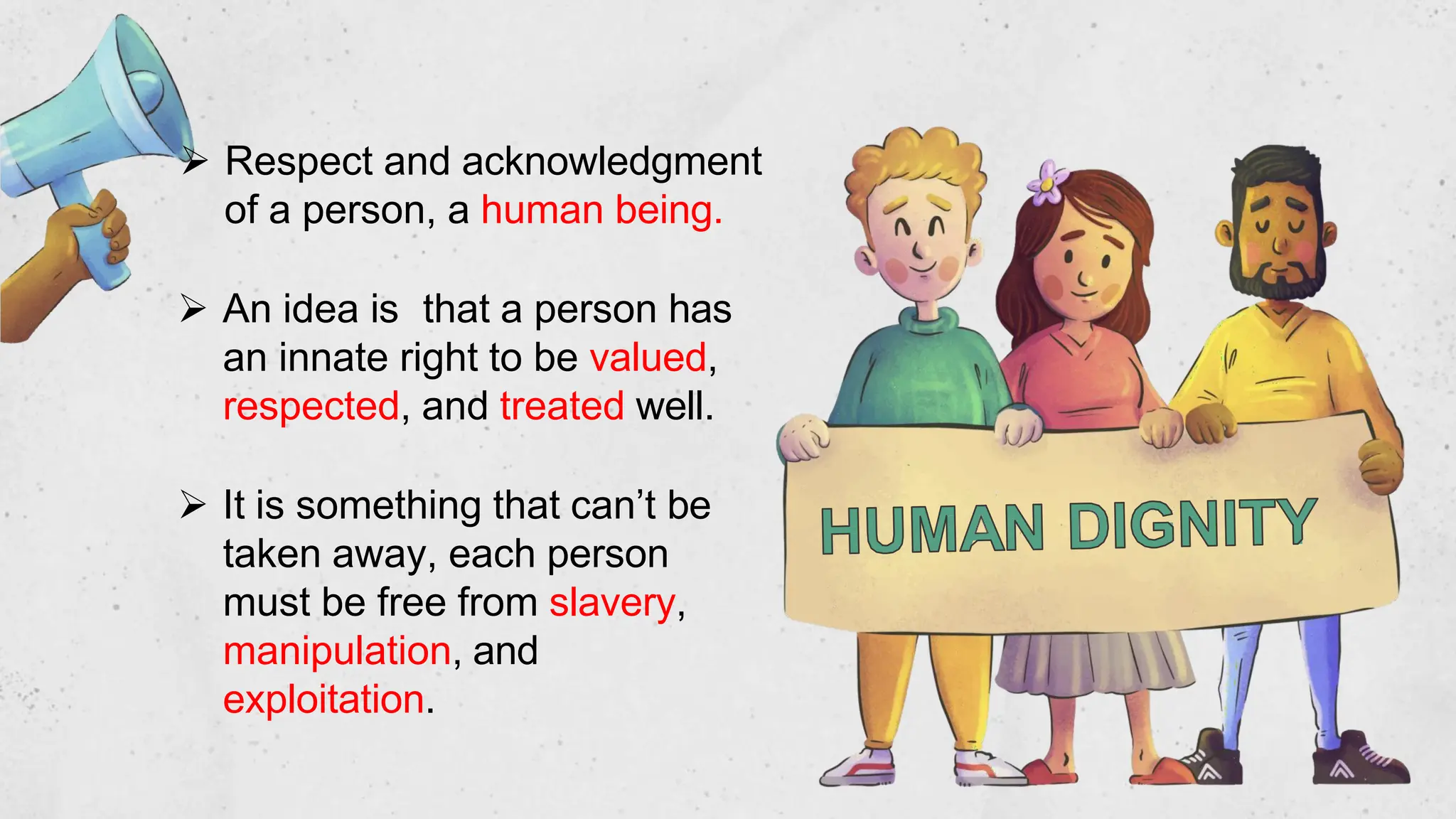
Human dignity is the fundamental recognition that every person possesses intrinsic value. In everyday life, this manifests through active listening, respecting personal privacy, providing equitable access to opportunities, and acknowledging a person’s autonomy in decision-making, regardless of their social status, health, or economic background.
Contents
The concept of human dignity serves as the moral bedrock for modern ethics, legal systems, and social interactions. Unlike status or prestige, which are earned or inherited, dignity is inherent to the human condition. As we navigate the complexities of 2026, where digital interactions often outpace physical ones and global social shifts demand higher levels of empathy, understanding how to apply the principles of dignity in daily routines is essential for fostering a cohesive society.
The Philosophical and Legal Foundation of Dignity
To understand everyday examples of dignity, one must first recognize its formal origins. The most significant modern articulation is found in the Universal Declaration of Human Rights (UDHR), adopted by the United Nations in 1948. Article 1 famously states, "All human beings are born free and equal in dignity and rights." This document transitioned dignity from a vague philosophical idea into a global legal standard.
In practical terms, dignity involves three primary pillars:
- Autonomy: The right to make one's own choices.
- Privacy: Protection from unwanted intrusion into personal life.
- Respect: Treatment that acknowledges a person's worth and prevents humiliation.
When these pillars are upheld, individuals feel "seen" and valued. When they are violated—through neglect, condescension, or systemic bias—the resulting "dignity harm" can have long-lasting psychological and social consequences.
Human Dignity Examples in the Workplace
The workplace is one of the most common environments where dignity is either affirmed or eroded. Professional dignity is not just about polite conversation; it involves the structures and policies that govern how labor is valued and how feedback is delivered.
Equitable Compensation and Fair Labor Practices
Providing a living wage is a direct example of respecting human dignity. When an organization pays employees enough to cover basic needs—housing, healthcare, and nutrition—it acknowledges their right to a life of security. Conversely, wage theft or exploitative hours suggest that the employee’s time and well-being are secondary to profit.
Respectful Feedback and Conflict Resolution
In 2026, leadership models emphasize "psychological safety." This means providing constructive criticism in a way that targets the work, not the individual’s character. For instance, a manager who addresses a performance issue in a private meeting, offering support and a path to improvement, preserves the employee’s dignity. Publicly reprimanding a staff member or using demeaning language violates it.
Autonomy and Trust
Micromanagement is often a subtle violation of dignity because it signals a lack of trust in an individual’s competence and agency. Granting employees the autonomy to manage their schedules or solve problems independently validates their professional identity and intellectual worth.
Dignity in Healthcare and Caregiving
Healthcare settings are high-stakes environments for human dignity because patients are often in vulnerable, dependent states. The "patient-centered care" model is the primary vehicle for dignity in medical contexts.
Informed Consent and Bodily Autonomy
Before any procedure, a healthcare provider must explain the risks, benefits, and alternatives. This is more than a legal hurdle; it is an act of respecting a patient's autonomy. By ensuring the patient fully understands and agrees to a treatment, the provider acknowledges that the patient remains the ultimate authority over their own body.
Maintaining Privacy and Modesty
Simple actions, such as closing a curtain during an exam or knocking before entering a hospital room, are vital examples of dignity. In elderly care, assisting a resident with hygiene while allowing them to do as much as they can for themselves preserves their sense of self-reliance and reduces the feeling of helplessness.
End-of-Life Care
Dignity in death involves honoring a person’s final wishes and managing pain effectively. Palliative care focuses on the "whole person," ensuring that their final days are spent with as much comfort and agency as possible, rather than viewing them merely as a clinical case to be managed.
Social Interactions and Vulnerable Populations
How we treat those who cannot offer us anything in return—such as the unhoused, the elderly, or people with disabilities—is perhaps the purest measure of our commitment to human dignity.
Person-First Language
Using language that prioritizes the individual over their condition or status is a key example. For instance, saying "a person experiencing homelessness" rather than "the homeless" acknowledges the temporary circumstance of the individual without defining their entire existence by it. This prevents the "othering" that leads to social exclusion.
Disability Rights and Accessibility
Ensuring that public spaces are accessible is an act of dignity. When a building lacks a ramp or a website is not screen-reader friendly, it sends a message that people with disabilities are an afterthought. Proactive accessibility allows individuals to navigate the world independently, which is a core component of self-dignity.
Active Listening and Presence
In everyday social interactions, simply giving someone your undivided attention is a form of respect. In an era of digital distraction, putting away a phone to listen to a friend or a stranger shows that you value their thoughts and their presence. It validates their existence in a noisy world.
The Role of Dignity in the Digital Age
As of 2026, the digital sphere has become a primary landscape for both the promotion and violation of human dignity. Digital dignity revolves around data sovereignty and the ethics of online discourse.
Data Privacy and Consent
When companies use personal data without transparent consent, they treat individuals as products rather than autonomous beings. Respecting digital dignity means providing users with clear choices over how their information is harvested and ensuring that algorithms do not reinforce harmful biases or stereotypes.
Preventing Cyberbullying and Doxxing
The anonymity of the internet often leads to dehumanizing behavior. Upholding dignity online involves refraining from "dogpiling" or public shaming. Recognizing that there is a human being behind every screen name is a fundamental requirement for a dignified digital society.
Comparison of Dignified vs. Undignified Behaviors
The following table highlights the differences between actions that uphold dignity and those that erode it across various sectors of life.
| Context | Dignified Action | Undignified Action | Impact of Dignified Action |
|---|---|---|---|
| Workplace | Offering constructive, private feedback. | Publicly shaming an employee for a mistake. | Increases morale and retention. |
| Healthcare | Explaining a diagnosis in plain language. | Withholding information or "talking over" the patient. | Empowers the patient in their recovery. |
| Social Service | Asking a person in need how you can help. | Making assumptions or ignoring their presence. | Preserves the individual's agency. |
| Digital Space | Respecting user privacy and data opt-outs. | Selling personal data without clear consent. | Builds trust in technology. |
| Personal Life | Respecting a family member's boundaries. | Disregarding privacy or forcing opinions. | Strengthens long-term relationships. |
Frequently Asked Questions
Can human dignity be lost?
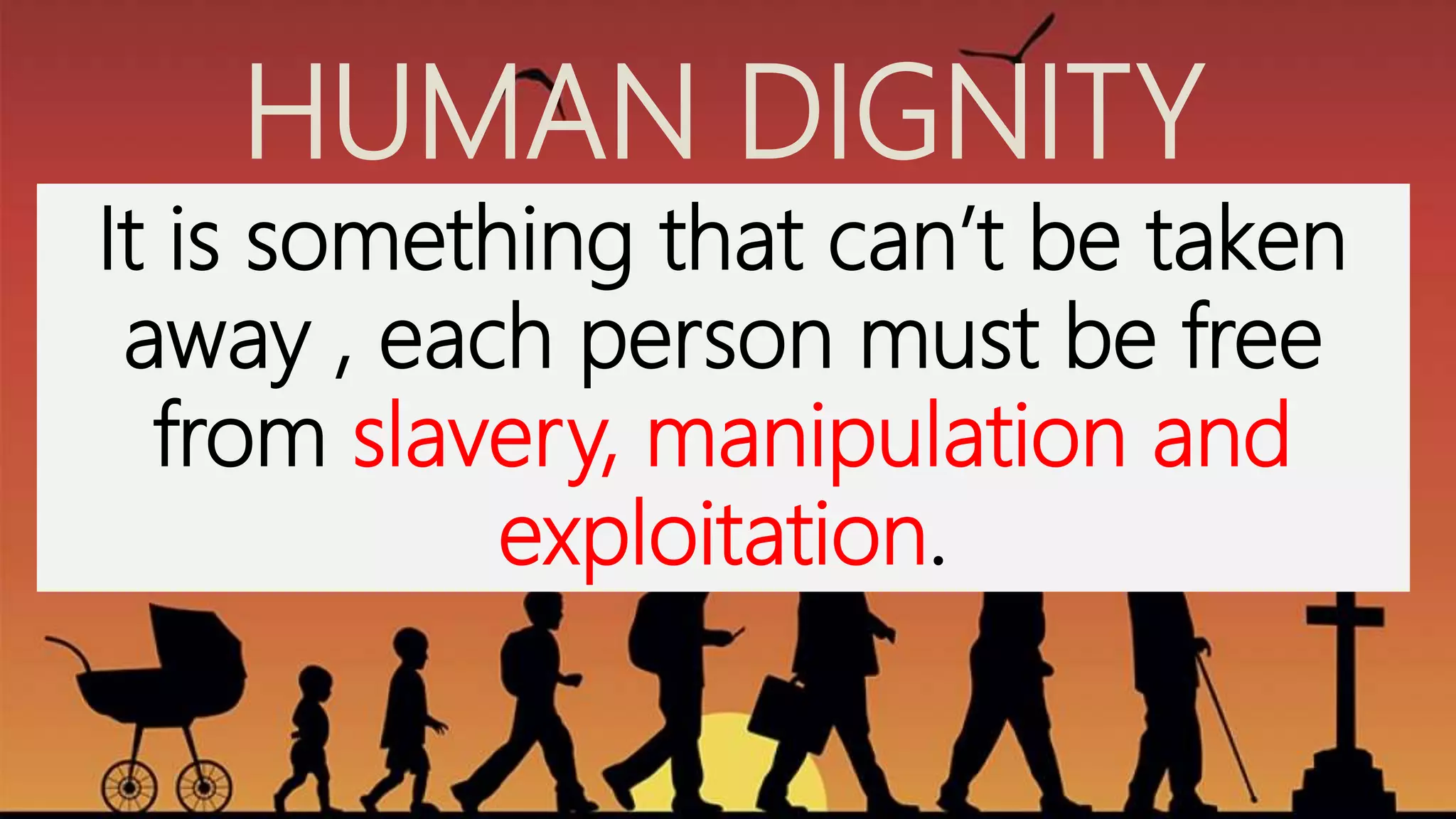
No, according to most ethical and legal frameworks, including the Universal Declaration of Human Rights, dignity is inalienable. While a person's sense of dignity can be damaged by the actions of others, their inherent worth as a human being remains constant. Even those who have committed crimes are entitled to basic dignity, which is why international laws prohibit "cruel and unusual punishment."
Is dignity different from respect?
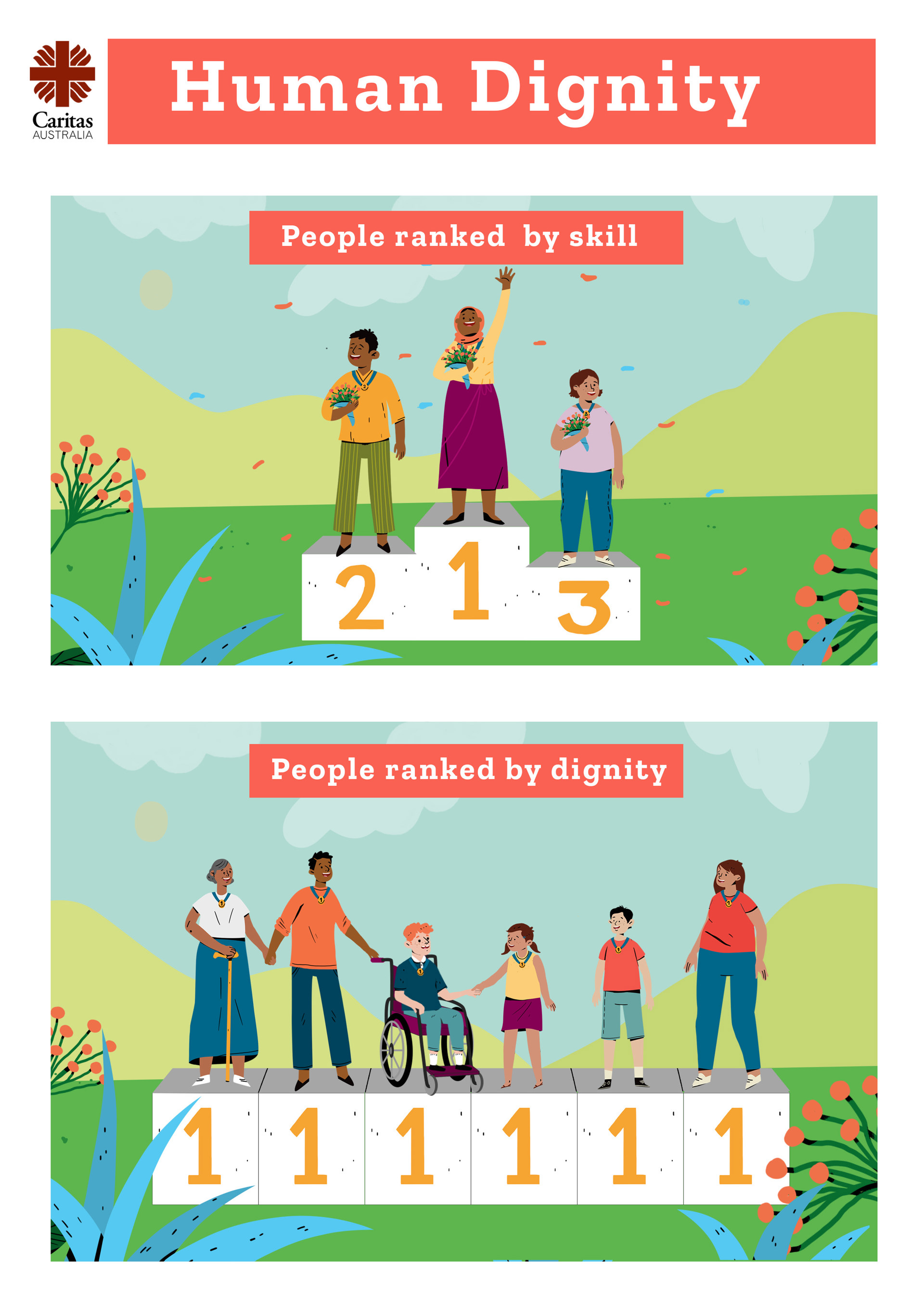
While related, they are distinct. Respect is often earned through actions, achievements, or character. Dignity, however, is a birthright. You might not "respect" someone's choices or behavior, but you are still morally obligated to treat them with "dignity" by not dehumanizing or abusing them.
How does culture influence the expression of dignity?
The value of dignity is universal, but its expression can vary. In some cultures, dignity is closely tied to communal standing and "saving face," while in others, it is more individualistic. However, the core requirement—preventing humiliation and acknowledging personhood—remains the same across all cultures.
What is "dignity harm"?
Dignity harm refers to the psychological injury caused when a person is treated as less than human. This can occur through systemic racism, persistent bullying, or being ignored by society. Unlike physical harm, dignity harm impacts a person's self-worth and their sense of belonging in the community.
How can I practice dignity in my own life?
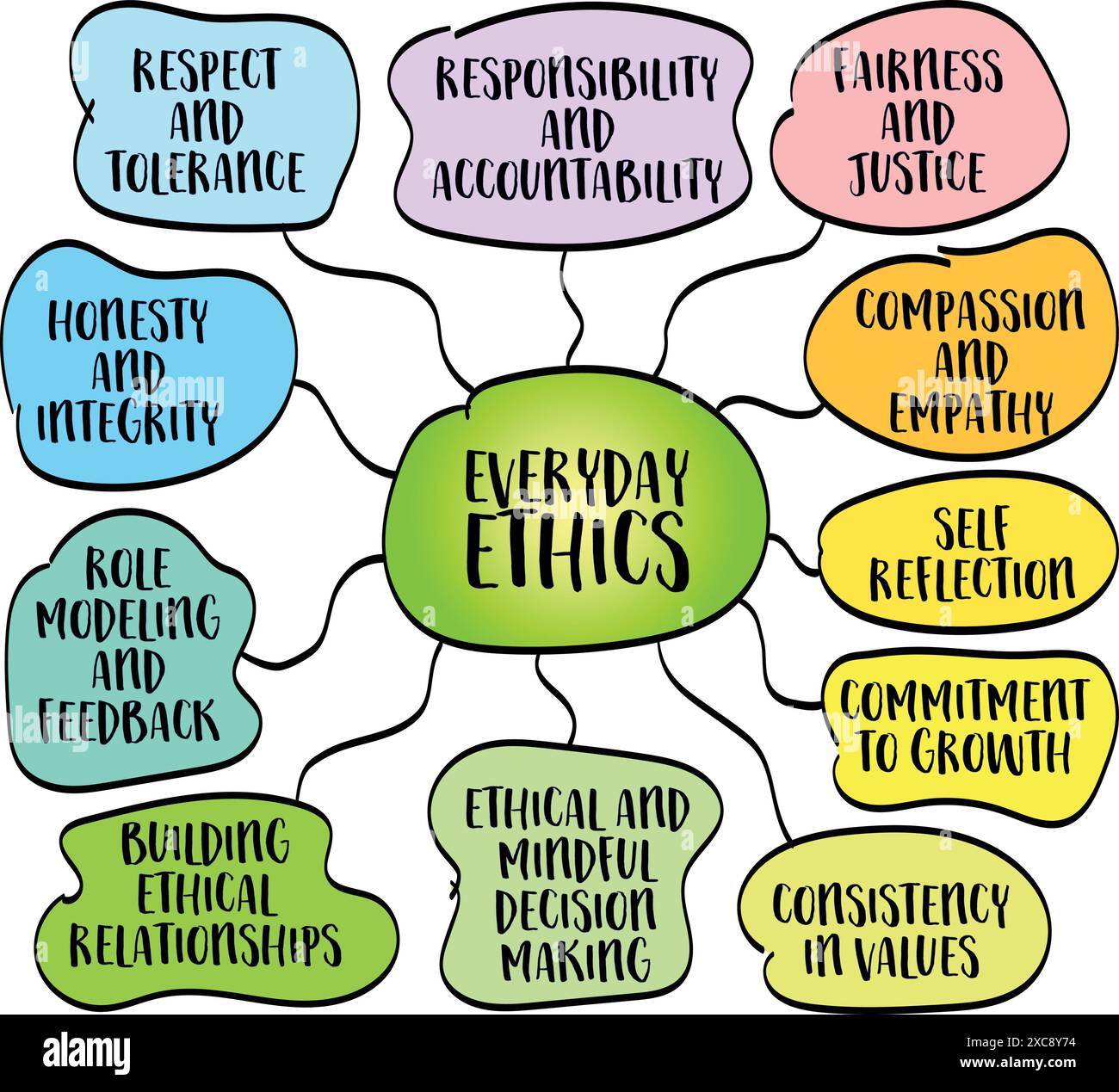
Start with self-reflection and the "Platinum Rule": treat others as they wish to be treated. Practice active listening, use inclusive language, and stand up against dehumanizing behavior when you witness it in your community or workplace.
Recommended Action for Fostering Dignity
To actively promote human dignity in your immediate environment, consider conducting a "Dignity Audit" of your interactions. For one week, observe how you respond to people in service roles, how you deliver feedback at work, and how you engage with opposing viewpoints online.
Focus on one specific change: Practice the pause. Before responding in a moment of frustration, ask yourself if your next words will preserve or diminish the dignity of the person you are speaking to. This small habit can significantly shift the culture of your home and workplace toward a more respectful and empathetic standard.
Image Gallery