Master the Art of Classic Stove-top Beef Stew for Ultimate Comfort
Classic stove-top beef stew is a quintessential comfort dish achieved by searing tough, collagen-rich cuts of beef and simmering them at a low temperature in a savory, aromatic liquid. By using a heavy-bottomed pot and allowing the mea...
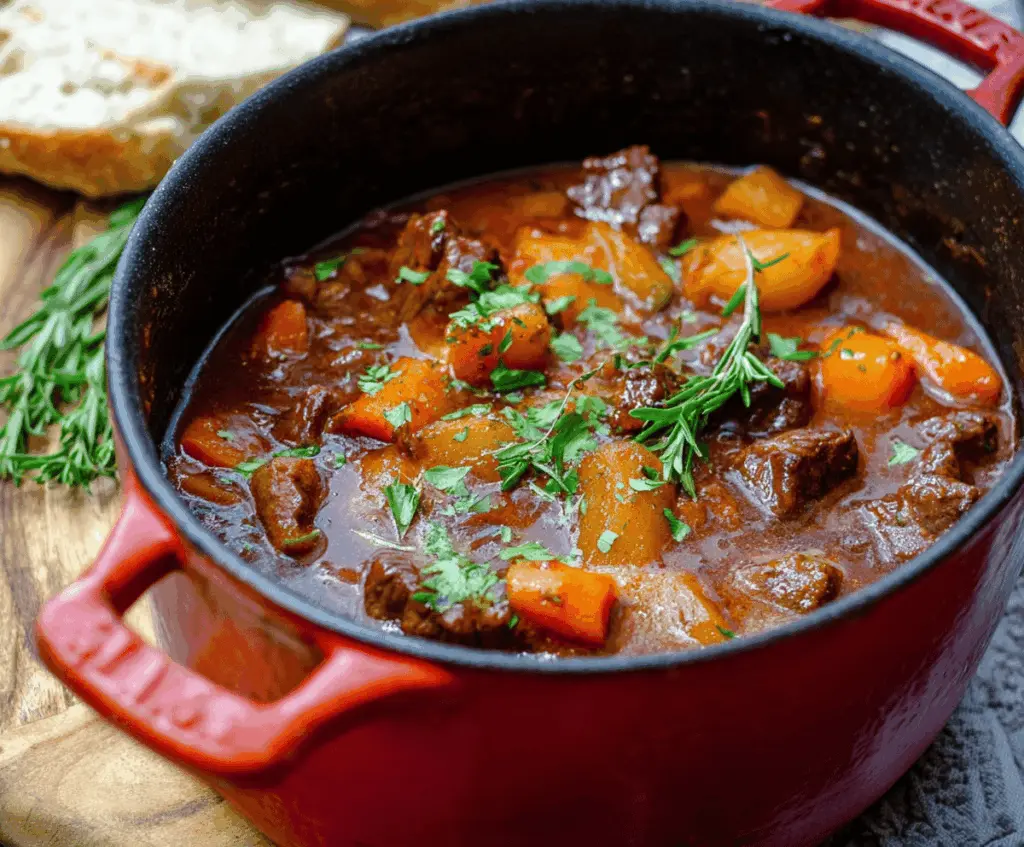
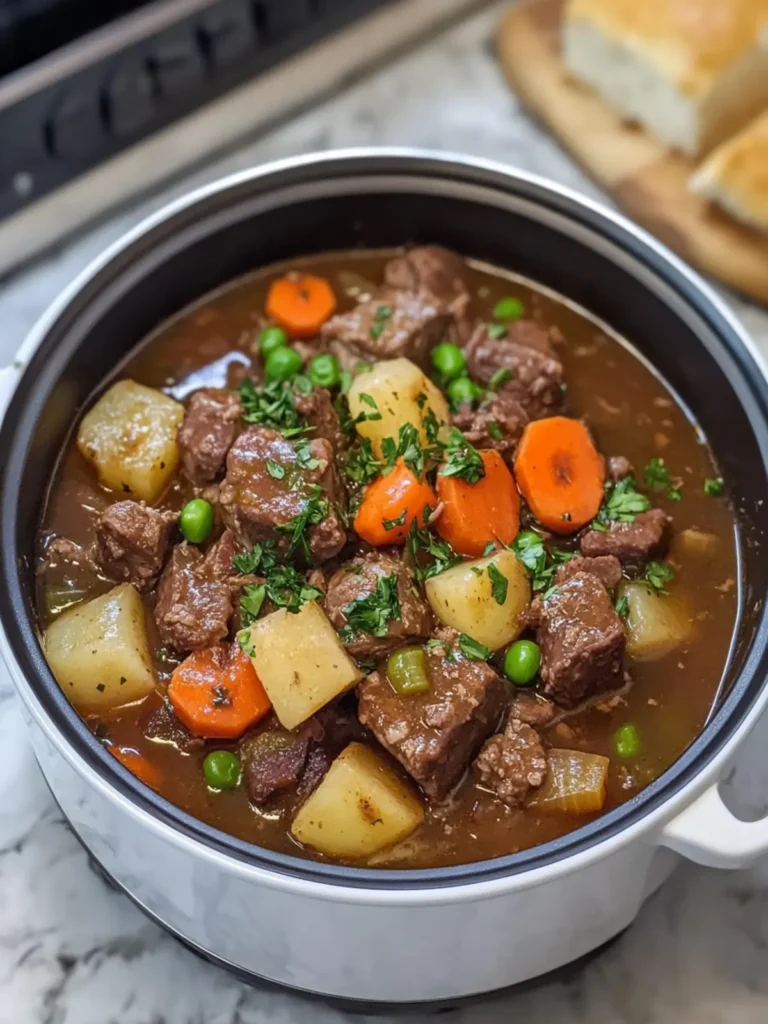
Classic stove-top beef stew is a quintessential comfort dish achieved by searing tough, collagen-rich cuts of beef and simmering them at a low temperature in a savory, aromatic liquid. By using a heavy-bottomed pot and allowing the meat to braise slowly for two to three hours, the connective tissues transform into gelatin, creating tender morsels and a naturally thickened, flavor-dense gravy.
Contents
The Foundation of Comfort: Why Stove-top Cooking Prevails
In 2026, despite the proliferation of high-speed kitchen gadgets, the stove-top remains the gold standard for achieving the depth of flavor required for a truly classic beef stew. Unlike rapid pressure cooking, which can sometimes "compress" flavors, or slow cookers, which often struggle with liquid reduction, the stove-top method allows for active evaporation and flavor concentration. This open-system approach enables the cook to monitor the consistency of the sauce and the tenderness of the meat in real-time.
The "comfort" element of this dish is rooted in the chemical process of braising. Braising is a combination cooking method that uses both dry and moist heat. You begin by searing the meat at high temperatures (dry heat) to develop complex flavors through the Maillard reaction, followed by a long simmer in liquid (moist heat). This dual approach is essential for the specific cuts of meat used in stew, which would otherwise be inedible if cooked quickly.
Selecting the Right Cut: The Science of Collagen
The success of a classic beef stew depends almost entirely on the cut of meat. While it may be tempting to use leaner, more expensive cuts like sirloin or filet, these will inevitably turn dry and stringy during a long simmer. For the best results in 2026, professional chefs and home cooks alike prioritize Beef Chuck.
Beef chuck comes from the shoulder of the animal, a muscle group that does significant work. Consequently, it is loaded with connective tissue, primarily collagen. During the first hour of cooking, this meat will actually become tougher as the muscle fibers contract. However, as the internal temperature of the meat remains between 160°F and 180°F (71°C to 82°C) for an extended period, the collagen begins to break down into gelatin.
Gelatin is the secret to "mouthfeel." It coats the muscle fibers, making the meat feel succulent and moist, even though the fibers themselves have technically lost their internal moisture. Furthermore, the gelatin dissolves into the cooking liquid, giving the stew its characteristic body and silky texture without requiring excessive amounts of flour or starch.
Essential Ingredients and Their Roles
A classic stove-top beef stew is an exercise in layering flavors. Each component serves a functional and a culinary purpose.
The Aromatics (Mirepoix)
The foundation of the stew's flavor profile is the mirepoix—a mixture of onions, carrots, and celery. In a classic preparation, these are sautéed in the rendered fat from the beef until they soften and begin to caramelize. This creates a sweet, earthy base that balances the heavy protein of the beef.
The Deglazing Liquid
After searing the meat and sautéing the aromatics, a brown film known as the fond will form on the bottom of the pot. This is concentrated flavor. To release it, you must "deglaze" the pan. While water can be used, a dry red wine (such as Cabernet Sauvignon or Merlot) or a high-quality beef bone broth is preferred. The acidity in wine helps break down the meat proteins and adds a sophisticated top note to the sauce.
The Thickening Agent
A traditional stew uses a roux—a mixture of flour and fat. Many modern recipes suggest tossing the raw beef cubes in flour before searing. This not only aids in browning but also ensures the flour is cooked through, preventing a "pasty" taste. As the stew simmers, the starch granules in the flour swell and burst, thickening the liquid into a gravy.
The Root Vegetables
Potatoes and carrots are the traditional companions. In 2026, waxy potatoes like Yukon Gold are favored over starchy Russets because they hold their shape during the long simmering process rather than disintegrating into the sauce.
Step-by-Step Execution for Maximum Flavor
To achieve a publication-quality result, follow these mechanical steps meticulously.
- Preparation and Searing: Pat the beef dry with paper towels. Moisture is the enemy of browning; if the meat is wet, it will steam rather than sear. Season generously with salt and pepper. Heat a heavy Dutch oven over medium-high heat with a high-smoke-point oil. Sear the beef in batches. Do not crowd the pan, as this lowers the temperature and prevents the Maillard reaction.
- Building the Base: Remove the beef and add your onions, carrots, and celery to the residual fat. Once softened, add garlic and tomato paste. Cooking the tomato paste for 2-3 minutes until it turns a rusty brick color (a process called pincé) removes its raw acidity and adds deep umami.
- Deglazing and Simmering: Pour in your wine or a splash of broth. Use a wooden spoon to scrape every bit of the fond off the bottom. Return the beef to the pot along with enough beef stock to just barely cover the meat. Add hardy herbs like thyme, rosemary, and a bay leaf.
- The Gentle Simmer: Bring the liquid to a boil, then immediately reduce to the lowest setting that maintains a "lazy bubble." Cover the pot tightly. If the liquid boils too vigorously, the muscle fibers in the beef will toughen and the fat will emulsify into the sauce, making it greasy.
- Timing the Vegetables: Add your potatoes and additional carrots during the last 45 to 60 minutes of cooking. This ensures they are fork-tender but still have structural integrity. Adding them too early results in a mushy texture that detracts from the "classic" experience.
Comparing Cooking Methods for Beef Stew
While the stove-top is the focus, understanding how it compares to other methods helps justify the time investment.
| Feature | Stove-top (Classic) | Slow Cooker | Pressure Cooker (Instant Pot) |
|---|---|---|---|
| Texture of Meat | Extremely tender, moist | Very tender, can become "shreddy" | Tender, but can feel slightly dry |
| Sauce Quality | Rich, reduced, concentrated | Often thin or watery | Consistent, but lacks depth |
| Control | High (can adjust seasoning/thickness) | Low (set and forget) | Zero (cannot open during cooking) |
| Cooking Time | 2.5 - 3.5 Hours | 6 - 8 Hours | 45 - 60 Minutes |
| Flavor Profile | Deep, complex, layered | Mellow, integrated | Sharp, sometimes "steamed" |
Troubleshooting Common Issues
Even experienced cooks encounter hurdles when preparing a classic stew. Here is how to resolve the most frequent problems.
- Tough Meat: If the beef is still tough after two hours, it simply hasn't cooked long enough. The collagen hasn't finished its transformation into gelatin. Continue simmering and check every 20 minutes.
- Thin Sauce: If the stew is too watery at the end, remove the lid and increase the heat slightly to reduce the liquid. Alternatively, mix a teaspoon of cornstarch with a tablespoon of cold water (a slurry) and stir it into the boiling stew.
- Excessive Salt: Since the liquid reduces, the salt concentration increases. It is always better to under-salt at the beginning and perform the final seasoning adjustment just before serving. If it is already too salty, adding a peeled, halved potato can help absorb some salt, though its effectiveness is a subject of culinary debate; adding a splash of water or unsalted broth is more reliable.
- Greasy Surface: If a layer of oil forms on top, use a large metal spoon to skim it off. For the best results, make the stew a day in advance, refrigerate it, and lift the hardened fat off the top the next morning.
Food Safety and Storage Guidelines
According to USDA guidelines, beef should be cooked to an internal temperature that ensures safety, though for stew, the "fork-tender" stage usually occurs far above the minimum safe temperature of 145°F.
In 2026, the standard for storage remains consistent: stew should be cooled quickly (within two hours) and stored in airtight containers. It will last 3 to 4 days in the refrigerator or up to 3 months in the freezer. Many enthusiasts argue that beef stew actually tastes better on the second day, as the flavors have more time to meld and the gelatin further stabilizes the sauce.
FAQ
What is the best liquid-to-meat ratio for stove-top stew?
Generally, you should use enough liquid to just barely submerge the meat and vegetables. For 2 pounds of beef, approximately 3 to 4 cups of liquid (broth and wine combined) is standard. Too much liquid will dilute the flavor and result in a soup rather than a hearty stew.
Can I make beef stew without wine?
Yes. While wine adds acidity and complexity, you can substitute it with extra beef broth and a tablespoon of balsamic vinegar or Worcestershire sauce. These ingredients provide the necessary acidity to balance the richness of the beef.
Why do I need to sear the meat in batches?
If you put all the meat in the pot at once, the temperature of the pan drops significantly. Instead of searing, the meat will release its juices and begin to boil in its own liquid. This prevents the Maillard reaction from occurring, resulting in grey meat and a less flavorful sauce.
Should the pot be covered or uncovered?
The pot should be covered during the main braising period to retain moisture and maintain a consistent internal temperature. However, you may choose to leave it partially uncovered during the final 30 minutes if you want to thicken the sauce through evaporation.
Can I use "stew meat" from the grocery store?
Pre-cut "stew meat" is often a collection of various off-cuts. While convenient, these pieces may cook at different rates. For the most consistent results, buy a whole beef chuck roast and cut it into uniform 1.5-inch cubes yourself.
Final Recommendation for the Perfect Result
To achieve the ultimate classic comfort, do not rush the process. The most important "ingredient" in a stove-top beef stew is patience. Allow the meat the full time it needs to tenderize, and resist the urge to turn up the heat. Serving the stew with a side of crusty sourdough bread or over a bed of buttery mashed potatoes provides the perfect vessel for the rich gravy you have carefully developed.
Image Gallery