The Angry Soyjak Meme Explained: Origins, Variations, and Culture
The angry soyjack (correctly spelled Soyjak) is a popularized variant of the classic Wojak meme illustration, characterized by an exaggerated, open-mouthed expression of extreme rage, indignation, or excitement. It is primarily used in...
The angry soyjack (correctly spelled Soyjak) is a popularized variant of the classic Wojak meme illustration, characterized by an exaggerated, open-mouthed expression of extreme rage, indignation, or excitement. It is primarily used in online message boards and social media platforms to mock individuals who display hyper-passionate, irrational, or outrage-driven reactions over trivial debate topics or pop culture discourse.
Contents
Origins and Visual Anatomy of the Angry Soyjak
To understand the angry Soyjak, one must first trace the evolutionary lineage of the broader "Wojak" illustration ecosystem. The original Wojak—a simple, black-outlined MS Paint drawing of a bald, melancholic man—first appeared on Polish imageboards around 2009 before gaining massive traction on German imageboard Krautchan and later 4chan. For years, Wojak represented loneliness, empathy, and existential dread (often accompanied by the caption "I know that feel, bro").
By late 2017 and early 2018, online forums began modifying the classic Wojak face to satirize specific online subcultures. The term "Soy Boy" emerged in internet slang to describe men perceived as lacking masculine aggression, overly obsessed with consumer culture, and prone to performative excitement. Internet creators merged the Wojak template with real-world photographs of men displaying wide-eyed, open-mouthed facial expressions, giving birth to the first Soyjak illustrations.
The Morphological Traits of the Angry Soyjak
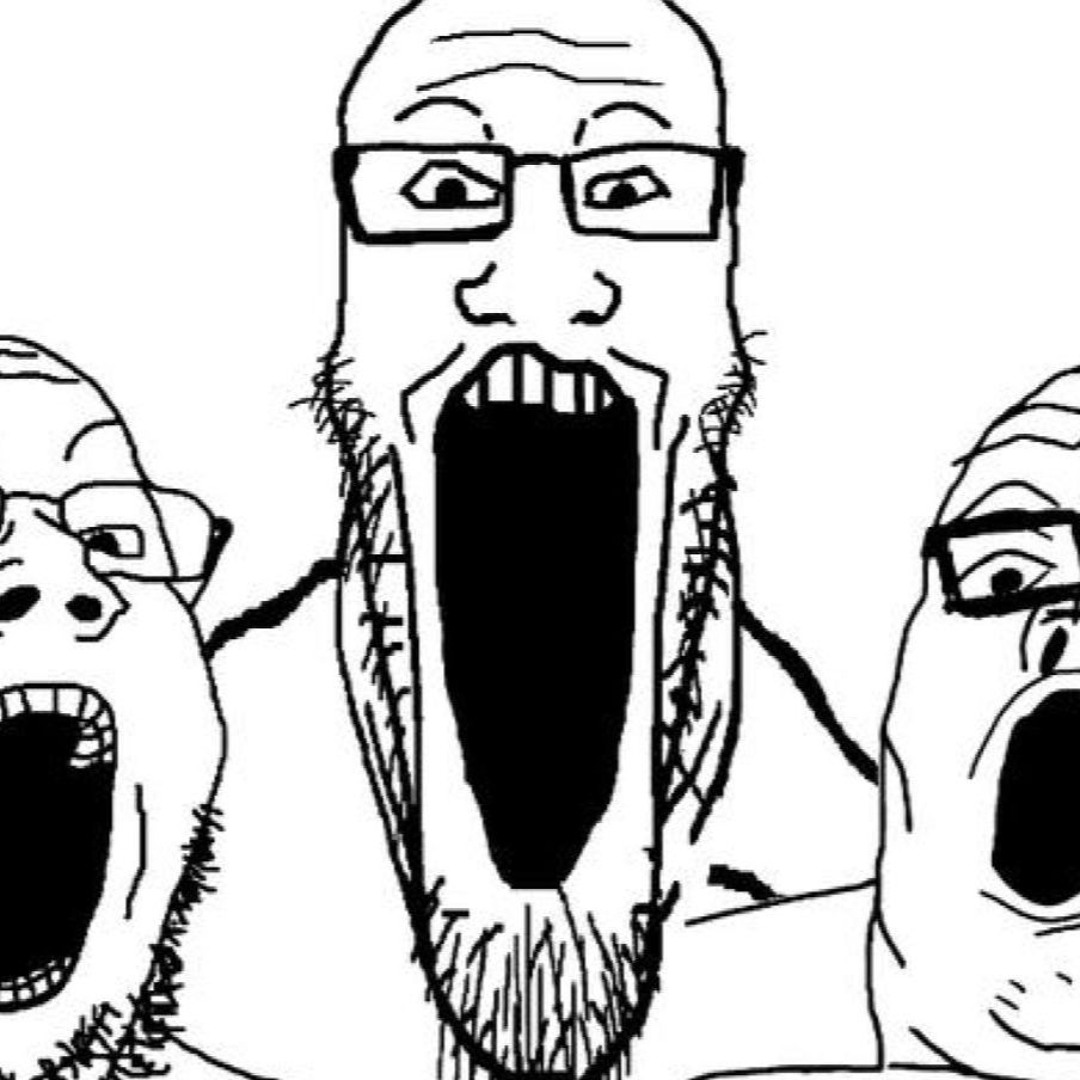
Unlike the passive, smiling, or neutral Soyjak variants who point excitedly at consumer goods, the angry Soyjak represents acute distress, impotent rage, or toxic over-emotionality. Its visual features are distinct and instantly recognizable across digital platforms:
- Exaggerated Facial Distortion: The mouth is drawn wide open, often revealing stylized teeth and an oversized tongue, capturing a moment of unhinged screaming or ranting.
- Intense Eyebrow and Eye Angulation: Sharp, downward-sloping inner eyebrows combined with wide, strained eyes signify severe anger or emotional distress.
- Facial Hair and Glasses: Most variants preserve the signature sparse facial beard (often referred to colloquially as a "soybeard") and round glasses, which originated from early 2018 caricatures.
- Veins and Reddened Skin: High-emotion variants often feature prominent bulging forehead veins, heavy facial line shading, or bright red color overlays to emphasize elevated blood pressure and loss of composure.
The visual shorthand relies heavily on caricature principles. By exaggerating small anatomical details, the image immediately signals to the viewer that the argument presented by the character is emotional, unhinged, and unconvincing.
Psychological and Social Functions in Online Discourse
In contemporary digital communication, memes function as rhetorical devices. The angry Soyjak serves specific argument dynamics within comment sections, imageboards, and video essay thumbnails across platforms like X (formerly Twitter), Reddit, and YouTube.
Dismissive Rhetoric and "Strawman" Arguments
The primary function of an angry Soyjak image is to disarm an opponent's argument without engaging in formal debate. By depicting a specific viewpoint alongside an angry Soyjak, the meme creator signals that the viewpoint stems from fragile emotion rather than sound logic.
This technique relies on the classic strawman fallacy. Instead of addressing the strongest version of an opponent's point, the creator projects the argument onto a exaggerated, weeping, or screaming character. The subtext conveys a simple message: Your opinion is an emotional outburst, not a valid argument.
Rhetorical Function in Digital Debates
In high-velocity online environments, complex nuance is frequently replaced by visual shorthand. The angry Soyjak acts as an instantaneous social marker, framing an opposing argument as irrational before the reader even processes the textual claim.
The Counter-Meme Ecosystem: Chad vs. Soyjak
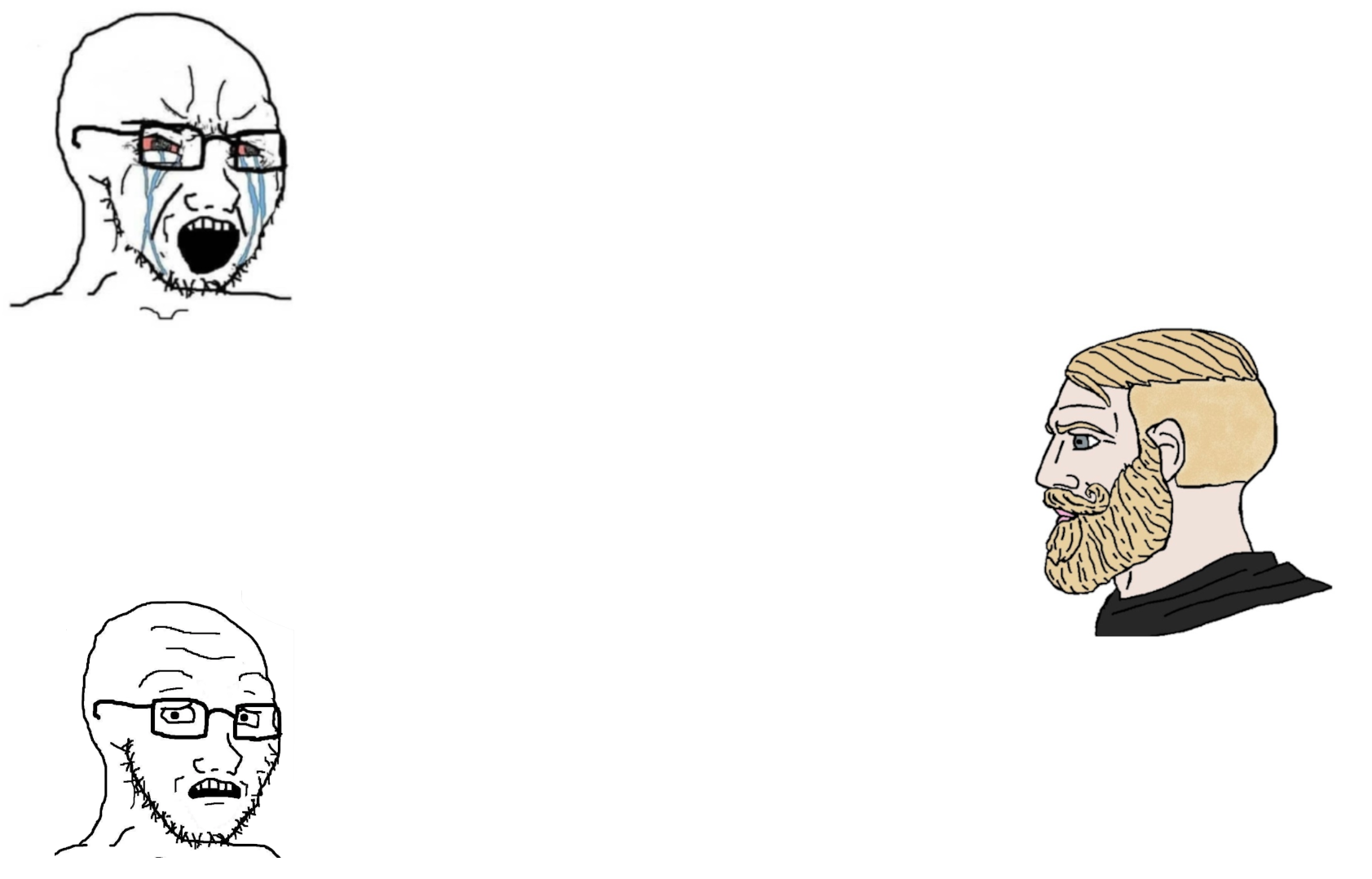
The angry Soyjak rarely exists in isolation. It frequently operates within paired meme formats, most notably the "Virgin vs. Chad" or "Soyjak vs. Chad" templates. In these multi-panel compositions:
- The Left Panel (The Angry Soyjak): Contains long walls of text, complex technical jargon, or emotionally charged rants explaining why a specific opinion, product, or philosophy is mandatory.
- The Right Panel (The Nordic Gamer / Yes Chad): Features a calm, stoic, symmetrically drawn character who responds to the rant with a brief, unbothered statement such as "Yes" or "I just like the thing."
This binary structure reinforces a cultural contrast between anxiety-driven intellectualizing and calm, unwavering confidence.
Evolution and Notable Variations of the Soyjak Lineage
As internet meme culture matured, the single angry Soyjak evolved into an extensive taxonomy of distinct characters, each tailored to specific rhetorical situations.
| Meme Variant | Primary Visual Features | Emotional Tone | Primary Usage / Context |
|---|---|---|---|
| Classic Angry Soyjak | Open screaming mouth, glasses, sparse beard, heavy eyebrow angle | Pure rage, indignation | Reacting to minor changes in media, video games, or opinions |
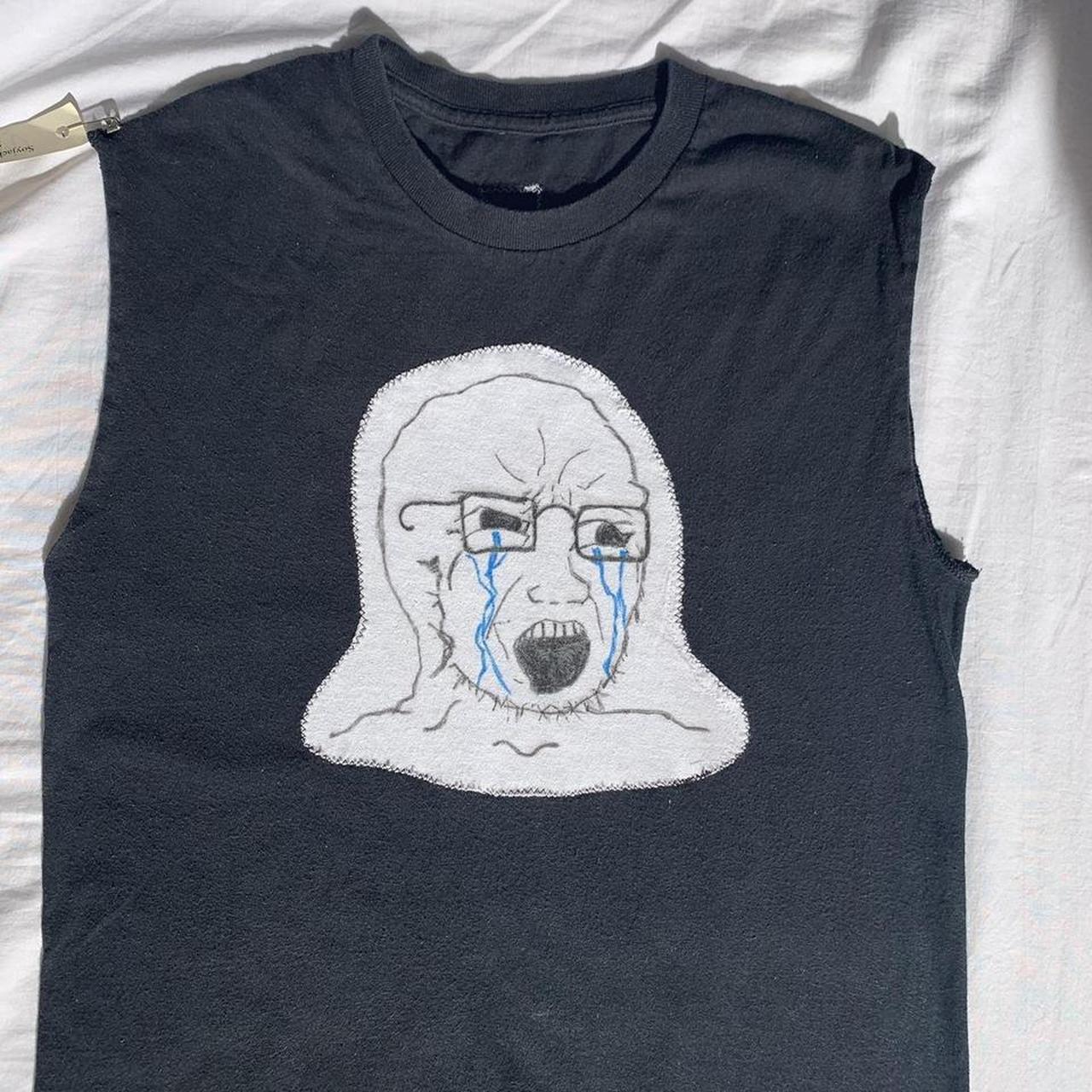
| Crying Soyjak (Soyjak Mask) | Crying eyes hidden behind a smiling or angry mask | Hidden insecurity, copium | Presenting an outwardly confident stance while suffering defeat |
| Chudjak / Poljak | Slicked hair, glasses, down-turned mouth, severe scowl | Hostile resentment, extreme cynicism | Used in political flame wars and fringe forum debates |
| Cobson | Balding head, neutral or wide-eyed stare, unrefined lines | Absurdist, detachment | Surreal shitposting across specialized meme archives |
| Wholesome Soyjak | Open-mouthed smile, pointing finger, wide eyes | Naive excitement, consumer joy | Mocking uncritical hype for corporate franchises and merchandise |
The proliferation of these sub-variants led to the creation of dedicated community archives such as the Soyjak Wiki, which documents thousands of individual character modifications and user-submitted variants.
Cultural Impact, Misuse, and Online Literacy
While memes like the angry Soyjak began as niche imageboard humor, their widespread adoption across mainstream media platforms has raised questions regarding digital rhetoric, online harassment, and ideological polarization.
The Weaponization of Caricature
Because the angry Soyjak is intentionally designed to dehumanize and ridicule, its application extends beyond lighthearted pop-culture banter into political commentary and personal harassment. Online groups frequently create custom Soyjak variants using real photographs of journalists, streamers, or public figures to invalidate their work.
When analyzing online discussions, media researchers note that heavy reliance on Soyjak formats can degrade public discourse. When debate participants rely exclusively on visual insults, constructive conversation breaks down into dynamic tribalism.
Corporate and Commercial Exposure
Unlike neutral memes that are easily adopted by commercial brands for marketing purposes, the angry Soyjak carries an inherent edge that makes corporate adoption risky. Brands attempting to use Soyjaks often face backlash from online communities who view corporate meme usage as insincere or out-of-touch.
However, content creators and video essayists regularly utilize custom angry Soyjak illustrations in YouTube thumbnails to summarize media controversies, capitalizing on high-contrast visual cues to maximize click-through rates.
How to Identify and Contextualize Memetic Outrage
Navigating modern internet culture requires a high level of digital literacy. When encountering an angry Soyjak image in online discussions, considering the following analytical framework helps maintain objective perspective:
- Separate Tone from Substance: Determine whether the underlying claim has logical merit independent of the comical illustration attached to it.
- Recognize Emotional Baiting: Understand that high-contrast, rage-inducing caricatures are designed to evoke quick emotional reactions rather than thoughtful analysis.
- Trace the Source Context: Inspect whether the meme references an active, real-world dispute or if it is an inside joke specific to a specialized subculture.
For detailed historical context on the evolution of Wojak-derived media, digital archivists often reference comprehensive repositories like Know Your Meme, which track the first documented appearances, spread, and derivative works of internet phenomena.
Frequently Asked Questions
What is the origin of the term "Soyjak"?
The term "Soyjak" is a portmanteau of "soy boy" (a slang insult popular on 2010s message boards) and "Wojak" (the original black-and-white MS Paint face meme). It was coined around 2018 to describe modified Wojak faces that caricatured men expressing intense enthusiasm or outrage over pop culture products.
What is the difference between an angry Soyjak and a regular Wojak?
The original Wojak face expresses sadness, loneliness, or gentle empathy. A Soyjak is a more detailed, caricature-style modification that typically features specific facial hair, glasses, and extreme expressions—either overly joyful pointing or intense, screaming rage.
Is using an angry Soyjak considered political?
While the format originated in politically charged imageboards, the angry Soyjak itself is politically neutral in design. It is used across the entire political spectrum as well as in completely non-political topics like video games, sports, movies, and software preferences.
What does "Soypointing" mean?
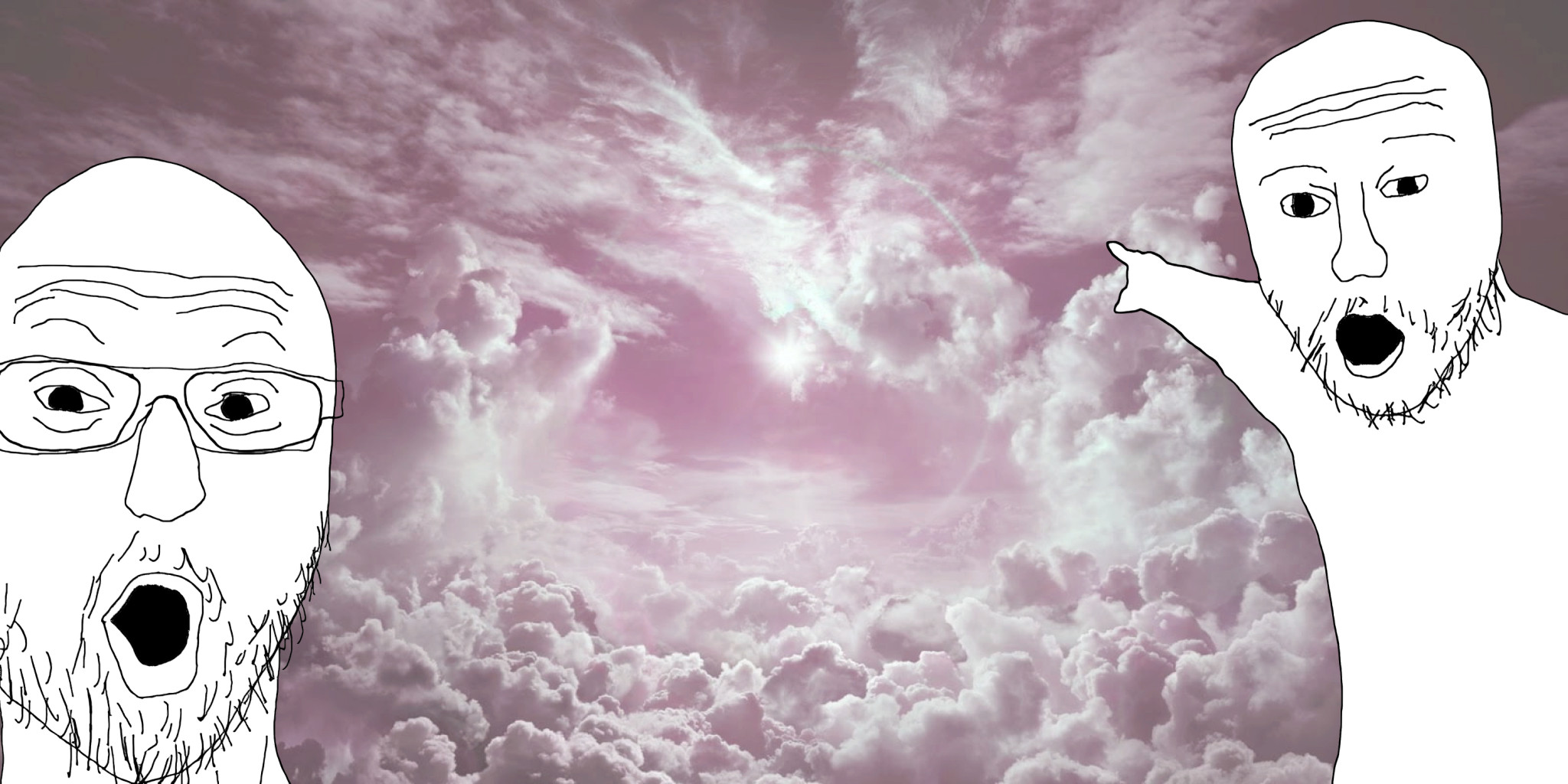
"Soypointing" refers to a related meme template featuring two Soyjaks pointing excitedly at an object or location behind them with wide-open mouths. It is typically used to mock consumerism, overhyped media releases, or people getting excessively excited about mundane things.
Can memes like the Soyjak affect online communication?
Yes. Communication researchers observe that reliance on caricature memes can reduce complex debates to simple mockery. While effective for comedic relief and quick satire, overusing them often hinders nuanced conversation by substituting logical arguments with visual insults.
Whether used as a quick jab in a comment section or analyzed as a artifact of digital communication, the angry Soyjak remains one of the most durable figures in modern internet lore. Understanding its visual language and underlying social dynamics provides valuable insight into how arguments are formed, wins are claimed, and cultural disputes are fought across the digital landscape.
Image Gallery