Understanding Mile Auto’s Licensing and Insurance Status in Florida
Mile Auto is not a direct, licensed insurance carrier issuing policies under its own name in the state of Florida; instead, it operates as a licensed digital managing general agent (MGA) and insurance agency that partners with establis...
Mile Auto is not a direct, licensed insurance carrier issuing policies under its own name in the state of Florida; instead, it operates as a licensed digital managing general agent (MGA) and insurance agency that partners with established, admitted carriers to offer usage-based auto insurance programs. Navigating the landscape of modern insurtech companies requires understanding how digital platforms interface with traditional state insurance regulations. For drivers evaluating alternative auto insurance options in the Sunshine State, clarifying whether a brand acts as the ultimate risk-bearing entity or an intermediary is vital for consumer protection, claims handling, and policy enforcement.
Contents
Insurance regulations in Florida are strictly governed by the Florida Office of Insurance Regulation (OIR). Every entity selling property and casualty insurance must maintain proper authorization, whether as an admitted carrier holding a certificate of authority or as a licensed agency and producer representing those carriers. This distinction directly impacts how policies are backed, how rates are filed, and how policyholders access state guaranty fund protections if an insurer becomes insolvent.
The Role of Mile Auto in the Insurance Ecosystem
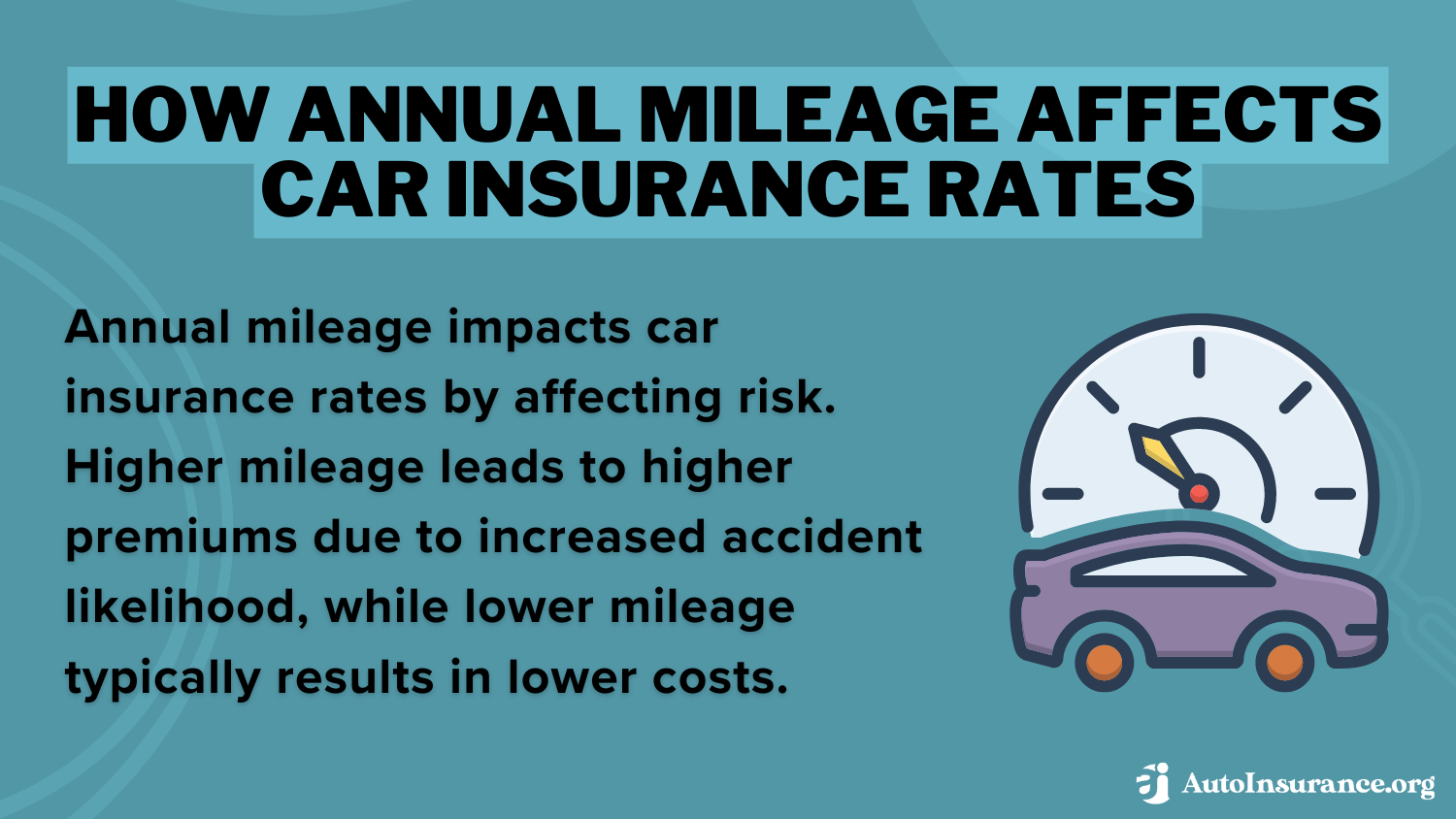
To understand how Mile Auto functions in Florida, it is necessary to examine the operational model of digital insurance agencies and managing general agents. Unlike legacy insurance companies that underwrite every policy on their own balance sheet, insurtech platforms often use a partnership model. Mile Auto specializes in per-mile or usage-based auto insurance, utilizing odometer readings submitted by drivers via smartphone applications or connected devices to calculate monthly premiums.
In this structure, Mile Auto acts as the producer, marketer, and technology provider. The actual insurance policy—the legal contract binding coverage—is underwritten by a licensed, admitted partner insurance carrier that has received approval from state regulators. This means that while Mile Auto’s customer-facing interface, pricing algorithms, and mileage-tracking technology define the user experience, the financial backing and regulatory backing of the policy rest with the partner carrier licensed in Florida.
Florida Insurance Regulatory Framework and OIR Oversight
The Florida Office of Insurance Regulation maintains a comprehensive public database of all authorized insurers, licensed agencies, and registered agents operating within the state. When consumers search for a specific brand on the OIR portal, they must differentiate between "Admitted Insurers" (companies authorized to issue policies) and "Licensed Agencies" (entities permitted to sell and service those policies).
Insurance carriers operating in Florida must comply with strict statutory requirements regarding capital reserves, solvency, rate filings, and consumer complaint handling. The Florida Insurance Guaranty Association (FIGA) provides a safety net for policyholders, but its protections typically apply to policies issued by admitted carriers rather than the intermediary agencies marketing them. Therefore, verifying the exact name of the underlying insurance carrier listed on a policy declarations page is a critical step for any Florida driver.
Verification Checklist for Florida Auto Insurance
- Check the Declarations Page: Identify the specific insurance company underwriting the policy, usually listed at the top or bottom of the document.
- Search the OIR Database: Look up the underwriting company on the Florida Office of Insurance Regulation portal to confirm its certificate of authority status.
- Verify Agency Licensing: Ensure that Mile Auto or any brokerage firm involved holds a valid non-resident or resident agency license with the Florida Department of Financial Services (DFS).
- Confirm Agent Appointment: Check that the producing agents are properly appointed by the underwriting carrier to sell insurance in Florida.
How Usage-Based Insurance Operates Under Florida Law
Usage-based insurance (UBI) and per-mile programs must comply with Florida’s stringent auto insurance statutes, including mandatory personal injury protection (PIP) and property damage liability (PDL) minimums. Under Florida Statute § 627.736, all owners of motor vehicles registered in the state must carry minimum coverage levels, regardless of how many miles the vehicle is driven annually.
Per-mile insurance programs divide the total premium into a fixed monthly base rate and a variable rate calculated per mile driven. State regulators require these rating structures to be filed and approved in advance to ensure they are not unfairly discriminatory and comply with actuarial standards. Because Mile Auto partners with licensed carriers, the rates and forms utilized for Florida drivers have undergone the requisite state regulatory review process through the underlying insurance company's filings.
Comparing Direct Carriers and Insurtech Intermediaries
Navigating the difference between traditional carriers and technology-driven agencies helps consumers make informed purchasing decisions regarding pricing transparency, claims support, and policy stability.
| Feature | Direct Admitted Carrier | Licensed Insurtech Agency / MGA (e.g., Mile Auto) |
|---|---|---|
| Risk Bearer | The company itself underwrites and pays claims. | A partner insurance carrier underwrites the policy; the MGA administers it. |
| State Authorization | Holds a direct Certificate of Authority from the OIR. | Holds an insurance agency license; partner carrier holds the OIR certificate. |
| Policy Issuance | Issues policies directly under its own brand. | Issues policies on behalf of the underwriting partner carrier. |
| Claims Handling | Handled directly by the carrier's internal adjusters. | Managed through the partner carrier or a delegated third-party administrator. |
| Regulatory Oversight | Directly regulated for solvency, reserves, and rates. | Agency practices regulated; underwriting solvency tied to the partner carrier. |
Evaluating Policyholder Protections and Claims Resolution
For Florida drivers, understanding who handles claims is just as important as knowing who issues the policy. When a policyholder insured through a per-mile program experiences an accident or loss, the claim is processed by the claims department of the underlying underwriting carrier, not directly by the technology platform's software engineers.
Policyholders should review their policy documents to identify the exact claims reporting phone number and carrier name. If disputes arise regarding claim denials or settlement amounts, complaints can be filed with the Florida Department of Financial Services, Division of Consumer Services, which regulates both insurance agencies and admitted carriers operating within the state.
Frequently Asked Questions
Is Mile Auto an insurance company?
Mile Auto is structured as a managing general agent and digital insurance agency rather than a traditional risk-bearing insurance company. It partners with licensed, admitted insurance carriers to provide the actual financial backing and policy issuance for its per-mile auto insurance programs.
Are Mile Auto policies legal for driving in Florida?
Yes, provided the policy is underwritten by an insurance carrier authorized and admitted to do business in Florida. These policies meet all mandatory state requirements, including personal injury protection and property damage liability limits mandated by Florida statutes.
How do I check if my auto insurance company is licensed in Florida?
You can verify the licensing status of any insurance company by using the company search tool on the official website of the Florida Office of Insurance Regulation. This tool allows consumers to confirm whether a company holds an active certificate of authority in the state.
What happens if an insurtech insurance partner goes out of business?
Because the policy is backed by an admitted insurance carrier, the underlying solvency and guarantees are tied to that carrier. If an admitted carrier becomes insolvent, policyholders are typically protected up to statutory limits by the Florida Insurance Guaranty Association.
How are miles tracked for Mile Auto in Florida?
Per-mile insurance programs typically require drivers to submit periodic odometer readings—often via a smartphone application or manual photo uploads—allowing the system to calculate the variable monthly mileage component of the insurance premium.
Next Actions and Recommendations
Drivers in Florida considering a per-mile or usage-based auto insurance policy through Mile Auto or similar digital platforms should take proactive steps to ensure complete coverage transparency. Always review the declarations page of your policy to identify the specific underwriting carrier, confirm that the carrier is listed as an admitted insurer on the Florida OIR portal, and verify that all mandatory state coverage minimums are fully satisfied. Evaluating both the technology platform's convenience and the underlying carrier's financial strength ensures reliable protection on Florida roadways.
Image Gallery