The History and Legal Legacy of Lady Godiva in Grand Rapids
Lady Godiva in Grand Rapids (specifically Wyoming, Michigan) was a prominent adult entertainment venue that operated for decades on Division Avenue. Known for its extensive legal battles regarding zoning ordinances and First Amendment...
Lady Godiva in Grand Rapids (specifically Wyoming, Michigan) was a prominent adult entertainment venue that operated for decades on Division Avenue. Known for its extensive legal battles regarding zoning ordinances and First Amendment rights, the establishment closed and transitioned through several rebrandings by 2018. Today, the site remains a landmark in local municipal law discussions.
Contents
The Origin and Cultural Presence of Lady Godiva’s
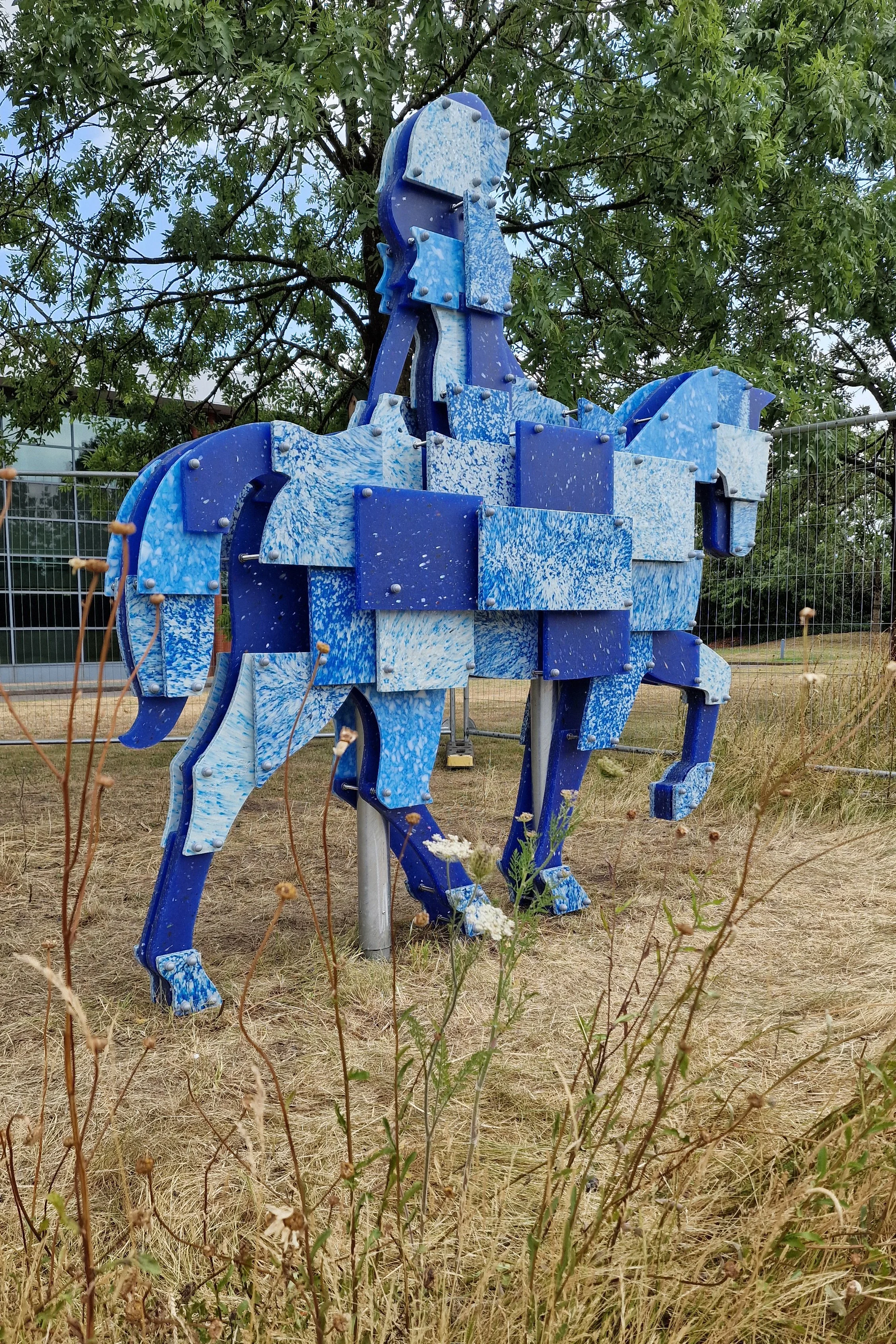
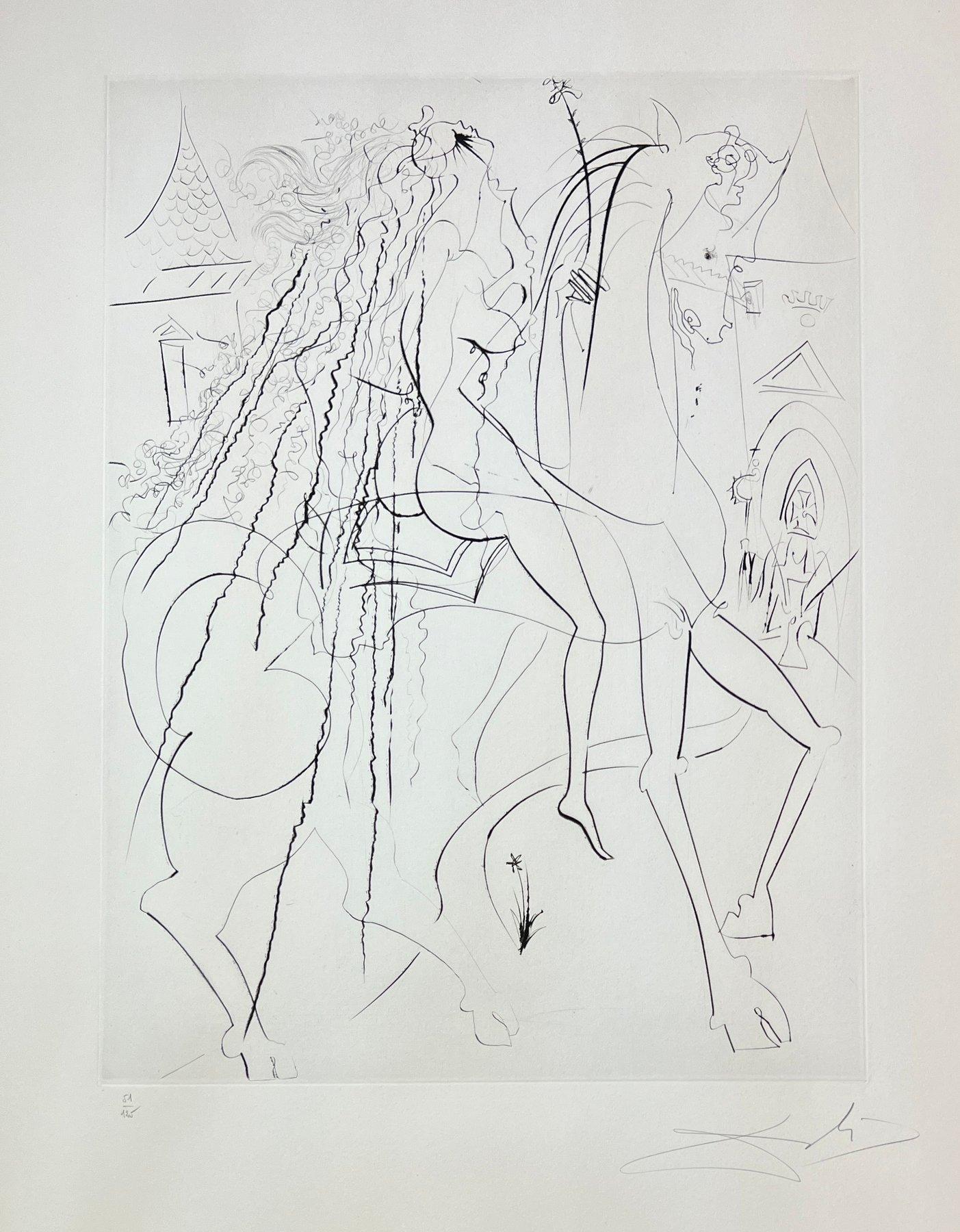
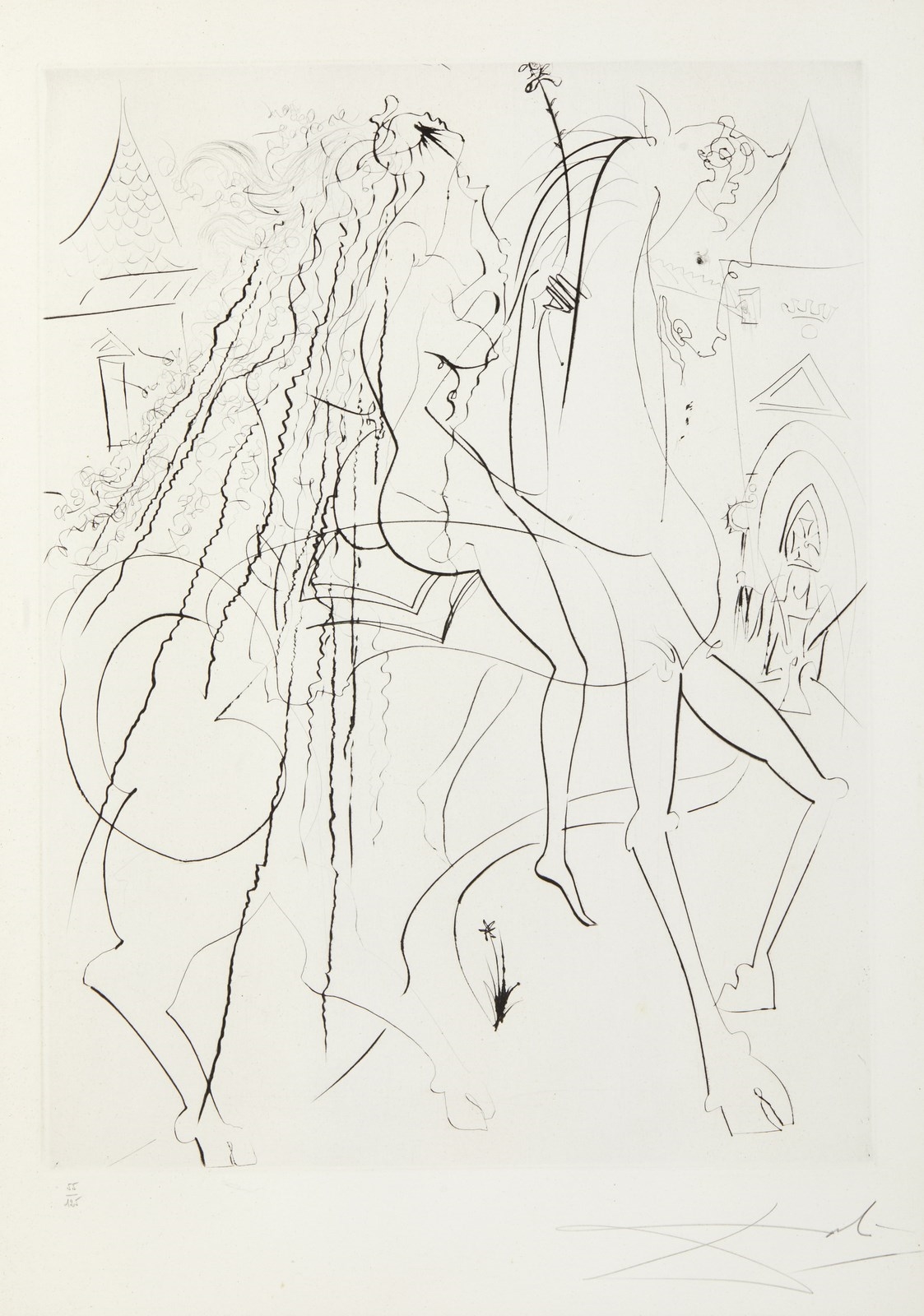
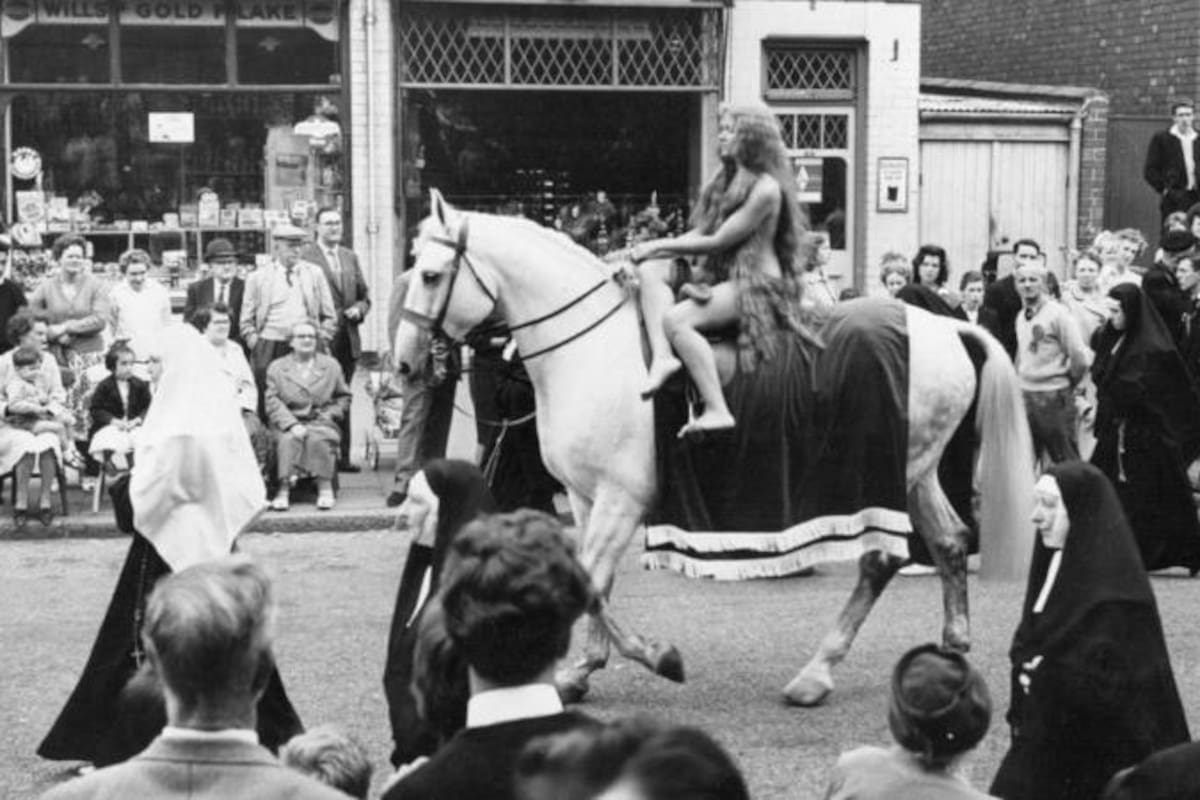
For over 30 years, the name "Lady Godiva" was synonymous with adult entertainment in the Greater Grand Rapids area. Located at 4945 Division Ave S, the club sat on the boundary between the City of Grand Rapids and the City of Wyoming. Its name was inspired by the 11th-century Anglo-Saxon noblewoman who, according to legend, rode naked through the streets of Coventry to protest the oppressive taxation imposed by her husband.
In the context of West Michigan, Lady Godiva’s was more than just a nightclub; it was a focal point of cultural and political friction. Grand Rapids and its suburbs have historically been characterized by conservative social values and a high density of religious institutions. The presence of a long-standing "gentleman’s club" on a major commercial artery like Division Avenue created a persistent tension between business owners, local residents, and municipal government officials.
During its peak years in the 1990s and early 2000s, the venue was one of the most recognizable adult establishments in the region. It featured a distinctive architectural profile and was often the subject of local lore. However, beneath the surface of the neon lights and stage performances, a complex legal struggle was unfolding—one that would eventually reach the Michigan Court of Appeals and set precedents for how municipalities manage "sexually oriented businesses" (SOBs).
Navigating the Legal Landscape: Zoning and Constitutional Rights
The history of Lady Godiva in Grand Rapids is inseparable from the legal battles it fought against the City of Wyoming. These disputes were not merely about the nature of the business, but rather about the intersection of municipal police powers and the First Amendment of the U.S. Constitution.
The "Secondary Effects" Doctrine
Municipalities like Wyoming did not attempt to ban adult entertainment outright, as that would violate constitutional protections of free expression. Instead, they utilized the "secondary effects" doctrine. This legal framework allows cities to regulate adult businesses based on the negative external impacts they are perceived to bring to a neighborhood, such as increased crime, diminished property values, or "urban blight."
The City of Wyoming enacted several ordinances aimed at restricting where such businesses could operate and how they could be licensed. Lady Godiva’s management frequently challenged these ordinances, arguing they were overly broad and designed to force the business out of existence rather than mitigate actual secondary effects.
Licensing and Nudity Restrictions
One of the most significant legal hurdles involved the distinction between "topless" and "fully nude" dancing, coupled with the sale of alcohol. Michigan law and local ordinances often dictated that establishments serving alcohol could not feature certain levels of nudity. Lady Godiva’s operated for years under specific licenses that required constant compliance checks, leading to a "cat-and-mouse" game with local law enforcement and code inspectors.
The legal costs associated with these battles were substantial for both the business and the taxpayers of Wyoming. By the mid-2010s, the regulatory pressure reached a tipping point. The city’s ability to use zoning as a tool for urban renewal along the Division Avenue corridor became a primary driver in the eventual phase-out of the Lady Godiva brand.
The 2017–2018 Transition and Rebranding
By 2017, the era of Lady Godiva’s came to a formal end. The business underwent a significant change in ownership and identity. The establishment was rebranded as The Nile, and later underwent other iterations, including attempts to pivot toward a more standard nightclub or lounge format.
The closure of the Lady Godiva brand was seen by city planners as a victory for the "Division Avenue South" redevelopment plan. The goal of this plan was to transform the corridor from a patchwork of industrial sites and adult businesses into a more cohesive, family-friendly commercial zone.
Why the Transition Occurred
Several factors contributed to the disappearance of the Lady Godiva name:
- Economic Shifts: The rise of digital adult content reduced the foot traffic and profitability of traditional brick-and-mortar gentleman’s clubs nationwide.
- Increased Enforcement: The City of Wyoming intensified its scrutiny of building codes, parking requirements, and liquor license compliance.
- Owner Retirement/Exit: Long-term operators of such businesses often choose to sell or close when the regulatory burden outweighs the operational revenue.
- Real Estate Value: As Grand Rapids expanded, the land value on South Division increased, making the site more attractive for alternative commercial development.
Comparison of Municipal Standards: Historical vs. Modern (2026)
The regulatory environment for adult businesses in the Grand Rapids area has evolved significantly since the heyday of Lady Godiva’s. The following table illustrates the shift in how these entities are managed.
| Feature | Lady Godiva Era (1990s–2010s) | Modern Standard (2026) |
|---|---|---|
| Zoning Focus | Buffer zones from schools/churches. | Intense "overlay districts" and restrictive spacing. |
| Licensing | Annual renewals with occasional disputes. | Stringent operational permits with "no-fault" revocation clauses. |
| Alcohol Laws | Complex "topless" vs. liquor permits. | Strict separation; many new SOBs are non-alcoholic. |
| Surveillance | Minimal or internal-only security. | Mandatory high-definition exterior feeds for police access. |
| Primary Challenge | First Amendment expression. | Land use and "Community Character" compliance. |
Disambiguation: Godiva Chocolatier in Grand Rapids
While the adult venue is the most historically significant search intent for "Lady Godiva Grand Rapids," it is important to distinguish it from the luxury chocolate brand, Godiva Chocolatier.
For many years, Godiva maintained a retail presence in Grand Rapids, most notably at Woodland Mall. However, in early 2021, Godiva announced the closure of all its physical retail stores in North America, including the Grand Rapids location. This move was part of a global strategy to shift toward food service and online sales.
As of 2026, those looking for Godiva chocolate in Grand Rapids will find it primarily in:
- High-end department stores (e.g., Macy’s at Woodland Mall).
- Specialty grocery chains like Meijer or Forest Hills Foods.
- Direct-to-consumer shipping via the official Godiva website.
It is rare for the chocolate brand to be referred to as "Lady Godiva" in a retail context, though the logo features the iconic image of the riding noblewoman. Most local residents use the term "Lady Godiva" specifically when discussing the historical nightclub or the legal history of the Division Avenue corridor.
The Impact on Division Avenue Redevelopment
The site formerly occupied by Lady Godiva’s has been a centerpiece in discussions regarding the South Division Corridor Plan. This area has historically struggled with poverty, crime, and aging infrastructure. City officials in both Grand Rapids and Wyoming have identified the removal of "nuisance" businesses as a prerequisite for attracting new investment.
In 2026, the area looks markedly different. The focus has shifted toward:
- Transit-Oriented Development: Leveraging the Silver Line (Bus Rapid Transit) that runs along Division Avenue.
- Affordable Housing: Converting old commercial plots into mixed-use residential units.
- Small Business Grants: Encouraging entrepreneurs to open cafes, boutiques, and professional offices in place of the former adult venues.
The legacy of Lady Godiva’s serves as a case study for urban planners on how to navigate the "grandfathering" of non-conforming businesses. Because the club existed before many of the modern zoning laws were written, it was legally protected for a long time, demonstrating the slow pace of municipal transformation.
Regulations for Adult Entertainment in 2026
If an entrepreneur were to attempt to open a business similar to Lady Godiva’s in the Grand Rapids area today, they would face a vastly different regulatory landscape.
Distance Requirements
Current ordinances in Wyoming and Grand Rapids generally require a minimum distance of 1,000 feet from any "protected use," which includes schools, churches, parks, libraries, and residential zones. Given the density of Grand Rapids, finding a plot that satisfies these requirements is nearly impossible, effectively creating a "de facto" ban without explicitly violating the First Amendment.
Administrative Oversight
Modern businesses must provide detailed background checks for all "key employees," not just the owners. Furthermore, the definition of "adult entertainment" has expanded in many local codes to include various forms of semi-nude performance that were previously in a legal gray area.
Public Health and Safety
Current 2026 standards often involve strict health department inspections that go beyond food safety, focusing on interior lighting levels, booth configurations (to prevent illicit activity), and mandatory security personnel ratios.
Frequently Asked Questions
Is Lady Godiva's still open in Grand Rapids?
No, Lady Godiva’s is no longer in operation. The business closed its doors under that name around 2017-2018. The location has since seen several rebranding attempts and changes in management, moving away from the "Lady Godiva" identity that defined it for decades.
Who owned Lady Godiva’s in Grand Rapids?
The business was owned and operated by various private entities over the years, most notably associated with the family of local businessmen who held several adult-use licenses in West Michigan. Ownership records were often the subject of scrutiny during liquor license hearings with the Michigan Liquor Control Commission.
Where was Lady Godiva’s located?
The club was located at 4945 Division Ave S, Wyoming, MI 49548. This location is on the South Division Avenue corridor, a major north-south thoroughfare that connects Grand Rapids to its southern suburbs.
Was the club related to the Godiva chocolate brand?
No. There was no legal or business affiliation between the Lady Godiva adult entertainment venue and Godiva Chocolatier. The club used the name based on the historical legend of Lady Godiva, which is in the public domain, whereas the chocolate company uses it as a trademarked brand.
What is currently at the old Lady Godiva's site?
As of 2026, the site has transitioned through several nightclub phases, including "The Nile." The building and the surrounding lot have been part of ongoing discussions for broader commercial redevelopment along the Division Avenue corridor, reflecting the area's shift away from adult-oriented businesses.
Final Recommendation for Researchers and Residents
For those researching the history of Lady Godiva in Grand Rapids, the most valuable resources are the municipal archives of the City of Wyoming and the legal records of the Michigan Court of Appeals. These documents provide a factual account of the zoning battles that shaped the region’s land-use policies.
If you are a resident or developer interested in the current state of the property, consulting the Kent County Register of Deeds will provide the most up-to-date ownership and tax information. The area continues to evolve, and the story of Lady Godiva’s remains a significant chapter in the broader narrative of West Michigan’s urban development and legal history.
Image Gallery