Navigating the Seattle Marketplace: Complete Economic and Local Guide for 2026
The Seattle marketplace encompasses a dynamic digital and physical ecosystem ranging from the historic Pike Place Market to specialized regional e-commerce hubs, local maker communities, and business-to-business vendor networks. Unders...
The Seattle marketplace encompasses a dynamic digital and physical ecosystem ranging from the historic Pike Place Market to specialized regional e-commerce hubs, local maker communities, and business-to-business vendor networks. Understanding this local economy requires analyzing regulatory compliance, consumer trends, and operational infrastructure across the Pacific Northwest.
Contents
Defining the Seattle Marketplace Ecosystem
The Seattle marketplace is not a single entity, but rather a complex network of physical public markets, regional digital exchanges, and hyper-local commercial nodes. Situated in King County, this market reflects the unique economic drivers of the Pacific Northwest, heavily influenced by tech sector employment, environmental consciousness, and a robust small-business culture.
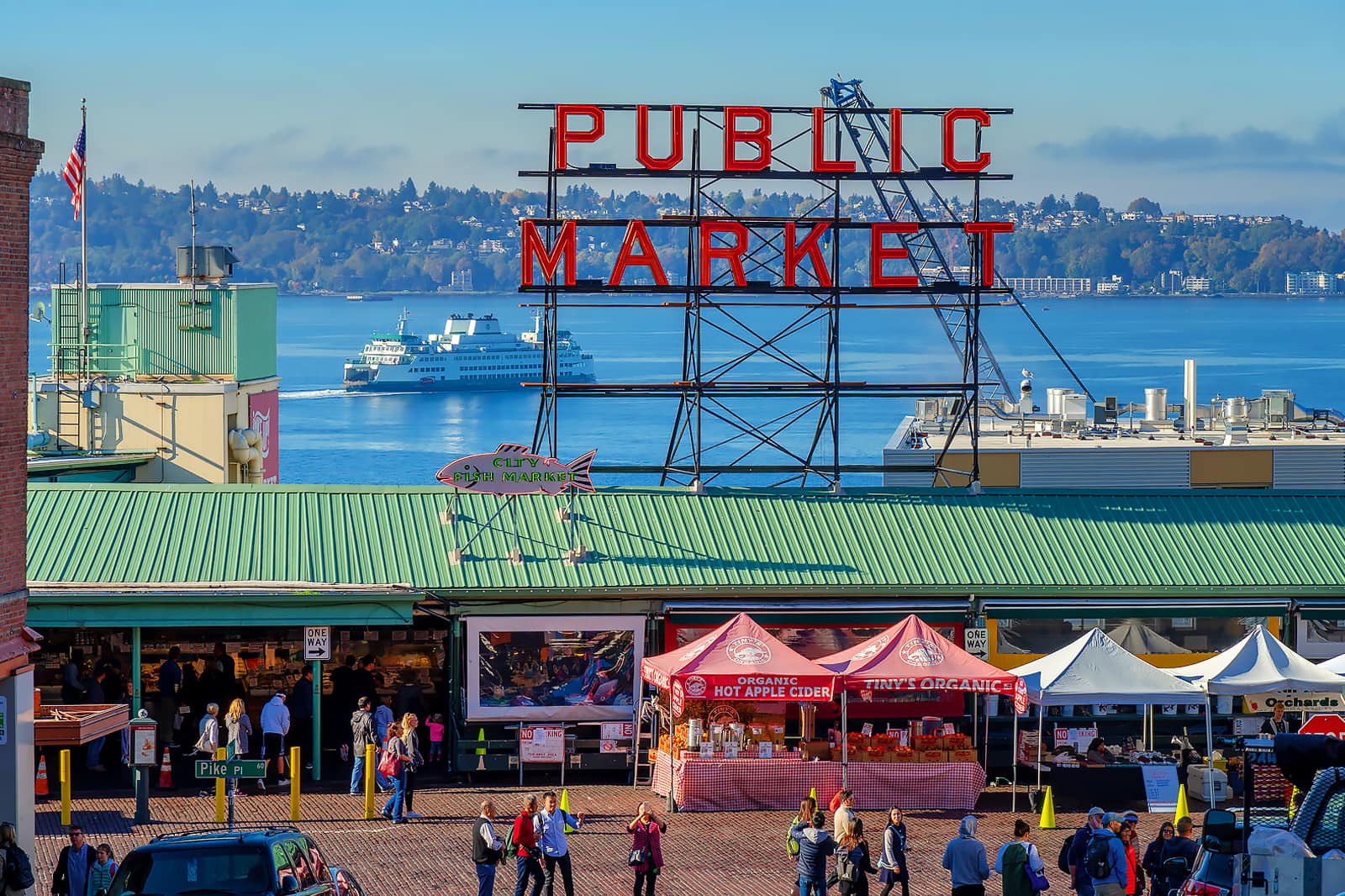
Physical institutions such as Pike Place Market anchor the retail and artisanal landscape, while digital counterparts and neighborhood commercial districts drive modern consumer habits. Navigating this environment successfully requires recognizing the distinct operational rules governing both physical vending spaces and digital storefronts within the city limits.
Key Economic Drivers and Demographics
Consumer behavior in the Seattle marketplace is shaped by a high median household income, a technologically literate workforce, and a strong preference for sustainable, locally sourced goods. Merchants operating in this territory must account for distinct demographic traits:
- High adoption rates of digital payment systems and contactless transactions.
- Premium placed on eco-friendly packaging and ethically manufactured products.
- Seasonal shopping fluctuations driven by tourism peaks during the summer months and rainy-season indoor retail shifts.
Regulatory Framework and Compliance for Seattle Vendors
Operating within the Seattle marketplace demands strict adherence to municipal, county, and state regulations. Businesses failing to meet these statutory requirements face immediate penalties, permit revocations, or operational shutdowns by local authorities.
Essential Licensing and Tax Obligations
Every merchant engaging in commercial activity within Seattle must secure the appropriate credentials before launching operations. The regulatory hierarchy requires specific steps:
- Washington State Business License: Issued through the Washington State Department of Revenue, establishing the Unified Business Identifier (UBI) number.
- Seattle City Business License: Required for any business physically located within city limits or conducting systematic business inside Seattle.
- King County Health Permits: Mandatory for any vendor handling, preparing, or selling food products within public markets or temporary events.
- Specialty Permits: Alcohol licensing, fire safety permits for indoor booths, and street-use permits for mobile vendors operating on public right-of-ways.
Tax compliance is another critical pillar. Vendors must collect and remit retail sales tax based on the correct local tax jurisdiction code for Seattle, which incorporates state, county, and municipal transit district rates.
Physical Markets Versus Digital Platforms
Sellers entering the Seattle marketplace often weigh the benefits of securing physical retail stalls against launching digital storefronts tailored to local consumers. Each channel presents distinct operational costs, foot traffic dynamics, and logistical demands.
| Feature / Factor | Physical Markets (e.g., Pike Place, Neighborhood Bazaars) | Digital Seattle Marketplaces & Local E-Commerce |
|---|---|---|
| Initial Overhead | High (Booth fees, display buildout, physical inventory) | Low to Moderate (Platform subscriptions, digital hosting) |
| Customer Reach | High local foot traffic and regional tourists | Geographically targeted to Western Washington |
| Operational Hours | Fixed market hours, weather-dependent | 24/7 automated transactions and fulfillment |
| Logistics & Fulfillment | Immediate point-of-sale exchange | Requires local delivery infrastructure or shipping |
| Regulatory Burden | Strict health, fire, and venue-specific rules | State tax collection, e-commerce terms of service |
Step-by-Step Guide to Launching a Business in the Seattle Marketplace
Entering this regional market requires a methodical approach to product validation, logistics setup, and community integration.
Step 1: Market Research and Product-Market Fit
Analyze existing local competitors and identify gaps in the regional supply chain. Focus on what Seattle consumers value: sustainability, local provenance, and innovative design. Evaluate whether your product appeals better to tourists visiting waterfront districts or residents seeking neighborhood-specific utility.
Step 2: Establish Legal Entity and Secure Tax ID
Register your business structure (LLC, Sole Proprietorship, Corporation) with the Washington Secretary of State. Obtain your federal Employer Identification Number (EIN) and state UBI number to ensure legal standing for wholesale purchasing and tax reporting.
Step 3: Secure Commercial Space or Digital Infrastructure
If pursuing a physical presence, submit applications to historic market management teams or commercial leasing agents well in advance, as waitlists can span months. For digital ventures, build a localized e-commerce site optimized for regional search terms and fast local fulfillment.
Step 4: Implement Localized Marketing Strategies
Leverage localized SEO, partner with Pacific Northwest influencers, and participate in community pop-up events to build initial brand recognition. Establishing trust within the local consumer base accelerates word-of-mouth marketing across King County.
Common Pitfalls and Mitigation Strategies
New entrants to the Seattle marketplace frequently encounter preventable operational bottlenecks. Anticipating these challenges ensures long-term business viability.
Logistical Challenges in Urban Core Traffic and Parking Realities: Delivering goods within downtown Seattle and dense neighborhoods like Capitol Hill or Ballard involves severe parking constraints and congestion. Merchants must schedule deliveries during off-peak hours and utilize designated loading zones to avoid costly municipal citations.
Seasonality and Cash Flow Management Revenue Volatility: Heavy reliance on summer tourist traffic can leave businesses vulnerable during the slower winter months. Maintaining a diversified revenue stream—such as blending physical market stalls with a robust year-round online shipping operation—stabilizes cash flow through seasonal downturns.
Frequently Asked Questions
What licenses do I need to sell goods in public spaces in Seattle?
Sellers need a Washington State Business License, a Seattle City Business License, and potentially specialized permits such as King County health approvals for food items. Additional venue-specific vendor agreements are required for spaces like Pike Place Market.
How are sales taxes calculated for transactions within Seattle?
Sales tax must be collected based on the specific location where the sale occurs. The combined state, county, and local tax rate for Seattle applies to retail transactions, and merchants are responsible for remitting these funds to the Washington State Department of Revenue.
Are there specific restrictions on packaging materials in Seattle?
Yes, Seattle enforces strict environmental ordinances regarding single-use plastics and food service packaging. Businesses must utilize compostable or recyclable packaging that complies with city waste management standards.
How can small businesses secure a booth at Pike Place Market?
Securing a space requires submitting an application directly through the Pike Place Market administration, meeting specific producer-only or craft criteria, and often navigating an established waiting list based on product category.
What is the best way to handle local delivery logistics in Western Washington?
Many regional merchants partner with local courier services specializing in same-day Pacific Northwest delivery or utilize consolidated fulfillment centers located near major distribution corridors like Interstate 5 and Interstate 405.
Strategic Recommendations for Long-Term Success
Succeeding in the Seattle marketplace demands agility, regulatory vigilance, and a commitment to quality that resonates with Pacific Northwest consumers. Prioritize transparent supply chains, maintain compliance with municipal tax and environmental laws, and leverage both physical and digital touchpoints to capture maximum market share. Begin by auditing your licensing requirements and establishing a clear logistical framework tailored to the unique geography of King County.
Image Gallery