The Evolution and Legacy of the 55 Jersey Number: Historical Usage and Notable Players
The number 55 holds a distinct place in sports history, often worn by relentless linebackers in American football, resilient interior linemen, and impactful basketball players who bridge the gap between grit and skill. While single-dig...
The number 55 holds a distinct place in sports history, often worn by relentless linebackers in American football, resilient interior linemen, and impactful basketball players who bridge the gap between grit and skill. While single-digit numbers and traditional position-based digits often dominate sports lore, the double-five carries a unique visual weight and a legacy forged by fiercely competitive athletes.
Contents
Historical Origins and Positional Evolution of Number 55
To understand the trajectory of the 55 jersey number, one must examine how roster numbering systems evolved across major sports leagues. In American football, numbering rules historically assigned specific digits to designated positions to help officials, broadcasters, and fans identify players on the field. While single digits were long reserved for quarterbacks, kickers, and defensive backs, and lower tens for running backs and receivers, the 50s became the traditional home for linebackers and offensive linemen.
In this context, the number 55 naturally embedded itself into the defensive front seven. Linebackers wearing 55 were frequently tasked with anchoring the defense, calling defensive schemes, and serving as primary pass rushers or run stuffers. Over time, as NFL and collegiate numbering regulations relaxed—allowing a wider array of positions to wear numbers in the 50s and beyond—the cultural perception of the number shifted. It transformed from a mere positional identifier into a badge of toughness, leadership, and defensive excellence.
Similarly, in basketball, where jersey numbers were historically restricted to digits from 0 to 5 for referee signaling purposes, the number 55 was initially impossible under strict collegiate and early professional rules. Once restrictions loosened to allow higher digits, players embracing 55 often did so to stand out, make a statement, or honor a personal milestone. In soccer, where numbers traditionally aligned with starting formations (1 through 11), players wearing 55 are almost exclusively modern squad members making unorthodox choices, often associated with squad rotation numbers in European club competitions or high-profile transfers.
Notable NFL Players Who Wore Jersey Number 55
The National Football League provides the richest historical archive for the number 55, featuring Hall of Famers, Defensive Players of the Year, and franchise cornerstones.
Junior Seau
Perhaps the most iconic bearer of the 55 jersey in NFL history is Junior Seau. A 12-time Pro Bowler and 10-time First-team All-Pro, Seau embodied the relentless motor and emotional heartbeat of the San Diego Chargers defense for over a decade. Wearing 55, Seau played with an unmatched intensity that terrorized opposing offenses, flying sideline to sideline and establishing a gold standard for modern inside and outside linebackers. His legacy cemented the number as a symbol of elite defensive leadership.
Willie Lanier
Before Seau, the number 55 was elevated to legendary status by Kansas City Chiefs middle linebacker Willie Lanier. A Pro Football Hall of Inductee and a cornerstone of the Chiefs' dominant defense in the late 1960s and 1970s—including their victory in Super Bowl IV—Lanier was renowned for his ferocious tackling intellect and calm demeanor. Nicknamed "Contact," Lanier showed that the 55 jersey could represent both cerebral command and physical dominance in the middle of the field.
Derrick Brooks
Though primarily celebrated for his historic career in the number 55 for the Tampa Bay Buccaneers, Derrick Brooks redefined the weak-side linebacker position. As the defensive anchor of the famous "Tampa 2" scheme, Brooks earned 11 Pro Bowl nods, was named NFL Defensive Player of the Year in 2002, and captured a Super Bowl ring. His instincts, pass-coverage ability, and durability made 55 synonymous with intelligent, highly efficient linebacker play.
Other Notable NFL Contributors
- Chandler Jones: A premier pass rusher known for racking up double-digit sack seasons across multiple franchises, utilizing his length and speed from various defensive alignments.
- Rickey Jackson: A dominant force for the New Orleans Saints as part of the legendary "Dome Patrol" linebacker corps, eventually entering the Pro Football Hall of Fame.
- Joey Porter: A fiery, vocal pass rusher who brought immense energy and productivity to the Pittsburgh Steelers and Miami Dolphins.
| Player | Position | Primary Franchise(s) | Career Highlights & Accolades |
|---|---|---|---|
| Junior Seau | Linebacker | San Diego Chargers | 12× Pro Bowl, 10× First-team All-Pro, NFL 1990s All-Decade Team |
| Willie Lanier | Linebacker | Kansas City Chiefs | Pro Football Hall of Fame, Super Bowl IV Champion, 8× All-AFL/Pro Bowl |
| Derrick Brooks | Linebacker | Tampa Bay Buccaneers | Pro Football Hall of Fame, Super Bowl XXXVII Champion, NFL DPOY (2002) |
| Rickey Jackson | Linebacker | New Orleans Saints | Pro Football Hall of Fame, 6× Pro Bowl, elite pass rusher |
| Chandler Jones | Linebacker / Edge | New England Patriots, Arizona Cardinals | Super Bowl XLIX Champion, 4× Pro Bowl, multi-time sack leader |
Impact of Number 55 in Basketball and Other Sports
While football claims the most prominent historical footprint for the number, other sports feature notable figures who donned 55 to leave a lasting impression.
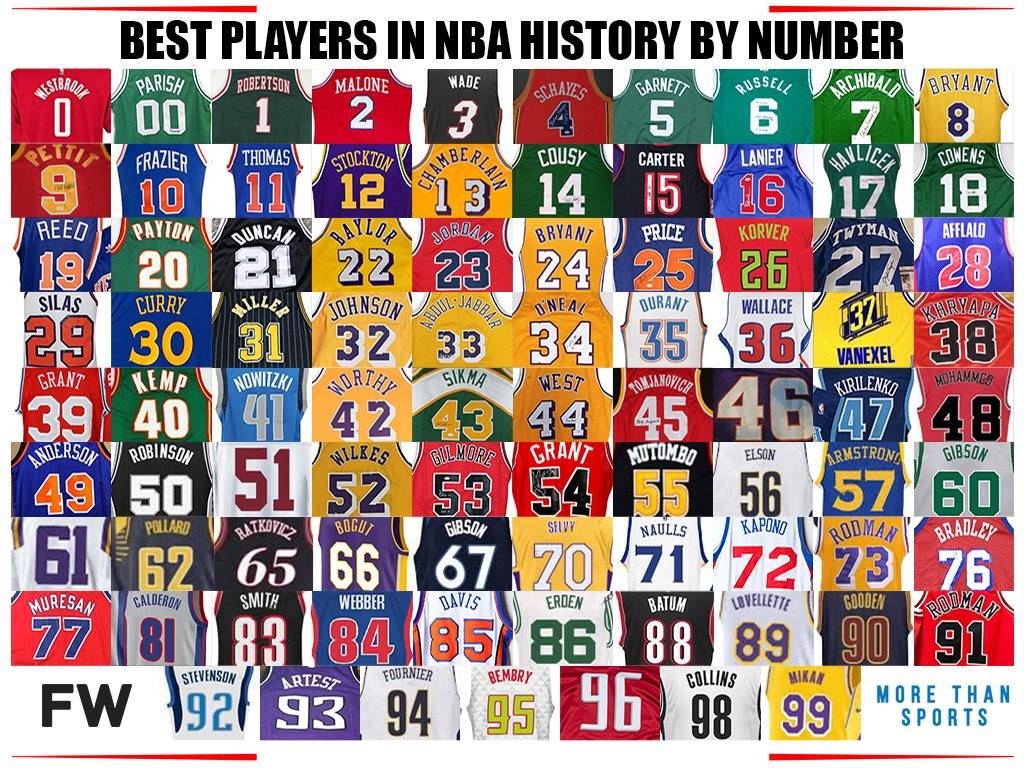
In professional basketball, the number 55 is relatively uncommon due to traditional numbering customs, but it has been worn to great effect. Jason Williams, famously known as "White Chocolate," electrified the NBA during the late 1990s and 2000s with his dazzling, playground-style passing and ball-handling while wearing number 55 for the Sacramento Kings and other teams. His style popularized the number among a generation of guards who valued creativity and flair.
In international sports, the significance of jersey numbers often shifts from rigid positional requirements to personal branding or squad availability. However, athletes who select higher numbers like 55 frequently do so to forge a distinct identity on the pitch or court, distancing themselves from traditional starting XI designations while maintaining high-visibility presence.
Cultural Significance and Fan Perception
The visual symmetry of double digits—particularly double-five—carries aesthetic appeal that influences both players and merchandise manufacturers. Fans frequently gravitate toward jerseys with repeating digits like 11, 22, 33, 44, and 55 because of their balanced appearance on the back of a uniform.
Furthermore, when a franchise retires a number like 55—as the Kansas City Chiefs did for Willie Lanier—it elevates the digits from mere fabric identifiers to permanent symbols of organizational excellence. New players entering a franchise often view requesting such a number as accepting a heavy mantle of responsibility, knowing they must measure up to the historical precedent set by previous occupants.
Frequently Asked Questions
Why is the number 55 historically popular for linebackers?
Under historical NFL numbering conventions, linebackers were assigned numbers in the 50s and 60s. As players like Willie Lanier and Junior Seau achieved legendary status while wearing 55, the number became deeply associated with defensive leadership, tackling prowess, and pass-rushing excellence.
Which NFL players in the Hall of Fame wore jersey number 55?
Several prominent Pro Football Hall of Famers wore 55, most notably middle linebacker Willie Lanier of the Kansas City Chiefs, outside linebacker Junior Seau of the San Diego Chargers, and linebacker Rickey Jackson of the New Orleans Saints.
Are jersey numbers like 55 restricted in professional sports leagues?
Rules vary by league. Modern NFL rules permit a wide range of offensive and defensive positions to wear numbers in the 50s, whereas historical rules were much stricter. In basketball and soccer, higher numbers are generally permitted, though league-specific registration guidelines apply.
Which basketball player is most famous for wearing number 55?
Jason Williams ("White Chocolate") is one of the most recognizable NBA players to wear number 55, known for his flashy passing and ball-handling wizardry during his career with the Sacramento Kings and Miami Heat, where he won an NBA championship in 2006.
What does it mean when a team retires a jersey number like 55?
When a sports franchise retires a jersey number, it ensures that no future player for that organization will ever wear it again. This honor is reserved for individuals who made extraordinary contributions to the team's history, culture, and success on the field.
Practical Considerations for Jersey Selection and Collector Value
For sports memorabilia collectors and fans purchasing authentic jerseys, understanding historical numbering holds financial and sentimental weight. Jerseys bearing the name and number of Hall of Famers who wore 55—such as Junior Seau or Willie Lanier—retain significant collector value, especially when certified as game-worn or officially licensed vintage throwbacks. When evaluating a jersey purchase, collectors should verify official league licensing, correct period-accurate font styles, and proper patching to ensure authenticity.
Image Gallery