Who Bought David Gilmour’s Black Strat? The Story of a Record-Breaking Auction
Jim Irsay, the owner of the Indianapolis Colts, purchased David Gilmour’s iconic "Black Strat" for $3,975,000 during the Christie’s New York auction on June 20, 2019. This landmark sale made it the most expensive guitar in the world at...
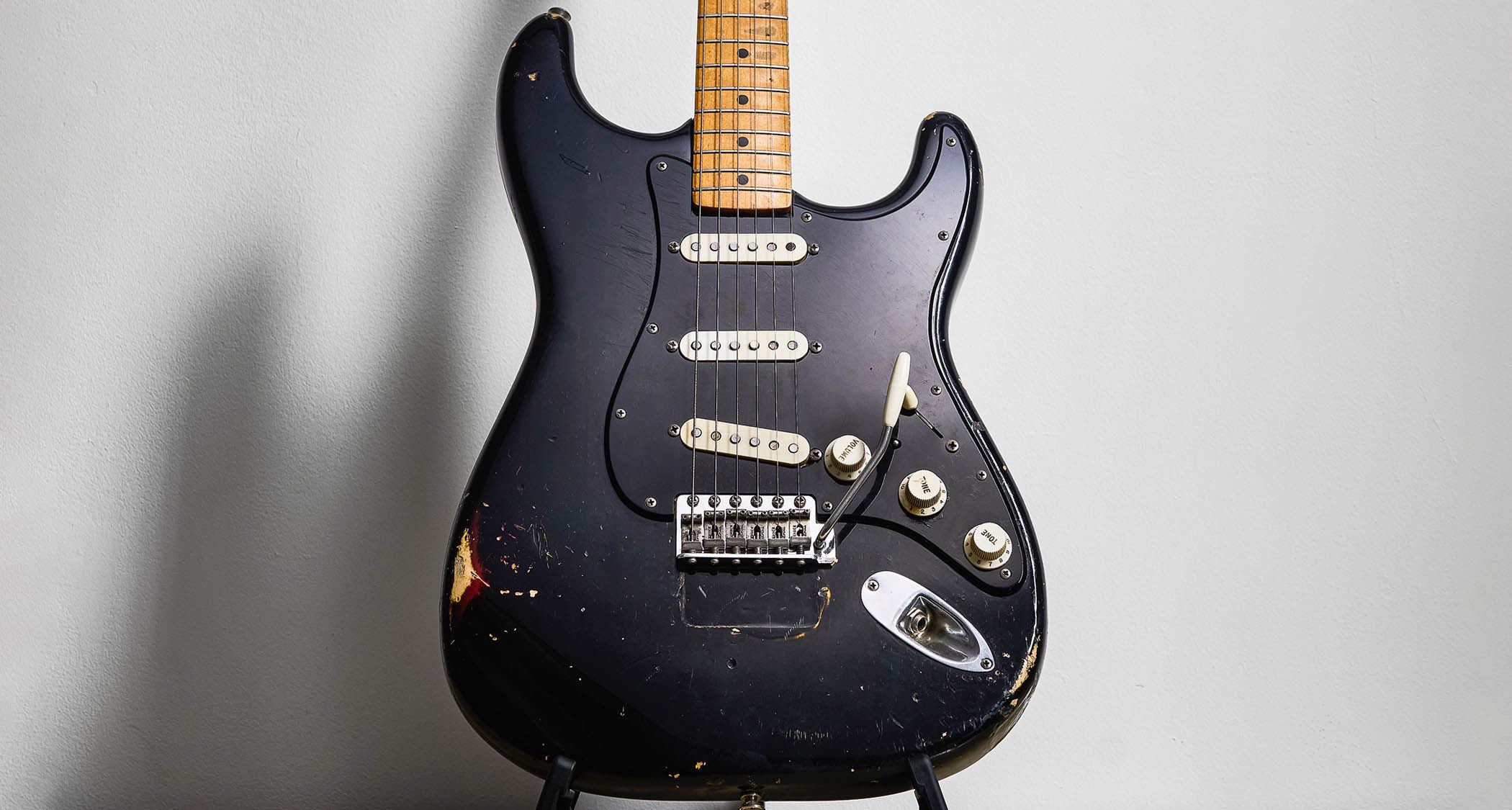
Jim Irsay, the owner of the Indianapolis Colts, purchased David Gilmour’s iconic "Black Strat" for $3,975,000 during the Christie’s New York auction on June 20, 2019. This landmark sale made it the most expensive guitar in the world at the time, with all proceeds benefiting the climate change charity ClientEarth.
Contents
The Black Strat is more than just a piece of musical equipment; it is perhaps the most significant instrument in the history of progressive rock. Throughout its decades-long tenure with David Gilmour, the guitar underwent constant evolution, mirroring the sonic shifts of Pink Floyd. As we look back from 2026, the auction remains a defining moment for instrument collectors and music historians alike, solidifying the instrument's status as a cultural relic.
The Christie’s Auction: A Historic Event
In June 2019, David Gilmour announced he would be parting with over 120 guitars from his personal collection. The centerpiece of "The David Gilmour Guitar Collection" was undoubtedly the 1969 Black Fender Stratocaster. The auction was held at Christie’s in New York and drew massive international attention, with fans queuing for hours just to view the collection during its pre-sale exhibition.
The auction room was electric. While the Black Strat was estimated to fetch between $100,000 and $150,000, those figures were quickly shattered. Within minutes, the bidding climbed into the millions. When the hammer finally fell at nearly $4 million, the room erupted. The total for the entire collection reached $21.5 million, setting a new benchmark for musical instrument auctions.
The Buyer: Jim Irsay’s Mission of Preservation
Jim Irsay is not merely a billionaire sports team owner; he is one of the world's most prolific collectors of historical artifacts. His collection, known as The Jim Irsay Collection, includes a wide array of items ranging from Jack Kerouac’s original "On the Road" manuscript to instruments played by The Beatles, Prince, and Bob Dylan.
Irsay’s motivation for buying the Black Strat was rooted in a desire to preserve rock and roll history. In various interviews following the purchase, Irsay expressed that he views himself as a steward of these items rather than just an owner. By 2026, Irsay has continued his tradition of bringing his collection to the public via free exhibitions and "pop-up" museums, ensuring that fans of Pink Floyd can still see the guitar in person rather than having it locked away in a private vault.
Beyond the Black Strat, Irsay also purchased two other significant guitars from the Gilmour auction:
- The 1969 Martin D-35: Used as Gilmour’s primary studio acoustic for decades (heard on "Wish You Were Here").
- The #0001 Stratocaster: A unique white Stratocaster with gold hardware, famously used on the "Another Brick in the Wall (Part 2)" rhythm tracks.
The Technical Evolution of the Black Strat
To understand why someone would pay nearly $4 million for a Fender Stratocaster, one must understand the technical journey of this specific instrument. David Gilmour bought the guitar in May 1970 from Manny’s Music in New York City after his previous black Stratocaster was stolen while on tour.
The "Black Strat" was never a static instrument. Gilmour used it as a testing bed for various modifications, making it a "Frankenstein" guitar of sorts. Over the years, it saw numerous changes to its neck, pickups, and electronics.
Key Specifications and Modifications
- The Neck: The guitar originally came with a maple neck, but Gilmour swapped it for a rosewood neck in 1972. By 1978, he returned to a maple neck, eventually settling on a 1983 Fender "57 Reissue" maple neck, which remains on the guitar today.
- The Pickups: While it began with stock 1969 pickups, Gilmour experimented heavily. He famously installed a Seymour Duncan SSL-5 in the bridge position in the late 70s to achieve a fatter, more sustained lead tone.
- The "Gilmour Switch": One of the most famous modifications is a small toggle switch that allows the neck pickup to be activated in combination with the bridge or middle pickups. This provides a "tele-like" chime or a uniquely thick three-pickup sound.
- The Tremolo System: In the early 1980s, Gilmour briefly installed a Kahler tremolo system, which required routing out a section of the wood. He later had this removed and the wood "filled" with a new piece of ash, then refinished in black.
| Component | Original State (1970) | Auction State (2019/Current) |
|---|---|---|
| Body Wood | Alder | Alder (with Kahler route repair) |
| Pickguard | White 3-ply | Black 1-ply (Acrylic) |
| Bridge Pickup | Stock Fender 1969 | Seymour Duncan SSL-5 |
| Neck | 1969 Maple | 1983 "57 Reissue" Maple |
| Switching | Standard 5-way | 5-way with "Neck-On" Toggle |
| Tuning Pegs | Fender "F" Style | Fender "F" Style |
Why the Black Strat is Culturally Significant
The Black Strat is the voice behind some of the most famous guitar solos in history. It was the primary instrument for the albums The Dark Side of the Moon, Wish You Were Here, Animals, and The Wall. When you hear the soaring, melodic solos of "Comfortably Numb" or the rhythmic delay-heavy patterns of "Time," you are hearing this specific guitar.
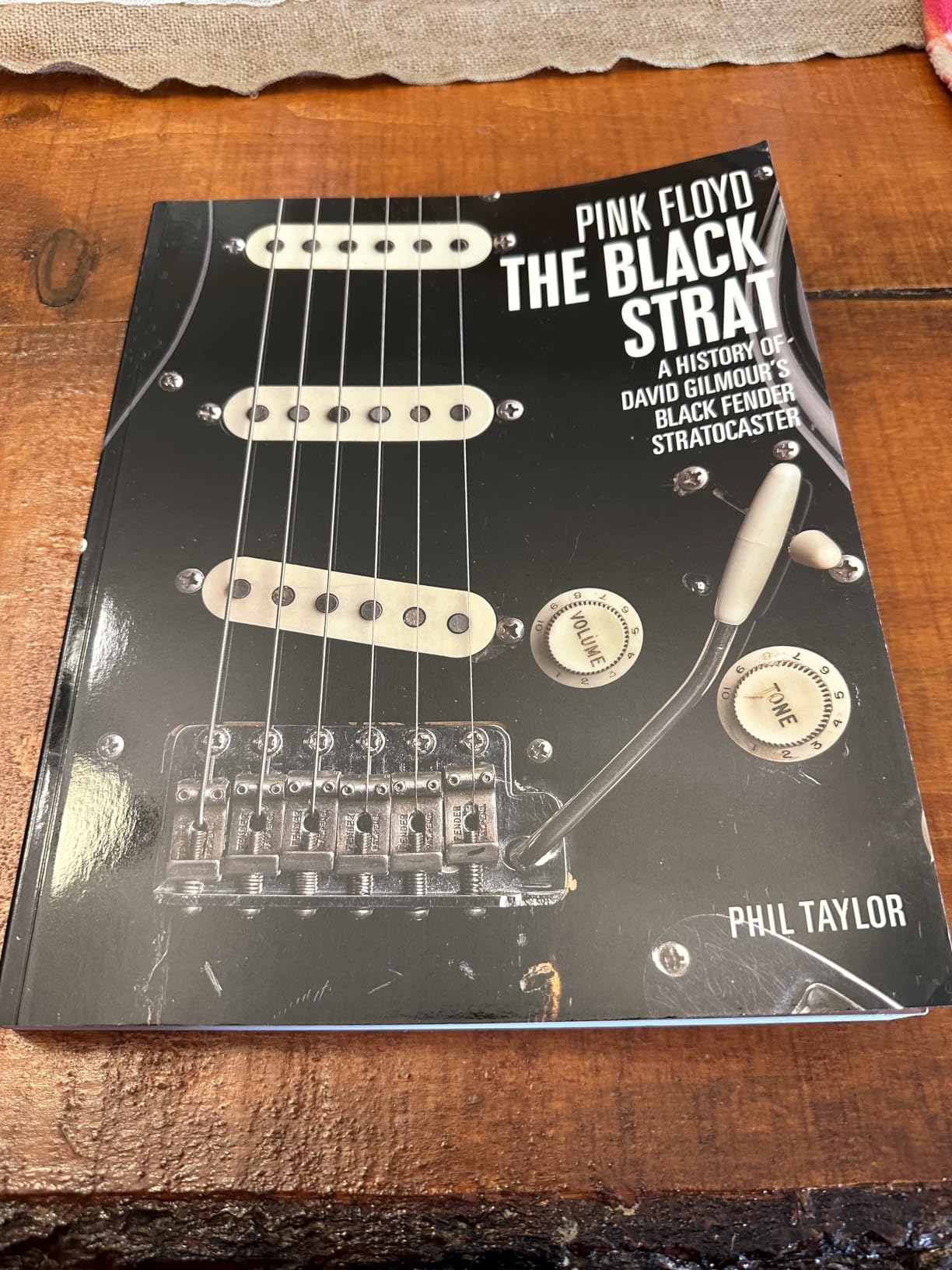
Gilmour’s relationship with the guitar was so deep that it was even "retired" for a period. In the mid-1980s, Gilmour switched to Fender’s new "V" neck reissue Strats, and the Black Strat was loaned to the Hard Rock Cafe for display. However, Gilmour eventually missed the instrument's unique feel and reclaimed it in the late 1990s. It was subsequently restored by his technician, Phil Taylor, and used for the legendary Pink Floyd reunion at Live 8 in 2005.
The Philanthropic Impact: ClientEarth
The sale of the Black Strat was not an act of personal profit. David Gilmour donated the entirety of the auction proceeds—totaling $21,490,750—to ClientEarth. This non-profit organization uses the power of law to protect the environment and fight climate change.
In a statement released at the time of the sale, Gilmour noted that the climate crisis is the greatest challenge humanity faces. By selling his collection, he aimed to provide the organization with the resources needed to hold governments and corporations accountable. This philanthropic gesture added an extra layer of prestige to the auction; buyers weren't just purchasing rock history; they were funding global environmental protection. More information on their work can be found at the ClientEarth official website.
Comparing the Record-Breaking Sale
While the Black Strat held the record for the most expensive guitar for a period, the market for celebrity-owned instruments has continued to fluctuate. Shortly after the Gilmour auction, Kurt Cobain’s "MTV Unplugged" 1959 Martin D-18E sold for $6 million in 2020, surpassing the Black Strat.
However, among electric guitars, the Black Strat remains at the pinnacle of value. Its price reflects not just the brand or the age of the wood, but the sheer volume of "A-list" rock history embedded in its finish. Every scratch and ding on the body represents a performance at Wembley Stadium, a session at Abbey Road, or a world tour that defined a generation.
Frequently Asked Questions
Did David Gilmour keep any of his guitars?
Yes, David Gilmour did not sell every instrument he owned. He kept several guitars with sentimental value or specific utility, including his first-ever guitar and a few select Fender Stratocasters. However, the vast majority of his "main" touring and recording collection was sold at the 2019 auction.
Is the Black Strat still playable in 2026?
Absolutely. Jim Irsay maintains his collection in "playing condition." The guitar is kept in a climate-controlled environment, but it is frequently tuned and occasionally played by guest musicians or Irsay himself during public events. It is treated as a living piece of art rather than a static relic.
What is the "Gilmour Switch" on the Black Strat?
The Gilmour Switch is a small recessed toggle switch located near the pickup selector. When engaged, it adds the neck pickup to whatever selection is currently active on the 5-way switch. This allows for the neck and bridge pickups to work together (similar to a Telecaster) or for all three pickups to be active simultaneously.
Why did the Black Strat have so many different necks?
David Gilmour is famously particular about the "feel" of a guitar neck. Over the years, the original neck became worn, or he found that different fretboard materials (maple vs. rosewood) suited the tone of the albums he was working on at the time. The 1983 maple neck currently on the guitar was chosen because it felt the most comfortable for his signature bending style.
Where can I see the Black Strat now?
The guitar is part of the Jim Irsay Collection. Irsay frequently takes the collection on tour across the United States. Fans can check the Jim Irsay Collection website for upcoming dates and locations where the Black Strat and other historical artifacts are displayed for the public.
The Future of the Black Strat
As of 2026, the Black Strat stands as a testament to the enduring power of music and the technical ingenuity of David Gilmour. While it may never again be heard on a new Pink Floyd record, its presence in the Jim Irsay Collection ensures that its story is preserved for future generations of musicians.
For those looking to emulate the tone of the Black Strat, Fender continues to produce various "David Gilmour Signature" models and Custom Shop reissues that replicate the specific modifications made to the 1969 original. However, the "real" Black Strat, with its layers of black paint and decades of road wear, remains a singular, priceless artifact of the 20th century's musical landscape.
Image Gallery