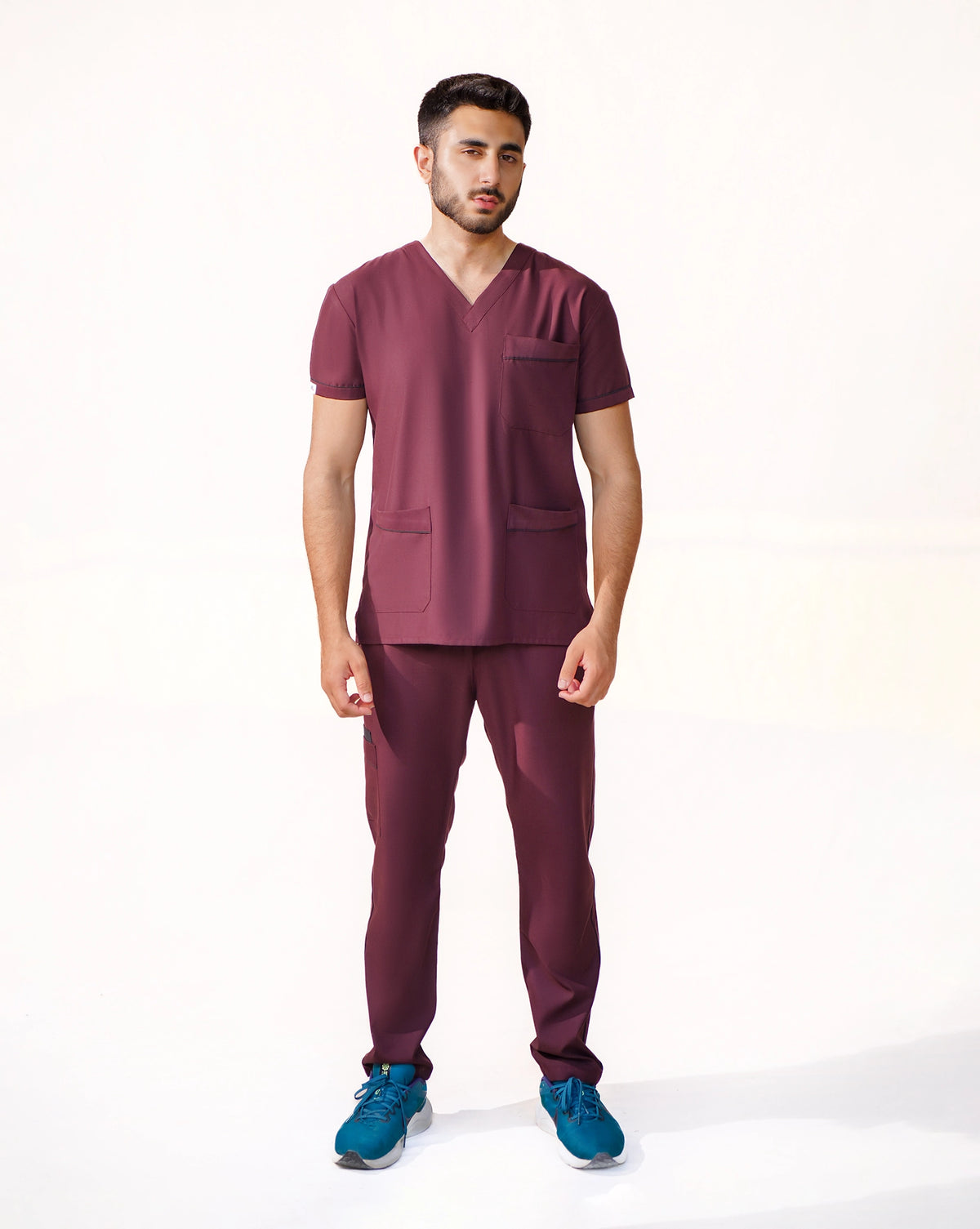
The Standard Wardrobe of Medical Doctors: Function, Tradition, and Hygiene
Medical doctors typically wear a combination of clinical scrubs, white lab coats, or professional business-casual attire, supplemented by specialized personal protective equipment (PPE). The choice of clothing is dictated by the specif...
Medical doctors typically wear a combination of clinical scrubs, white lab coats, or professional business-casual attire, supplemented by specialized personal protective equipment (PPE). The choice of clothing is dictated by the specific medical specialty, the clinical setting, and institutional policies regarding hygiene, infection control, and patient-facing professionalism.
Contents
The attire worn by physicians serves three primary functions: identification, protection, and psychological impact. In 2026, the medical wardrobe has shifted toward a "function-first" philosophy, balancing the traditional symbolism of the profession with the rigorous demands of modern infection control. While the white coat remains a powerful emblem of the medical field, its usage is increasingly scrutinized for its potential to harbor pathogens, leading to a rise in the use of high-performance antimicrobial scrubs and "bare below the elbows" policies.
The Historical and Symbolic Significance of the White Coat
For over a century, the white lab coat has been the most recognizable garment in medicine. Before the late 19th century, physicians typically wore black, reflecting the somber and often terminal nature of medical treatment at the time. As the understanding of germ theory and antisepsis grew—pioneered by figures like Ignaz Semmelweis and Joseph Lister—the profession adopted white to represent cleanliness, transparency, and a scientific approach to healing.
In contemporary practice, the white coat is often introduced during a "White Coat Ceremony" at the start of medical school, serving as a rite of passage. However, its practical application varies. Surgeons and emergency physicians rarely wear them during clinical procedures, whereas internal medicine specialists and consultants may use them as a professional layer over business attire.
There is a distinct difference between the "short coat" (worn by medical students) and the "long coat" (worn by graduate physicians). This length serves as a visual hierarchy within the teaching hospital environment. Despite its status, many health systems have limited the use of long-sleeved coats in intensive care or surgical units to reduce the risk of cross-contamination between patients.
The Rise of Medical Scrubs as the Primary Uniform
Scrubs have transitioned from the operating room to becoming the default uniform for almost all hospital-based physicians. Traditionally made of simple cotton or poly-cotton blends, modern scrubs in 2026 are often constructed from moisture-wicking, antimicrobial, and four-way stretch fabrics.
Why Scrubs Are Preferred
- Hygiene: Scrubs are designed to be laundered at high temperatures to kill bacteria and viruses. Many hospitals provide "hospital-laundered" scrubs for staff in high-risk areas like the Operating Room (OR) or Labor and Delivery to ensure a sterile chain of custody.
- Functionality: Modern scrub designs include multiple pockets for essential tools such as trauma shears, pens, smartphones, and stethoscopes.
- Physical Comfort: Doctors often work 12-to-24-hour shifts involving significant walking and standing. The athletic-wear properties of modern scrubs reduce physical fatigue compared to formal clothing.
Color Coding and Identification
Many hospitals implement color-coded scrub policies to help patients and staff quickly identify different roles. For example, physicians might wear navy blue or charcoal gray, while nurses wear royal blue or ceil blue. While not universal, this standardization reduces confusion in high-stress environments like the Emergency Department.
Business Casual and Professional Attire
In outpatient clinics, private practices, and psychiatry departments, doctors often eschew scrubs in favor of business-casual attire. This choice is frequently intended to reduce the "power imbalance" between the physician and the patient or to avoid "white coat hypertension"—a phenomenon where a patient's blood pressure rises due to the anxiety of being in a clinical setting.
Typical professional attire for physicians includes:
- Men: Chinos or slacks, button-down shirts (often without a tie), and leather shoes or professional loafers. Ties have largely fallen out of favor in clinical settings because they are rarely laundered and can act as vectors for bacteria.
- Women: Slacks, professional blouses, or conservative dresses.
The emphasis in 2026 remains on modesty and practicality. Clothing must allow for a full range of motion, as doctors may need to perform physical examinations or respond to emergencies regardless of their department.
Footwear: The Foundation of Clinical Endurance
Footwear is perhaps the most critical component of a doctor's wardrobe from a health and safety perspective. Physicians can easily walk 5 to 10 miles during a single hospital shift.
- Clogs: Brands like Dansko remain popular because of their superior arch support and spill-resistant surfaces.
- Athletic Shoes: High-cushion running shoes (such as those from Hoka or Brooks) are increasingly common, particularly among residents and emergency staff.
- Safety Requirements: Hospital policy typically mandates closed-toe shoes made of non-porous materials to protect against needle sticks and fluid spills. Fluid resistance is a primary requirement for anyone working in surgery or trauma.
Specialty-Specific Attire Requirements
The department in which a doctor works significantly influences their daily wear.
| Department | Primary Attire | Key Accessories | Reason for Choice |
|---|---|---|---|
| Surgery | Sterile Scrubs | Surgical Mask, Bouffant Cap, Lead Apron (if using X-ray) | Maintain sterile field; protection from radiation. |
| Pediatrics | Colorful Scrubs or Casual | "Kid-friendly" stethoscope covers, ID badges | To appear approachable and reduce patient fear. |
| Psychiatry | Business Casual | Minimalist accessories | To normalize the environment and build rapport. |
| Emergency | Performance Scrubs | Trauma shears, high-durability sneakers | Need for mobility and rapid response to fluids/trauma. |
| Critical Care | Scrubs + PPE | N95 masks, face shields, isolation gowns | High risk of infectious disease transmission. |
Infection Control and "Bare Below the Elbows" (BBE)
One of the most significant shifts in medical attire over the last decade is the adoption of "Bare Below the Elbows" (BBE) policies. First popularized by the National Health Service (NHS) in the UK, this policy forbids the wearing of long-sleeved shirts, lab coats, wristwatches, or jewelry (including rings) in clinical areas.
The rationale is that sleeves and jewelry frequently come into contact with patients and surfaces, carrying pathogens like MRSA or C. difficile from one room to another. By keeping the forearms bare, doctors can perform more effective hand and arm hygiene between patient encounters. In 2026, many North American hospitals have adopted modified versions of this policy, encouraging physicians to roll up sleeves or switch to short-sleeved scrubs during rounds.
Personal Protective Equipment (PPE)
Beyond their base clothing, doctors must frequently layer Personal Protective Equipment. Since the 2020 pandemic, the integration of PPE into the standard workflow has become more permanent.
- Gloves: Nitrile or latex gloves are worn for almost every patient contact involving potential fluid exposure.
- Masks: Level 1 or 2 surgical masks are standard in many hallways, while N95 or FFP3 respirators are required for aerosol-generating procedures.
- Eye Protection: Goggles or face shields are common in the ER and OR to protect against splashes.
- Gowns: Disposable or launderable gowns are used during "contact precautions" to prevent the spread of multi-drug-resistant organisms.
Essential Accessories and Tools
No physician’s attire is complete without the functional tools carried on their person. The most common include:
- Stethoscope: Usually worn around the neck or in a dedicated scrub pocket.
- Identification Badge: Essential for security access and patient identification. In many jurisdictions, the doctor's name, department, and "MD" or "DO" must be clearly visible.
- Pager or Smartphone: Despite the prevalence of smartphones, many hospitals still use encrypted pagers for critical alerts due to their reliable battery life and signal penetration.
- Penlight and Reflex Hammer: Standard diagnostic tools for neurological assessments.
Patient Perception and Professionalism
Research into patient preferences regarding doctor attire yields mixed results but generally suggests that patients value "cleanliness" and "recognizability" above all else. A study published in BMJ Open noted that while older patients often prefer the traditional white coat, younger patients and those in emergency settings prioritize the speed and functionality implied by scrubs.
The modern consensus is that professionalism is conveyed through the grooming and condition of the attire rather than the specific style. Wrinkled, soiled, or ill-fitting clothing can undermine patient trust, regardless of whether it is a $500 suit or a pair of $30 scrubs.
Frequently Asked Questions
Why do surgeons wear green or blue scrubs?
Green and blue are used in the operating room because they are the opposite of red on the color wheel. This helps reduce eye strain for surgeons who spend hours looking at red blood and tissue. These colors also minimize the "afterimage" effect that occurs when a surgeon looks away from the surgical site toward a white wall.
Are doctors allowed to wear sneakers?
Yes, most doctors wear sneakers or athletic shoes. In 2026, hospital policies prioritize footwear that provides support and prevents slips over formal aesthetics. However, the sneakers must be clean and usually must be made of a material that can be wiped down if exposed to biohazardous waste.
Is the white coat being phased out?
The white coat is not being phased out entirely, but its role is changing. It is increasingly viewed as a ceremonial garment or an "outerwear" piece for administrative work rather than a practical clinical tool. In high-acuity areas, scrubs have largely replaced the white coat to improve hygiene and mobility.
Can doctors wear jewelry?
Most hospitals discourage wearing excessive jewelry. Rings with stones can tear gloves and harbor bacteria, while necklaces can be grabbed by confused or agitated patients. Many physicians opt for simple silicone wedding bands for safety and hygiene.
Do doctors pay for their own scrubs?
It depends on the setting. Hospital-employed doctors in sterile environments (OR/ICU) usually use scrubs provided and laundered by the hospital. Doctors in private practice or outpatient clinics typically purchase their own "office scrubs."
Practical Recommendations for Medical Professionals
For those entering the medical field or refining their professional wardrobe in 2026, the following actions ensure compliance with both tradition and modern safety:
- Prioritize Fabric Technology: Invest in scrubs with antimicrobial properties and high-stretch durability to withstand the rigors of long shifts.
- Adhere to BBE Principles: Even if not strictly mandated by your institution, keeping forearms clear and avoiding wrist jewelry significantly improves the efficacy of hand hygiene.
- Invest in Ergonomic Footwear: Do not compromise on shoes. Proper arch support and fluid resistance are essential for long-term musculoskeletal health.
- Maintain a "Clean" Barrier: Keep a change of clothes or a second set of scrubs in your locker. This ensures that you do not take hospital-acquired pathogens home to your family.
Image Gallery