Strategic Framework: How to Choose Methods of Prospecting for Life Insurance
Choosing the right methods of prospecting for life insurance requires a disciplined alignment between your personal communication strengths, your target market’s demographic profile, and your available operational budget. A successful...
Choosing the right methods of prospecting for life insurance requires a disciplined alignment between your personal communication strengths, your target market’s demographic profile, and your available operational budget. A successful prospecting strategy is not about selecting every available channel, but rather about building a sustainable, repeatable process that produces a consistent pipeline of qualified leads suited to your specific insurance practice.
Contents
Understanding the Prospecting Landscape
Prospecting in the life insurance industry is the foundational activity that separates sustainable careers from short-term attempts. Because life insurance is an intangible product—a promise of future financial security—the methods used to initiate contact must build trust, demonstrate professional competence, and establish a clear value proposition.
Before selecting a method, you must define your "Ideal Client Profile" (ICP). Prospecting to high-net-worth individuals requiring estate planning requires an entirely different approach than selling term life insurance to young families. If your methodology does not match your target audience’s preferences, you will experience high rejection rates and low conversion, regardless of how many leads you contact.
Evaluating Prospecting Methodologies
When choosing your approach, categorize them into three primary operational buckets: relationship-based, content-driven, and data-purchasing.
Relationship-Based Prospecting
This category includes referrals, networking groups, and centers of influence (COIs) such as estate attorneys and certified public accountants.
- The Mechanism: Trust is transferred from a third party to you.
- Pros: High conversion rates and lower acquisition costs.
- Cons: Extremely slow to build; requires high interpersonal skill and consistent relationship maintenance.
- Best For: Agents who prioritize long-term client retention and have a strong local community presence.
Content-Driven Prospecting
This involves establishing authority through educational webinars, social media presence, or local seminars.
- The Mechanism: You provide value upfront, which builds "top-of-mind" awareness.
- Pros: Scales well; builds deep trust before the first meeting.
- Cons: High barrier to entry; requires significant time investment in content creation and audience building.
- Best For: Agents targeting niche markets, such as business owners or specific professional demographics.
Data-Purchasing and Lead Generation
This involves buying direct mail lists, aged leads, or real-time internet leads.
- The Mechanism: You purchase access to individuals who have expressed a potential interest or fit specific criteria.
- Pros: Instant volume; allows for immediate testing of sales scripts and closing techniques.
- Cons: High financial cost; leads are often "cold" or shared with multiple other agents.
- Best For: Newer agents building their first books of business or those with significant upfront capital.
Comparative Analysis of Prospecting Channels
The following table compares the essential characteristics of common prospecting methods to help you determine which fits your current business stage.
| Method | Upfront Cost | Time to Results | Lead Quality | Skill Required |
|---|---|---|---|---|
| Referrals | Low | High | Very High | High |
| COI Networking | Low | Very High | High | Very High |
| Social Media Content | Moderate | Moderate | Moderate | Moderate |
| Purchased Lead Lists | High | Immediate | Variable | Low-Moderate |
| Seminars/Workshops | High | Moderate | High | High |
Essential Prerequisites for Execution
Regardless of the method chosen, your internal infrastructure must be ready to support the incoming inquiries. Before launching a prospecting campaign, verify you have the following:
- Compliance Documentation: Ensure all marketing materials, scripts, and outreach methods comply with the National Association of Insurance Commissioners (NAIC) guidelines and your specific state’s Department of Insurance regulations.
- Customer Relationship Management (CRM) System: You cannot manage leads via spreadsheets. A robust CRM is necessary to track touchpoints, automate follow-ups, and segment your prospects by lifecycle stage.
- Value Proposition Statement: You must be able to articulate why a prospect should speak with you in under 30 seconds. This is your "elevator pitch," which must be practiced until it is natural.
- Licensing and Appointment Verification: Ensure your licenses are active in every jurisdiction where you intend to conduct prospecting. Operating across state lines without proper non-resident licensing is a significant regulatory risk.
Avoiding Common Pitfalls
One of the most common errors in life insurance prospecting is "channel hopping." This happens when an agent tries cold calling for two weeks, fails to see immediate success, and pivots entirely to social media advertising. Prospecting requires a "compounding interest" approach. It takes time for the market to recognize you as a professional.
Another pitfall is focusing solely on lead quantity rather than lead quality. An inbox full of leads who cannot afford the premiums or do not have an insurable interest will drain your time and morale. Always prioritize methods that allow you to qualify prospects early in the process.
Integrating Digital and Traditional Methods
The most successful practitioners in 2026 often employ a "Hybrid Prospecting" model. For example, they may use a digital lead service to generate initial interest, but rely on traditional follow-up calls and handwritten notes to build the personal rapport necessary for closing complex life insurance policies. This dual approach covers the gap left by purely digital strategies—the lack of a human connection—while leveraging the speed of modern technology.
Frequently Asked Questions
How do I decide between cold calling and digital marketing? Choose cold calling if you have limited capital but significant time and high resilience. Choose digital marketing if you have an initial budget and want to scale your outreach, though be prepared for a lower initial contact-to-appointment conversion rate.
What is the most effective way to start with referrals? Start by identifying your ten best current clients. Ask them specifically for introductions to people who share their professional values or life stage. The key is to be specific rather than asking for "anyone who needs life insurance."
How much of my day should be dedicated to prospecting? Industry standards suggest that successful producers spend 50% to 70% of their time on revenue-generating activities, specifically prospecting and client meetings. If you are a newer agent, prioritize the higher end of that range.
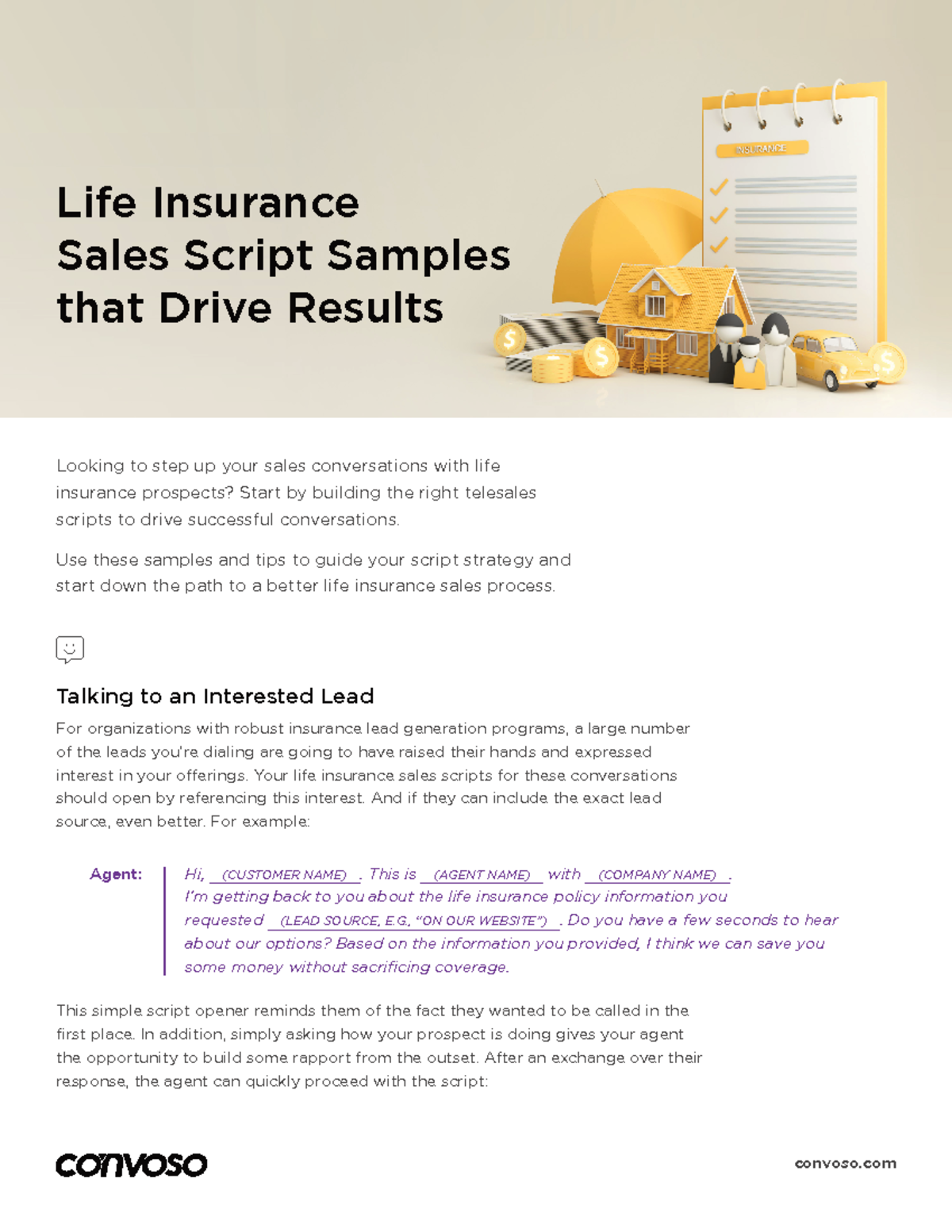
Are purchased leads worth the cost? They are worth the cost if your closing ratio is high enough to generate a positive Return on Investment (ROI). If you purchase leads, treat them as a data set for practicing your sales scripts, and calculate your "cost per sale," not just your "cost per lead."
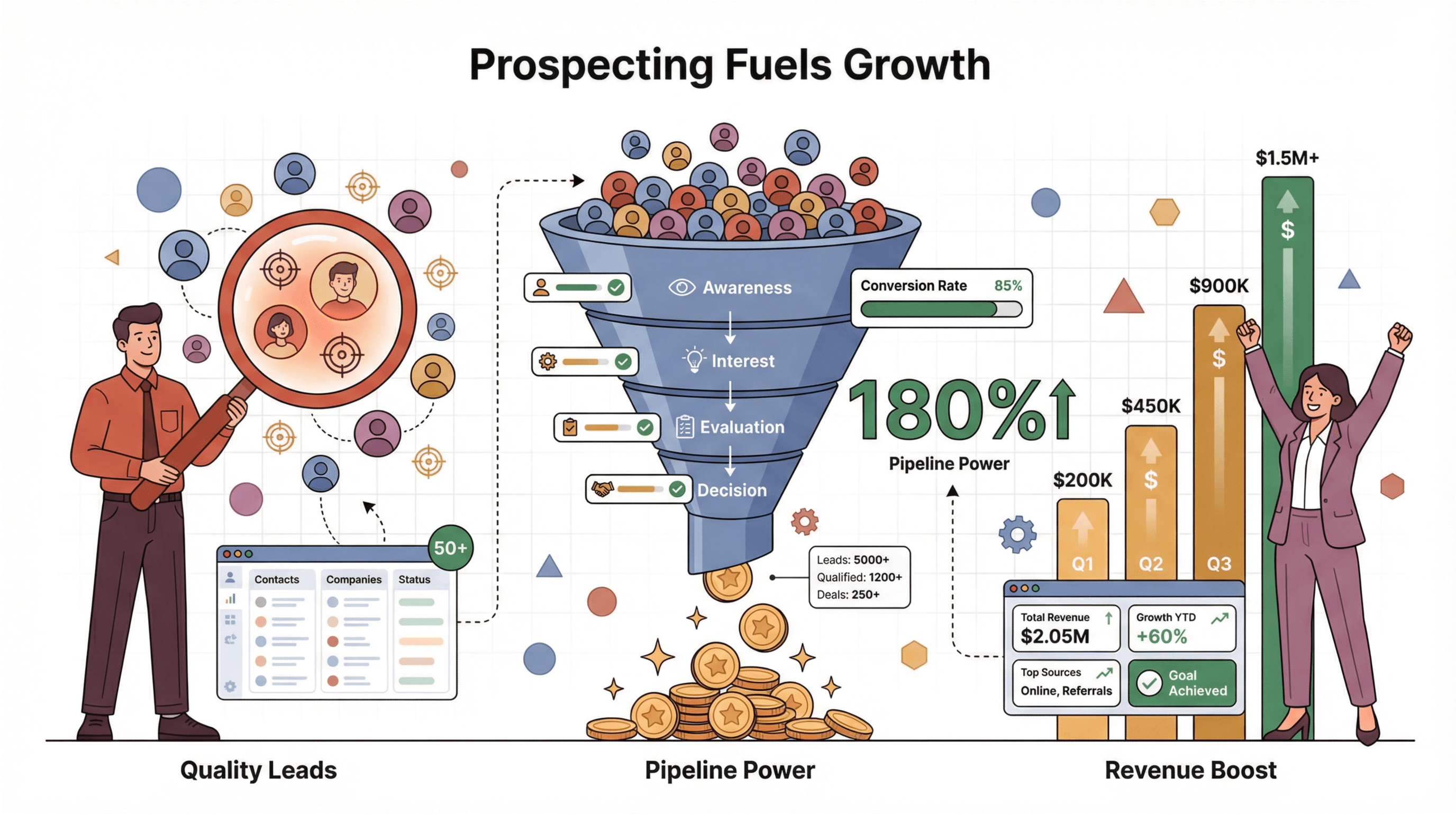
How do I track my prospecting success? Use a basic funnel approach: Track how many prospects you contact, how many appointments you set, how many sales presentations you conduct, and how many policies you place. If you aren't hitting your numbers, check which stage of the funnel has the highest "drop-off" rate and adjust your method there.
Recommended Next Action
Your first step should be to audit your strengths. If you are an extrovert who thrives in face-to-face settings, focus on centers of influence and local networking. If you are detail-oriented and analytical, focus on content marketing and niche demographic outreach. Choose ONE method, commit to it for at least 90 days, and track the data rigorously to ensure your time and capital are being used efficiently.
Image Gallery