Why the Love Is Blind Season 10 Reunion Isn’t Worth the Hype
The Love Is Blind Season 10 reunion often fails to meet expectations because the "shocking reveals" are typically leaked on social media months in advance, and the format remains stuck in a predictable cycle of rehearsed apologies and...
The Love Is Blind Season 10 reunion often fails to meet expectations because the "shocking reveals" are typically leaked on social media months in advance, and the format remains stuck in a predictable cycle of rehearsed apologies and avoided accountability, prioritizing manufactured viral moments over genuine emotional resolution or cast transparency.
Contents
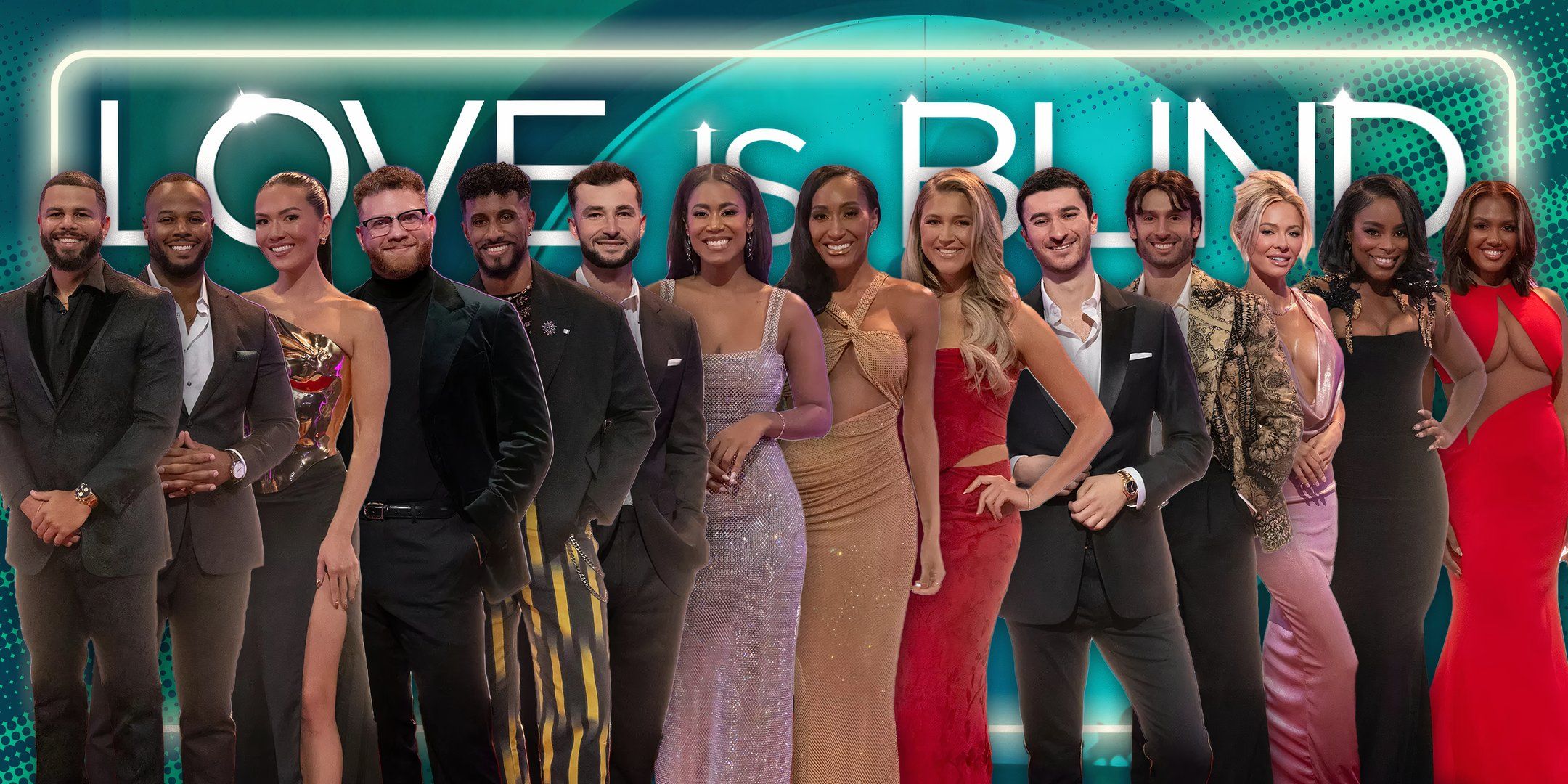
As we move through 2026, the cultural phenomenon that is Love Is Blind has reached a significant milestone with its tenth season. While the premise of the "pods" originally captivated audiences as a social experiment, the reunion specials have increasingly become a point of contention for long-term fans. What was once an essential viewing event to find out who stayed together has transformed into a highly polished, often frustrating hour of television that rarely delivers the closure or "tea" promised by the marketing department.
The Evolution of Reality TV Fatigue in 2026
By the time a reality franchise reaches its tenth season, a natural phenomenon known as "formula fatigue" sets in. In 2026, viewers are more savvy than ever. We understand the "villain edit," the "redemption arc," and the way production nudges contestants toward specific conflicts. For Love Is Blind, this fatigue is particularly acute during the reunion.
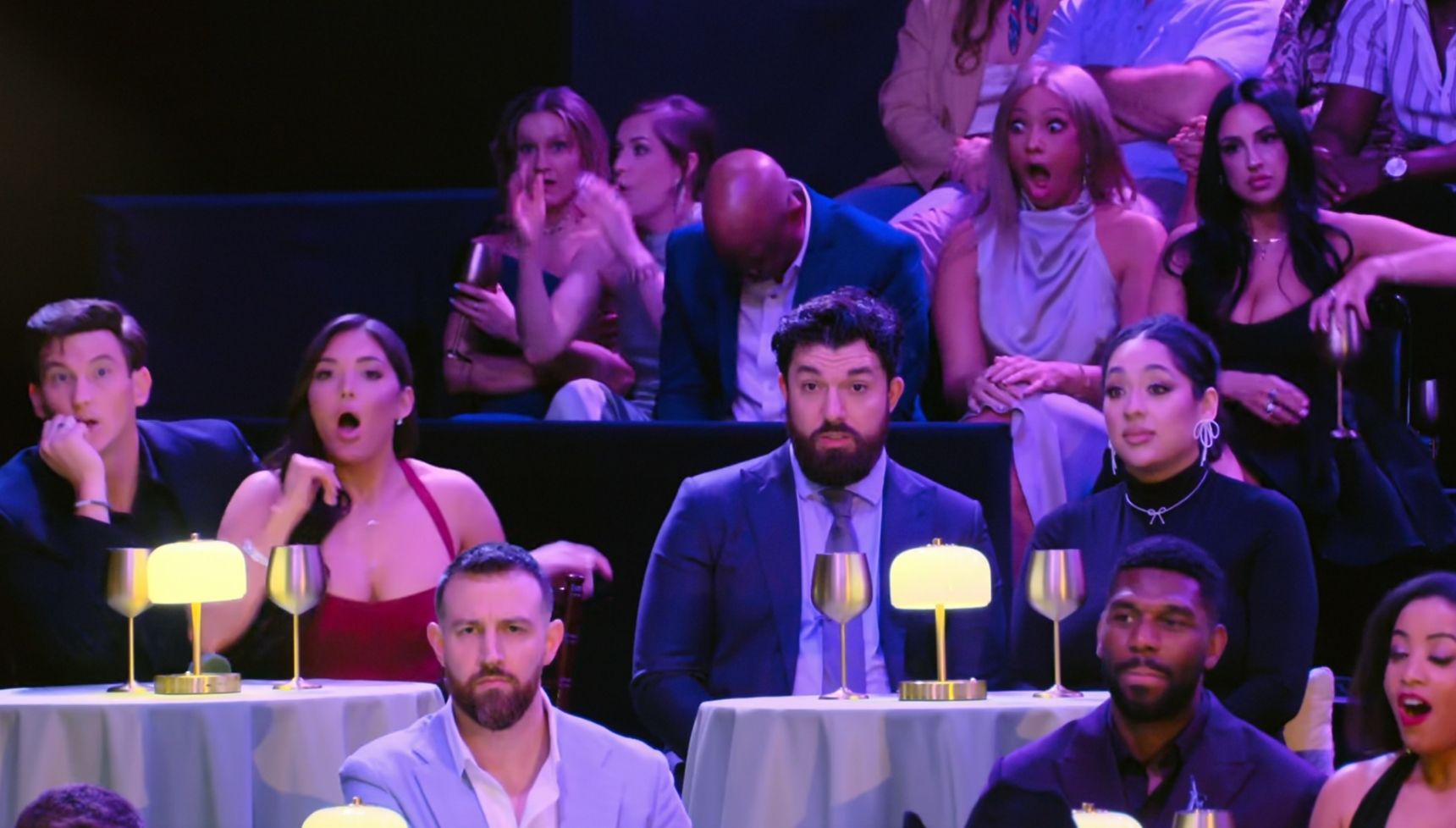
The reunion is marketed as the moment where the "truth comes out," but after ten iterations, the patterns are too visible. We see the same defensive postures, the same strategic tears, and the same refusal to address the most pressing questions from the audience. The "hype" generated by Netflix's promotional clips usually features high-volume shouting matches that, in reality, occupy only three minutes of a sixty-minute broadcast, leaving the rest of the episode filled with repetitive recaps of footage we have already seen.
The Social Media Spoiler Effect
One of the primary reasons the Season 10 reunion feels underwhelming is that, in the modern era of 2026, secrets are nearly impossible to keep. Between the filming of the weddings and the airing of the reunion, months—and sometimes over a year—pass. In that interval, the "sleuths" on platforms like TikTok, Reddit, and Instagram have usually uncovered the current relationship status of every participant.
Public records of marriage licenses, sightings of contestants at local bars, and even subtle changes in social media backgrounds often spoil the "big reveals" long before the hosts, Nick and Vanessa Lachey, can ask the question. When the reunion finally airs, the audience isn't learning anything new; they are simply watching the cast confirm what was already discussed in threads three months ago. This lag time effectively kills the stakes of the broadcast, making the "hype" feel artificial and forced.
Casting for Clout vs. Connection
In the early seasons of Love Is Blind, there was a palpable sense of earnestness among the participants. By Season 10, that earnestness has largely been replaced by "brand management." Most contestants entering the pods in 2026 are aware of the lucrative career path that follows: brand deals, podcast starts, and appearances on other reality spin-offs.
Because the contestants are focused on their post-show image, their behavior at the reunion is increasingly curated. Instead of raw, honest conversations about why a relationship failed, viewers are treated to PR-friendly responses designed to minimize damage to their personal brands. This lack of authenticity is the antithesis of what a reunion should be. When the cast is more worried about their follower count than their former fiancé, the emotional weight of the reunion vanishes, leaving behind a hollow promotional vehicle.
Structural Flaws in the Reunion Format
The technical structure of the Love Is Blind reunion has remained largely unchanged since the show's inception, and by Season 10, these flaws are glaring. The reliance on the Lacheys as hosts has been a point of debate for years. While they are veterans of the industry, critics and fans often argue that they lack the journalistic edge required to hold contestants accountable for problematic behavior.
Furthermore, the editing often prioritizes "viral" moments over substantive ones. The production team frequently skates over serious allegations or complex interpersonal dynamics in favor of focusing on minor, easily digestible drama. This results in a viewing experience that feels superficial.
Comparison: Early Seasons vs. Season 10
To understand why the hype has diminished, it is helpful to look at how the show’s reunion dynamics have shifted over time.
| Feature | Early Seasons (S1-S3) | Season 10 (2026) |
|---|---|---|
| Cast Motivation | Genuine search for partnership | Strategic brand building/influencer status |
| Social Media Impact | Minimal pre-show spoilers | Near-total transparency via online sleuthing |
| Host Style | Passive observation | Scripted, brand-protective questioning |
| Resolution Rate | High level of genuine closure | Unresolved plot lines for "After the Altar" |
| Authenticity | Raw emotional reactions | Curated, PR-friendly responses |
| Pacing | Focus on main couples | Disproportionate focus on "villain" characters |
The "After the Altar" Buffer
Another reason the Season 10 reunion feels like a letdown is the existence of the After the Altar specials. Netflix has a vested interest in keeping some drama "on the hook" to ensure viewers tune in for the follow-up episodes months later. Consequently, many of the most interesting conflicts are not resolved during the reunion.
Instead of providing a definitive "Where are they now?", the reunion acts as a bridge, offering just enough information to keep the audience curious but not enough to satisfy them. This "to be continued" approach is a classic television tactic, but for a show that sells itself on the finality of the marriage decision, it feels like a bait-and-switch. When the reunion ends without addressing the biggest rumors, it leaves the audience feeling cheated rather than excited.
Frequently Asked Questions
Why do people still watch the reunion if it's not worth the hype?
The primary driver is "sunk cost" engagement. After spending ten or more hours watching the season, viewers feel an obligation to see the final chapter, even if they suspect it will be disappointing. Additionally, the "fear of missing out" (FOMO) regarding the few minutes of genuine drama that might happen keeps the numbers high.
Are the reunions filmed live in 2026?
Most Love Is Blind reunions are pre-recorded, though there have been experiments with live broadcasts in the past. Pre-recording allows production to edit the footage to fit a specific narrative and manage any legal or PR risks, which further contributes to the feeling that the show is "sanitized" for the audience.
Do the hosts actually choose the questions?
No, the questions are typically developed by producers based on social media sentiment and the season's storylines. While the hosts may have some input, the direction of the reunion is tightly controlled to ensure it aligns with the show's overall branding and future plans for the cast.
Why are some cast members missing from the reunion?
Cast members may be absent due to legal disputes, personal choice, or because production decided their storylines weren't "essential" to the narrative. In Season 10, as with previous years, the absence of key figures often means the most controversial topics are ignored entirely, as there is no one present to answer for them.
Has the success rate of the couples improved by Season 10?
Statistically, the success rate has fluctuated but remains relatively low. The pressure of the cameras and the accelerated timeline of the show often lead to "showmances" that dissolve shortly after filming concludes, making the "happy endings" presented at the reunion feel less than permanent.
Recommendation for Viewers
If you find yourself frustrated by the manufactured drama of the Love Is Blind Season 10 reunion, the best approach is to manage your expectations. Instead of viewing it as a source of "truth," treat it as a supplemental piece of entertainment meant to showcase the cast's new personas. For those seeking actual updates, the most reliable information in 2026 often comes from independent entertainment journalists and the cast's own uncurated social media activity in the weeks following the broadcast. By decoupling your need for closure from the Netflix broadcast, you can enjoy the spectacle without the inevitable disappointment of the hype.
Image Gallery